
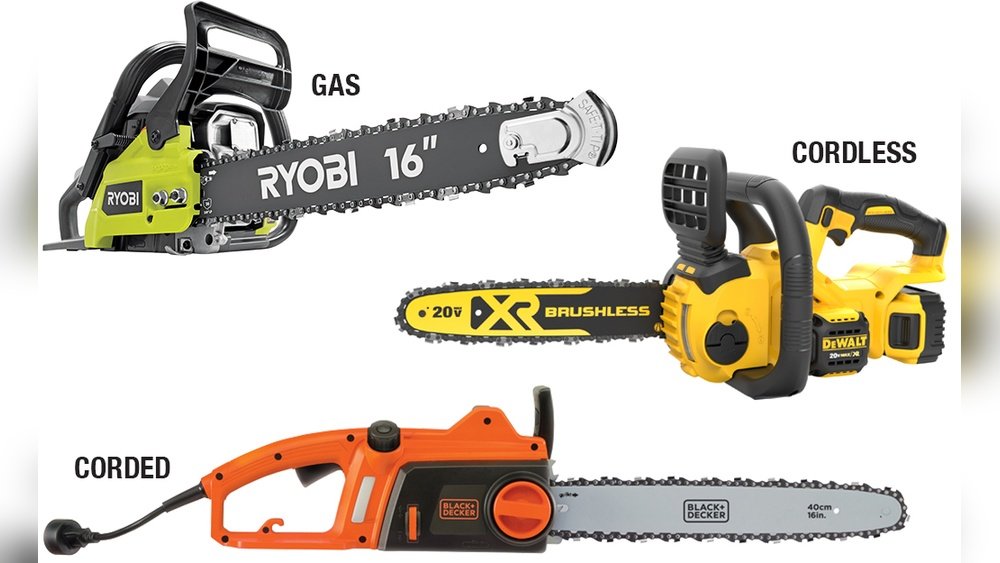
Choosing the right chainsaw is not easy. For most buyers, it comes down to battery vs gas chainsaw. Each type has strong points and weak spots. The best choice depends on your yard size, the jobs you do, and even your comfort with tools. This guide breaks down all the facts, helps you avoid common mistakes, and gives you real-world data to make a confident choice. If you want a chainsaw for yard work, storm cleanup, or firewood, read on.
How Battery And Gas Chainsaws Work
At first look, both battery-powered and gas-powered chainsaws cut wood the same way. But the way they run is quite different.
A gas chainsaw uses a small gas engine. You fill a tank with gasoline, sometimes mixed with oil. Pulling a cord starts the engine. The engine turns the chain around the bar at high speed. These saws have been around for decades and are known for their power.
A battery chainsaw is powered by a rechargeable lithium-ion battery. You attach the battery, press a button, and the saw starts. The electric motor spins the chain. In recent years, battery tech has improved, making these saws much more powerful and practical.
Performance And Power
When people compare battery vs gas chainsaws, power is usually the first concern.
Gas chainsaws are famous for raw cutting strength. They can handle thick logs, hardwood trees, and long, tough jobs. Most pros still use gas because they need this kind of power.
Battery chainsaws have improved a lot. Some 40V or 60V models now cut as fast as small gas saws. For small branches, firewood, and jobs under 12 inches thick, a top battery model often matches gas for speed.
But, battery saws do lose power as the battery drains. You may notice the saw slows down near the end of the charge. Gas saws run at full power until they run out of fuel.
Here’s a quick look at power ratings:
| Type | Engine/Motor Size | Bar Length | Max Chain Speed |
|---|---|---|---|
| Battery | 40V-80V (2-4 HP) | 12″-18″ | 16-20 m/s |
| Gas | 30cc-60cc (2-5 HP) | 14″-24″ | 18-25 m/s |
Key insight: Most homeowners never use the full power of a gas chainsaw. Unless you cut huge trees, a battery saw may give you all the power you really need.
Run Time And Refueling
Gas chainsaws can run as long as you keep adding fuel. A full tank lasts 30–45 minutes of cutting. Refilling takes a minute, then you’re back to work.
Battery chainsaws are limited by the battery. Most packs last 20–40 minutes of actual cutting. For big jobs, you’ll need a second battery or time to recharge. Charging can take 30 minutes to 2 hours, depending on the charger and battery size.
Here’s a comparison of average use time:
| Chainsaw Type | Average Run Time | Refuel/Recharge Time |
|---|---|---|
| Battery | 25-40 mins | 30-120 mins |
| Gas | 30-45 mins | 1-2 mins |
Non-obvious tip: “Run time” numbers count only actual cutting. If you stop often, batteries last longer than you think. But for continuous cutting, gas wins.
Weight And Handling
A big reason many choose battery chainsaws is weight. Gas chainsaws have a heavy engine, metal parts, and a fuel tank. Battery saws use lighter motors and plastic bodies.
On average, a battery chainsaw weighs 7–13 pounds (with battery), while gas models weigh 11–18 pounds. The lighter saw is easier to lift, carry, and use overhead. This is a big advantage for pruning, limbing, or cutting while on a ladder.
But, high-voltage batteries add weight. The largest battery saws can feel heavy, especially after an hour of use.
Pro insight: Pick up both types in a store. Some users find the balance of a gas saw more comfortable, even if it’s heavier.

Noise And Vibration
Noise is a big difference. Gas chainsaws are loud—usually 100–120 decibels. That’s as loud as a motorcycle. Ear protection is a must.
Battery chainsaws are much quieter, about 85–95 decibels. You can use them in neighborhoods without bothering neighbors. The lower vibration also means less fatigue and less risk of “white finger,” a common problem for frequent users.
Maintenance
Gas chainsaws need regular care. You must mix fuel, clean air filters, replace spark plugs, and winterize the engine. Skipping maintenance causes starting trouble and expensive repairs.
Battery chainsaws are much simpler. Charge the battery, keep the chain oiled and sharp, and that’s it. No fuel, no carburetors, no exhaust.
Common mistake: Many buyers forget about maintenance costs. Over five years, gas saws often cost more to keep running.
Starting And Ease Of Use
Starting a gas chainsaw can be hard for beginners. You pull a cord, adjust the choke, and hope it fires up. Cold weather makes it worse.
Battery chainsaws are easy: Insert the battery, press the trigger, and cut. There’s no starting cord, no choke, and no warm-up time.
This ease matters for people with less arm strength, arthritis, or who only use a saw a few times a year.
Emissions And Environment
Gas chainsaws burn fuel and make exhaust. They release carbon monoxide, nitrogen oxides, and particulates. The EPA says a two-stroke engine can pollute as much as 30 cars (per hour of use).
Battery chainsaws have zero emissions at the tool. No gas, no exhaust, no smell. If you care about the environment or need to cut indoors, battery is the clear winner.
For more on emissions from small engines, see the EPA’s summary.
Price And Long-term Costs
Upfront, battery chainsaws often cost more than gas for the same cutting size. A quality battery saw with charger and battery can run $200–$400. Gas saws with the same bar size are usually $180–$350.
But, gas chainsaws need oil, spark plugs, and fuel. Over five years, these costs add up. Also, batteries wear out after 3–5 years and may need replacement.
Here’s a cost breakdown:
| Type | Initial Cost | Annual Upkeep | Battery/Fuel Replacement (5 yrs) |
|---|---|---|---|
| Battery | $250–$400 | $15–$30 | $100–$150 |
| Gas | $180–$350 | $40–$80 | $150–$250 |
Real-world tip: If you own other battery tools from the same brand, you can share batteries and save money.
When To Choose A Battery Chainsaw
Battery chainsaws are best for:
- Homeowners with small to medium yards
- Pruning, limbing, and light firewood (logs up to 12”)
- People who want quiet operation
- Users who want low maintenance
- Occasional use (a few times a month)
- Cutting indoors or in sensitive areas
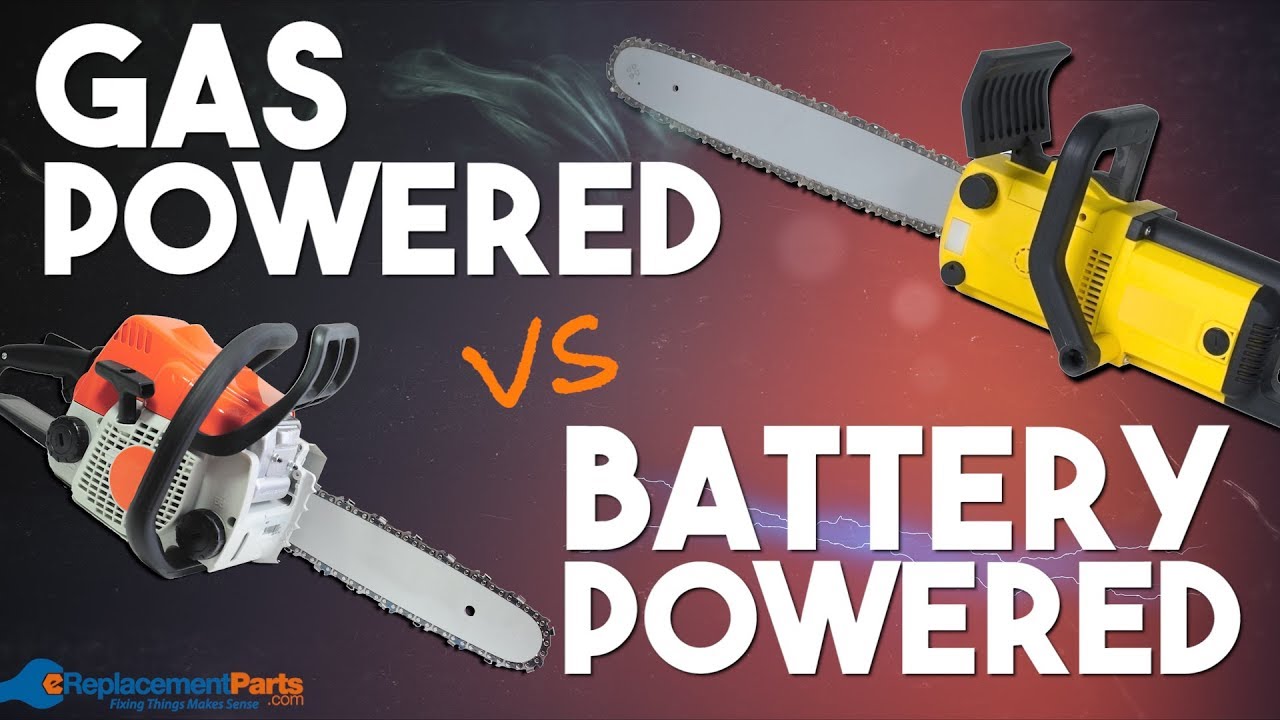
When To Choose A Gas Chainsaw
Gas chainsaws are best for:
- Logging, storm cleanup, or heavy firewood work
- Cutting hardwood and thick trunks (over 16”)
- Use far from outlets or chargers
- Jobs lasting several hours with no breaks
- Professional landscaping or tree service
Common Buyer Mistakes
- Overestimating needs: Many people buy a big gas saw and never use its power. Match the saw to your real jobs.
- Ignoring battery run time: A single battery isn’t enough for big projects. Plan to buy a spare if you cut a lot.
- Skipping safety gear: Both types can cause injury. Always wear gloves, eye, and ear protection.
- Forgetting future costs: Cheap gas saws can cost more in repairs over time.
- Not checking bar length: Bigger is not always better. Long bars are heavier and harder to control.
Other Features To Consider
- Tool-less chain tensioning: Many battery saws let you adjust the chain without tools, which saves time.
- Automatic oilers: Both types often include this for easy chain lubrication.
- Warranty: Battery saws usually have longer warranties (3-5 years) than many gas models.
- Brand ecosystem: If you own battery tools already, stay with the same brand for easy battery swaps.
Real-world Examples
- Storm cleanup: A homeowner with a battery chainsaw cleared fallen limbs after a storm. The saw was quiet enough to use early in the morning, and cleanup was simple. But, for a large downed tree, the battery died before the job was done.
- Firewood cutting: A camper used a gas chainsaw to cut firewood for a weekend. There was no power in the woods, and extra gas was easy to carry. The saw worked fast but was noisy and hard to start on a cold morning.
- Landscaper: A pro landscaper switched to battery saws for most jobs. The team liked the lower noise, less weight, and no fumes. But, they kept a gas saw for the biggest trees.
Frequently Asked Questions
Which Lasts Longer, Battery Or Gas Chainsaws?
Gas chainsaws can run as long as you keep adding fuel. Battery chainsaws are limited by battery charge—usually 20–40 minutes of cutting per battery. For long jobs, gas lasts longer unless you have multiple batteries.
Are Battery Chainsaws Powerful Enough For Hardwood?
Most modern battery chainsaws can cut hardwood logs up to 10–14 inches thick. For larger or tougher jobs, a gas chainsaw is better. Always check the max bar length and motor rating.
What Maintenance Does A Battery Chainsaw Need?
Battery chainsaws need very little maintenance. Keep the chain sharp, oil the bar, and charge the battery. There’s no need to mix fuel or replace spark plugs.
Do Battery Chainsaws Work In Cold Weather?
Yes, battery chainsaws work in cold, but battery life drops in freezing temperatures. Keep batteries warm before use for best results. Gas saws can be hard to start in the cold but don’t lose run time.
Is A Gas Chainsaw More Dangerous Than A Battery One?
Both types can cause serious injury. Gas saws are heavier and have more kickback, but battery saws cut just as fast. Always use safety gear and follow instructions.
Choosing between a battery vs gas chainsaw depends on your real needs, not just specs. For most homeowners, a quality battery chainsaw does the job with less noise and hassle. For big logs or all-day work, gas is still king. Try each type if you can, and buy from a trusted brand for the best results.
As an Amazon Associate, We earn from qualifying purchases