
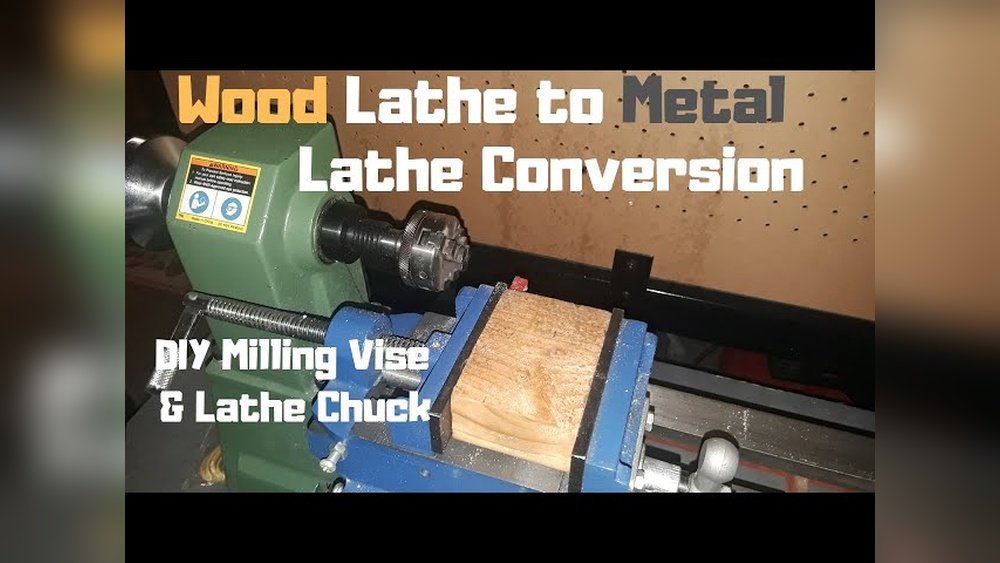
Can A Wood Lathe Be Used For Metal?
A few years ago, I found myself in a small garage workshop, staring at my old wood lathe. I had just finished a project with maple, and my hands were itching to try something new. Then I saw a chunk of aluminum on the shelf and thought, “Can I use my wood lathe for metal?
” The internet had mixed answers, but I had to find out for myself. If you’re wondering the same thing, you’re not alone. I’ve been down this road, faced the challenges, and learned what works—and what doesn’t.
In this article, I’ll share my personal experience, what I’ve learned from talking to other makers, and the key facts you need to know. Whether you’re a hobbyist or just curious, you’ll get real advice and hard-earned tips from someone who’s actually tried it.
The Main Differences: Wood Lathe Vs Metal Lathe
Let’s start with basics, because this is where most confusion happens. I once thought all lathes were pretty much the same. After all, they both spin material and use a cutting tool, right? But the differences are much bigger than they look.
| Feature | Wood Lathe | Metal Lathe |
|---|---|---|
| Purpose | Shaping wood | Shaping metal |
| Frame Strength | Light/Medium | Very strong |
| Tool Rest | Manual, for hand tools | Automatic, for tool posts |
| Speed Range | High (500–4000 RPM) | Low (30–2000 RPM) |
| Precision | Lower | Much higher |
| Safety Features | Basic | Advanced (guards, stops) |
When I first tried cutting metal on my wood lathe, I noticed these differences right away. The wood lathe is lighter, faster, and much less precise. Metal lathes are built like tanks—they need to be, because metal is tough.
What Happens If You Try Metal On A Wood Lathe?
I’ll never forget the first time I mounted a small aluminum rod on my wood lathe. The machine spun up fast, and I pressed a chisel against the metal. The sound was harsh, the tool bounced, and little chips flew everywhere.
I felt nervous, because things didn’t feel safe or smooth.
Here’s what I noticed:
- Chatter: The tool vibrated a lot. I had to grip it tightly.
- Tool Damage: My wood chisels dulled quickly. One even chipped.
- Surface Finish: The metal looked rough. No smooth finish.
- Heat: The rod got hot fast. I had to stop often.
After a few tries, I realized that while it was possible, it was far from ideal. The wood lathe just isn’t built for the stress and accuracy that metal needs.
Why Metal Lathes Are Built Differently
After my failed attempts, I visited a friend’s workshop. He showed me his old metal lathe. It was heavy, slow, and precise. The cutting tools were locked in place, and the carriage moved with a crank, not by hand. It felt solid—nothing like my wood lathe.
Metal lathes have special features for a reason:
- Rigidity: The frame doesn’t flex, so the tool doesn’t chatter.
- Speed Control: You can run them much slower, which is safer for metal.
- Tool Holding: The tool post holds the cutter steady, unlike a handheld chisel.
- Lubrication: Many have coolant to keep things cool.
- Power: More torque at low speed.
Trying to machine steel on a wood lathe? That’s a recipe for frustration and maybe even injury.
Which Metals Can You Try On A Wood Lathe?
Not all metals are equal. After some research and tests, I found that only a few metals are even possible on a wood lathe, and only in small amounts.
Soft metals are your best bet:
- Aluminum: The easiest. Still not smooth, but you can shape it a little.
- Brass: Better than steel, but still tough on tools.
- Copper: Similar to brass, but sticky.
- Mild steel: Not recommended. It’s too hard, and you’ll quickly damage your lathe and tools.
I would not recommend trying stainless steel, cast iron, or hardened metals. Even with aluminum, you need patience and expect a poor finish.
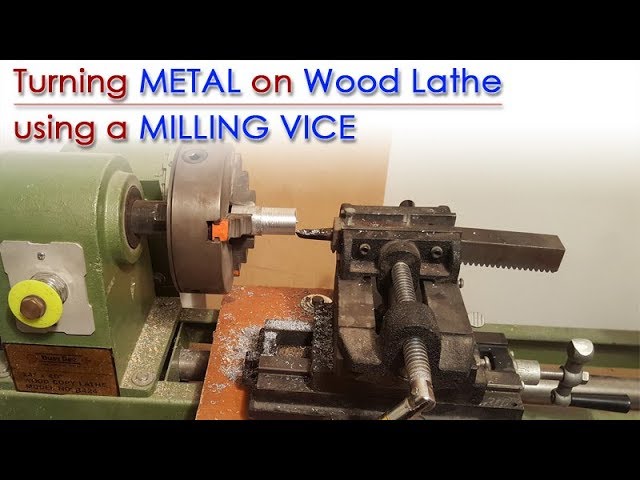
Tools And Techniques: What I Learned The Hard Way
When I first started, I used my regular wood chisels. That was a mistake. The metal was too hard, and my tools got dull fast. I tried sharpening them, but they never cut the same again.
Here’s what actually helps:
- Carbide-tipped Tools: If you really want to try, get a carbide-tipped cutter. These last longer against soft metals.
- Clamp the Tool Rest: Make sure it’s tight. Any flex will cause chatter.
- Take Light Passes: Only remove a tiny amount each time—less than 1 mm.
- Lubricate: Use a little oil to keep things cool and help the tool cut.
- Go Slow: Lower the RPM as much as your lathe allows.
| Action | Result | My Experience |
|---|---|---|
| Carbide tool | Less wear | Lasted 2–3 times longer than HSS |
| High RPM | Overheating | Burned fingers, poor finish |
| Light cuts | Smoother operation | Still rough, but less scary |
| Lubrication | Less heat | Improved tool life |
One insight I didn’t expect: Even a slightly loose tool rest made everything worse. On wood, you can get away with it. On metal, you can’t.
Safety Risks Most People Miss
The first time I tried this, I wore my usual safety glasses. That wasn’t enough. Metal chips fly faster and hotter than wood shavings. I actually got a small burn on my arm from a chip that landed there.
Here’s what I wish I had known:
- Face shield is a must: Glasses protect your eyes, but not your face.
- Gloves are risky: Chips can get caught and pull your hand in.
- Long sleeves help: But avoid loose clothing.
- Fire risk: Tiny chips can spark if you’re cutting too fast.
Wood lathes aren’t built with these dangers in mind. If you push too hard, the workpiece can come loose, and that’s dangerous at high speeds.
Why I Don’t Recommend It For Most People
After all these experiments, I stopped using my wood lathe for metal. The stress on the machine, the poor results, and the safety risks were just too much. Even though I love trying new things, I had to accept the limits of my tools.
If you want to shape metal, it’s much better to save up for a real metal lathe—even a small one. You’ll get better results, more safety, and less frustration.
But if you’re just curious, want to experiment, and have some soft metal scraps, you can try—but take it slow, and know what you’re risking.
When Is It Okay To Use A Wood Lathe For Metal?
There are a few cases where it makes sense:
- Small, non-critical parts: Hobby decorations, lightweight fittings.
- Aluminum or brass only: Never steel or harder.
- No need for accuracy: If you just want a basic shape.
- You accept the risks: Wear protection and go slow.
If you’re making bushings, shafts, or anything that needs to be strong or precise, a wood lathe isn’t the tool for the job.

Common Mistakes I Made (so You Don’t Have To)
Looking back, I realize I made some beginner mistakes. Here’s what I wish someone had told me:
- Forcing the Tool: I pushed too hard, thinking it would cut faster. Instead, it just made things worse.
- Wrong Tools: I used my favorite spindle gouge. It never cut wood the same after.
- Ignoring Speed: I didn’t know that high RPM is dangerous with metal.
- Not Checking Tightness: My chuck came loose once, and the piece flew off.
- No Lubricant: Things got hot, fast. A drop of oil made a big difference.
If you avoid these, you’ll have a safer and less stressful experience.
What If You Need To Do It Anyway?
Sometimes you just need to get a job done and don’t have a metal lathe. Here’s what I would do if I had to turn metal on a wood lathe again:
- Choose aluminum or brass.
- Sharpen your tool often—or use carbide tips.
- Take very light cuts.
- Wear a face shield.
- Keep your work tight and secure.
- Stop often to check for heat and tool wear.
If your wood lathe has a variable speed control, set it as low as possible. If not, be extra careful.
My Honest Verdict: Is It Worth It?
After years of tinkering, I can honestly say that using a wood lathe for metal is possible, but it’s not practical or safe for most people. The machine isn’t designed for it, and you’ll spend more time fighting problems than making progress.
If you want clean, smooth metal parts, a real metal lathe is the only way. It’s an investment, but it opens up a whole new world of projects.
But if you’re like me—curious, careful, and okay with imperfections—then give it a try with soft metal and all the safety gear. Just don’t expect miracles.
If you want to read more about lathe differences, check out this resource from Wikipedia.
Frequently Asked Questions
Can I Use My Wood Lathe To Turn Steel?
No, I don’t recommend it. Steel is too hard for a wood lathe. It can damage your machine, dull your tools, and create safety risks. Even soft steel is a challenge, and the results are usually poor.
What’s The Safest Way To Try Metal On A Wood Lathe?
Use only soft metals like aluminum or brass. Go slow, wear a face shield, and take very light cuts. Make sure everything is tight and secure, and stop often to check for heat.
Will Turning Metal Ruin My Wood Lathe?
It can. Metal chips are harder and can get into bearings and moving parts. The extra force can wear out the motor or bend the tool rest. If you try it, clean your lathe thoroughly afterward.
Do I Need Special Tools To Turn Metal On A Wood Lathe?
Yes, you should use carbide-tipped tools or hardened steel cutters. Regular wood chisels get dull fast and can even break. A little cutting oil also helps.
Is There A Good Beginner Project For Metal On A Wood Lathe?
If you want to experiment, try shaping a small piece of aluminum into a simple knob or handle. Keep the shape basic, use a light touch, and focus on safety.
—
If you’ve ever wondered about mixing wood and metal in your projects, I hope my experience helps you decide. Stay curious—but stay safe!
As an Amazon Associate, We earn from qualifying purchases