
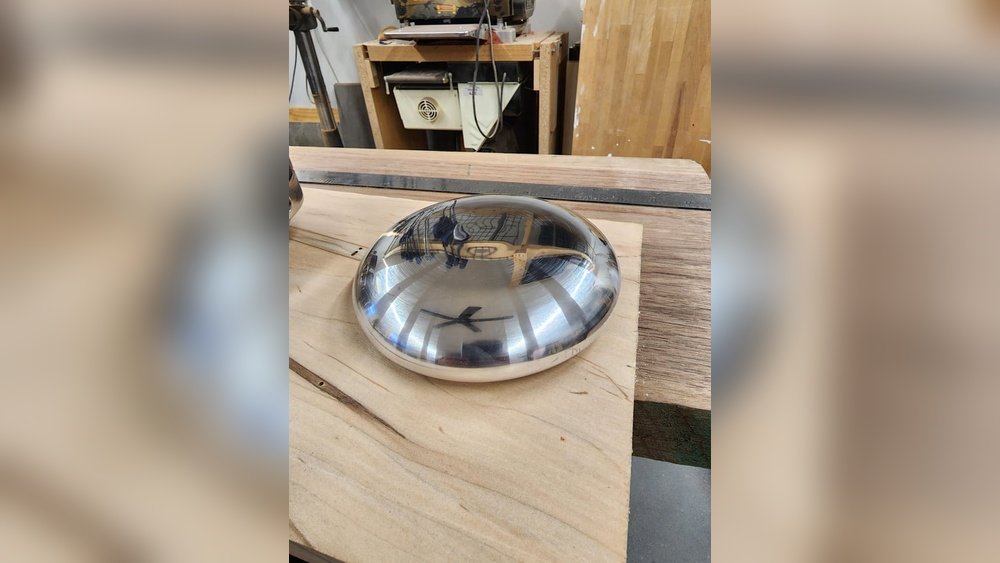
Can You Turn Aluminum on a Wood Lathe? My Hands-On Experience
A while back, I found myself staring at a small block of aluminum in my workshop. I had a trusty wood lathe, some sharp curiosity, and a big question: Can you turn aluminum on a wood lathe? If you’re like me—always ready to try something new—you probably wonder the same thing. I decided to find out for myself. In this article, I’ll walk you through what I learned, what worked, what didn’t, and what you should watch out for if you want to try this at home.
Why Try Turning Aluminum On A Wood Lathe?
I love working with wood, but sometimes, I want to mix things up. Aluminum is everywhere in DIY projects, from custom knobs to small machine parts. The idea of making metal shapes, not just wooden ones, is exciting. But I was nervous.
Lathes are not cheap, and I didn’t want to break mine or hurt myself.
After reading a few forums and watching others online, I noticed people had mixed opinions. Some said “don’t do it,” while others showed off shiny aluminum pens and rings. That’s when I knew I had to try and share my experience.
Is It Possible To Turn Aluminum On A Wood Lathe?
Here’s the honest answer: Yes, you can turn aluminum on a wood lathe—but only with the right setup and a lot of caution. It’s not as easy as turning wood. Aluminum is much harder, and wood lathes are not made for metal. But with patience, the right tools, and good safety habits, you can do small aluminum projects.
Let’s break down what I learned, step by step.

The Main Differences: Wood Lathes Vs. Metal Lathes
Before I started, I wanted to know what makes a wood lathe different from a metal lathe. Here’s what I found:
| Feature | Wood Lathe | Metal Lathe |
|---|---|---|
| Purpose | Shaping wood | Shaping metal |
| Motor Power | Lower (1/2 – 2 HP) | Higher (2+ HP) |
| Speed Range | High (500-4000 RPM) | Lower (50-2000 RPM) |
| Tool Holding | Handheld tools | Tool post, rigid |
| Safety Features | Basic | Guards, emergency stops |
The biggest thing I noticed was wood lathes are built for soft materials. Metal lathes are much heavier and have features for safety and accuracy.
What Type Of Aluminum Works Best?
I learned quickly that not all aluminum is the same. Some types are softer and easier to cut. Others are tough and can damage your tools.
Soft aluminum, like 6061 or 1100 series, works best for wood lathes. I tried both scrap and store-bought bars. Anything harder, like 7075, was much more difficult and not worth the risk.
If you’re not sure what alloy you have, try scratching it with a steel nail. If it scratches easily, it’s probably soft enough.
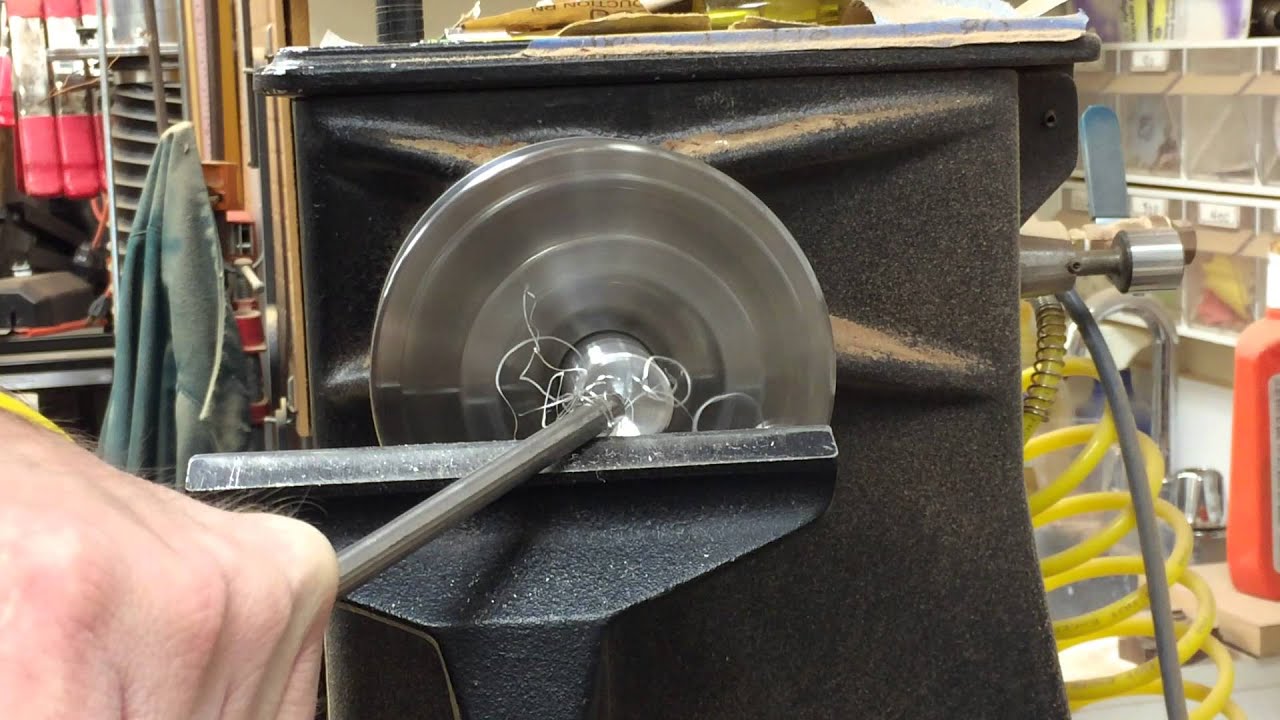
Tools And Accessories You Need
I found that turning aluminum is possible, but you need to use the right tools. Here’s what helped me:
- Carbide-tipped turning tools: These stay sharp longer. My regular HSS (high-speed steel) wood tools dulled fast.
- Small pieces: I only used aluminum pieces under 2 inches across and less than 5 inches long.
- Face shield and safety glasses: Metal chips fly fast and hot. I never skip these.
- Slower speed: I turned my lathe down to 600–1000 RPM. Any higher, the piece got too hot.
- Solid mounting: I used a 4-jaw chuck or drilled a hole for a screw chuck. Aluminum is heavy, so it must be tight.
- Lubricant: I used a little bit of cutting oil. It made a huge difference in keeping things cool and smooth.
How I Turned Aluminum On My Wood Lathe
Here’s how I tackled my first aluminum turning project—a simple pen blank. I’ll break it down into steps you can follow:
1. Preparation
First, I cut my aluminum bar to the right size. I clamped it tightly in my 4-jaw chuck. I made sure it was centered by spinning it by hand before turning on the lathe.
2. Setting Speed And Tools
I set the speed to about 800 RPM. I grabbed my sharpest carbide tool. I put on my face shield and gloves. (I learned quickly to avoid loose sleeves—aluminum shavings can catch on fabric. )
3. Making The First Cuts
I used light, slow cuts at first. Aluminum “sings” when you cut it—if it sounds rough, I stop and check my tool. I always held my tool firmly on the rest, and never forced it.
4. Using Lubricant
Every few passes, I dabbed on some cutting oil. This stopped the aluminum from sticking to the tool or getting too hot.
5. Checking Progress
I stopped often to check my work. Aluminum can grab the tool if it gets too hot or if the tool gets dull. If I saw smoke or felt the piece getting hot, I let it cool.
6. Sanding And Finishing
After shaping, I sanded with fine sandpaper. I wore gloves because the shavings are sharp. I finished with a bit of metal polish for a shiny look.
What Worked Well—and What Didn’t
A few things surprised me. Here are the key lessons I learned:
- Sharp tools are a must. Dull tools chatter and dig in.
- Small cuts work best. Big bites cause the lathe to stall or the piece to fly off.
- Lubricant keeps things cool. Without it, tools gum up fast.
- The lathe vibrates more. Aluminum is heavier, and my wood lathe is lighter. I had to check the bolts often.
- Clean-up takes longer. Metal chips get everywhere, and they’re sharp.
One thing I’ll never forget: during my second try, I got too confident and took a deeper cut. The tool caught, and the aluminum blank spun out of the chuck. It hit the wall hard. No one was hurt, but it scared me. Always start slow!
Comparing Wood And Aluminum Turning
Turning aluminum on a wood lathe is not like turning wood. Here’s a simple comparison from my experience:
| Aspect | Wood | Aluminum |
|---|---|---|
| Tool Wear | Low | High (needs carbide) |
| Cutting Speed | Faster | Slower |
| Heat Buildup | Low | High |
| Chips | Dusty, light | Sharp, hot |
| Finish Quality | Smooth, less sanding | Needs polishing |

Safety Is Everything
This is where I get serious. Turning metal is much riskier than wood. Here’s what I always do:
- Wear a full face shield. Not just goggles. Hot chips bounce.
- No loose clothing or jewelry. It’s not worth the risk.
- Secure the workpiece. I double-check the chuck every time.
- Keep a fire extinguisher nearby. Metal chips and oil can spark.
- Clean up metal dust. Aluminum dust is not good to breathe or leave on the floor.
I also learned that if the lathe feels wrong—too much vibration, weird sounds, or the tool feels stuck—I stop and check everything.
Mistakes I Made (so You Don’t Have To)
I’ve made my share of mistakes, and I want to share them so you can avoid trouble:
- Forgetting to use cutting oil: My tools got hot and dulled in minutes.
- Going too fast: The aluminum blank overheated and burned my fingers.
- Using big pieces: The lathe struggled. Keep your blanks small and light.
- Not cleaning chips often: Shavings clogged the tool rest and made the tool skip.
Projects You Can Try
If you want to try turning aluminum on your wood lathe, start small. Here are a few ideas that worked for me:
- Custom pen blanks: Small and simple.
- Knobs for cabinets or tools: Easy shapes.
- Keychains or small rings: Fun and quick.
- Decorative inserts for wood projects: Adds a touch of metal.
I wouldn’t try anything bigger than 2 inches thick or longer than 5 inches. The risk isn’t worth it.
Essential Tips For Success
After all my tries, here’s my best advice:
- Go slow and steady. Patience is key.
- Use carbide-tipped tools. They last much longer.
- Take tiny cuts. Less than 1/16 inch at a time.
- Use lubricant. Even a little makes a big difference.
- Check everything before you start. A loose chuck can ruin your day.
Two things most beginners miss:
First, aluminum chips are sharp and hot—don’t brush them off with your hand. Use a small brush or vacuum.
Second, aluminum dust is dangerous to breathe. Always work in a well-ventilated space and wear a dust mask.
When Not To Turn Aluminum On A Wood Lathe
Sometimes, the best answer is “don’t. ” If your lathe is small, old, or not built for even light metal work, skip it. If you need to turn big, heavy pieces, use a metal lathe instead. Your safety is more important than any project.
I also avoid turning hard aluminum alloys. They just don’t cut well, and the risk of breaking tools or the lathe is high.
The Bottom Line: Should You Try It?
So, can you turn aluminum on a wood lathe? Yes, but with limits. For small projects, it’s possible if you’re careful. For big or tough jobs, stick with wood or get a metal lathe.
I still use my wood lathe for the occasional aluminum knob or pen. It opens up new ideas for projects, and I love how a little bit of metal can make a wooden piece look unique.
If you want to learn more about the science behind metalworking, check out this Wikipedia article on lathes.
Frequently Asked Questions
Is It Safe To Turn Aluminum On A Wood Lathe?
It can be safe for small, soft pieces if you use the right tools and take safety seriously. Always wear a face shield, use sharp carbide tools, and keep the speed low.
What Type Of Aluminum Is Easiest To Turn?
Soft alloys like 6061 or 1100 series aluminum work best. Harder types are difficult to cut and can damage your tools or lathe.
Do I Need Special Tools?
Yes. Use carbide-tipped turning tools. High-speed steel wood tools dull too fast and may chip.
Can I Turn Other Metals On A Wood Lathe?
I don’t recommend it. Aluminum is one of the softest metals. Brass or steel are much harder and can damage your lathe or hurt you.
How Do I Clean Up Aluminum Chips Safely?
Let the chips cool, then use a small brush or shop vacuum. Never use your hands—chips are sharp and can cut you.
Turning aluminum on a wood lathe is a fun challenge if you’re careful and prepared. If you’re like me, you’ll learn a lot and open up new creative possibilities. Just remember—safety first, always.
As an Amazon Associate, We earn from qualifying purchases