
Finding a stud behind stucco isn’t as simple as it sounds. I learned this the hard way when I wanted to hang a heavy mirror on my living room wall. My first attempts were frustrating. I tried to use a regular stud finder, but all I got was false signals and confusion.
The wall felt solid, but I had no idea what was behind that rough stucco surface. Through plenty of trial and error (and a few small holes I had to patch), I figured out what works. If you’re in the same boat, don’t worry.
I’ll share what I’ve learned, step by step, so you can find those hidden studs without turning your wall into Swiss cheese.
Why Finding A Stud Matters
When you want to hang something heavy, like a TV or shelves, you need to anchor it to a stud. Drywall and stucco aren’t strong enough on their own. If you miss the stud, your item could fall and cause damage. I once tried to hang a shelf just in the stucco, and the screws pulled out after a week. Lesson learned! Finding the stud is key for safety and a clean look.
Understanding Stucco Walls
Stucco is tough and bumpy. It’s used on both the inside and outside of homes, especially in hot or dry places. On the inside, stucco is often applied over drywall or wood lath. On the outside, it covers a layer of plywood or other sheathing. Behind that, you’ll find wooden or metal studs, usually spaced 16 or 24 inches apart. The problem is, stucco hides everything. The texture makes it hard to use regular tools, and tapping the wall doesn’t always help.
The Tools I Used (and Which Ones Worked Best)
Over time, I tried all sorts of tools and tricks. Some worked well, others didn’t.
| Tool | How Well It Worked | My Experience |
|---|---|---|
| Electronic Stud Finder | Sometimes worked | Gave false signals on thick stucco |
| Magnetic Stud Finder | Worked better | Found screws or nails in studs |
| Tapping/Knocking | Not reliable | Hard to hear changes through stucco |
| Drill with Small Bit | Always works (but leaves a hole) | Best way to confirm a stud |
| Wire Hanger Probe | Works with care | Good for double-checking |
Step-by-step: How I Find A Stud Behind Stucco
Let me walk you through my method. This is what finally worked for me after lots of mistakes.
1. Look For Clues
Before grabbing any tools, I scan the wall for clues. Electrical outlets and light switches are almost always attached to a stud. I remove the cover plate and look to the side of the box to see which direction the stud is. The box is usually nailed or screwed into the stud on one side. If I can find one stud, I know others are 16 or 24 inches apart from it, depending on the house.
2. Use A Magnetic Stud Finder
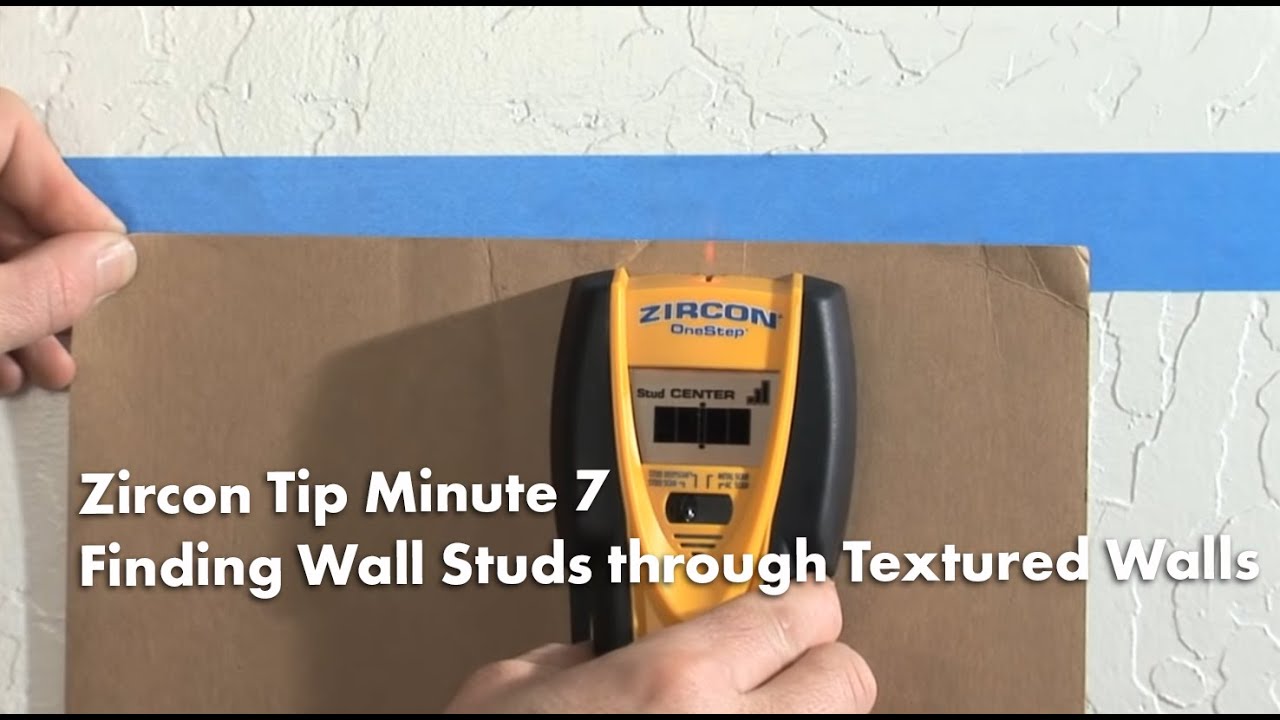
Electronic stud finders often get confused by the uneven stucco. What worked better for me was a small magnetic stud finder. It’s cheap and simple. I slowly move it across the wall in horizontal lines. When it sticks or reacts, I know there’s a screw or nail underneath. That usually means I’ve found the edge of a stud. Sometimes I mark a few spots up and down the wall to be sure the stud runs vertically.
3. Try The Tap Test (with Caution)
Some people swear by tapping the wall to find the hollow spots. I’ve found this doesn’t work well with thick stucco. The sound difference is subtle. If you want to try, use your knuckles or a small hammer. Listen for a solid sound (stud) versus a hollow echo (no stud).
But trust your tools more than your ears here.
4. Drill A Small Test Hole
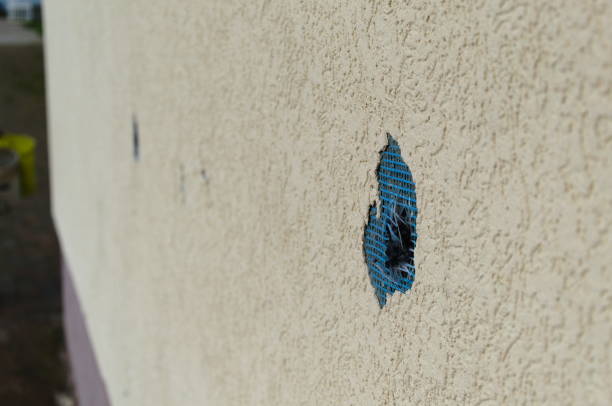
Once I think I’ve found a stud, I use a 1/16-inch drill bit to make a test hole. Stucco is tough, so go slow. If the bit suddenly gets easier to push, you’ve hit the space between studs. If it keeps resisting and you feel wood, you’re on the stud. I patch these tiny holes with a bit of spackle if I’m off. It’s much easier to repair than a big hole.
5. Probe With A Bent Wire Hanger
If I’m still not sure, I use a bent wire hanger. I make a small hole just big enough for the wire. Then I poke the wire left and right inside the wall to feel for the sides of the stud.
This works well to confirm the stud’s position before drilling a larger hole.
6. Measure The Spacing
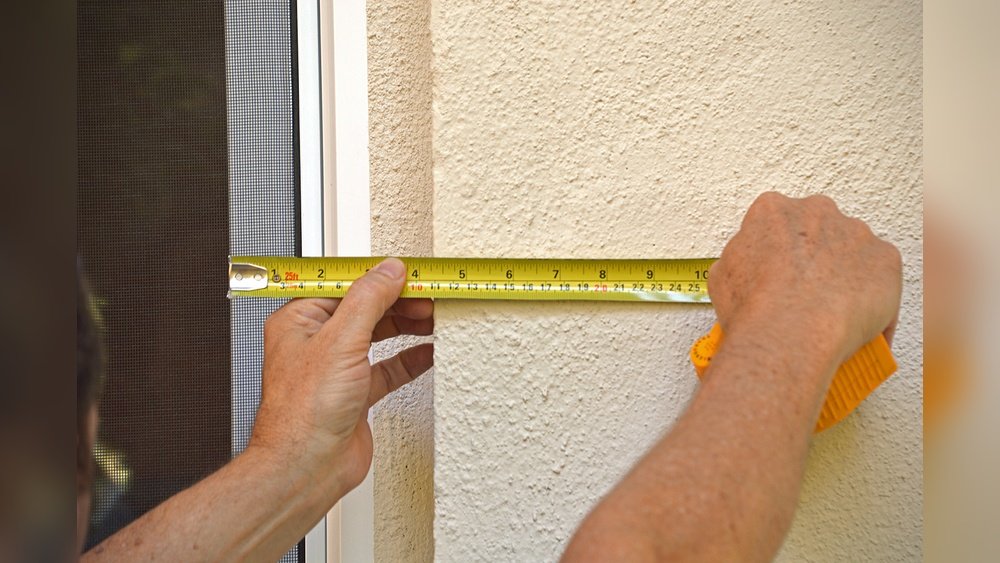
Once I find one stud, I use a tape measure to check for the next. Most homes use a 16-inch center-to-center spacing, but some use 24 inches. I measure from the center of the first stud and mark the likely spots for the next ones. I repeat the same process to double-check.
What If You Have Metal Studs?
In my last apartment, I discovered the walls had metal studs. These feel different when you drill into them. The magnetic finder works, but the resistance is less than with wood. Use self-tapping screws if you need to hang something on metal studs. They grip better and won’t strip out as easily. Also, avoid heavy loads unless you use special anchors made for metal.
Dealing With Exterior Stucco Walls
Exterior stucco is even trickier. It’s usually thicker and covers a layer of foam or mesh. Electronic stud finders rarely work here. I had to use a magnetic finder and sometimes drill small pilot holes to be sure. Always seal any holes you make with exterior caulk to keep out water. And if you’re not sure, check building plans or talk to a pro. Some exterior walls hide pipes or wires.
Mistakes I Made (so You Don’t Have To)
I’ve made plenty of mistakes finding studs in stucco. Here are a few things I wish I’d known sooner:
- Don’t trust electronic stud finders alone. Always double-check with a magnet or a drill.
- Don’t drill large holes first. Start small to avoid big repairs.
- Don’t assume all studs are spaced the same. Old homes can be unpredictable.
- Don’t ignore the risk of hitting wires or pipes. If you feel something soft or see dust that’s not wood, stop and check.
- Don’t skip patching holes. Even small holes can let moisture in, especially outside.
Comparing Stud Finders For Stucco Walls
Based on my experience, here’s how different stud finders stack up for stucco:
| Stud Finder Type | Works on Stucco? | Accuracy | Best Use |
|---|---|---|---|
| Electronic | Sometimes | Low-Medium | Thin interior stucco |
| Magnetic | Yes | High | Most stucco walls |
| Manual (Knocking) | No | Low | Not recommended |
| Visual Clues | Sometimes | Medium | Outlets, switches |
Practical Tips For Smooth Results
Over the years, a few simple tips have made my projects much smoother:
- Mark lightly: Use a pencil to mark stud locations. It’s easy to erase.
- Patch holes: Keep spackle and sandpaper handy for repairs.
- Use the right anchors: For heavy items, use lag bolts or specialty anchors made for stucco and wood.
- Double-check before drilling: If you’re not certain, probe again.
- Wear safety glasses: Drilling through stucco can send bits flying.
A non-obvious tip: If you’re doing a lot of work on stucco, buy a carbide-tipped masonry bit for your drill. Regular bits dull fast. Also, if you plan to paint, patch and sand any test holes right away. Stucco dust can stain paint if left too long.
Why Stud Placement Can Vary
Not all homes are the same. In older houses, stud spacing can be inconsistent. Sometimes, you’ll find a stud only 12 inches from the last one, or a double stud near windows and doors. Always measure and check each spot.
Don’t assume regular spacing until you confirm it.
Some newer homes use metal studs or even advanced framing, which changes the rules. If you’re unsure, it helps to check the attic or basement to see how the walls are built. I’ve crawled into crawlspaces more than once just to satisfy my curiosity!
When To Call A Professional
There are times when it’s smarter to call a pro. If you need to hang something very heavy, like a large TV or cabinets, or if you’re not sure about what’s in the wall, get help. Professionals have special tools, like thermal cameras and advanced scanners, that can see through stucco.
They can also handle repairs if you hit something unexpected.
For more detail on wall types and stud spacing, Wikipedia offers a good overview.
Frequently Asked Questions
How Do I Know If There Are Pipes Or Wires Behind My Stucco Wall?
If you’re worried about pipes or wires, start by checking near outlets and switches. Use a voltage detector to check for live wires. Pipes are usually found in kitchens and bathrooms. If your drill or probe hits something soft or unusual, stop right away.
Can I Use A Regular Stud Finder On Stucco?
You can try, but most regular stud finders struggle with thick stucco. Magnetic stud finders work better because they react to screws or nails, not just density.
What Anchors Should I Use For Heavy Items On Stucco?
For heavy items, use lag bolts or special anchors made for stucco and wood. For exterior walls, make sure the anchor is rated for outdoor use and water-sealed.
What If My Wall Has Metal Studs?
If you find metal studs, use self-tapping screws and avoid over-tightening. Heavy loads may need special anchors or extra support.
How Do I Repair Holes In Stucco After Testing For Studs?
For small holes, fill them with spackle or exterior caulk. Let it dry, then sand and repaint. For larger holes, use a patch kit made for stucco or plaster.
Finding a stud behind stucco can be tricky, but it’s not impossible. With patience and the right tools, you’ll get the job done and keep your walls looking great. My experiences have taught me to go slow, double-check, and always patch up after myself.
Good luck with your next project!

As an Amazon Associate, We earn from qualifying purchases