
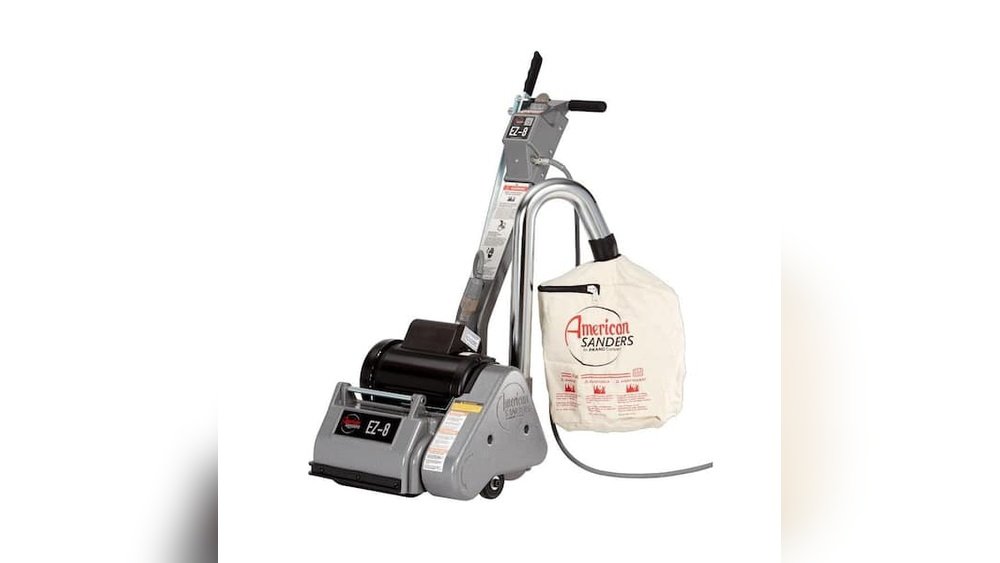
Renting a floor sander was one of those jobs that looked simple before I started. I thought I’d just pick one up, sand the floor, and return it. But as I got into the process, I realized there’s a lot more to it—especially when it comes to costs. If you’re thinking about how much to rent a floor sander, I want to share what I learned from my own experience. I’ll walk you through prices, what affects the cost, and a few things I wish I’d known before I started.
Why Rent A Floor Sander?
When I first saw my scratched, dull wooden floor, I knew it needed help. Hiring a pro was expensive, and I wanted to save money. Renting a floor sander let me do the job myself, and I learned a lot in the process.
Plus, seeing the floor come back to life felt rewarding.
But before I rented, I had a lot of questions. How much would it really cost? Would there be surprise fees? And what extras would I need?
Types Of Floor Sanders You Can Rent
The type of floor sander you pick changes the price. Here are the main types I saw at rental shops:
- Drum Sanders – These are heavy-duty machines for removing thick layers or deep scratches. They work fast, but you have to be careful. If you stop moving, you can gouge the wood.
- Orbital (or Random Orbital) Sanders – These are easier to use and less likely to damage your floor. They’re good for light sanding or finishing.
- Edge Sanders – These reach into corners and along walls where big machines can’t go.
Most rental shops offer all three. Some let you rent them as a bundle at a discount. It’s smart to ask, because sanding a whole room usually needs both a main sander and an edger.
How Much Does It Cost To Rent A Floor Sander?
Let’s get to the numbers. When I called around, the prices changed from store to store. I checked big home improvement chains, small local shops, and even tool rental centers. Here’s what I found for a one-day rental:
| Sander Type | Average Daily Cost (USD) | Weekend Rate (2 days) |
|---|---|---|
| Drum Sander | $50 – $70 | $90 – $130 |
| Orbital Sander | $40 – $60 | $70 – $110 |
| Edge Sander | $30 – $45 | $50 – $80 |
If you need the machine for longer, many shops offer a weekly rate, which often saves money if your project might take several days.
Real-world Example
I rented a drum sander from a big box store for $65 per day. The edge sander was $35 extra. I kept both overnight for a weekend rate of $120 total. Prices can be a little lower in smaller towns.
What Affects The Rental Price?
At first, I thought the price on the website was the whole story. But there are extra costs to watch for:
- Location – Big cities often have higher prices. Small towns can be cheaper.
- Machine Age and Condition – Newer machines may cost more, but they work better and are easier to use.
- Rental Time – Renting for a week costs less per day than a single day.
- Deposit – Most shops ask for a deposit (mine was $100) which you get back if you return the sander clean and on time.
Don’t forget to ask about fees for late returns. One shop I called charged $25 for every extra hour!
Extra Costs You Should Expect
This is where I made a mistake. I budgeted for the sander itself, but not for the “extras.” Here’s what I wish I’d known:
Sandpaper
You need special sandpaper for each type of sander. Rental stores sell these separately. You’ll use several grits, starting with coarse and moving to fine.
| Sandpaper Grit | Typical Uses | Average Price per Sheet |
|---|---|---|
| 24 – 36 (Coarse) | Removing old finish | $5 – $8 |
| 60 – 80 (Medium) | Smoothing scratches | $5 – $8 |
| 100 – 120 (Fine) | Finishing pass | $5 – $8 |
For my living room (about 250 square feet), I used three sheets of each grit, costing $45 total. If your floor is bigger or has lots of old finish, you’ll need more.
Vacuum Bags
Some sanders need dust bags or vacuum bags. These are often sold separately. Each bag was $6 at my rental shop. I needed two.
Extension Cords
Heavy-duty extension cords sometimes cost extra. Most rental shops offer one free, but it’s best to check.
Cleaning Fees
If you return the sander with dust or old finish stuck to it, some shops charge a cleaning fee ($10–$20). I cleaned mine well and avoided this.
Damage Fees
This is the one that made me nervous. If you break a belt or damage the sander, you pay for repairs. Read the rental agreement and ask questions.
How To Save Money On A Floor Sander Rental
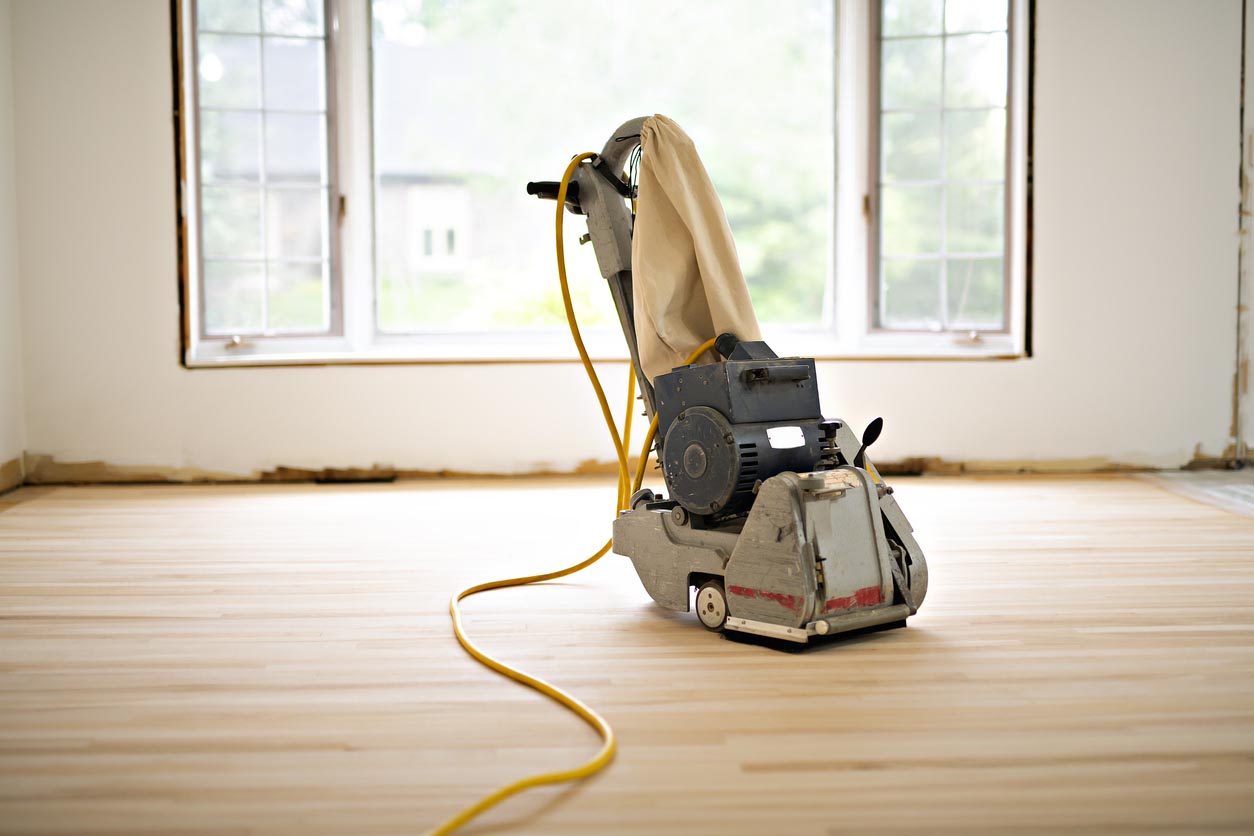
After my first rental, I picked up some tricks to lower the cost:
- Plan your work – Move furniture and prep the room before you pick up the sander. This saves rental time.
- Rent during slow days – Some shops offer mid-week discounts.
- Bundle rentals – Renting both drum and edge sanders together usually gets a lower price.
- Share with a neighbor – If you and a neighbor both need to sand, split the cost and work together.
Other Things To Consider Before Renting
There are a few things I learned the hard way that might help you:
Machine Weight
Drum sanders are heavy. I struggled getting it into my car. Some rental shops will help load, but not all. Make sure your vehicle is big enough and ask for help if you need it.
Learning Curve
Using a floor sander isn’t as easy as it looks. Watch videos, read the manual, and practice on a scrap piece of wood if you can. I made a small gouge my first time, but I learned fast.
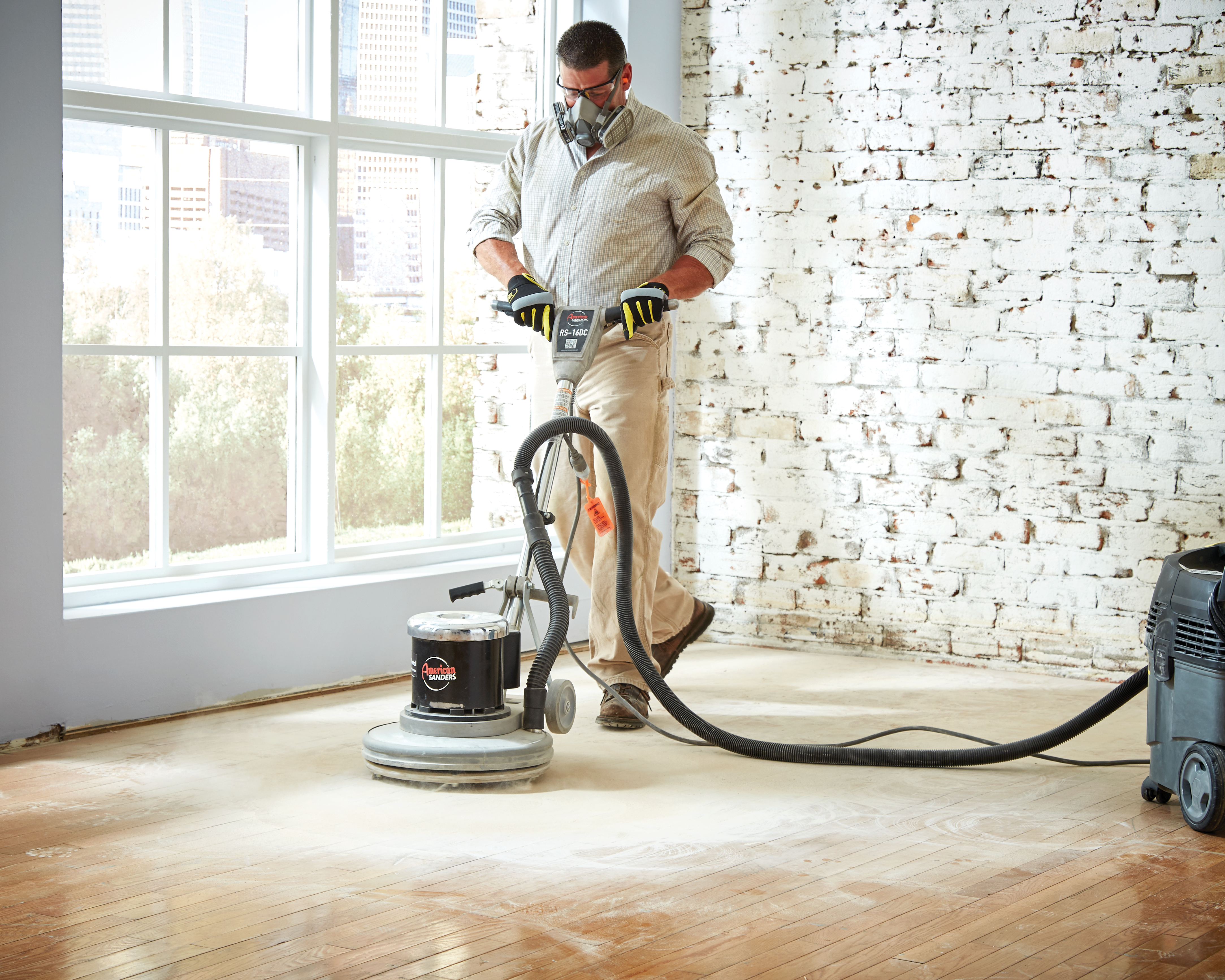
Safety Gear
You’ll want ear protection, a dust mask, and safety goggles. The machines are loud and make a lot of dust. My clothes were covered!
Comparing Big Rental Chains Vs. Local Shops
I tried both large chains (like Home Depot or Lowe’s) and small local tool rental shops. Here’s what I found:
| Feature | Big Chain | Local Shop |
|---|---|---|
| Price | Often higher, but predictable | Lower, but can vary more |
| Machine Condition | Usually newer | Sometimes older |
| Advice | Basic instructions | Personal tips, more helpful |
| Availability | Better for last-minute needs | May need to reserve ahead |
If you’re new to sanding, a local shop’s personal advice is worth a lot. One worker even walked me through how to change the sandpaper and gave tips for tricky corners.
Real Mistakes And Insights From My Experience
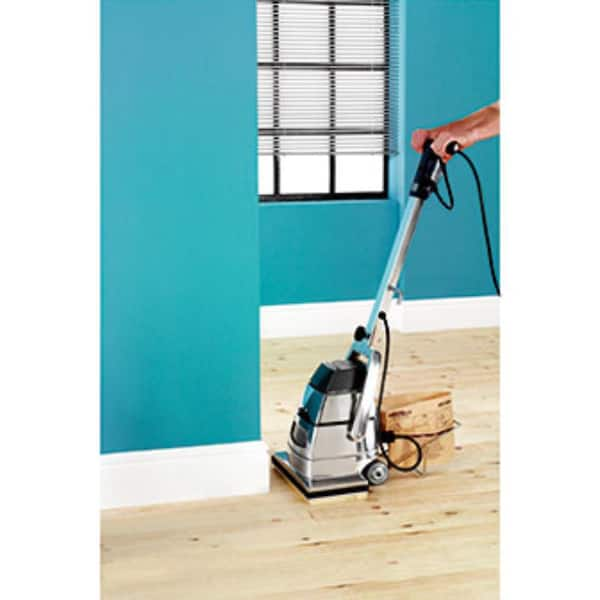
I made a few mistakes that cost me time and a little money. Here’s what I learned:
- Underestimating time: I thought I could finish in a few hours. But after moving all the furniture and making my first pass, I needed more time. Always give yourself extra hours, especially if it’s your first time.
- Not buying enough sandpaper: I ran out halfway through and had to rush back to the store. Buy a little extra—you can return unused packs at most shops.
- Skipping safety gear: The dust was worse than I expected. Don’t skip the mask and goggles.
- Forgetting to check my floor: I didn’t notice a few nails sticking up. The sander hit one, which could have damaged the machine and the floor. Always check for nails and staples before you start.
Should You Rent Or Hire A Pro?
If you have a small room and some patience, renting makes sense and saves money. For bigger jobs or if the floor is in bad shape, hiring a pro might actually be cheaper when you count your time and effort.
I did one room myself, but for the whole house, I’d call a professional.
)
How To Rent A Floor Sander: Step-by-step
If you’re ready to rent, here’s what worked for me:
- Measure your space – Know your square footage so you can buy enough sandpaper.
- Call rental shops – Check prices, hours, and if they have the sander you need.
- Reserve the machine – Especially on weekends, sanders can be booked.
- Pick up gear – Bring ID, a credit card for the deposit, and a big enough car.
- Ask for a demo – Have them show you how to turn on, change sandpaper, and empty the dust bag.
- Inspect the sander – Note any damage before you leave.
- Return clean and on time – To avoid extra fees.
Hidden Benefits Of Doing It Yourself
After I finished, I felt proud of the work. My floor looked almost new, and I saved hundreds of dollars. The process was noisy and dusty, but I learned skills I can use again. Plus, if a friend asks, I have real advice to offer!
Frequently Asked Questions
How Much Does It Cost To Rent A Floor Sander Per Day?
Most rental shops charge $40 to $70 per day for a main sander. Edge sanders are extra. Always ask about deposits and extra fees before you rent.
Do I Need To Rent Both A Drum Sander And An Edge Sander?
If you want the floor to look even, yes. The main sander can’t reach into corners or along walls. I rented both and was glad I did.
How Much Sandpaper Will I Need?
For a standard room (about 250 square feet), expect to use 2–4 sheets per grit. It depends on the floor’s condition. Buy a little extra—you can often return unused packs.
Can I Use A Regular Extension Cord?
You’ll need a heavy-duty cord that can handle the power. Most rental stores include one, but check before you go.
Is It Cheaper To Hire A Pro Or Rent And Do It Myself?
Renting is usually cheaper for small jobs. But if you have a large area or lots of repairs, a pro might be worth the cost. For more on this, check out Family Handyman’s guide.
Sanding my own floor was hard work, but it was worth it. If you plan ahead and know the real costs, you can do a great job without breaking the bank. Good luck—and don’t forget the dust mask!
As an Amazon Associate, We earn from qualifying purchases