
Sanding aluminum edges might sound simple, but it took me a few tries to get it right. When I first started working with aluminum, I wanted clean, smooth edges, but I kept ending up with scratches or uneven spots. Over time, I learned a lot by trial and error.
Now, I want to share everything I know with you, so you can avoid the mistakes I made. If you want your aluminum edges to look professional, read on. I’ll walk you through what tools to use, how to prepare, every step of the sanding process, and even some tips that most people miss.
Why Sanding Aluminum Edges Matters
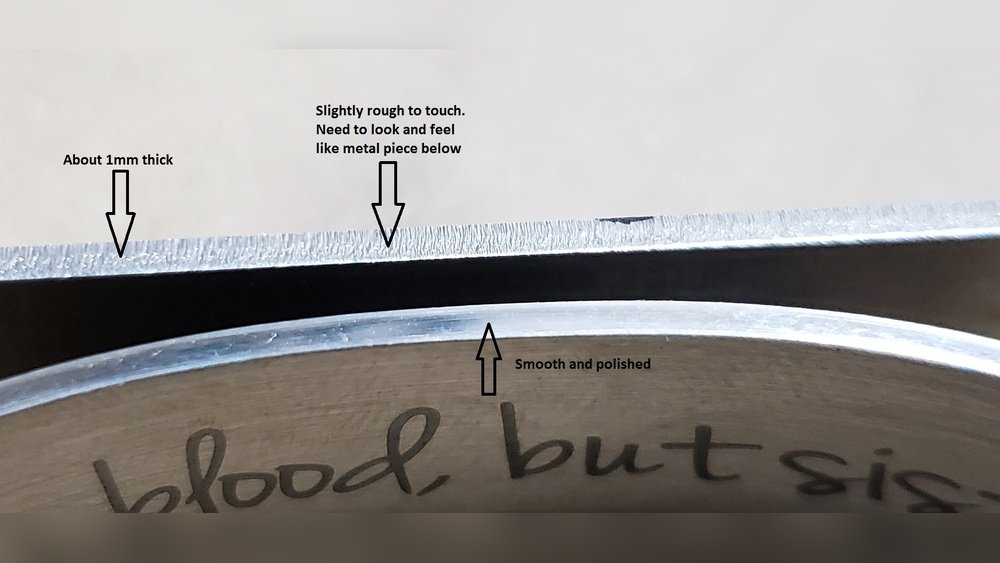
When you cut aluminum, sharp or rough edges are almost always left behind. These can be dangerous—I’ve cut myself more than once because I rushed this step. But it’s not just about safety. Clean edges make any project look better.
If you’re making a frame, sign, or even a simple bracket, smooth edges show you care about your work. Plus, sanding helps paint and coatings stick better. I learned this the hard way when paint peeled off a rough surface I hadn’t sanded well enough.
Tools And Materials You’ll Need
Before you start, gather the right tools. The wrong tool can waste your time or even ruin the metal. Here’s what I use:
- Aluminum piece – The object you want to sand.
- Sandpaper – Get several grits: 120, 220, 400, and 600. For a mirror finish, add 1000 or 2000 grit.
- Sanding block – Helps keep pressure even.
- File – Flat and half-round files are best for rough edges.
- Masking tape – Protects areas you don’t want scratched.
- Clamps or vice – To hold your piece steady.
- Safety gear – Gloves, dust mask, and safety glasses.
- Soft cloth – For wiping dust.
- Water spray bottle – Wet sanding reduces dust and scratches.
- Ruler or straight edge – For checking straightness.
Using the right tools made my work cleaner and much faster. Don’t skip on safety gear—aluminum dust is not something you want in your eyes or lungs.
Preparing Your Workspace
I always start by setting up a clean workspace. Aluminum dust can be messy, so I clear away anything that can get dirty. If you’re working inside, lay down old newspaper or a drop cloth. Good lighting helps spot scratches or missed spots.
I clamp my aluminum piece to a sturdy table. If it moves during sanding, the edges can get uneven.
Next, I use masking tape to cover areas I don’t want to scratch. This is especially useful if you’re sanding a small section or working near a finished surface. Trust me, it’s much easier to tape first than to fix scratches later.
The Sanding Process: Step-by-step
Step 1: Start With Filing (if Needed)
If your aluminum piece has very sharp or jagged edges after cutting, start with a file. I use a flat file for straight edges and a half-round file for curves. Hold the file at a slight angle and push in one direction. Don’t go back and forth—that can dig grooves into the metal. After a few passes, check the edge with your finger (carefully). If it feels smooth, you’re ready for sandpaper.
Step 2: Begin With Coarse Sandpaper (120 Grit)
I always start with 120 grit sandpaper if the edges are rough. Wrap the sandpaper around a sanding block. This helps keep the edge straight and even. Sand in one direction, following the edge. Don’t press too hard—let the sandpaper do the work. After a few strokes, check your progress. If you see deep scratches, keep going until they fade.
Step 3: Move To Medium Grit (220 Grit)
Once the edge feels better, I switch to 220 grit. This smooths out the deeper scratches from the coarse grit. Sand in the same direction, but use lighter pressure. Sometimes, I use a water spray to keep dust down and get a smoother finish. Wipe away dust with a soft cloth to see your progress.
Step 4: Finer Sanding (400 And 600 Grit)
Next, I go to 400 grit. This is where the edge starts to look nice. Sand in gentle, even strokes. For a really smooth finish, I move up to 600 grit. At this stage, I always use a little water. Wet sanding helps prevent clogging and gives a more polished look.
Step 5: Polishing For A Mirror Edge (optional)
If you want your aluminum to shine, keep going with 1000 or 2000 grit sandpaper. I use circular motions and plenty of water. It takes time, but the result is worth it. The edge will look almost like a mirror. For extra shine, you can use a bit of metal polish and a soft cloth.
Step 6: Final Inspection And Clean-up
After sanding, I run my finger along the edge. If it feels smooth and I can’t see scratches, I’m done. If you see any rough spots, go back a step or two. Wipe everything down with a clean, damp cloth.
This removes all dust and grit before you paint or assemble your project.
Wet Vs. Dry Sanding: What’s Best?
I used to only sand dry, but I learned that wet sanding has big advantages. Wet sanding means spraying water on the sandpaper or metal as you work. This reduces dust and makes the finish smoother. I noticed fewer scratches when I switched to wet sanding, especially with finer grits.
Here’s a quick comparison:
| Type | Pros | Cons |
|---|---|---|
| Wet Sanding | Less dust, smoother finish, less clogging | Messier, needs clean-up |
| Dry Sanding | Faster setup, good for rough sanding | More dust, can scratch more easily |
I use dry sanding for the first rough passes, then switch to wet sanding for a better finish.
Common Sanding Mistakes (and How I Fixed Them)
When I first started, I made a lot of mistakes. Here are a few you can avoid:
- Skipping grits – I used to jump from coarse to fine sandpaper, but this left deep scratches. Always work through each grit.
- Pressing too hard – This can gouge the aluminum. Use light, steady pressure.
- Not cleaning between grits – Dust and grit can scratch your work. Wipe the surface after each step.
- Sanding too fast – Rushing leads to uneven edges. Take your time.
- Ignoring safety gear – I once got metal dust in my eye. Always wear goggles and a mask.
One extra tip: if you’re sanding a long edge, check with a ruler often. Sometimes, I sanded too much from one spot and ended up with a wavy edge.
Choosing The Right Sandpaper Grit
Grit numbers can be confusing at first. Here’s a quick guide I use:
| Grit | Best Use | Result |
|---|---|---|
| 80-120 | Removing rough edges | Fast but scratches visible |
| 220-320 | Smoothing out scratches | Cleaner, finer surface |
| 400-600 | Prepping for polish or paint | Very smooth |
| 1000+ | Mirror finish | Shiny, reflective |
I always start with the lowest grit needed and move up one step at a time.
When To Use Power Tools
Most of the time, I use hand sanding for small projects. But if you have a lot of edges to sand, a power sander can save time. I use a small orbital sander for large, flat edges. For curves, a rotary tool with a sanding drum works well.
But be careful—power tools can remove metal fast. I once ruined a piece by sanding too long in one spot. Go slow and check your work often.
Here’s a quick look at hand vs. power sanding:
| Method | Best For | Control | Speed |
|---|---|---|---|
| Hand Sanding | Small pieces, detailed work | High | Slower |
| Power Sanding | Large surfaces, many edges | Medium | Faster |
If you’re new to aluminum, I recommend starting by hand. You’ll make fewer mistakes and learn how the metal feels.
Polishing After Sanding
After I finish sanding, sometimes I want the edge to really shine. A little metal polish and a soft cloth go a long way. I put a small dab on the edge and rub in small circles. After a few minutes, I buff it with a clean cloth. This removes any haze and gives the edge a mirror look.
For big projects, a polishing wheel saves time. But for most jobs, hand polishing works fine.
Safety Tips I Learned The Hard Way
Aluminum dust is very fine. It’s easy to breathe in or get in your eyes. I always wear a dust mask and safety glasses. Gloves help prevent cuts, especially on sharp edges. If you’re wet sanding, the surface gets slippery, so keep a firm grip on your work.
I also learned to clean up right after sanding. Aluminum dust can stain clothes and floors. A vacuum and damp cloth work best.

Cleaning Up And Protecting Your Work
After sanding, it’s important to clean your aluminum. I wipe it with a damp cloth to remove all dust. For painted or coated projects, I also use a little rubbing alcohol to make sure the surface is oil-free.
If you’re not painting right away, consider applying a light coat of machine oil to protect against oxidation. This is especially helpful in humid areas.
Two Insights Most Beginners Miss
First, always sand in the direction of the edge. When I sanded in circles or across the edge, I got scratches that were hard to remove. Following the edge gives a cleaner look.
Second, temperature matters. Aluminum heats up fast when sanding, especially with power tools. If it gets too hot, it can warp or discolor. I take breaks or use water to keep it cool.
For more on metal finishing, you can check out this Wikipedia metalworking guide.
Frequently Asked Questions
What Kind Of Sandpaper Is Best For Aluminum Edges?
Use aluminum oxide or silicon carbide sandpaper. These are tough enough for metal but won’t wear out quickly. Avoid regular wood sandpaper; it clogs too fast.
Can I Sand Aluminum Edges Without A Sanding Block?
You can, but a sanding block helps keep the edge straight. If you use your fingers, the edge can get wavy or rounded. I always use a block for best results.
How Do I Prevent Scratches When Sanding Aluminum?
Work through each grit, clean the surface between steps, and use wet sanding for fine finishes. Don’t skip grits, and always sand in the direction of the edge.
Is It Safe To Use Power Sanders On Aluminum?
Yes, but go slow. Power sanders remove metal quickly. Check your work often, and use light pressure to avoid uneven edges or overheating the metal.
Do I Need To Seal Or Coat Aluminum After Sanding?
If you want to prevent oxidation or add color, yes. Use a clear coat, paint, or light oil. Bare aluminum can dull or stain if left exposed, especially outdoors.
Sanding aluminum edges might look easy, but getting a clean, professional finish takes practice and patience. With the right tools and steps, you’ll get results you’re proud of—and maybe avoid a few mistakes that I made along the way.
As an Amazon Associate, We earn from qualifying purchases