
Can A Dremel Cut Metal? My Real-world Experience Explained
When I first got my Dremel rotary tool, I was excited but also a little nervous. I had seen so many videos about its power and flexibility, but I wondered—can a Dremel really cut metal? I needed to trim some bolts and old pipes in my house, and I didn’t want to buy a big, noisy saw. So, I decided to put my Dremel to the test. In this article, I’ll share everything I learned, from choosing the right accessories to avoiding common mistakes. If you’re thinking about using a Dremel for metal projects, you’ll find all the answers here.
What Is A Dremel And Why People Love It
A Dremel is a small handheld rotary tool. You can use it for cutting, grinding, sanding, polishing, and many other tasks. What makes a Dremel special is its speed and the many attachments you can use. I love how it fits in my hand and feels safe, even when I’m cutting hard materials.
People, including me, like Dremel tools because:
- They are light and easy to control.
- They have a high-speed motor.
- You can find many types of bits and discs.
- They don’t take up much space.
Dremel tools work well for crafts, repairs, and even some DIY metalwork. But can they really handle cutting metal? Let’s dig into my experience.
The Short Answer: Yes, A Dremel Can Cut Metal
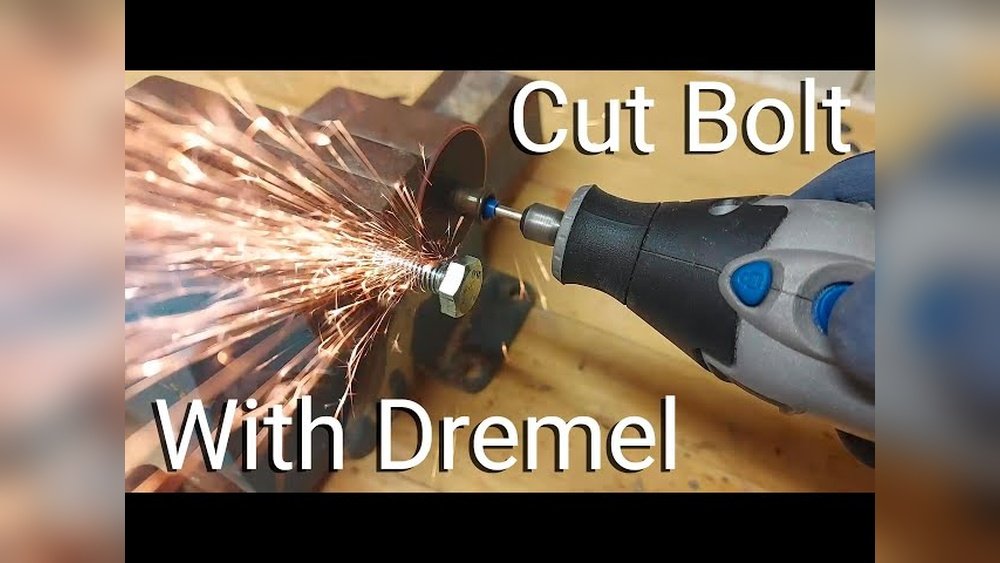
I’ll get right to the point. A Dremel can cut metal. But, there are some things you should know first. The tool is best for thin metal, like sheet metal, bolts, screws, or small pipes. If you try to cut thick steel bars or large pipes, you’ll quickly see the limits. For small jobs, though, it’s a lifesaver.
Here are some metals I’ve cut with my Dremel:
- Aluminum window frames
- Steel screws and bolts
- Copper pipes
- Brass rods
The results were clean and neat—when I used the right accessories and took my time.

Choosing The Right Cutting Disc
The secret to cutting metal with a Dremel is using the right cutting disc. Over the years, I’ve tried several types. Let me explain what works and what doesn’t.
Types Of Cutting Discs For Metal
There are two main types you’ll find:
- Fiberglass-reinforced cut-off wheels: These are the best for metal. They last longer and don’t break as easily.
- Regular thin cut-off wheels: These work, but they can shatter if you push too hard.
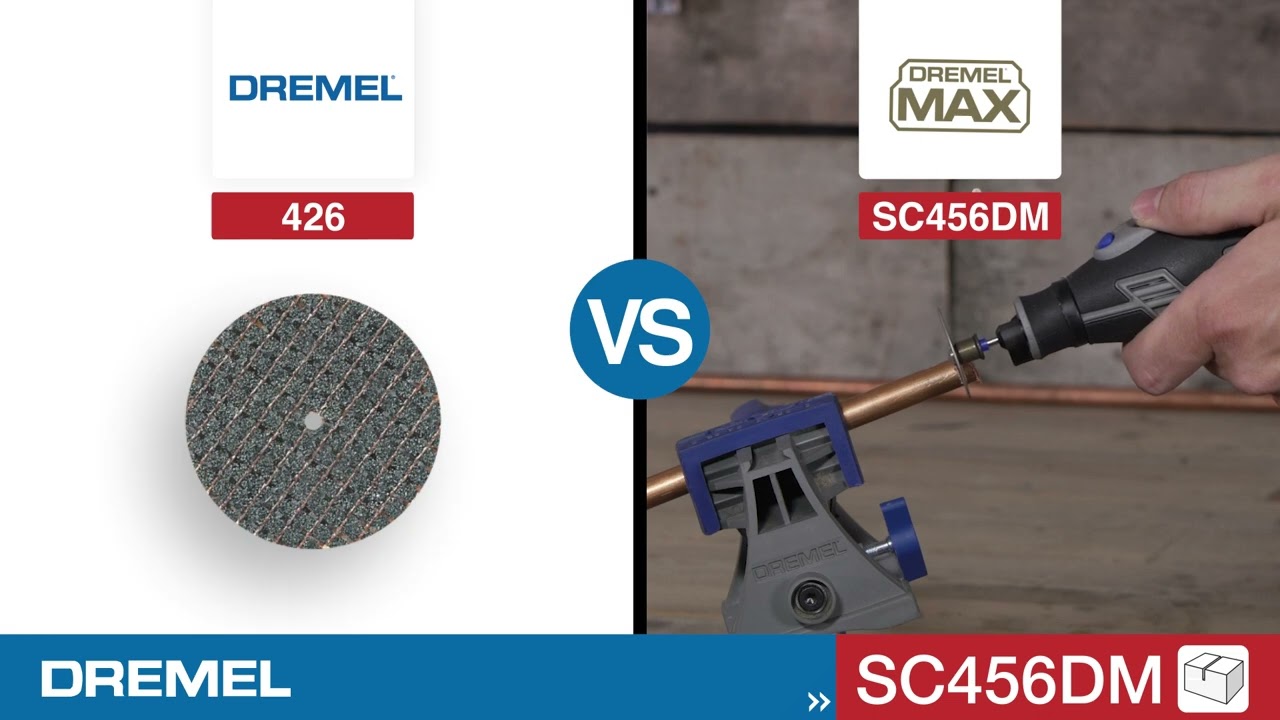
Dremel’s official reinforced discs are marked as EZ456 or 426. I also tried some cheaper, no-name discs, but they snapped quickly. I always go back to the reinforced ones, even if they cost a little more.
Size And Fit Matter
Most Dremel cutting wheels for metal are 1-1/4” (32mm) across. They fit perfectly in the standard mandrel. Make sure the disc is tight and straight before you start. A loose disc can wobble or fly apart.
Here’s a quick comparison I made from my own stash:
| Disc Type | Best For | Durability | Ease of Use |
|---|---|---|---|
| Fiberglass Reinforced | Steel, bolts, pipes | High | Easy |
| Standard Thin Wheel | Aluminum, thin metal | Medium | OK |
| Cheap Generic Wheel | Light metal only | Low | Hard |
How To Cut Metal With A Dremel: My Step-by-step Process
When I first tried, I made a few mistakes. Over time, I learned a simple process that works every time. Here’s what I do:
- Pick the Right Disc: Always use a reinforced cut-off wheel for metal.
- Wear Safety Gear: I put on safety glasses, gloves, and sometimes ear protection. These discs can send sparks flying.
- Secure the Metal: I clamp the piece down or use a vise. If it moves, the cut won’t be straight.
- Mark the Cut: I use a marker or tape to draw a clear line.
- Set the Speed: I turn my Dremel to a high speed (around 25,000–35,000 RPM). If you go too slow, the disc can catch and break.
- Start the Cut: I gently touch the disc to the metal and let the tool do the work. I never force it.
- Cool Down: If I’m cutting something thick, I take short breaks. This keeps the metal from getting too hot and damaging the disc.
When I follow these steps, I get a smooth cut with little effort.
What Metals Can You Cut With A Dremel?
From my experience, the Dremel works best with:
- Aluminum: It’s soft and cuts fast.
- Copper: Also easy, just watch for heat.
- Brass: Cuts clean, doesn’t wear the disc much.
- Steel (mild): Needs a steady hand and patience.
- Thin stainless steel: Possible, but takes more time.
I do not recommend using a Dremel for:
- Thick steel bars (over 1/4 inch)
- Hardened steel
- Cast iron
I tried cutting a thick car axle once. The disc just wore down with little progress. For jobs like that, use an angle grinder or a saw.
Real-world Examples From My Projects
Let me share a few times I used my Dremel to cut metal:
Fixing a Stuck Screw: I once stripped the head of a steel screw in a door hinge. The Dremel sliced a slot in seconds, and I removed the screw with a flat-head screwdriver.
Trimming Curtain Rods: I needed my new curtain rods to be shorter. The Dremel zipped through the thin steel with no problem. I filed down the edges with a sanding drum after.
Cutting a Broken Pipe: I replaced a leaking copper pipe under my sink. The Dremel made a neat cut, even in the tight space.
What surprised me was how little mess it made, compared to big power tools.
Safety Tips I Learned The Hard Way
I can’t stress safety enough. I had a few close calls. Here’s what I wish someone told me earlier:
- Always wear eye protection. Tiny sparks and bits of metal fly off.
- Hold the tool with two hands. This gives you more control and keeps the cut straight.
- Never force the cut. Let the speed of the Dremel do the work.
- Watch for heat. Metal gets hot fast. Let it cool down before touching.
- Clear your work area. Sparks can start a fire if there’s paper or sawdust nearby.
One time, I forgot to clamp a small bolt. It spun out of control and chipped my wall. After that, I always secure my work.
Common Mistakes Beginners Make
If you’re new to using a Dremel on metal, it’s easy to get frustrated. Here are some mistakes I made (and see others make):
- Using the wrong disc: Regular sanding drums won’t cut metal!
- Going too fast or too slow: Both can break the disc.
- Not securing the metal: The piece moves, and the cut goes crooked.
- Forgetting about sparks: I once melted a plastic bucket nearby.
- Skipping safety gear: Even a tiny metal shard can hurt your eye.
A good tip: Practice on scrap metal first. You’ll get a feel for the speed and pressure.
Dremel Vs. Other Metal Cutting Tools
I’ve used hacksaws, angle grinders, and even bolt cutters. Each tool has its place. Here’s how the Dremel compares for small jobs:
| Tool | Best For | Precision | Noise | Ease of Use |
|---|---|---|---|---|
| Dremel Rotary Tool | Small, thin metal | High | Low | Easy |
| Angle Grinder | Thick metal, pipes | Medium | High | Medium |
| Hacksaw | Simple straight cuts | Medium | Low | Hard |
If you need to cut a steel rod or a rusty bolt in a tight space, the Dremel is my favorite. For heavy-duty jobs, though, use a bigger tool.
How Long Do Dremel Cutting Discs Last?
This depends on what you’re cutting and how careful you are. I found that:
- Cutting thin aluminum: One disc lasts many cuts.
- Cutting steel bolts: A reinforced disc can handle 2–3 bolts before wearing out.
- Pressing too hard or twisting: The disc will break fast.
On average, I get about 5–10 minutes of steady cutting from a good reinforced wheel. Always keep extra discs on hand.
Troubleshooting: If Your Dremel Isn’t Cutting Well
Sometimes things don’t go as planned. Here’s what I check if the cut isn’t smooth:
- Disc is worn down: Replace with a new one.
- Speed is too low: Turn up the RPM.
- Metal is too thick: Make a shallow groove first, then deepen.
- Mandrel is loose: Tighten the screw holding the disc.
Once, my Dremel started to spark and slow down. I realized the disc was down to a nub. A quick swap and I was back in business.
Non-obvious Insights Most Beginners Miss
After using my Dremel for years, I picked up a few tricks you won’t find in the manual:
- Score the Metal First: I always make a shallow groove before going for the full cut. This keeps the disc from jumping around.
- Use Short Bursts: Instead of pushing hard, I use short, gentle passes. The disc lasts longer, and the cut is cleaner.
- Keep a Magnet Nearby: Metal dust flies everywhere. I drag a magnet over the area after cutting. It picks up almost all the shavings.
These small steps make a big difference in results and tool life.

Maintenance After Cutting Metal
Cutting metal creates fine dust and can wear out parts of your Dremel. Here’s what I do after each session:
- Clean the tool: Blow out dust from the vents.
- Check for loose parts: Tighten the collet and mandrel.
- Inspect the power cord: Cutting sparks can damage it.
- Store in a dry place: Keeps rust away from the bits.
A little care keeps my Dremel running for years.
When Not To Use A Dremel For Metal
I love my Dremel, but it’s not perfect for every job. I avoid using it when:
- The metal is thicker than 1/4 inch.
- I need a perfectly straight, long cut.
- The workspace is full of flammable materials.
In those cases, I use a hacksaw or angle grinder. The Dremel is great for detail work, not big demolition.
Where To Find More Information
If you want to see official specs or safety info, visit the Dremel Wikipedia page. They have good details on the tool’s history and uses.
Frequently Asked Questions
How Thick Of Metal Can A Dremel Cut?
From my experience, a Dremel can cut metal up to about 1/4 inch thick. Anything thicker is slow and wears out the disc fast.
What Dremel Attachment Is Best For Cutting Metal?
I always use the fiberglass-reinforced cut-off wheels (like EZ456 or 426). They last longer and are less likely to break.
Is It Safe To Cut Metal With A Dremel Indoors?
Yes, but you must clear the area of flammable items and always wear eye protection. Sparks can fly farther than you think.
Can A Dremel Cut Hardened Steel?
A Dremel can mark or scratch hardened steel, but cutting through it is very slow and not recommended. Use an angle grinder instead.
How Do I Get A Smooth Finish After Cutting Metal With A Dremel?
After cutting, I switch to a sanding drum or grinding stone to smooth sharp edges. It only takes a minute and makes the project look professional.
Cutting metal with a Dremel changed how I do DIY work. It’s a tool I now trust for small jobs, repairs, and creative projects. If you use the right disc, follow safety tips, and know the tool’s limits, you’ll be surprised at what you can do.
The key is patience and a little practice—then your Dremel becomes your go-to metal cutter too.
As an Amazon Associate, We earn from qualifying purchases