
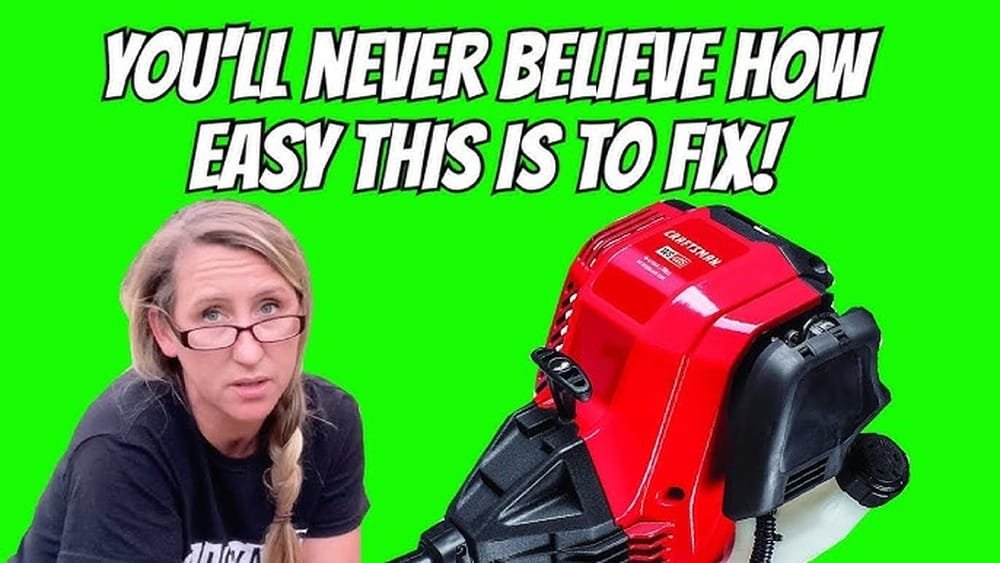
If you’ve ever spent a Saturday morning ready to trim your yard, only to find your Troy Bilt string trimmer will not start, you know how frustrating it feels. I’ve been there. I remember standing in my garage, sweat already forming, pulling the cord again and again—nothing. At first, I thought maybe I just wasn’t strong enough, or maybe I’d missed a step. But as I learned more, I realized there are many reasons why this tool can let us down.
Let me walk you through everything I’ve learned, from the basics to the less obvious causes, and how you can fix each one. I promise, by the end, you’ll know exactly what to check and how to get that trimmer running again.
My First Mistake: Overlooking The Basics
When my trimmer didn’t start, I panicked. But sometimes, the problem is simple.
Check The Fuel
The first thing I do is check the fuel tank. Is there enough gas? Old gas can cause a lot of trouble. Gasoline can go bad in as little as 30 days. I once left gas in the tank over winter and came back to a trimmer that would not run at all.
- If the gas smells sour or has a dark color, I drain it out.
- I always refill with fresh, clean gas. For 2-cycle engines, I mix oil and gas as the manual says.
Inspect The Spark Plug
Next, I check the spark plug. If it’s dirty or worn out, the trimmer won’t start.
- I use a socket wrench to remove the plug.
- If I see black soot or corrosion, I clean it with a wire brush or just replace it. Spark plugs are cheap.
- The gap on the plug should match what the manual says. I use a gap tool for this.
The Kill Switch
This sounds silly, but make sure the kill switch is in the “on” or “run” position. I’ve forgotten this more than once!
Common Problems And How I Fix Them
After the basics, if the trimmer still won’t start, I go deeper.
Air Filter Issues
A dirty air filter chokes the engine. It can’t get air, so it can’t start.
- I remove the filter cover and check the foam or paper filter.
- If it’s clogged with dirt, I wash it (for foam) or replace it (for paper).
- Let it dry fully before putting it back.
Carburetor Problems
The carburetor mixes air and fuel. If it’s clogged, the engine can’t run.
- I spray carb cleaner into the carburetor while pulling the cord a few times.
- If that doesn’t work, I remove and clean it. The small jets inside can get blocked.
Here’s a simple comparison of symptoms and solutions I’ve used:
| Symptom | Possible Cause | Quick Fix |
|---|---|---|
| No sound at all | No fuel, spark plug not connected | Check gas and spark plug wire |
| Engine sputters | Dirty air filter or carburetor | Clean or replace air filter, clean carburetor |
| Starts but dies | Bad fuel, clogged jets | Replace fuel, clean carburetor jets |
Flooded Engine
Sometimes, after pulling the cord too many times, the engine gets flooded. That means too much fuel and not enough air.
Here’s how I fix it:
- I set the choke to “run.”
- I hold the throttle wide open.
- I pull the starter cord about 8–10 times. This clears extra fuel from the cylinder.
Primer Bulb Trouble
The primer bulb helps draw fuel into the carburetor. If it’s cracked or won’t fill, the engine gets no fuel.
- I squeeze the bulb. If it stays flat or leaks, I replace it.

Digging Deeper: Advanced Checks
When all else fails, I look at less obvious parts.
Fuel Lines
Fuel lines can crack or get blocked. One time, I found a tiny split in the line that was letting air in.
- I inspect for cracks, leaks, or loose connections.
- Replacement lines are cheap and easy to install.
Recoil Starter Assembly
If the starter cord pulls too easily or doesn’t retract, the recoil starter might be broken.
- I remove the starter housing and check the spring and rope.
- Sometimes, re-tensioning the spring or replacing the rope solves it.
Exhaust And Spark Arrestor
A clogged spark arrestor or muffler can block exhaust gases, stopping the engine.
- I remove the small mesh screen at the muffler and clean off carbon deposits with a wire brush.
- Never run the trimmer without this screen—it prevents fires.
Ignition Coil
If there’s still no spark, the ignition coil may have failed.
- I test it by removing the spark plug, connecting it to the wire, and holding it against metal while pulling the cord. No spark means the coil is likely bad.
- Replacing the coil is easy if you follow the instructions.
Here’s a quick look at some common parts I often check or replace:
| Part | Cost Range (USD) | Replacement Difficulty |
|---|---|---|
| Spark Plug | $3–$8 | Easy |
| Air Filter | $5–$10 | Easy |
| Fuel Line | $5–$15 | Medium |
| Carburetor | $20–$40 | Medium |
| Ignition Coil | $15–$35 | Medium |
My Step-by-step Troubleshooting Process
Over the years, I’ve built a routine. Here’s what I do when my Troy Bilt string trimmer will not start:
- Check the basics: Fuel, spark plug, and switch.
- Try starting: Listen for the engine sound. Does it try to fire? Does it sputter?
- Inspect the air filter: Clean or replace if dirty.
- Prime the bulb: Make sure it fills and isn’t cracked.
- Use fresh fuel: Drain old fuel, refill with new, and mix oil if needed.
- Clean the carburetor: Especially if it’s been sitting for months.
- Check for flooding: Follow the steps to clear it.
- Inspect fuel lines: Look for leaks or cracks.
- Examine the recoil starter: Make sure it works smoothly.
- Test for spark: If there’s no spark, check the ignition coil.
What Beginners Often Miss
There are a couple of mistakes I made early on that I see a lot of people repeat:
- Using old gas. Many don’t realize just how quickly fuel can go bad and clog up the system.
- Forgetting to reset the choke after starting. If you leave it on “start” too long, it can flood the engine.

When To Call For Help
Some problems are just too much for a home fix. If you see fuel leaks from the carburetor, or the engine is locked up and won’t pull, it might be time for a professional.
One season, I tried everything but could not get mine to run. The repair shop found a cracked piston ring. Fixing that at home isn’t realistic for most people.
Preventing Future Starting Problems
I learned the hard way that preventive care saves time and money. Here’s what I do now:
- At the end of the season, I run the engine dry or drain the fuel.
- Every spring, I put in a new spark plug and air filter.
- I use a fuel stabilizer if I know the trimmer will sit for a while.
- I clean the trimmer after heavy use, especially around the air intake.
Here’s a quick summary of routine maintenance tasks and how often I do them:
| Task | Frequency | Why It Matters |
|---|---|---|
| Replace spark plug | Yearly | Ensures good ignition |
| Clean air filter | Monthly (during use) | Prevents engine choking |
| Check fuel | Every fill-up | Prevents clogs |
| Drain fuel | End of season | Keeps system clean |

Signs It’s Time To Replace Your Trimmer
Sometimes, even with all the care in the world, a trimmer just wears out. If you’re facing repairs that cost more than half the price of a new model, or if you’ve replaced the carburetor, coil, and starter in one season, it might be worth buying a new one.
Newer models are easier to start, lighter, and sometimes quieter. But if you enjoy fixing things, an older trimmer can still run for years with the right parts and care.
Useful Resources
If you’re stuck, the Troy Bilt official website has manuals and troubleshooting guides. You’ll find many helpful videos online from users facing the same problems. For detailed diagrams and part numbers, I always recommend checking Troy Bilt’s Service & Parts Center.
Frequently Asked Questions
Why Does My Troy Bilt String Trimmer Only Run On Choke?
This usually means the carburetor is dirty or there’s a vacuum leak. When you use the choke, you’re forcing more fuel through. Try cleaning the carburetor and check for cracks in fuel lines.
How Often Should I Replace The Spark Plug?
I change mine once a year. If you use the trimmer a lot, check it every few months. A clean, fresh spark plug makes starting much easier.
What Fuel Mix Should I Use?
Most Troy Bilt 2-cycle trimmers use a 40:1 gas to oil mix. Always check your manual to be sure. Using the wrong mix can damage the engine.
My Trimmer Starts But Dies After A Few Seconds. Why?
This is often caused by old fuel, a clogged air filter, or a dirty carburetor. Drain old gas, add new fuel, clean the air filter, and try again.
How Can I Avoid Starting Problems In The Future?
Use fresh fuel, replace or clean the air filter, check the spark plug each season, and run the trimmer dry before storage. Little steps like these keep your trimmer reliable.
If you take care of your Troy Bilt string trimmer, it will take care of your yard. I hope my experiences help you solve your starting problems, just like I did. Good luck, and happy trimming!
As an Amazon Associate, We earn from qualifying purchases