
Have you ever hopped into your car or turned on your home heater on a cold morning, expecting a wave of warm air—but instead, you got a blast of cold? I’ve been there. It’s not just uncomfortable; it can be really stressful, especially when you need heat the most.
Over the years, I’ve dealt with heaters not blowing hot air in both my car and at home. I’ve spent hours troubleshooting, talking with mechanics, reading manuals, and sometimes, freezing while I figured things out. In this article, I’ll walk you through what I’ve learned.
I’ll explain the main reasons why heaters stop working, how to fix them, and share some little details most people miss. If you’re shivering in your living room or car right now, I hope my experience can help you get warm again—fast.
Why Your Heater Is Not Blowing Hot Air
When my heater blew only cold air, I was confused and annoyed. At first, I thought maybe it just needed a few minutes to warm up. But after waiting, nothing changed. I learned that there are a handful of common reasons why heaters stop blowing hot air. Here are the main ones I’ve run into:
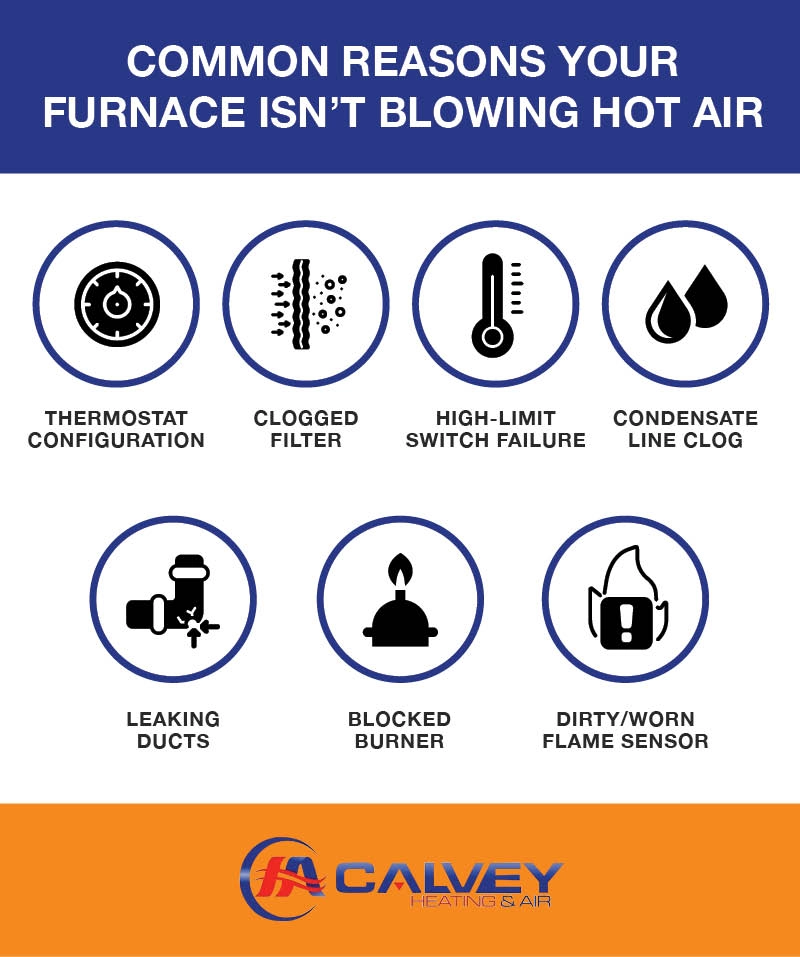
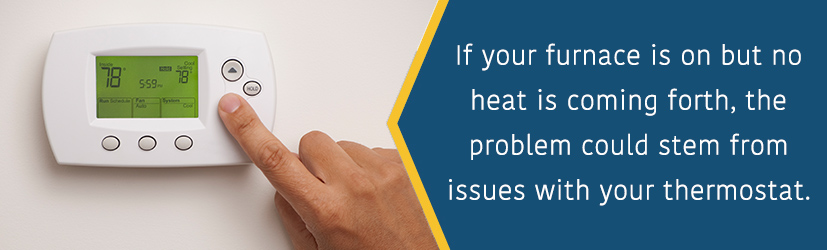
- Thermostat issues: If your thermostat is set too low or isn’t working right, your heater might not turn on the heat. One time, I accidentally set my home thermostat to “fan only,” and I wondered for hours why it was just blowing air, not heat.
- Low coolant/antifreeze (car heaters): In cars, the heater uses engine coolant to make warm air. If the coolant is low, you get cold air. I once ignored the “low coolant” warning light in my car, and paid for it with freezing commutes.
- Heater core problems (car heaters): The heater core can get clogged or start leaking. If this happens, you won’t get heat. I had to flush my heater core after years of using cheap coolant, and the difference was amazing.
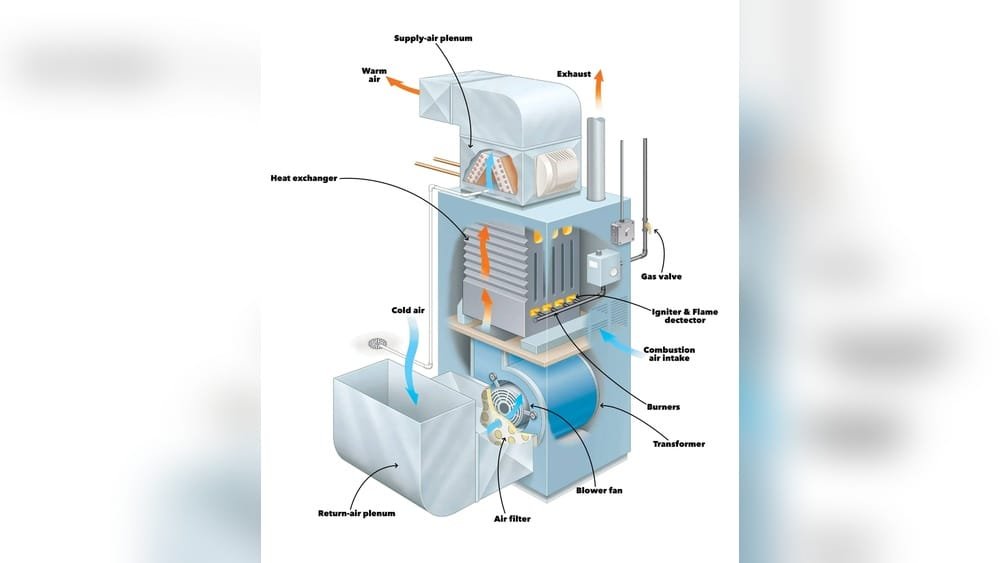
- Clogged furnace filter (home heaters): At home, the air filter can get dirty. When it does, air can’t flow properly, and the heater can’t push out warm air. I try to check mine every month now.
- Pilot light or ignition problems (gas furnaces): If your furnace uses gas, the pilot light or electronic igniter might not be working. I once had to relight the pilot light after a windstorm blew it out.
- Blower fan problems: Sometimes, the fan that pushes air through the system breaks or gets stuck. You might hear the heater running, but feel nothing coming out.
- Electrical issues: Loose wires, blown fuses, or bad relays can stop your heater from working. Electrical problems can be tricky, but I’ve learned to check the simple things like fuse boxes first.
- Leaky ducts (home heaters): In older homes, ducts can develop leaks. Warm air escapes before it ever reaches you. I once found a big gap in my attic ductwork, and fixing it made my heater feel brand new.
- Broken blend door (car heaters): The blend door controls whether hot or cold air comes out. If it gets stuck, you’re stuck with cold air. I had to replace this in my old sedan—it wasn’t fun, but I learned a lot.
- Wrong heater mode: Sometimes it’s as simple as the system being set to “cool” or “vent” instead of “heat.” It’s an easy mistake, and I’ve made it more than once.
Diagnosing The Problem: What I Check First
When my heater isn’t blowing hot air, I always start simple. I’ve learned that the easiest problems are often the cause.
Check The Settings
I always check the thermostat or control panel. Is it set to “heat”? Is the temperature high enough? Is the fan on “auto” or “on”? One winter, I spent half an hour looking for problems in my furnace before realizing I’d left the thermostat on “cool.
”
Feel The Air
I put my hand near the vent. Is any air coming out? If there’s no air at all, I look at the blower fan or filters. If there’s air, but it’s cold, I check the heating source (gas, electric, or coolant).
Listen For Noises
Unusual sounds can tell you a lot. I once heard a “click, click” from my furnace and found out the igniter was trying to start but failing. In my car, a “whooshing” noise turned out to be air trapped in the cooling system.
Look For Warning Lights
Most cars and some newer furnaces have warning lights. If I see any, I check the manual or search online for what they mean.
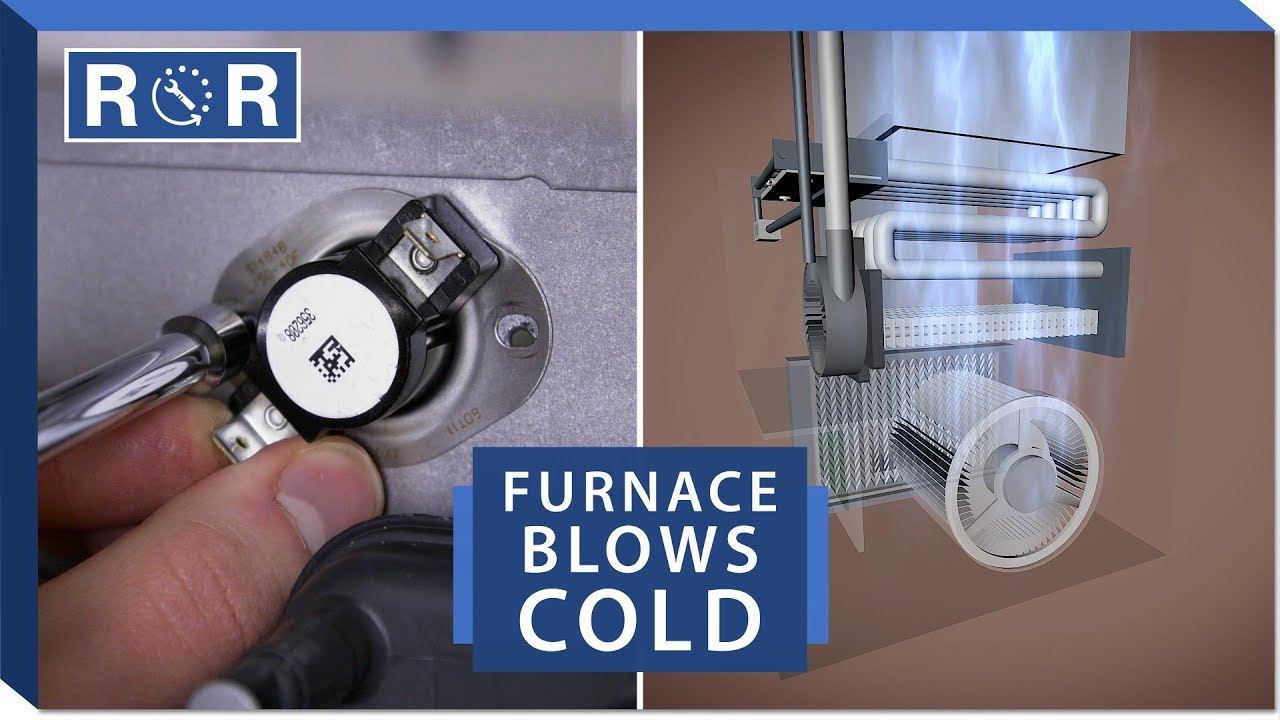
Common Fixes I’ve Used (and How They Worked)
Here’s what I’ve actually tried, and what fixed the problem (or didn’t):
Home Heaters
- Change the air filter: I once pulled out a filter that was black with dust. As soon as I put in a new one, the heat came back strong.
- Relight the pilot light: On my old gas furnace, I had to relight it a few times each winter. Now I have an electronic igniter, and I keep an extra igniter on hand just in case.
- Seal duct leaks: I used foil tape to seal the joints in my attic. My living room now gets just as warm as the rest of the house.
- Check the circuit breaker: One day, my heater wouldn’t turn on at all. I found the breaker had tripped. Flipping it back made everything work again.
- Test the thermostat: I swapped in a new thermostat when the old one stopped clicking. This simple change fixed the issue.
Car Heaters
- Top off coolant: I learned the hard way that low coolant means no heat. After refilling, heat came back within minutes.
- Flush the heater core: I bought a cheap flushing kit and cleared out years of gunk. The improvement was obvious.
- Replace the blend door actuator: When my car only blew cold air, replacing this $20 part solved the problem.
- Check fuses and relays: A blown fuse once killed my blower motor. Swapping it out was quick and easy.
- Bleed the cooling system: Air bubbles can block heat. I ran the engine with the radiator cap off and let the bubbles escape. The heater started working again.
What Most People Miss (and What I Wish I Knew Sooner)
Here are two things I didn’t realize until I’d spent a lot of time and money:
- Heaters can blow warm but not hot air if airflow is blocked. Even a little dust on the filter or in the ducts can cut the heat in half. I used to think any airflow meant the filter was fine. I was wrong.
- Some problems are seasonal. Heaters often break after sitting unused all summer. I now test mine in early fall, before it gets cold.
Also, I learned that car heaters often stop working after a coolant flush, if air gets trapped. Always bleed the system after adding coolant.
When You Need A Pro
I like fixing things myself, but sometimes you need help. Here’s when I call a pro:
- Gas smells: If I ever smell gas, I get out and call for help. Gas leaks are dangerous.
- Strange burning smells: Once, my furnace smelled like burning plastic. I turned it off and called a technician. It turned out a wire had melted.
- Water leaks: Big leaks under the heater or inside the car can mean a broken heater core or other serious issue.
- No power at all: If nothing turns on and the breakers and fuses are fine, it’s probably an electrical problem best left to experts.
- No improvement after basic fixes: If I’ve tried all the simple stuff and still have no heat, I stop and get help. Sometimes, it’s just not worth the risk.
Comparing Common Problems In Home Vs. Car Heaters
Here’s a quick comparison based on what I’ve seen:
| Problem | Home Heater | Car Heater |
|---|---|---|
| Thermostat Issue | Very common | Rare (unless climate control) |
| Low Coolant | Not applicable | Very common |
| Dirty Filter | Common | Rare |
| Heater Core Problem | No heater core | Common |
| Electrical Issue | Common | Common |
How Much Does It Cost To Fix?
Cost is a big worry for most people. Here’s what I’ve spent or been quoted for common fixes:
| Fix | Home Heater Cost | Car Heater Cost |
|---|---|---|
| Change Filter | $10–$30 | Usually not needed |
| Top Off Coolant | N/A | $20–$50 |
| Flush Heater Core | N/A | $70–$150 |
| Replace Thermostat | $60–$250 | $100–$300 |
| Professional Repair | $100–$500+ | $100–$1,000+ |
How To Prevent Heater Problems
After fixing so many heaters, I’ve learned a few tricks to keep things working:
- Test your heater early: I turn mine on for a test run before the cold season.
- Change filters often: Every 1–3 months for home heaters.
- Check coolant levels: I peek under the hood every few weeks.
- Listen and sniff: Weird noises or smells are often early warnings.
- Schedule maintenance: A yearly checkup by a pro can catch issues early.
- Bleed the system (cars): Whenever I add coolant, I get rid of air bubbles.
- Seal up the house: Good insulation means the heater works less.
Real-life Example: My Coldest Morning
I’ll never forget one winter morning last year. I got in my car, started the engine, and cranked the heat. Nothing but icy air. I was late for work and had a 30-minute drive. My hands were numb by the time I arrived.
That night, I opened the hood and checked the coolant. It was almost empty! After refilling and running the engine, warm air came back. I now keep a bottle of coolant in my trunk, just in case.
At home, I had a similar moment when my living room wouldn’t heat up. After checking everything, I found a huge duct leak in my attic. I fixed it with some tape, and the change was instant.
What I Wish Everyone Knew
If your heater isn’t blowing hot air, don’t panic. Most problems are simple. Start with the basics—settings, filters, coolant. Many fixes take just a few minutes. But don’t ignore warning signs. A small problem can become a big headache if you wait too long.
Also, don’t forget that a heater that blows only a little warm air is still a problem. You deserve to be comfortable!
If you want to learn more about how heating systems work, there’s a great overview at Wikipedia.
Frequently Asked Questions
Why Is My Heater Blowing Cold Air Only?
This usually means there’s a problem with the thermostat, low coolant (in cars), a dirty filter, or a pilot light that’s gone out. Check the basics first.
How Often Should I Change My Heater Filter?
For home heaters, I recommend every 1–3 months. If you have pets or allergies, monthly is best.
Can I Drive My Car If The Heater Isn’t Working?
Yes, but it’s not comfortable. If the reason is low coolant, fix it soon—your engine could overheat.
Is It Safe To Relight My Furnace Pilot Light Myself?
In most cases, yes. Follow the manufacturer’s instructions, and if you smell gas, stop and call a pro.
Why Does My Heater Smell Funny When I Turn It On?
Dust burning off is common after months of no use. A strong, odd smell could mean something is wrong—turn off the heater and check for problems.
Staying warm is important. I hope my experience helps you solve your heater troubles and makes those cold mornings a little easier to handle.
As an Amazon Associate, We earn from qualifying purchases