
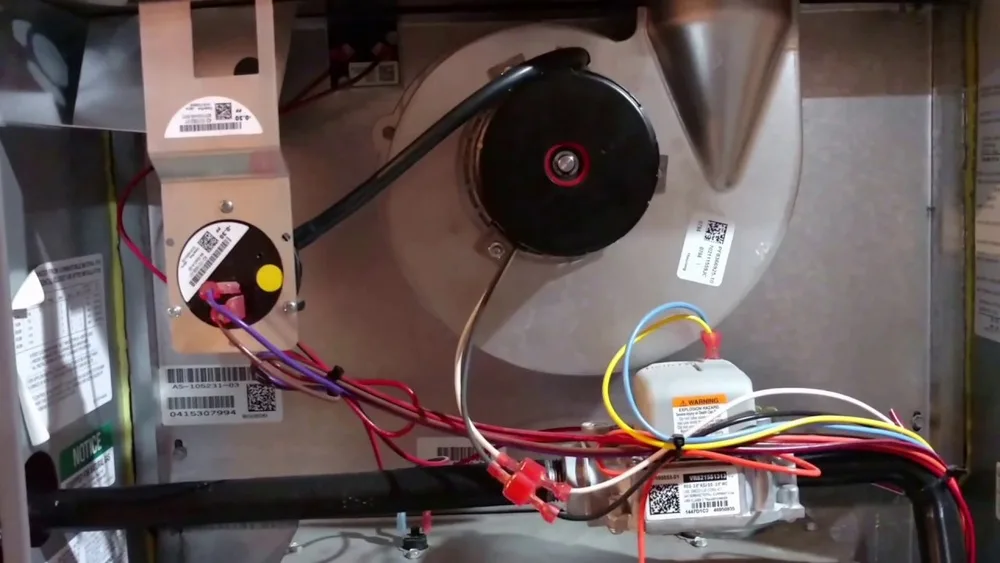
Gas Furnace Not Blowing Hot Air: My Real-life Troubleshooting Guide
I remember the day my gas furnace stopped blowing hot air. It was the middle of winter, and my house felt more like a refrigerator than a home. I could hear the furnace running, but only cold air came out of the vents. At first, I panicked. Then, I rolled up my sleeves and started looking for answers. If you’re having the same problem, you’re not alone. Let me walk you through everything I learned, step by step, so you can get your heat back without the stress.
How A Gas Furnace Should Work
A gas furnace is not magic, even if it feels that way when it’s cold outside. Here’s how it’s supposed to work, in simple terms:
- The thermostat tells the furnace to start heating.
- The blower fan turns on to move air through your house.
- The burners ignite, heating up a metal part called the heat exchanger.
- Air blows over the heat exchanger, gets warm, and moves into your rooms.
When something goes wrong, you might get cold air instead of hot. I used to think only a pro could fix these problems, but I learned many issues have simple causes.
The Most Common Reasons For Cold Air
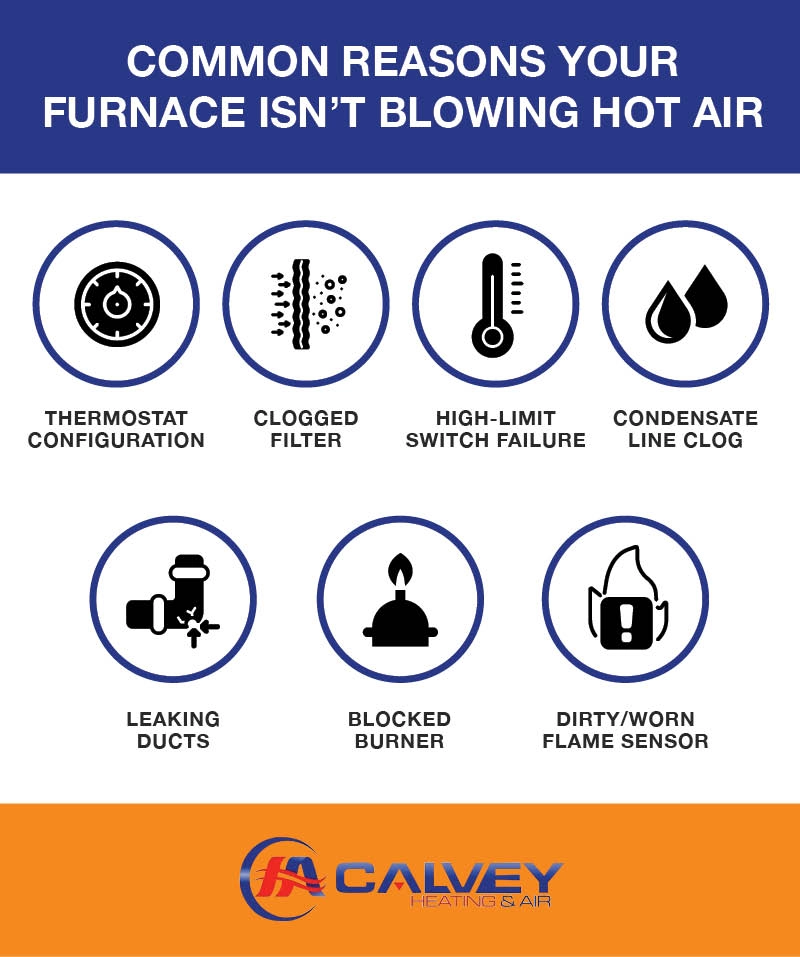
Let me share what I found after a lot of trial and error. Each of these can make your furnace blow cold air. I’ll explain what to check, how to fix it, and what mistakes to avoid.
1. Thermostat Settings
One time, I thought my furnace was broken, but my thermostat was set to “Fan” instead of “Auto. ” This made the blower run without heat.
- Check if the thermostat is set to “Heat”.
- Make sure the fan setting is “Auto”, not “On”.
- Set the temperature higher than the room temperature.
If your thermostat uses batteries, try replacing them. A dying battery can make it act weird. Don’t laugh—this simple check has saved me more than once.
2. Dirty Air Filter
A clogged air filter is like trying to breathe through a pillow. It blocks airflow, making the furnace overheat and shut off the burners. Only the fan runs, blowing cold air.
- Change your filter every 1-3 months. I set a reminder on my phone.
- Hold the filter up to the light—if you can’t see through it, replace it.
Here’s a quick comparison of filter types I tried:
| Filter Type | Lasts (Months) | Blocks Dust | Blocks Allergens |
|---|---|---|---|
| Fiberglass | 1 | Good | Low |
| Pleated | 3 | Better | Medium |
| HEPA | 6+ | Best | High |
A dirty filter is easy to fix and prevents many problems.
3. Furnace Not Getting Gas
One winter, I forgot to turn the gas valve back on after some plumbing work. No gas, no heat.
- Check if the gas supply valve is open (parallel to the pipe).
- Make sure your gas bill is paid (it happens! ).
- If you smell gas, stop and call for help. Safety first.
Also, some homes have an emergency shut-off switch near the furnace. Make sure it’s on.
4. Pilot Light Or Igniter Problems
Older furnaces use a pilot light. Newer ones use an electronic igniter. If these fail, your furnace won’t make heat.
- For a pilot light, check if it’s burning. If not, relight it using the instructions on your furnace door.
- For an igniter, listen for clicking sounds or look for error codes. If broken, you’ll need a new part.
I once spent hours checking wires before realizing my pilot was out. Don’t skip this step.
5. Overheated Furnace
If your furnace gets too hot, a safety switch shuts the burners off. Only the fan runs, so you get cold air.
This can happen if:
- The filter is dirty.
- Vents or registers are closed or blocked.
- The blower motor isn’t working right.
Open all your vents and clear the area around them. I once found a toy car wedged in a vent—kids can be creative!
6. Flame Sensor Issues
The flame sensor checks for a safe flame. If it’s dirty, it can’t sense the flame, and the furnace shuts off the burners.
- Turn off the power.
- Remove the sensor (usually one screw).
- Gently clean it with a fine sandpaper or steel wool.
- Put it back and restart.
I was nervous the first time, but it took less than 10 minutes. A clean sensor can make a big difference.
7. Ductwork Problems
Sometimes, your furnace works, but the ducts leak or are disconnected. Warm air escapes before it reaches your rooms.
Look for:
- Loose or open ducts in the attic or basement.
- Cold spots or weak airflow in some rooms.
Seal gaps with foil tape (not duct tape—it dries out). This quick fix boosted my comfort and lowered my bills.
8. Condensate Line Clogs
High-efficiency furnaces have a condensate drain line. If it clogs, the furnace may shut down for safety.
- Check the clear plastic tube near the furnace.
- Remove any water or blockage with a wet/dry vacuum.
I clear mine every fall as a habit. A little prevention saves a cold night.
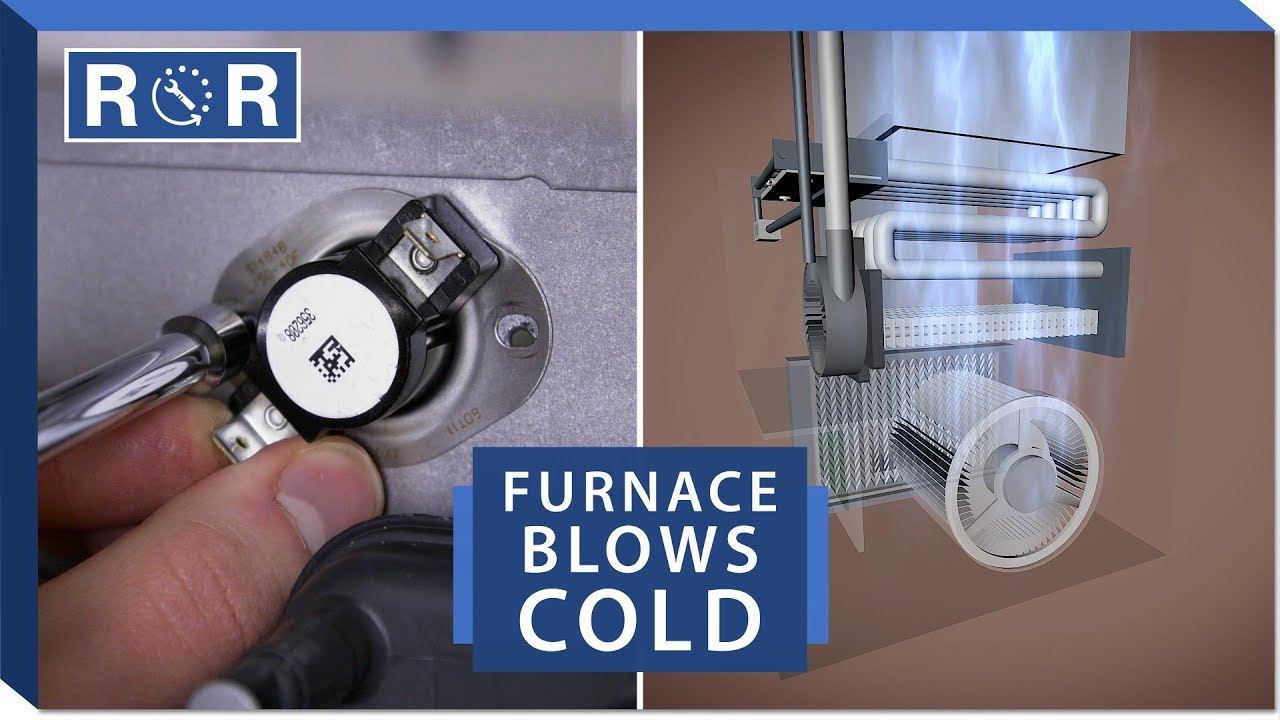
9. Faulty Limit Switch
The limit switch tells the furnace when to turn the burners on or off. If it fails, the burners stay off but the fan keeps running.
This isn’t an easy fix. I called a pro the first time, but at least I knew what to ask for.
10. Blower Motor Problems
If the blower motor is broken, the burners may work, but hot air won’t move. You may hear the furnace click but feel nothing from the vents.
- Listen for humming or grinding noises.
- Try resetting the furnace by turning the power off and on.
If there’s no airflow at all, the motor or the fan belt may be the problem. I tried replacing a belt myself, but sometimes it’s best to let an expert handle it.
Two Problems Most People Miss
Even after checking the basics, I found two sneaky causes:
1. Closed Return Vents:
If return vents are blocked by furniture or rugs, the furnace can’t “breathe. ” I moved a big couch, and suddenly the air got warmer.
2. Incorrect Furnace Size:
If your furnace is too small for your house, it can’t keep up. If it’s too big, it cycles on and off, blowing cold air between cycles. I learned this the hard way when I replaced my old unit. Always have a pro size your system.
When To Call A Professional
I’m all for DIY, but I’ve learned when to call for help. Here’s when you should, too:
- You smell gas or see a yellow “pilot out” light.
- The furnace makes loud bangs or screeches.
- You see error codes you can’t clear.
- You’ve tried everything above and still have cold air.
A good technician can check things you can’t, like the circuit board, heat exchanger, or gas pressure. They have special tools and training. I once tried to fix a gas leak myself—never again! Some jobs are worth the money.
Simple Maintenance Tips To Prevent Problems
After my experiences, I now do these five things every fall:
- Change the filter.
- Open all supply and return vents.
- Clear the area around the furnace.
- Clean the flame sensor.
- Test the thermostat and replace batteries.
These small steps make a big difference. Since I started, I’ve had far fewer problems.
Comparing Diy Vs. Professional Furnace Repair
I often wondered if I should fix my furnace myself or call a pro. Here’s how I compare them after years of cold nights and warm mornings:
| Task | DIY | Professional |
|---|---|---|
| Change Filter | Easy | Not Needed |
| Clean Flame Sensor | Possible | Quick |
| Replace Igniter | Hard | Recommended |
| Fix Gas Leak | Unsafe | Required |
| Diagnose Circuit Board | Very Hard | Best Option |
From my experience, start with easy fixes. If you’re not sure, call a pro. Peace of mind is worth it.
Why Regular Furnace Service Matters
Some people skip regular service to save money. I did, too—until I faced a $500 repair. A yearly check-up is cheaper and keeps your furnace running safely.
Most pros check:
- The heat exchanger for cracks (for carbon monoxide leaks)
- The burners for dirt or rust
- The blower motor and belt
- All safety switches
This keeps your furnace safe, efficient, and long-lasting. I schedule my service every September, so I’m ready before the first cold snap.
The Hidden Cost Of Ignoring The Problem
I learned the hard way that ignoring a furnace that blows cold air leads to bigger problems:
- Higher gas bills (the system runs longer)
- More wear and tear (shorter furnace life)
- Uncomfortable nights (and grumpy mornings)
- Possible health risks (carbon monoxide leaks)
Dealing with the issue right away saves money, time, and stress. Trust me, I’ve been there.
Example: My Worst Furnace Mistake
I’ll never forget my worst mistake. My furnace started blowing cold air, but I was busy and ignored it. I thought, “It’ll fix itself. ” After three days, my pipes froze and burst. The repair bill was over $2,000. If I had checked the filter or called a pro, I could have avoided the mess and the cost.
Don’t wait—act fast when you notice a problem.
Frequently Asked Questions
Why Does My Gas Furnace Run But Not Heat The House?
Usually, this means the burners aren’t working. The cause could be a dirty filter, wrong thermostat settings, or a failed igniter. Check the basics first, then call for help if needed.
How Often Should I Change My Furnace Filter?
For most homes, change it every 1-3 months. If you have pets or allergies, do it more often. Clean filters keep your furnace running well.
Is It Safe To Relight My Pilot Light Myself?
If you follow the instructions and smell no gas, it’s usually safe. But if you’re not comfortable or smell gas, call a pro. Safety first.
Can A Blocked Vent Cause Cold Air?
Yes, if supply or return vents are blocked, airflow drops, and your furnace may overheat or blow cold air. Keep vents open and clear.
What’s The Best Way To Prevent Furnace Problems?
Regular maintenance is key. Change filters, clean parts, and get yearly service from a trusted tech. For more on safe furnace care, you can read this helpful guide from the U.S. Department of Energy.
—
Dealing with a gas furnace not blowing hot air can be stressful, but you don’t have to feel lost. I’ve faced this problem more than once, and each time I learned something new. Start with simple checks, stay safe, and don’t be afraid to call for help. Warm air—and peace of mind—are closer than you think.

As an Amazon Associate, We earn from qualifying purchases