
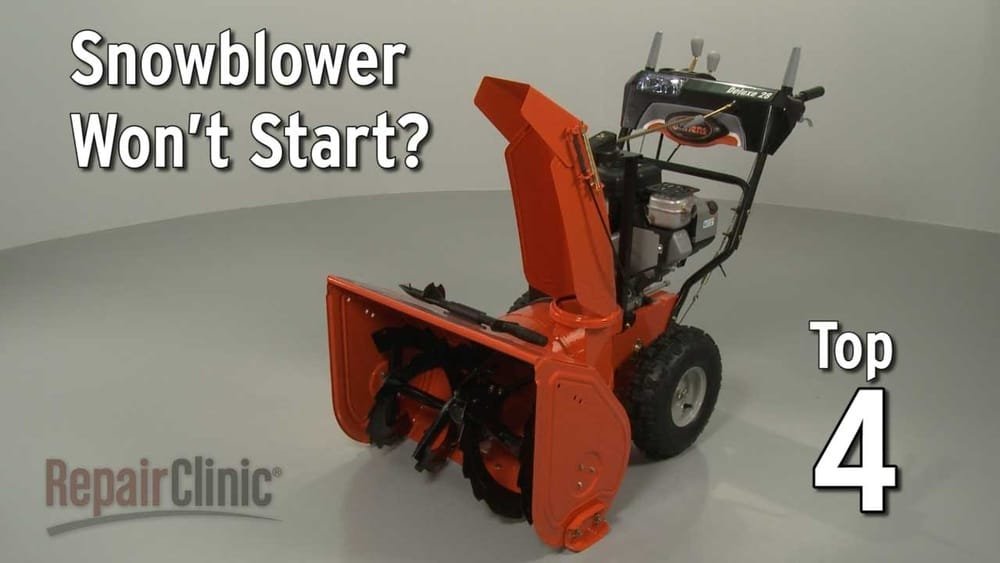
When I woke up to a driveway buried under a heavy blanket of snow, I was ready to grab my trusty snow blower and get to work. But then, nothing happened. I pulled the cord. I checked the switch. Still, the snow blower would not start.
It’s frustrating, right? I know how it feels to stand in the cold, wondering why your machine is silent while the snow piles up. Over the years, I’ve battled with stubborn snow blowers and learned a lot. Let me walk you through what I’ve discovered, so your snow blower can roar back to life and you can get back inside, warm and dry.
Common Reasons A Snow Blower Will Not Start
I’ve found that most snow blowers fail to start for a few simple reasons. If you check these first, you can often fix the problem fast.
1. Old Or Bad Fuel
Snow blowers usually sit for months without being used. I once left fuel in my machine all summer. When winter came, the fuel had gone bad. Old gasoline can clog the carburetor and fuel lines.
- Use fresh gas every season.
- Add a fuel stabilizer if you store your snow blower for a long time.
- Always drain old gas at the end of winter.
2. Clogged Carburetor
If the engine is not getting enough fuel, it can’t start. I’ve opened up my carburetor and found it blocked with sticky residue. This happens if you leave fuel in the tank for too long.
- Remove the carburetor and clean it with a carburetor cleaner.
- Make sure to clean the jets and all small passages.
3. Dead Spark Plug
A spark plug gives the engine the spark it needs to start. I’ve had days where a simple spark plug change made all the difference.
- Take out the spark plug and inspect it.
- If it’s dirty or worn, replace it.
- Check the gap and tighten it properly.
4. Flooded Engine
If you push the primer bulb too many times, the engine may flood. I’ve done this before. The smell of gas is strong, but the snow blower just won’t run.
- Wait 15–20 minutes to let the gas evaporate.
- Try starting again without priming.
5. Empty Fuel Tank
It sounds obvious, but I’ve forgotten to check the fuel tank more than once. Always check if there’s enough fresh gas before you start troubleshooting.
6. Faulty Ignition Switch
Sometimes the switch that turns the snow blower on or off can break. If the switch feels loose or doesn’t click, it might be the problem.
- Use a multimeter to test the switch for continuity.
- Replace it if it’s faulty.
7. Clogged Fuel Line
If the fuel line is blocked, gas can’t reach the engine. I’ve squeezed a soft fuel line and felt it was stiff and brittle—sure sign it’s clogged.
- Replace old or cracked fuel lines.
- Run a wire through to clear any blockages.
8. Choke Or Throttle In Wrong Position
The choke and throttle must be in the right position for starting. I once left the choke off, and the engine wouldn’t fire up.
- For cold starts, put the choke in the “full” position.
- Move the throttle to “fast” or “run.”
9. Broken Starter Rope Or Electric Starter
If the starter rope snaps, you’re going nowhere. I had this happen once in the middle of a blizzard.
- Replace broken cords before winter.
- If you use an electric starter, check the power cord and outlet.
10. Engine Oil Issues
Low or old oil can stop some snow blowers from starting. I make it a habit to check the oil before the first snow.
- Use the right type of oil for your engine (usually 5W-30 for winter).
- Change the oil every season.
Step-by-step Troubleshooting Process
Let me share the steps I follow when my snow blower refuses to start. This routine has saved me many headaches.
Step 1: Check The Basics
- Make sure the snow blower is switched on.
- Check that there is enough fuel in the tank.
- Move the choke and throttle into the right position.
Step 2: Inspect The Spark Plug
- Remove the spark plug and look for black soot or damage.
- Clean it with a wire brush or replace it if needed.
- Make sure the spark plug wire is tight.
Step 3: Test For Fuel Flow
- Unscrew the fuel line from the carburetor.
- Gas should flow out easily. If not, the line may be clogged.
- Replace the fuel filter if your model has one.
Step 4: Clean The Carburetor
- Remove the carburetor bowl and look for dirt or gum.
- Spray carburetor cleaner inside and let it dry.
- Reassemble carefully.
Step 5: Prime And Start
- Press the primer bulb as directed in your owner’s manual (usually 2–3 times).
- Pull the starter cord or use the electric starter.
If the snow blower still doesn’t start, it may need a deeper look or a visit to a repair shop.

Real-world Example: My Worst Snow Blower Morning
One winter, after a week of heavy storms, I dragged my snow blower out early in the morning. I was half-awake and in a rush to clear the driveway. It would not start. I tried everything—new gas, fresh spark plug, even a different extension cord for the electric starter.
Still, nothing.
I almost gave up. Then I remembered that I hadn’t checked the safety key—a small part that must be in place for many snow blowers to start. I had taken it out the night before to keep kids safe. I put it back in, and the engine started on the first pull. Sometimes, it’s the little things.
Essential Tools And Supplies For Snow Blower Maintenance
When you troubleshoot or fix a snow blower, you need the right tools. Here are the ones I keep on hand:
- Socket wrench set for removing spark plugs and bolts
- Screwdrivers (flathead and Phillips)
- Carburetor cleaner spray
- Fuel stabilizer
- Fresh spark plugs (always have one extra)
- Pliers for fuel lines
- Multimeter for electrical tests
- Shop rags for cleaning messes
Having these ready will make your life much easier when snow is falling and the machine won’t start.
How To Prevent Starting Problems In The Future
I’ve learned that a bit of preparation saves a lot of frustration. Here’s what I do before winter hits:
- Change the oil at the start of each season.
- Add fuel stabilizer to fresh gas.
- Run the engine dry before storing it for summer.
- Replace the spark plug every season, even if it still works.
- Clean or replace the air filter.
- Check belts and cables for wear.
- Keep the battery charged if you have an electric starter.
A little routine maintenance goes a long way. You’ll be glad you did when the first snowstorm arrives.
When To Call A Professional
Sometimes, the problem is too deep for a quick fix. If you’ve checked all the basics, cleaned the carburetor, and changed the spark plug, but your snow blower still will not start, it’s time for help.
Some issues require a pro:
- Internal engine damage
- Broken or bent crankshaft
- Electrical wiring problems
- Transmission or drive system failure
If you’re not comfortable taking apart the engine or dealing with wiring, call a certified repair shop. It may cost more, but you’ll avoid making things worse.

Common Snow Blower Starting Problems Compared
It helps to see how different starting problems compare. Here’s a quick overview:
| Problem | Symptoms | Quick Fix | Needs a Pro? |
|---|---|---|---|
| Old Fuel | No start, sputters | Replace gas, clean carburetor | No |
| Spark Plug | No spark, engine won’t fire | Clean or replace plug | No |
| Broken Starter Rope | Can’t pull to start | Replace rope | Maybe |
| Internal Engine Damage | Grinding noise, won’t turn over | Major repair | Yes |
Gas Vs. Electric Snow Blower Starting Issues
Different types of snow blowers have their own quirks. Here’s what I’ve noticed:
| Type | Common Start Problems | Prevention |
|---|---|---|
| Gas-Powered | Old fuel, spark plug, carburetor | Use fresh gas, regular maintenance |
| Electric | Dead battery, bad cord, switch issue | Charge battery, check cords before use |
How Long Should A Snow Blower Last?
I often get asked how long a snow blower should run if you maintain it well. My last one lasted over 10 years with regular care.
| Maintenance Level | Expected Lifespan |
|---|---|
| Basic (oil, spark plug) | 5–8 years |
| Regular + Storage Care | 10–15 years |
If you want your snow blower to last, don’t skip the small stuff. It really adds up.
Non-obvious Insights You Might Miss
Let me share a couple of tips I wish I’d known earlier:
- Check the safety key and kill switch. Many snow blowers won’t start if the key is missing or the switch is off. I’ve wasted a morning over this tiny detail.
- Don’t over-prime. Pumping the primer bulb too many times floods the engine. Less is more.
- Warm up the engine in the garage first. If your snow blower is freezing cold, it may take extra pulls to start. I roll mine into a warmer spot for a few minutes before trying again.
Frequently Asked Questions
Why Does My Snow Blower Start And Then Stop?
This usually means there is a fuel flow problem. Old gas, a dirty carburetor, or a clogged fuel line can cause the engine to stall after starting.
Should I Use Ethanol-free Gas In My Snow Blower?
Yes, if possible. Ethanol can attract moisture and cause fuel system problems, especially if the snow blower sits unused for long periods.
How Often Should I Change The Spark Plug?
I change my spark plug at the start of every winter, even if it looks okay. It’s cheap insurance against starting problems.
Can I Use Starting Fluid To Help My Snow Blower Start?
Yes, but use it sparingly. Too much starting fluid can damage the engine. Spray a small amount into the carburetor intake.
What If My Electric Snow Blower Won’t Start?
Check the power cord and outlet first. Make sure the battery is charged if it’s cordless. Some electric snow blowers have a reset button—try pressing that before calling for repairs.
If you need a deeper look at how small engines work, I recommend checking out the official Wikipedia page on snow blowers for more detailed info.
Snow can be tough, but with these tips, your snow blower won’t leave you stuck. Remember, a little preparation goes a long way. Stay warm and enjoy the winter!
As an Amazon Associate, We earn from qualifying purchases