
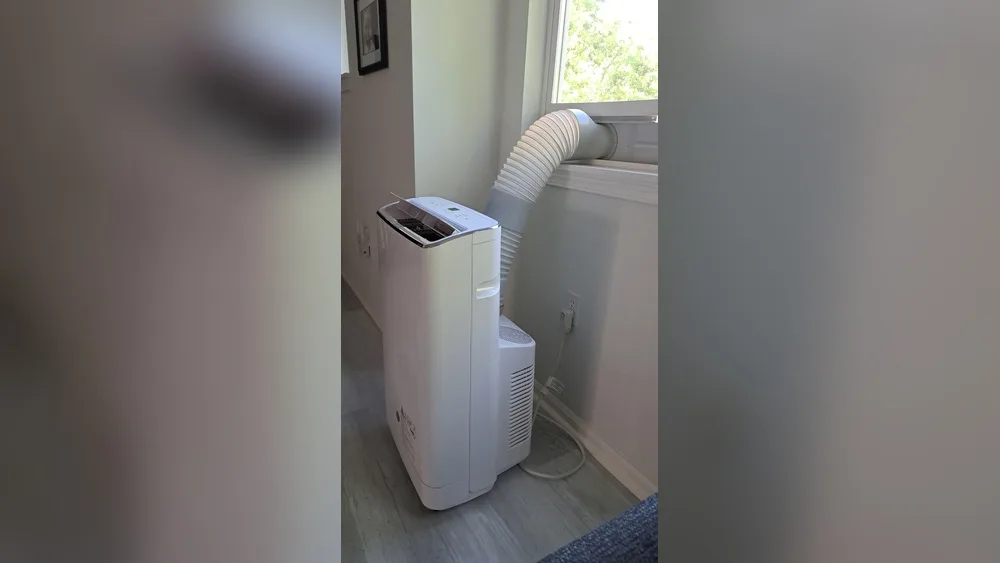
If you’ve ever had a portable AC stop blowing cold air on a hot day, you know how frustrating it can be. I’ve been there, sweating in my living room, pressing buttons and hoping for a miracle. Over the years, I’ve owned and fixed a few portable air conditioners. I want to share what I learned the hard way, so you don’t have to suffer in the heat or waste money on repairs you don’t need.
Why Is My Portable Ac Not Blowing Cold Air?
When your portable AC suddenly stops cooling, it feels like the world is against you. But in most cases, the problem is simple. The machine is doing its best, but something is blocking its way. Let me walk you through the possible reasons, using examples from my own mishaps.
1. Dirty Or Clogged Air Filter
The air filter is like the nose of your AC. If it gets blocked, the machine can’t breathe. I once ignored the filter for a whole summer, and the air got weaker day by day. When I finally checked, it was covered in dust and pet hair.
To fix this, remove the filter. Wash it with warm, soapy water. Dry it completely before putting it back. Some filters need replacing, so check your model. Cleaning the filter every two weeks made a huge difference for me.
2. Exhaust Hose Problems
A portable AC needs a way to get rid of hot air. That’s the job of the exhaust hose. If it’s bent or blocked, the heat stays inside. I remember once moving my unit too close to the wall, and the hose got pinched. The room just wouldn’t cool down.
Check the hose for kinks or blockages. Make sure it’s as straight and short as possible. The end outside should also be clear. I found a bird’s nest blocking mine once!
3. Low Or Leaking Refrigerant
Refrigerant is the magic ingredient that cools the air. Most portable ACs are sealed, so you shouldn’t lose refrigerant unless there’s a leak. I once had a unit that started making hissing sounds. Soon after, it stopped cooling.
If you suspect a leak, look for oily spots or listen for strange noises. Sadly, fixing a refrigerant leak is not a DIY job. You’ll need a pro. If your AC is old, it might be cheaper to buy a new one.
4. Poor Room Sealing
Sometimes, the AC is fine, but the room isn’t sealed. Hot air sneaks in through doors, windows, or even thin walls. I made this mistake in my old apartment. The window next to my AC was always open a crack, and I wondered why it never got cool.
Use weatherstripping or towels to seal gaps. Close doors and windows. In my experience, even a small gap can make a big difference.
5. Incorrect Thermostat Settings
Check the thermostat. Sometimes, the setting gets changed by mistake. I once set mine to “fan” mode and spent hours waiting for cold air. Make sure it’s set to “cool” and the temperature is low enough.
6. Water Tank Is Full
Most portable ACs collect water from the air. If the water tank is full, the unit might stop cooling. My first summer with a portable AC, I had no idea this could happen. I ignored the warning light and wondered why the air was warm.
Empty the tank and restart the machine. Some models have a hose for draining. It only takes a minute, but it can restore cooling fast.
7. Electrical Problems
Loose plugs, weak outlets, or power surges can mess with your AC. I once plugged my unit into an extension cord, and it started acting up. Now, I always plug it straight into the wall.
If the display blinks or the machine shuts off, check your power source. A surge protector can also help.
8. Blocked Condenser Or Evaporator Coils
The coils inside your AC handle the real cooling work. If they get dirty or blocked, the machine struggles. I learned this after moving into a dusty house. My AC got weaker every week.
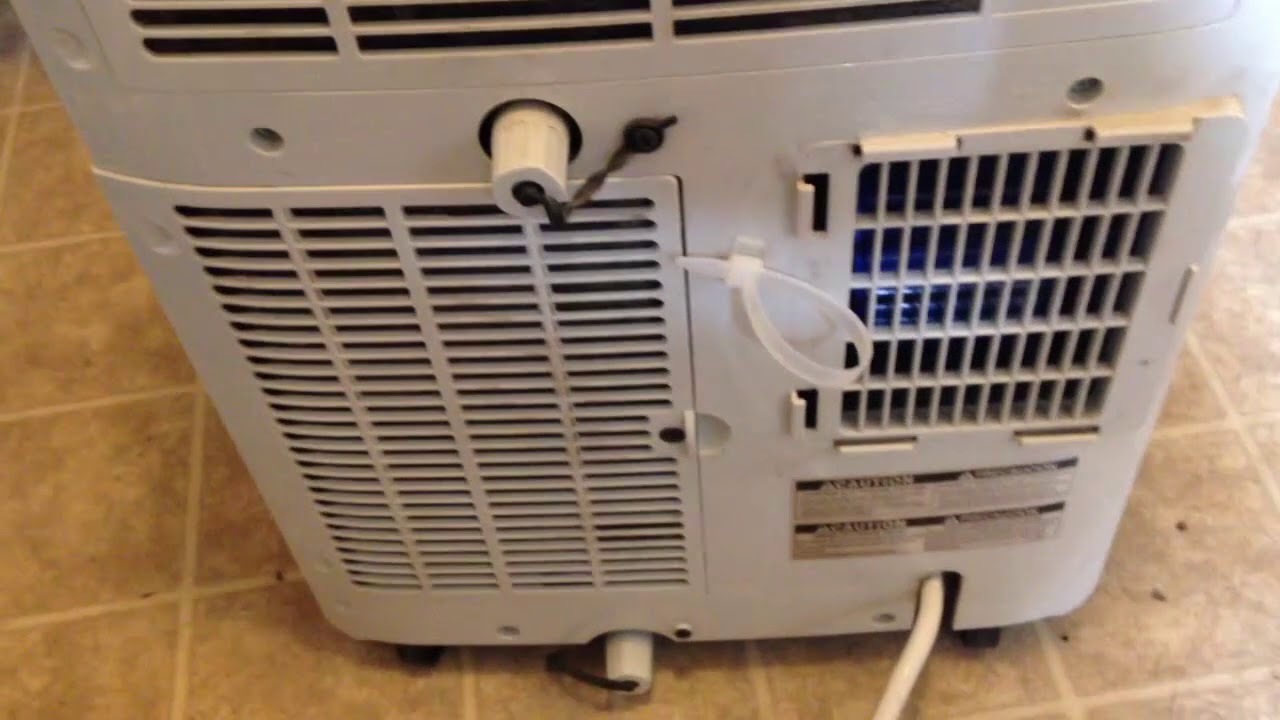
Unplug the unit and open the back (if your model allows). Gently brush or vacuum the coils. Be careful not to bend them. Clean coils can bring a weak AC back to life.
9. Wrong-sized Unit For The Room
If your portable AC is too small for your space, it can’t keep up. I once tried to cool a big living room with a tiny unit meant for bedrooms. It ran all day but never got cold.
Here’s a quick guide to matching AC size with room size:
| Room Size (sq. ft.) | Recommended BTU |
|---|---|
| 100-200 | 6,000-8,000 |
| 200-400 | 8,000-12,000 |
| 400-600 | 12,000-14,000 |
BTU (British Thermal Units) is the power measure for ACs. Always check your room size before buying.
10. Fan Or Compressor Failure
If you hear the fan running but the air isn’t cold, the compressor might be at fault. If the unit is quiet and nothing happens, the fan could be broken. I had a fan motor die after years of use. Sometimes, you’ll hear a clicking sound, but nothing turns on.
These problems often need a repair shop. If your unit is still under warranty, contact the maker.
How I Troubleshoot My Portable Ac
After so many problems over the years, I’ve made my own routine. Here’s how I check things step by step:
- Check the filter – Is it clean?
- Look at the exhaust hose – Any bends or leaks?
- Test the power – Plug straight into the wall, not an extension cord.
- Empty the water tank – Even if the light isn’t on.
- Check the thermostat – Is it set to “cool”?
- Seal the room – Close all gaps and doors.
- Listen for noises – Hissing or clicking may mean bigger problems.
- Feel the air – Is it just moving, or is it cold?
If I do all this and still have no luck, I call a professional. Sometimes, it’s just time for a new AC.

Signs That Your Portable Ac Needs Professional Help
Not every problem can be fixed at home. Over time, I’ve learned to spot when it’s time to get help:
- The AC makes strange noises (hissing, banging, buzzing)
- There’s water leaking from the unit
- The machine smells burnt or musty
- The display shows error codes you can’t clear
- The air never gets cold, even after cleaning and resetting
If you see any of these, it’s safer to stop using the AC and call a technician.
My Top Tips For Keeping A Portable Ac Cold
I’ve picked up a few tricks that help my portable AC work better and last longer:
- Clean the filter every two weeks.
- Keep the hose short and straight for best airflow.
- Block sunlight from windows while the AC is running.
- Run the AC early in the day to get ahead of the heat.
- Never overload the room. Too many people or electronics make it harder to cool.
- Check for updates from the manufacturer. Sometimes there are recalls or helpful tips online.
One thing beginners often miss: portable ACs need space to “breathe.” Don’t push them into a corner or block the vents. I learned this the hard way and nearly burned out a fan motor.
Another hidden tip: If your portable AC has a “dehumidify” mode, use it on humid days. Removing moisture makes the air feel cooler, even if the temperature is the same.
Comparing Portable Ac Problems And Fixes
Sometimes, it helps to see problems side by side. Here’s a quick comparison from my own experiences:
| Problem | What I Noticed | How I Fixed It |
|---|---|---|
| Weak Airflow | Dusty filter, warm room | Washed the filter, cleaned vents |
| No Cold Air | Thermostat set to “fan” | Switched to “cool” mode |
| Water Leaking | Puddle under AC | Emptied tank, checked hose |
| Unit Shuts Off | Blinking lights, warm air | Plugged into a new outlet |
Data: What Usually Goes Wrong With Portable Acs
Most of my friends who own portable ACs complain about the same problems. Here’s a breakdown based on conversations and online research:
| Common Issue | How Often I Hear About It (%) |
|---|---|
| Dirty Filter | 45 |
| Blocked Hose | 25 |
| Thermostat Error | 15 |
| Refrigerant Leak | 10 |
| Fan/Compressor Failure | 5 |
Most of the time, a simple cleaning or reset can fix things. But sometimes, it really is a bigger issue.
When To Replace Instead Of Repair
Sometimes, no matter what you do, the AC just won’t work right. Here’s how I decide if it’s time to get a new one:
- Age: If the unit is more than 8 years old, repairs may cost more than buying new.
- Frequent problems: If it breaks down every summer, it’s not worth the stress.
- Outdated refrigerant: Some old models use types that are hard to find or banned.
- High energy bills: New models are much more efficient.
I replaced my old unit last year. My new AC uses less power and cools faster. It was a big upgrade.
Frequently Asked Questions
Why Is My Portable Ac Blowing Air But Not Cold?
This usually means something is blocking the AC’s cooling process. Common issues include a dirty filter, blocked exhaust hose, or wrong thermostat settings. Check these first before calling for help.
Can I Use My Portable Ac Without The Exhaust Hose?
No, the hose is needed to remove hot air from the room. If you use the AC without it, the room will not cool and may even get hotter.
How Often Should I Clean My Portable Ac Filter?
I clean mine every two weeks during summer. If you have pets or live in a dusty area, you might need to clean it more often.
Is It Normal For Water To Come Out Of My Portable Ac?
Portable ACs collect water from the air. Most units have a tank or a drain hose. If water is leaking onto the floor, the tank might be full or the hose could be blocked.
What Should I Do If My Portable Ac Still Doesn’t Blow Cold Air After Cleaning?
If you’ve cleaned the filter, checked the hose, and tried all the simple fixes, it could be a refrigerant leak or a mechanical problem. At this point, it’s best to contact a professional or check the warranty.
I hope sharing my experiences helps you get your portable AC working again. Staying cool in summer is important, and often, a little maintenance goes a long way. If you want more detailed info, check out the U.S. Department of Energy’s guide to room air conditioners. Stay cool and don’t let a warm AC ruin your day!

As an Amazon Associate, We earn from qualifying purchases