
Lawn Mower Starter Rope Not Retracting: My Experience and How I Fixed It
Last summer, I was ready to cut my grass. I pulled the starter rope on my lawn mower and—nothing. The engine didn’t start, and worse, the starter rope just hung there. It would not snap back like it usually did. I felt stuck and a little annoyed. If you’re reading this, you might have the same problem. Let me share what I learned and how I solved it, step by step. I’ll walk you through what causes this, how to fix it, and what to watch out for next time.
Why Does The Starter Rope Stop Retracting?
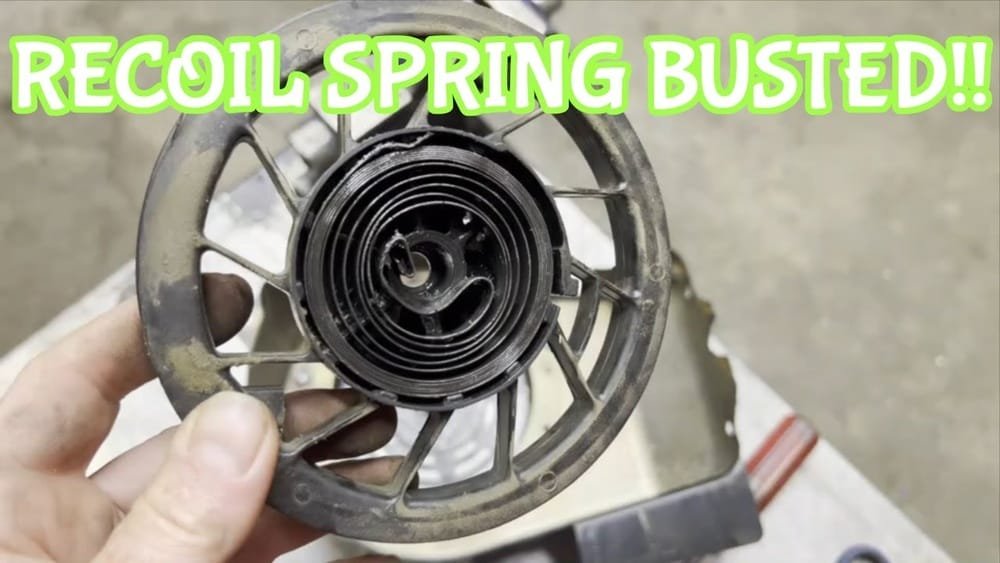
When the starter rope won’t go back in, it usually means something is jammed or broken. Most mowers use a spring-loaded recoil starter. You pull the rope, it turns the engine, then a spring pulls the rope back. If the spring, pulley, or rope is damaged, the whole system can fail.
In my case, I learned there were several possible reasons:
- The rope was stuck or tangled.
- The recoil spring was broken.
- The pulley inside was jammed.
- Dirt and grass had built up inside.
- The rope itself was frayed or stuck.
Honestly, I didn’t know what the problem was at first. I had to open it up and check.
First Things First: Safety
Before I did anything, I made sure to stay safe. I removed the spark plug wire. This is important. If the mower starts by accident, you could get hurt. I also wore gloves to avoid cuts.
Step-by-step: Diagnosing The Problem
Let me walk you through how I checked my mower.
1. Remove The Starter Assembly
I used a screwdriver to take off the top cover. This gave me access to the starter assembly. Most mowers have 3 to 5 screws holding it in place.
2. Inspect The Rope
I looked at the rope first. Sometimes, it gets caught or tangled on the pulley. If the rope is frayed, it can bunch up and jam. Mine was a little worn but not broken.
3. Check The Pulley And Recoil Spring
Next, I slowly pulled the rope by hand. I listened for clicks and watched how the pulley moved. The pulley should spin smoothly. If it feels rough or doesn’t move, the spring or pulley might be jammed.
When I turned the pulley, it barely moved. That told me something was wrong inside.
4. Look For Debris
Grass, dirt, and sticks can get inside the starter housing. I found a lot of dry grass packed around the spring. This was stopping the pulley from turning.
5. Examine The Spring
If the rope and pulley look fine, the recoil spring might be broken or out of place. I used a flashlight to check the spring. Mine was still attached, but it was stiff and had some rust.
Common Causes And How To Fix Each One
Here’s what I found, and how I dealt with each issue.
The Rope Is Tangled Or Jammed
If the rope gets stuck, it can’t rewind. I untangled mine by gently pulling it out and winding it back in by hand. If your rope is badly frayed, you might need to replace it.
The Pulley Is Jammed
Dirt and debris can block the pulley. I used a brush to clean everything out. A little WD-40 helped the pulley spin better. Be careful not to spray too much—just a light touch.
The Recoil Spring Is Broken
If the spring is snapped, the rope won’t retract at all. This is a common problem after many seasons of mowing. I had to order a new spring for my old mower. Installing it was a bit tricky, but watching a quick video helped.
The Rope Is Stuck Or Too Short
Sometimes the rope gets pulled all the way out and won’t go back in. If this happens, you may need to re-thread the rope onto the pulley. I used a lighter to melt the end of the rope so it would not fray, then threaded it back in.
The Starter Assembly Is Worn Out
After years of use, the plastic parts inside can crack. If you see cracked or broken parts, you may need to replace the whole assembly. I compared prices at the store. Sometimes a new starter costs less than buying all the small parts.
Comparing Solutions: Repair Or Replace?
I had to decide: should I fix the old starter, or just buy a new one? Here’s how I compared the options:
| Option | Cost | Time Needed | Difficulty | When to Choose |
|---|---|---|---|---|
| Replace Rope Only | Low ($5-$10) | 30-45 min | Easy | Rope is worn or frayed |
| Replace Spring | Low-Med ($10-$20) | 1-2 hours | Medium | Spring is broken |
| Clean and Lubricate | Free | 15-20 min | Easy | Dirt or debris inside |
| Replace Starter Assembly | Med-High ($25-$50) | 30-60 min | Easy | Major parts are damaged |
I chose to clean and lubricate first. Then I replaced the spring. This saved me money and time.
Tools And Parts You May Need
You don’t need special tools to fix this problem. Here’s what I used:
- Phillips and flathead screwdrivers
- Pliers
- Utility knife
- Replacement rope (usually 6-8 feet, 3/16-inch thick)
- Recoil spring (get the right one for your mower)
- WD-40 or similar lubricant
- Gloves
- Safety glasses
For parts, I checked my mower’s manual for the right sizes. If you don’t have the manual, search for your mower’s model number online.
How To Replace The Starter Rope: My Simple Steps
Let’s say your starter rope is the problem. Here’s how I replaced mine:
- Take off the starter assembly using a screwdriver.
- Carefully unwind any old rope left on the pulley.
- Cut a new length of rope (about 6-8 feet).
- Melt the ends with a lighter so they don’t fray.
- Thread one end through the hole in the pulley and tie a knot.
- Wind the rope around the pulley in the same direction as before.
- Pre-tension the spring by turning the pulley 2-3 times.
- Feed the other end of the rope through the starter housing hole and attach the handle.
- Let the spring pull the rope back in, guiding it so it doesn’t slip.
- Reattach the starter assembly and test.
It took me about 40 minutes the first time, but less once I got the hang of it.
How To Replace The Recoil Spring
If your spring is broken, don’t worry. Replacing it is a bit harder, but doable.
- Remove the starter assembly.
- Take out the pulley (it may have a small clip).
- Carefully remove the old spring. Be careful—it can snap!
- Insert the new spring, making sure it catches in the right notch.
- Reinstall the pulley and rope.
- Wind the pulley to add tension, then feed in the rope.
- Test the recoil before putting everything back.
A tip: wear safety glasses. The spring can jump out and hit you if you aren’t careful.
What I Learned About Prevention
Fixing my mower taught me a few things about care:
- Clean the starter area every few months. Grass and dirt build up faster than you think.
- Use good quality rope. Cheap rope frays and breaks sooner.
- Lubricate moving parts with a light oil, but avoid getting oil on the rope.
- Store the mower inside when not in use. Rain and dampness cause rust.
- Don’t yank the rope too hard. Steady pulls work best.
Here’s a simple chart to show which problems are most common and how long each fix takes:
| Problem | How Often | Average Fix Time |
|---|---|---|
| Rope fraying or breaking | High | 30-45 min |
| Debris in starter | Medium | 15-20 min |
| Spring failure | Low-Medium | 1-2 hours |
| Pulley damage | Low | 1-2 hours |
When To Call A Professional
Sometimes, the problem is bigger than you can handle. If your mower is very old, or if the engine itself is stuck, it’s better to get help. I once tried to fix an old mower with a seized engine, and I only made things worse.
If you hear grinding noises, see broken metal, or if you’re not sure, call a pro.

Extra Tips And What Beginners Miss
Here are two things I wish I knew earlier:
- Double-check the engine isn’t seized. If the engine is stuck, the rope can’t pull it. Try turning the blade by hand (with the plug wire off). If it doesn’t move, the problem isn’t the rope.
- Label your parts as you take them off. I used a phone camera to snap pictures as I worked. This made reassembly much easier.
Many people skip cleaning or forget to check for hidden grass and dirt. Also, don’t forget to check for small cracks in the pulley—these can cause problems later.
Is It Worth Repairing An Old Mower?
If your mower is more than 10 years old, you may wonder if it’s worth fixing. For me, the repair cost was about $12 and an hour of my time. If your mower is rusty, leaks oil, or has other big problems, you might want to upgrade instead.
New mowers are more efficient and easier to start.
Where To Find Help Online
If you want more guides or help, check your mower’s brand website. I found step-by-step videos on YouTube. For official manuals and diagrams, the Briggs & Stratton Support Page is a great resource.
Frequently Asked Questions
Why Won’t My Starter Rope Retract At All?
Usually, the recoil spring is broken or has come loose. Sometimes, a jammed pulley or a stuck engine can also stop the rope.
Can I Replace The Starter Rope Myself?
Yes! It’s a simple job with basic tools. Just take your time, and remember how things fit together.
How Long Should A Lawn Mower Starter Rope Last?
A good rope should last several years, but frequent use or poor quality rope can cause early wear. Check it each season.
Is It Safe To Use Wd-40 On The Starter Assembly?
Yes, but use just a little. Too much lubricant can attract dirt and cause more problems over time.
What If The Engine Is Hard To Pull Even After Fixing The Rope?
The engine may have another issue, like low oil, a stuck blade, or internal damage. Check these parts or get help from a repair shop.
If you have a lawn mower starter rope not retracting, don’t panic. With a few tools and a little patience, you can fix most problems yourself. I hope my story helps you get your mower running again—and keeps your lawn looking great.

As an Amazon Associate, We earn from qualifying purchases