
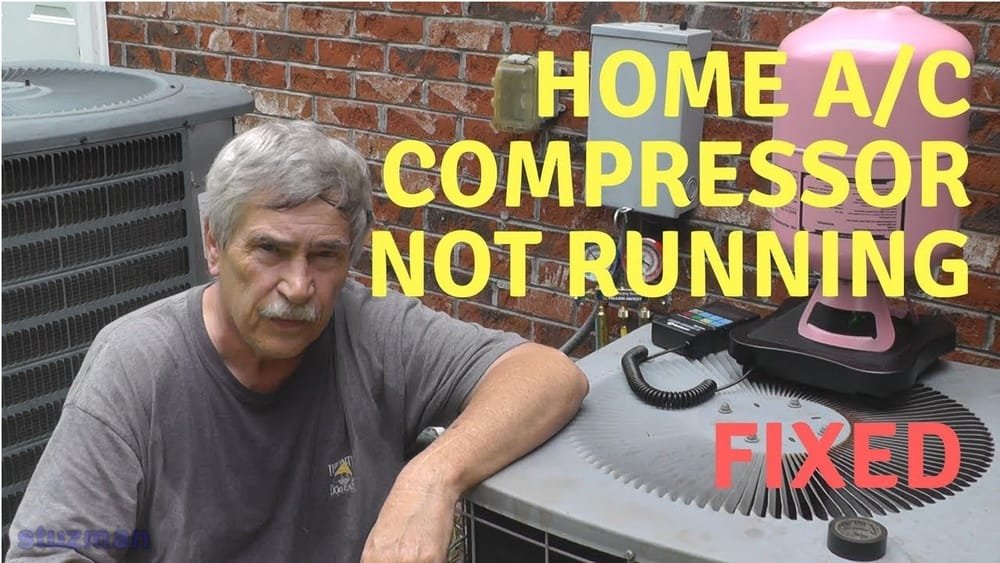
Last summer, the air conditioner in my living room stopped working during the hottest week of July. I remember sitting there, sweating and frustrated, because the air was still and heavy. I could hear the inside fan spinning, but there was no cool air at all.
I walked outside to check the unit. The big fan on the outside was quiet, and I realized the compressor was not kicking on. I’ve dealt with a lot of home repairs, but this one really tested my patience. If you’re reading this, you might be facing the same problem.
Let me walk you through everything I learned—what causes it, how to fix it, and what you should never ignore.
How An Air Conditioner Compressor Works
Before I could solve my problem, I needed to understand what the compressor actually does. The compressor is like the heart of your air conditioning system. It pushes refrigerant through the coils, which helps remove heat from your home. When the compressor doesn’t start, your AC can’t cool the air. The inside fan might blow, but the air stays warm.
I found it helpful to think of the system as a team. Each part needs to work together. If the compressor sits silent, the whole cooling process stops. That’s why you can’t just ignore a compressor that won’t start.
Signs Your Compressor Isn’t Kicking On
Here’s what I noticed when my compressor failed:
- The inside unit’s fan was blowing, but the air wasn’t cold.
- The outside unit was quiet—no humming or clicking.
- The temperature in my house kept rising, even though the AC was running.
- I heard a faint click sometimes, but the big fan outside never spun.
You might see some or all of these signs. Sometimes, you’ll hear the outside unit try to start and then fail. That’s a big clue that the compressor isn’t kicking on.

Common Reasons Why A Compressor Won’t Start
I spent hours researching and talking to technicians. There are several main reasons why a compressor won’t start. Here’s what I learned:
1. Power Problems
The compressor needs steady power. If there’s a blown fuse or tripped breaker, it won’t run. I found my breaker tripped once. Resetting it fixed the problem for a while, but the real cause was deeper.
2. Bad Capacitor
The capacitor gives the compressor a boost to start. If the capacitor fails, the compressor can’t get going. This is one of the most common causes. I replaced mine and the unit started right up.
3. Faulty Contactor
The contactor is a switch that lets electricity reach the compressor. If it burns out or gets stuck, the compressor won’t get power.
4. Thermostat Issues
If the thermostat isn’t working right, it might not tell the system to start the compressor. I once set my thermostat too high by mistake. The compressor never turned on because the room was already cooler than the setting.
5. Refrigerant Problems
Low or leaking refrigerant can cause the compressor to shut down. It’s a safety feature to avoid damage. I had a slow leak that needed a pro to fix.
6. Dirty Coils Or Filters
Blocked coils or dirty filters make the compressor work too hard. Some units have safety switches to stop the compressor if things get too hot.
7. Failed Compressor Motor
Sometimes, the compressor itself is broken. This is usually the worst-case scenario. It’s expensive and often means you need a new unit.
8. Wiring Issues
Loose or damaged wires can stop power from reaching the compressor.
9. Overload Switch Tripped
Many compressors have an overload switch to protect against overheating. If it trips, the compressor won’t run until it cools down and resets.
10. Control Board Failure
Modern AC units have control boards that send signals to different parts. If the board fails, nothing works as it should.
Here’s a quick comparison of the most common issues and their signs:
| Problem | Easy to Check? | Common Sign |
|---|---|---|
| Capacitor | Yes | Humming, no start |
| Contactor | Sometimes | Clicking, no power |
| Thermostat | Yes | AC not turning on at all |
| Refrigerant | No | Warm air, ice on coils |
| Compressor Motor | No | Silent, won’t run |
Step-by-step: What I Did When My Compressor Didn’t Start
If your compressor is not kicking on, you can try these steps. I did them myself, and they helped me find the problem.
1. Check The Power
First, I made sure the AC unit was getting power. I checked the main breaker box and the fuse box near the outside unit. One time, a storm had tripped the breaker. Resetting it made the unit start again.
2. Listen For Sounds
I stood by the outside unit and listened. If you hear a humming noise, but the fan doesn’t spin, it’s often the capacitor. If you hear nothing, it could be a power problem or the compressor itself.
3. Inspect The Capacitor
This part was tricky. I turned off the power, opened the outside panel, and looked for a metal cylinder with wires—the capacitor. Mine was bulging at the top. That’s a sure sign it’s bad. I replaced it with a new one for about $20.
4. Test The Contactor
The contactor is a small box with wires. If it’s burned or pitted, it might not send power to the compressor. I gently pressed the contactor switch with a plastic tool while the power was off. If the compressor works when you do this, the contactor is likely bad.
5. Adjust The Thermostat
I made sure the thermostat was set to “Cool” and a low enough temperature. Sometimes the settings get bumped by accident.
6. Look For Ice Or Leaks
If you see ice on the outside pipes or water near the unit, you might have a refrigerant leak. I called a professional for this, since handling refrigerant isn’t safe without training.
7. Examine The Wires
I checked for loose or chewed wires. Once, I found a wire that a mouse had chewed through. Fixing the wire got my unit working again.
8. Let The Unit Cool Down
If the compressor was hot to the touch, I waited an hour and tried again. Sometimes, the overload switch just needs a break.
Here’s a simple guide to help decide if you need a pro:
| Problem | Safe for DIY? | When to Call a Pro |
|---|---|---|
| Breaker/Fuse | Yes | If breakers keep tripping |
| Capacitor | Maybe | If unsure or uncomfortable |
| Compressor Motor | No | Always |
| Refrigerant Leak | No | Always |
| Control Board | No | Always |
Hidden Issues Most People Miss
Through my experience, I realized there are a couple of things beginners often overlook:
- Voltage fluctuations: My house had unstable voltage during storms. This can damage the compressor or capacitor. If your lights flicker often, have an electrician check your home’s wiring.
- Dirty outdoor units: I once ignored leaves and grass around the outside unit. This blocked airflow, made the compressor overheat, and caused it to shut down. Cleaning the area made a huge difference.
Cost To Fix A Compressor That Won’t Start
I always want to know what things will cost before I call anyone. Here’s a rough idea based on my repairs and what friends have paid:
- Capacitor replacement: $20-$50 DIY, $120-$250 with a technician.
- Contactor replacement: $15-$40 DIY, $120-$200 with a pro.
- Thermostat fix: $25-$60 DIY, $150+ for a smart thermostat and install.
- Refrigerant refill or leak repair: $200-$500.
- New compressor: $900-$2,500 installed.
Sometimes, if the compressor is dead and your AC is old, it makes more sense to replace the whole system. You save money in the long run because newer units use less power.

How To Prevent Compressor Problems
After fixing my AC, I wanted to avoid the same headache. Here’s what I do now:
- Clean the outdoor unit every spring. I clear leaves, grass, and dirt away.
- Change the air filter every 1-2 months during summer.
- Schedule yearly maintenance with a pro. They check refrigerant levels, clean coils, and spot small problems before they grow.
- Watch for odd noises or warm air. Early signs usually mean a small repair, not a big one.
This routine has saved me money and stress. My AC runs smoother, and I haven’t had another big breakdown.
When To Call A Professional
Some jobs are safe for handy people, but others are not. Here’s when I always call a pro:
- If I smell burning or see smoke.
- When I find a refrigerant leak (looks like oily liquid).
- If the compressor is silent and nothing else works.
- When the problem keeps coming back.
Trying to fix these problems myself could make things worse or even be dangerous. Professionals have tools to check electrical currents, pressure, and refrigerant safely.
Why Ignoring Compressor Problems Is Costly
After my experience, I can say it’s never smart to ignore a compressor that won’t start. The house heats up quickly, and people get cranky. But more importantly, running your AC with a broken compressor can damage other parts. You might end up replacing the whole system instead of a single part.
One friend of mine kept running his AC, hoping the problem would “fix itself. ” Instead, his repair bill doubled because the motor and fan burned out too. If your AC isn’t cooling, it’s better to turn it off until you know what’s wrong.
Real-world Example
I want to share one more story. My neighbor’s AC stopped cooling. He checked the breaker and filter, but nothing helped. He called a technician, who found a lizard inside the outdoor unit, blocking the contactor. It sounds funny, but small animals can cause big problems.
The tech cleaned out the unit, replaced the contactor, and the system worked again. Sometimes the fix is simple, but you need to know where to look.

Frequently Asked Questions
Why Does My Air Conditioner Fan Run But Not The Compressor?
This usually means the compressor isn’t getting power or the starting part (like the capacitor) is bad. It could also be a thermostat or contactor problem.
Is It Safe To Replace A Capacitor Myself?
If you’re comfortable turning off the power and following safety steps, you can replace a capacitor. But be careful—capacitors hold a charge even when the power is off. If you’re unsure, call a technician.
How Long Should An Ac Compressor Last?
A well-cared-for compressor should last 10-15 years. Regular maintenance helps it last longer. Power surges and poor airflow can shorten its life.
What Happens If I Keep Running My Ac With A Broken Compressor?
Running the AC with a broken compressor can burn out other parts, like the fan and wiring. It can also raise your electric bill without cooling your home.
Where Can I Get More Information About Ac Repairs?
For more details and expert advice, I recommend visiting the U.S. Department of Energy’s Energy Saver page.
If your air conditioner compressor is not kicking on, I hope my experience and these steps help you stay cool and avoid costly mistakes. Fixing it can be stressful, but knowing what to look for makes all the difference. Stay safe, ask for help when you need it, and keep your cool—literally!
As an Amazon Associate, We earn from qualifying purchases