
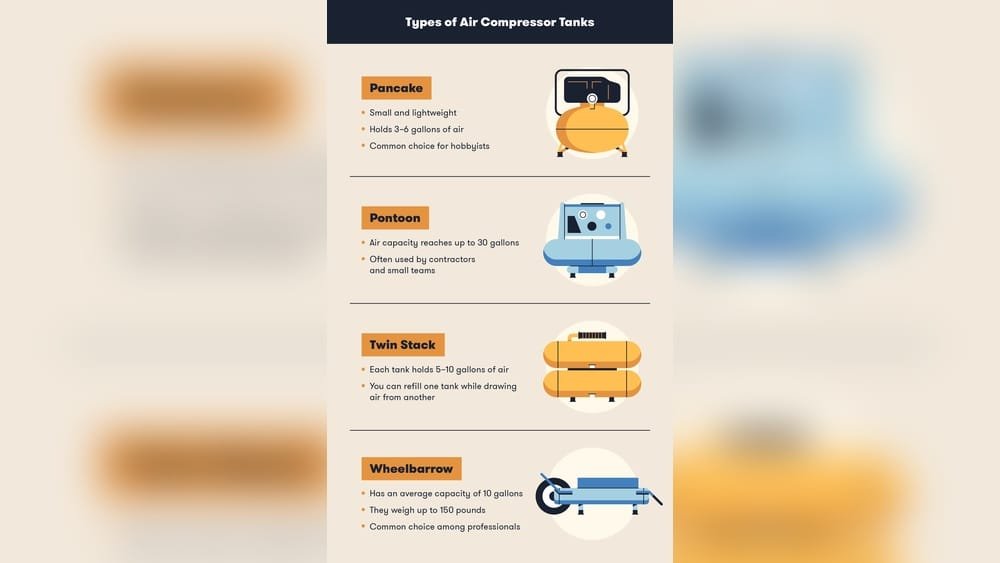
Buying an air compressor isn’t as easy as I thought. I remember the first time I needed one. I stood in the store, confused by all the numbers. I saw CFM, PSI, tank sizes, and I had no clue what they meant. I just wanted something to run my tools and maybe inflate tires. Maybe you feel the same. If you’re asking, “What size air compressor do I need?”—I want to help you. I’ve made mistakes and learned a lot, and I’ll share everything so you can pick the right compressor for your needs.
Why Air Compressor Size Matters
When I first started, I thought any air compressor would work for any tool. That’s not true. The size affects what you can do. If your compressor is too small, your tools won’t work right. If it’s too big, you waste money and space. The right size makes your jobs easier, safer, and more efficient.
Understanding Air Compressor Specifications
Before buying, I learned about these key specs:
- CFM (Cubic Feet per Minute): This tells you how much air the compressor delivers. Most tools need a certain CFM to work.
- PSI (Pounds per Square Inch): This is the air pressure. Some tools need high PSI, but most use around 90 PSI.
- Tank Size: Measured in gallons. Bigger tanks store more air. Small tanks run out faster, so the compressor needs to refill more often.
For example, my old compressor had a 2-gallon tank and only 2 CFM. It could inflate tires, but it struggled with air tools. When I tried to use a nail gun, it kept stopping. That’s when I realized I needed to understand these specs better.

Matching Compressor Size To Your Needs
Let’s break down what size you need for different jobs. I’ve done most of these myself, so I’ll share what works.
1. Inflating Tires And Balls
If you only want to inflate tires, balls, or use blow guns, you don’t need much. A small portable compressor works fine. Look for:
- Tank Size: 1–2 gallons
- CFM: 1–2 CFM at 90 PSI
This is what I used at first. It was light and easy to carry. It filled up bike tires in seconds. But it couldn’t run bigger tools.
2. Staplers, Brad Nailers, And Finish Nailers
For light carpentry, I used a small pancake compressor. Most nailers don’t need much air. Here’s what works:
- Tank Size: 2–4 gallons
- CFM: 2–2.5 CFM at 90 PSI
I used a 3-gallon compressor for finish work, and it never ran out of air. If you use multiple nailers at once, go for a bigger tank.
3. Framing Nailers
Framing nailers need more air. I learned the hard way. My old compressor couldn’t keep up, so I had to wait between nails.
- Tank Size: 4–6 gallons
- CFM: 2.5–4 CFM at 90 PSI
A 6-gallon compressor works well for one framing nailer. If you’re working with a team, get something bigger.
4. Airbrush Painting
Airbrushes use less air, but they need steady flow. I tried a big compressor, but it was too noisy and bulky. A smaller, quieter compressor is better.
- Tank Size: 1–3 gallons
- CFM: 0.5–1 CFM at 20–30 PSI
Look for compressors made for airbrushing. They’re quiet and easy to move.
5. Impact Wrenches, Ratchets, And Other Automotive Tools
This is where I made a big mistake. My first compressor couldn’t run my impact wrench. I had to upgrade.
- Tank Size: 20–30 gallons
- CFM: 4–5 CFM at 90 PSI
If you run multiple tools at once, you’ll need even more. I use a 30-gallon compressor now, and it handles all my automotive jobs.
6. Sandblasting
Sandblasting needs a lot of air. My friend tried with a small compressor—it didn’t work. He had to upgrade.
- Tank Size: 60 gallons or more
- CFM: 10–20 CFM at 90–120 PSI
If you sandblast often, invest in a big, industrial compressor.
7. Painting Cars Or Large Surfaces
Spraying cars needs steady air. I used a mid-size compressor, and it was okay for small jobs. For bigger projects, you need:
- Tank Size: 20–60 gallons
- CFM: 8–12 CFM at 40–60 PSI
I recommend checking your spray gun’s specs before buying.
How To Calculate The Right Size
I learned to check my tool’s requirements first. Most air tools list their CFM and PSI needs on the box or manual. Here’s how I calculate:
- Find the highest CFM tool you’ll use.
- Add 30% extra to that number. This covers leaks and future tools.
- Match the PSI needed.
For example, if my impact wrench needs 4 CFM at 90 PSI, I look for a compressor with at least 5. 2 CFM at 90 PSI.
Comparing Compressor Types
I’ve used both portable and stationary compressors. Here’s what I noticed:
| Type | Best For | Tank Size | Portability |
|---|---|---|---|
| Portable | Small jobs, home use | 1–6 gallons | High |
| Stationary | Auto shops, heavy tools | 20–80 gallons | Low |
Portable compressors are easy to move. I use mine for quick fixes and small tools. Stationary compressors stay in the garage. They power bigger tools and last longer.
Common Mistakes I Made (and How To Avoid Them)
I made several mistakes before finding the right compressor. Here are some you can avoid:
- Ignoring Tool Specs: I bought a compressor without checking my tool’s needs. It couldn’t run my impact wrench.
- Choosing Only by Tank Size: I thought a bigger tank was always better. But CFM is more important. A big tank with low CFM can still struggle.
- Not Planning for Future Tools: I bought a compressor for today’s tools, but later added more. Now I always buy a bit bigger.
- Overpaying for Features: I paid extra for features like digital gauges. They’re nice, but not always needed.
- Noise: My first compressor was very loud. For indoor use, check decibel ratings.
Real-life Examples
Let me share some real stories. My neighbor wanted a compressor for airbrushing models. He bought a huge compressor, but it was noisy and overkill. He switched to a small, quiet model made for airbrushing.
Another friend runs a small car repair shop. He started with a 10-gallon compressor. It worked for one tool, but as business grew, he needed a 60-gallon compressor. He wished he planned for growth.
I use a portable compressor for nailers and a big stationary one for auto work. This way, I don’t waste energy running a big compressor for small jobs.
Comparing Popular Air Compressor Models
Here are some compressors I’ve used or tested:
| Model | Tank Size | CFM at 90 PSI | Noise Level |
|---|---|---|---|
| Bostitch BTFP02012 | 6 gallons | 2.6 | 78 dB |
| California Air Tools 8010 | 8 gallons | 3.0 | 60 dB |
| Craftsman CMEC6150K | 6 gallons | 2.6 | 70 dB |
| Ingersoll Rand SS3 | 30 gallons | 5.7 | 80 dB |
I love the California Air Tools 8010 for small jobs—it’s quiet. The Ingersoll Rand SS3 is perfect for my garage.
Important Questions To Ask Before Buying
Here are questions I ask every time I buy a compressor:
- What tools will I use? List every tool and check their CFM and PSI needs.
- Will I run multiple tools at once? If yes, add their CFM together.
- How often will I use it? Frequent use needs a bigger, more durable compressor.
- Do I need portability? If you move around, pick a lighter model.
- How much space do I have? Some compressors are huge.
Additional Insights Most Beginners Miss
Let me share a couple things I didn’t realize at first:
- Duty Cycle: Not all compressors run nonstop. Most can only run for a certain period before needing rest. If you need continuous air, check the duty cycle.
- Moisture Management: Compressors create water inside the tank. If you paint or sandblast, you need moisture filters. I ruined a paint job once because of water droplets.
These things matter more than you might expect. They can save you headaches and money.
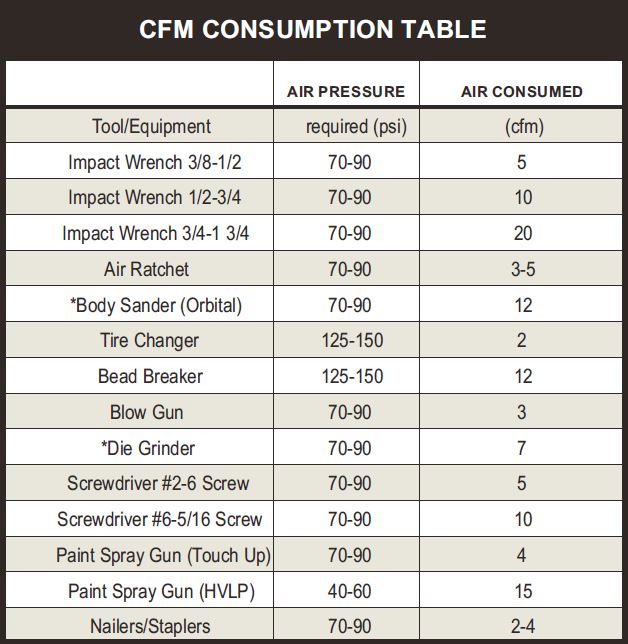
Data Comparison: Cfm Needs For Common Tools
Here’s a quick comparison of CFM needs for popular tools. I use this when planning my compressor purchase.
| Tool | Average CFM | Required PSI |
|---|---|---|
| Framing Nailer | 2–4 | 90 |
| Impact Wrench (1/2″) | 4–5 | 90 |
| Paint Sprayer | 8–12 | 40–60 |
| Airbrush | 0.5–1 | 20–30 |
| Sandblaster | 10–20 | 90–120 |
You can see how CFM needs change with each tool. Always check your tool’s manual.
Tips For Choosing The Right Compressor
From my experience, here are some simple tips:
- Don’t buy the smallest compressor. You’ll outgrow it.
- Check CFM and PSI first, tank size second.
- Plan for future tools and jobs.
- Look for quiet models if you work indoors.
- Think about maintenance. Oil-free compressors need less care.
I also recommend reading expert guides and user reviews. One good resource is Wikipedia.
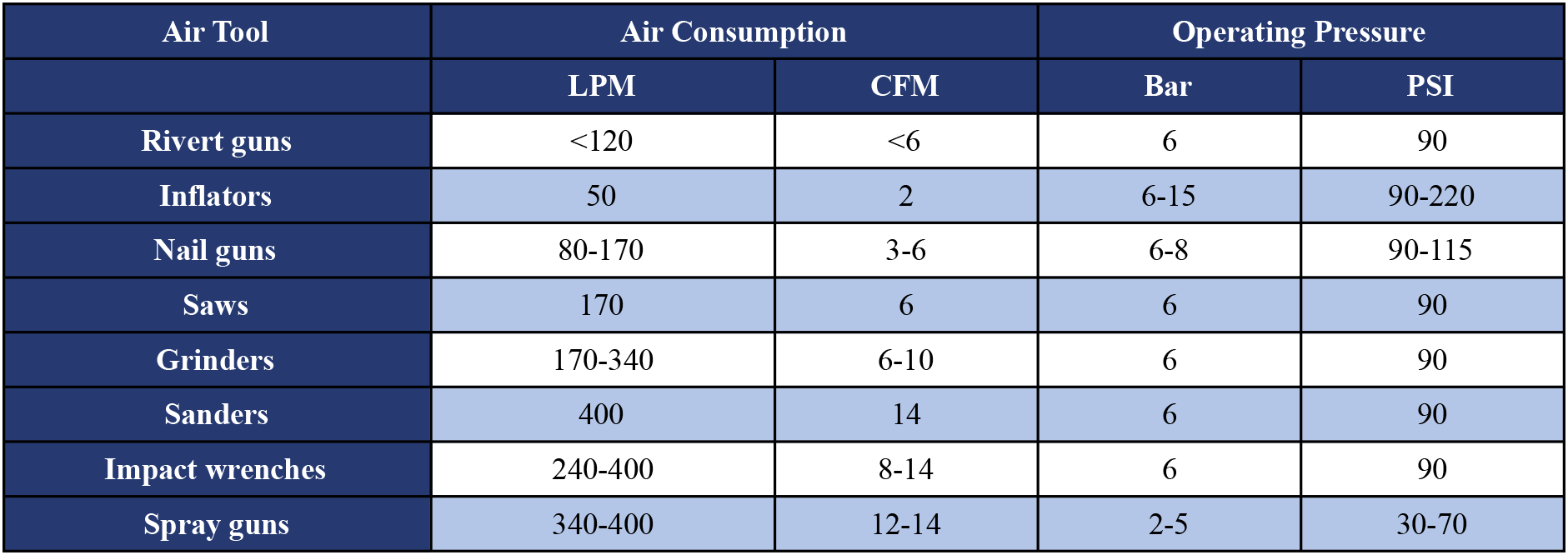
Frequently Asked Questions
What Happens If My Compressor Is Too Small For My Tool?
Your tool won’t work right. It may stall or run slowly. I tried using a small compressor with a big impact wrench. It barely moved. Always match the compressor’s CFM to your tool.
Is A Bigger Tank Always Better?
No. A bigger tank holds more air, but CFM is more important. I bought a big tank once, but it had low CFM. My tools still struggled.
How Loud Are Air Compressors?
It depends. Some are quiet (around 60 dB), others are loud (80+ dB). If you work indoors or late at night, pick a quiet model.
Can I Use One Compressor For All Tools?
Not always. Some tools need more air. If you use many tools, buy a compressor with high CFM and a big tank. I use two compressors—one for small jobs, one for big jobs.
What Is Duty Cycle, And Why Does It Matter?
Duty cycle is how long a compressor can run before resting. If you need constant air (like sandblasting), get a compressor with a high duty cycle. Otherwise, you’ll have to stop and wait.
Air compressor shopping confused me at first. But now, I know what matters: CFM, PSI, tank size, and my tool needs. I hope sharing my experience helps you avoid mistakes and find the perfect compressor. If you plan ahead and check your tool specs, you’ll get the right size for your projects. Remember, it’s better to buy a bit bigger than needed. You’ll be ready for whatever comes next.
As an Amazon Associate, We earn from qualifying purchases