
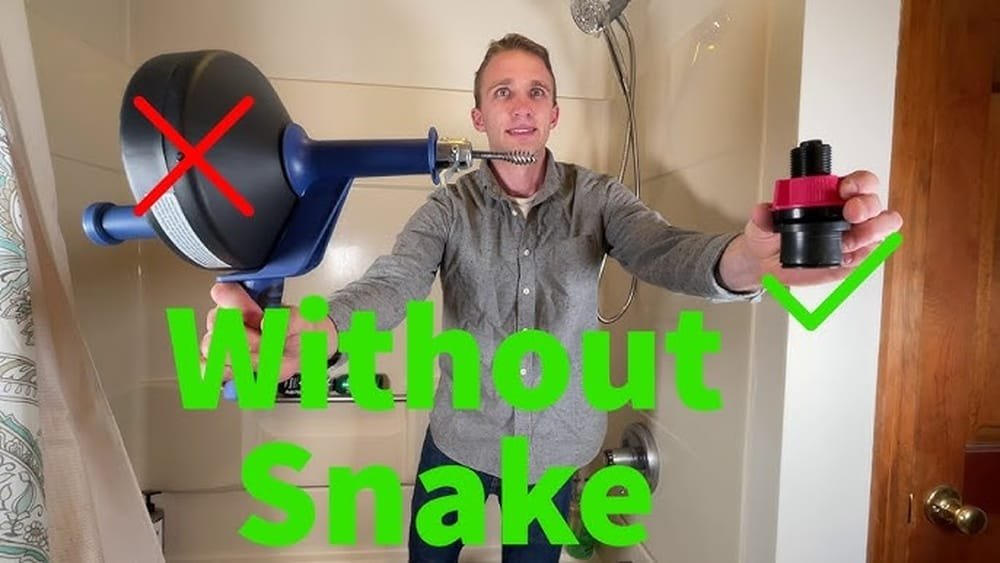
Unclogging A Drain Without A Snake: My Step-by-step Guide
Let me be honest—I’ve had my fair share of clogged drains. I still remember the first time my bathroom sink stopped draining. I didn’t own a plumbing snake, and I really didn’t want to call a plumber for something small.
Over the years, I’ve tried many ways to unclog drains using things I had at home. Some worked, some didn’t. I want to share everything I’ve learned, step by step, so you can fix your clogged drain even if you don’t have a snake.
Understanding Drain Clogs
Before I get into solutions, it helps to know what causes clogs. Most of the time, hair, soap scum, grease, or food bits are the main problems. In the bathroom, it’s usually hair mixed with soap. In the kitchen, it’s often oil, food scraps, or coffee grounds. Sometimes, the clog is just below the drain cover, but other times it’s deeper. Knowing this helped me pick the right method.
Safety First: What I Always Do
I learned the hard way that safety comes first. I always wear rubber gloves to protect my hands from dirty water and sharp things that might be in the drain. I also keep a towel and a bucket nearby for spills. And I never mix strong chemicals because they can make dangerous fumes.

1. Boiling Water: The Easiest First Step
Whenever my drain slows down, I try boiling water first. This works best for clogs caused by soap or grease.
Here’s what I do:
- Boil about 1-2 liters of water.
- Pour it slowly into the drain in two or three stages.
- Wait a few seconds between each pour.
Boiling water melts fat and soap, helping them move down the pipes. It’s simple, safe, and often enough for minor clogs. I’ve cleared my kitchen sink this way more than once. But, be careful—if your pipes are PVC, don’t use boiling water, as it can damage them.
2. Baking Soda And Vinegar: My Go-to Combo
This is probably the trick I use most. Baking soda and vinegar can break down many clogs.
Here’s my routine:
- Pour half a cup of baking soda into the drain.
- Follow with half a cup of white vinegar.
- Cover the drain with a plug or a wet cloth to keep the fizz inside.
- Wait 20-30 minutes.
- Flush with hot water.
The fizzing action helps loosen gunk. I like this method because it’s safe for pipes and eco-friendly. It’s worked wonders in my bathroom sink, especially for hair and soap buildup.
3. Plunger Power: Not Just For Toilets
I used to think plungers were only for toilets. But a cup plunger (the kind with a flat bottom) works great on sinks and tubs.
Here’s how I do it:
- Remove any drain cover.
- Fill the sink or tub with a little water to cover the plunger’s cup.
- Place the plunger over the drain, press down, and pump up and down firmly.
- Do this for 20-30 seconds, then check if water drains.
If you have a double sink, plug the other side to get more force. The suction often pulls out or loosens clogs near the top.
4. The Wire Hanger Trick: My Diy Mini-snake
I didn’t have a plumbing snake, but I did have an old wire coat hanger. Here’s how I made a simple tool:
- Straighten the hanger.
- Make a small hook at one end with pliers.
- Slowly push the hook into the drain and fish for hair or other gunk.
- Pull out what you can, then flush with hot water.
This worked especially well for my shower drain. I was surprised at how much hair I pulled out!
5. Wet/dry Vacuum: A Powerful Secret Weapon
If you have a wet/dry shop vacuum, you can use it on your drain. I only discovered this after talking to a friend who works in maintenance.
What I do:
- Set the vacuum to “wet” mode.
- Seal the hose opening around the drain with an old towel for better suction.
- Turn on the vacuum and let it run for 10-15 seconds.
It can suck out clogs that are too deep for a hanger. I once pulled out a chunk of gunk I never thought possible!
6. Dish Soap And Hot Water: For Greasy Kitchen Drains
When I notice my kitchen drain is slow and suspect grease, I use this:
- Pour a generous squirt of dish soap down the drain.
- Follow with a kettle of hot (not boiling) water.
The soap helps break up grease, and the water washes it away. This saved me after a big family dinner when I forgot to scrape plates properly.
7. Removing And Cleaning The Trap
This is a little messier but works for stubborn sink clogs. The P-trap is the curved pipe under your sink. It often collects debris.
Here’s how I clean it:
- Place a bucket under the trap to catch water.
- Unscrew the nuts holding the trap (hand-tight for plastic, use pliers for metal).
- Remove the trap and clean out any gunk.
- Rinse the trap and reattach it.
The first time I did this, I found a piece of plastic wrapping and a lot of black slime. Once cleaned, my sink drained perfectly.
8. Enzyme Drain Cleaners: Gentle And Effective
When I want something safe for pipes and the environment, I use enzyme-based drain cleaners. They use natural bacteria to eat away organic clogs like hair, soap, or food. It’s slower, taking a few hours or overnight, but very safe.
I pour the recommended amount into the drain at night and run water in the morning. This approach is especially good for maintenance, keeping drains clear over time.
9. Plastic Drain Cleaning Tools
I found these cheap plastic barbed tools at a hardware store. They’re about 18-24 inches long and have little hooks to grab hair.
How I use them:
- Remove any drain stopper.
- Push the tool down the drain and twist gently.
- Pull up to remove hair and buildup.
They’re flexible and get into tight bends. I keep one in each bathroom now.
10. Salt And Baking Soda: An Extra Cleaning Boost
For tough clogs, I sometimes use a mix of salt and baking soda.
- Mix half a cup of salt and half a cup of baking soda.
- Pour into the drain.
- Let it sit at least 30 minutes, or overnight.
- Flush with hot water.
Salt adds scrubbing power, and the baking soda breaks down buildup. I use this in my kitchen sink now and then to keep it fresh.
11. Removing And Cleaning The Stopper
Many sink clogs are just under the drain stopper. I remove the stopper and clean it.
Here’s how:
- Look under the sink for the small rod holding the stopper.
- Unscrew or unclip the rod.
- Pull out the stopper and clean off hair and gunk.
- Put everything back.
The first time I did this, I was shocked how much hair was stuck right there. Now I check stoppers before trying anything else.
12. Using A Drain Bladder
A drain bladder is a rubber tool you attach to a hose. It expands inside the pipe and blasts water through the clog. I borrowed one from a neighbor for a stubborn kitchen clog.
How I did it:
- Attach the bladder to a garden hose.
- Insert it into the drain as far as it will go.
- Turn on the water slowly.
- The bladder expands and sends a strong jet through the pipe.
It cleared out years of buildup. Just make sure all other drains are plugged, or water might come out somewhere else!

13. Comparing Drain Unclogging Methods
Sometimes, choosing the right method depends on the clog and your tools. Here’s how I see the pros and cons:
| Method | Best For | Time Needed | Safety |
|---|---|---|---|
| Boiling Water | Soap/Grease | 5 min | Very Safe |
| Baking Soda & Vinegar | Light clogs | 30 min | Very Safe |
| Plunger | Hair, food | 5-10 min | Safe |
| Wire Hanger | Hair, debris | 10-15 min | Moderate |
| Wet/Dry Vacuum | Deep clogs | 5 min | Safe, but messy |
| Enzyme Cleaner | Organic buildup | 8-12 hrs | Very Safe |
14. When To Try Each Method
I’ve learned to start with the easiest and safest methods first, then move on if needed.
| Drain Type | Best First Method | Backup Method |
|---|---|---|
| Bathroom sink | Remove stopper & clean | Baking soda & vinegar |
| Shower/tub | Plastic barbed tool | Plunger |
| Kitchen sink | Boiling water & dish soap | Remove trap |
| All drains | Enzyme cleaner (maintenance) | Wet/dry vacuum |
15. Mistakes I Made (so You Don’t Have To)
I’ve made a few common mistakes over the years:
- Pouring too many chemicals. Once, I mixed two different cleaners and ended up with a nasty smell and a bigger mess.
- Forcing tools. I broke a plastic hanger in my drain and had to fish it out.
- Forgetting to protect the floor. Water spills are messy! Now I always use a towel and bucket.
- Using boiling water on PVC pipes. It can warp or crack them.
16. Non-obvious Tips For Success
Here are two things I learned that most guides never mention:
- Flush with cold water after using hot water. This helps push the clog farther down and cools the pipes.
- Check outside drains. Sometimes, the problem is not inside your house. I once found my yard drain full of leaves, causing slow drainage inside.
17. When To Call A Plumber
If nothing works after trying all these steps, or if multiple drains back up at once, the problem might be in the main sewer line. That’s when I finally call a plumber. A professional has bigger tools and can find deeper issues.
It’s better to spend a little money than to risk damage to your pipes or home.
If you want more technical details about plumbing and household drains, you can check the Drain cleaner Wikipedia page for a deep dive.
Frequently Asked Questions
What’s The Easiest Way To Unclog A Drain Without A Snake?
For minor clogs, pouring boiling water down the drain is the easiest method. It dissolves grease and soap. If that doesn’t work, try baking soda and vinegar.
Can I Use Bleach To Unclog A Drain?
Bleach can clean and deodorize, but it doesn’t break up most clogs. It’s also harsh on pipes. I avoid bleach for unclogging and use safer options like baking soda and vinegar.
How Can I Prevent Future Clogs?
I use drain strainers to catch hair and food, avoid pouring grease down the sink, and flush drains with hot water weekly. Monthly enzyme cleaners help keep everything clear.
Is It Safe To Use Boiling Water On All Drains?
Boiling water is safe for metal pipes, but it can damage PVC pipes. If you’re not sure what pipes you have, use hot (not boiling) water instead.
What If Water Backs Up In More Than One Drain?
If more than one drain is slow or blocked, the problem is likely in your main drain line. Home methods won’t work here. Call a plumber for help.
Drains can be tricky, but you don’t need fancy tools to handle most clogs. I hope my experiences help you fix your drain quickly and safely!
:max_bytes(150000):strip_icc()/homemade-drain-cleaner-2718784_final-079e81286c3a4742834b5a227d1edc1c.png)
As an Amazon Associate, We earn from qualifying purchases