
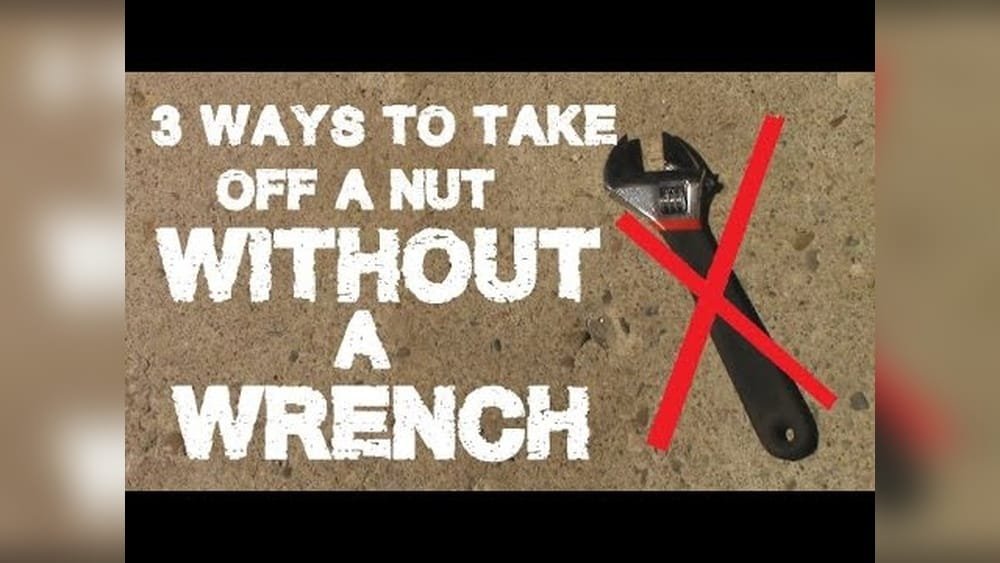
Have you ever needed to open a pipe but didn’t have a wrench? I’ve been there more than once. Pipes get stuck, and sometimes you just can’t find your wrench or maybe you never owned one. The first time I faced this problem, I felt stuck and a little embarrassed.
But over the years, I’ve learned many ways to open a pipe without a wrench. Some are quick fixes, others take a bit of creativity, but all of them work in a pinch.
Let me walk you through what I’ve tried, what worked (and what didn’t), and how you can do it too. I’ll even share some tips that most people miss when trying these tricks. By the end, you’ll feel confident the next time you face a stuck pipe and no wrench in sight.
Why You Might Need To Open A Pipe Without A Wrench
Sometimes, things just don’t go your way. Maybe you’re in the middle of a plumbing job and realize your wrench is missing. Other times, you might be helping someone at their house and they don’t even own a wrench. I’ve even had moments where the wrench just didn’t fit or the space was too tight.
Here are some real-life situations I’ve faced:
- Fixing a leaky faucet at a friend’s house with no tools.
- Changing a shower head in an old apartment where the pipe was rusty and stuck.
- Unclogging a drain when I was traveling and only had basic items.
Tools break, get lost, or simply aren’t there when you need them. That’s when you have to get creative.
Basic Principles: What Makes A Pipe Hard To Open
Before jumping into methods, it helps to know why pipes get stuck. In my experience, these are the main reasons:
- Rust and corrosion: Water and air cause pipes to rust and stick together.
- Over-tightening: Some people think tighter is better, but it just makes opening harder.
- Old plumbing: Older pipes are often stuck from years of use.
Understanding these helps you choose the right method. Sometimes you need more grip, other times you need to loosen the rust.
Safety First: What You Need To Know
I can’t stress this enough—safety comes first. Pipes can be sharp, especially if they’re old or corroded. Once, I cut my hand on a jagged pipe edge and had to stop everything to get a bandage. Always wear work gloves if you have them. And if you’re working around water, make sure the supply is off.
Some pipes (like gas lines) are dangerous to open without the right tool or experience. If you’re ever unsure, call a professional. It’s not worth the risk.
Methods I’ve Used To Open A Pipe Without A Wrench
Now, let’s get into the real solutions. I’ll share the most reliable tricks I’ve tried, plus a few bonus tips you might not expect.
1. Using Adjustable Pliers
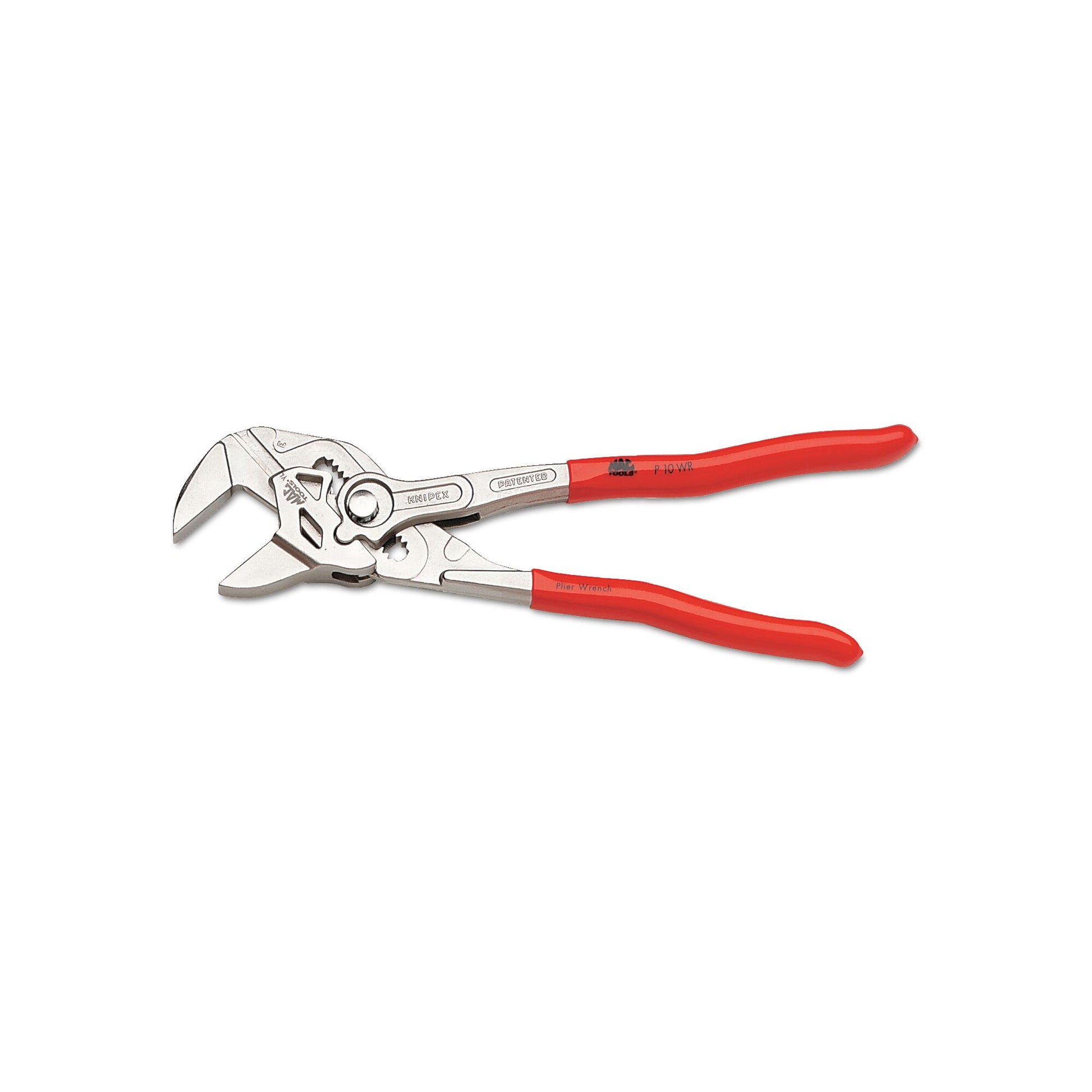
When I didn’t have a wrench, my first choice was often a pair of adjustable pliers. They give you a strong grip and work on most pipe sizes. If you have a pair, here’s how I do it:
- Open the pliers as wide as you need.
- Position them around the pipe fitting.
- Squeeze tight and turn counterclockwise.
If the pipe is slippery, wrap a rag or rubber band around it first. This adds grip and protects the pipe from scratches. Don’t force it too hard—gentle, steady pressure works better.
2. The Belt Trick
One time, I was at a friend’s house with zero tools. I took off my leather belt and tried something I’d read online. Surprisingly, it worked!
- Wrap the belt around the pipe or fitting.
- Hold one end with each hand.
- Pull tight and twist.
The leather gives a good grip, especially on smooth pipes. If your belt is too thin, try doubling it for more strength. This trick is great for shower heads, sink traps, or anything round.
3. Rubber Gloves For Extra Grip
Don’t laugh—rubber gloves (like the ones for washing dishes) can be a lifesaver. I’ve used them many times on smaller pipes and faucets.
- Put on the gloves.
- Grab the pipe firmly.
- Twist slowly and steadily.
The rubber adds friction, which helps you turn even stuck pipes. If you don’t have gloves, a thick rubber band wrapped around the pipe works in a pinch.
4. Using A Rope Or String
This might sound odd, but a strong rope or thick string can help open certain pipes. I learned this from a plumber friend.
- Wrap the rope around the pipe a few times.
- Hold the ends tight.
- Pull in the direction you want to turn.
It’s almost like a DIY strap wrench. This works best on round, smooth pipes that aren’t too tight.
5. Wooden Dowel Or Broom Handle
When you need more torque, you can use a wooden dowel or the end of a broom handle. I’ve done this with pipes that have a hole or space to insert the stick.
- Insert the stick through the hole or against a notch in the fitting.
- Use it as a lever to turn the pipe.
Be careful not to break the pipe or fitting. This method gives you more leverage, but don’t force it if it feels like it might snap.
6. Duct Tape For Emergency Grip
Once, I was stuck with nothing but duct tape. It sounds silly, but it works if you do it right.
- Wrap the duct tape around the pipe several times, leaving a long “tail.”
- Hold the tail and pull hard to twist the pipe.
The tape sticks to itself and the pipe, giving you something to hold onto. It’s not as strong as a wrench, but it can do the job on smaller pipes.
7. Hot Water To Loosen Stuck Pipes
If rust or old grime is making the pipe stick, hot water can help. I learned this when working with an old sink.
- Boil water and pour it slowly over the stuck part.
- Wait a minute for the metal to expand.
- Try turning the pipe using one of the above methods.
The heat makes the metal expand, loosening the rust. Just be careful not to burn yourself, and avoid using this on plastic pipes.
8. Penetrating Oil Or Lubricant
When a pipe just won’t budge, I use penetrating oil (like WD-40). Spray it on the joint and wait 10-15 minutes. The oil seeps into the threads and helps break the rust.
After letting it sit, try your pliers, belt, or gloves again. Sometimes it takes a few tries. If you don’t have commercial oil, even regular cooking oil can help a bit in a pinch.
9. Hammer Taps For Stubborn Pipes
This one took me a while to learn. Sometimes, gentle taps with a hammer can break the grip of rust or old sealant.
- Tap gently around the pipe joint (don’t hit too hard).
- Try to twist the pipe after tapping.
Don’t smash the pipe—just light taps to shake things loose. It’s especially helpful on old metal pipes.
10. The Freezer Bag Trick
Here’s one most people never try: freezing the pipe. If you can’t use heat, try cold.
- Fill a freezer bag with ice.
- Place it on the pipe for 10-15 minutes.
- The metal contracts, sometimes breaking the rust seal.
I used this once on a small bathroom pipe, and it worked when nothing else did. Combine this with other methods for tough jobs.
Comparing Different Methods
Some methods are better than others, depending on the situation. Here’s a quick comparison of what I’ve found works best:
| Method | Best For | Success Rate (My Experience) |
|---|---|---|
| Adjustable Pliers | Most pipe sizes | 90% |
| Belt Trick | Shower heads, sink traps | 80% |
| Rubber Gloves | Small fittings | 70% |
| Rope/String | Round, smooth pipes | 60% |
| Duct Tape | Emergency situations | 50% |
Things To Avoid When Opening A Pipe Without A Wrench
Over the years, I’ve made my share of mistakes. Here are a few things I learned not to do:
- Don’t use your teeth or bare hands. I know it sounds obvious, but in a moment of frustration, you might try. It’s not worth the risk.
- Don’t hit pipes too hard. You can crack or bend them, making the problem worse.
- Don’t use fire or extreme heat. Unless you’re trained, it’s dangerous and can damage pipes.
- Don’t force plastic pipes. They break easily. Use gentle methods and avoid anything that could crack them.
Key Insights Most Beginners Miss
There are a couple of things I wish I knew when I started:
- Leverage is everything. Even a little extra length (like a broom handle) can make a huge difference.
- Friction is your friend. Rubber, leather, or textured surfaces give much more grip than bare hands.
- Patience matters. Sometimes, letting oil sit for a while or giving yourself a break can help more than brute force.
Table: Materials That Help With Grip
When you don’t have a wrench, the right material makes a difference. Here’s a quick guide I put together:
| Material | Grip Quality | Best Use |
|---|---|---|
| Rubber Gloves | Excellent | Small pipes, faucets |
| Leather Belt | Very Good | Shower heads, round pipes |
| Duct Tape | Good | Emergency, any pipe |
| Rope/String | Medium | Round, smooth pipes |
| Cloth Rag | Low | Lightly stuck pipes |
When To Call A Professional
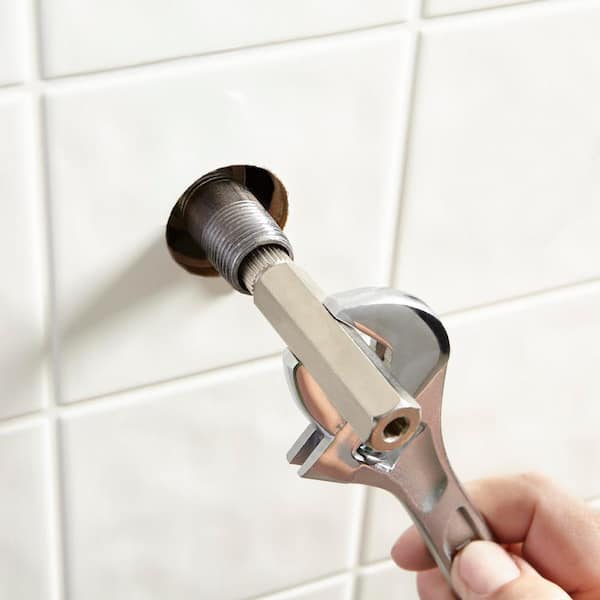
I know it feels good to fix things yourself. But sometimes, you need help. If the pipe is part of your gas line, or you see signs of major rust or damage, call a plumber. It’s also a good idea if you’ve tried everything and nothing works.
Plumbing mistakes can cost more to fix later.
Practical Tips For Success
Here are a few final tips from my own experience:
- Take your time. Rushing leads to mistakes.
- Clean the area first. Dirt and grime can hide where you need to grip.
- Check for shut-off valves. Always turn off water before starting.
- Keep basic supplies handy. A pair of gloves and some duct tape go a long way.
You don’t need fancy tools to get the job done. A little creativity and patience can solve most stuck pipe problems.
If you want to learn more about plumbing basics, the Wikipedia Plumbing page has useful information.

Frequently Asked Questions
What Can I Use If I Don’t Have A Wrench To Open A Pipe?
Try adjustable pliers, a leather belt, or even rubber gloves. For small pipes, duct tape or a strong rope can help. The key is to use something that adds grip and leverage.
Is It Safe To Use Hot Water To Loosen A Pipe?
Yes, for metal pipes it’s safe if you pour the water slowly and carefully. Never use boiling water on plastic pipes—they can soften or warp.
How Can I Avoid Damaging The Pipe?
Use soft materials like rubber gloves or wrap a rag around the pipe before gripping. Avoid using too much force or hitting the pipe with hard objects.
What If The Pipe Still Won’t Budge?
Let some penetrating oil sit on the joint and try again after 10-15 minutes. If it’s still stuck, you may need to call a professional, especially if you see signs of rust or damage.
Are There Any Tools That Can Replace A Wrench For Pipes?
Yes, a strap wrench is designed for this purpose and works well on round pipes. If you don’t have one, improvising with a belt or rope can give similar results.
—
I hope these tips help you next time you face a stuck pipe without a wrench. I’ve learned these tricks from real-life situations, and they’ve saved me more times than I can count. Remember, a little patience and creativity go a long way.
Good luck with your plumbing adventures!
As an Amazon Associate, We earn from qualifying purchases