
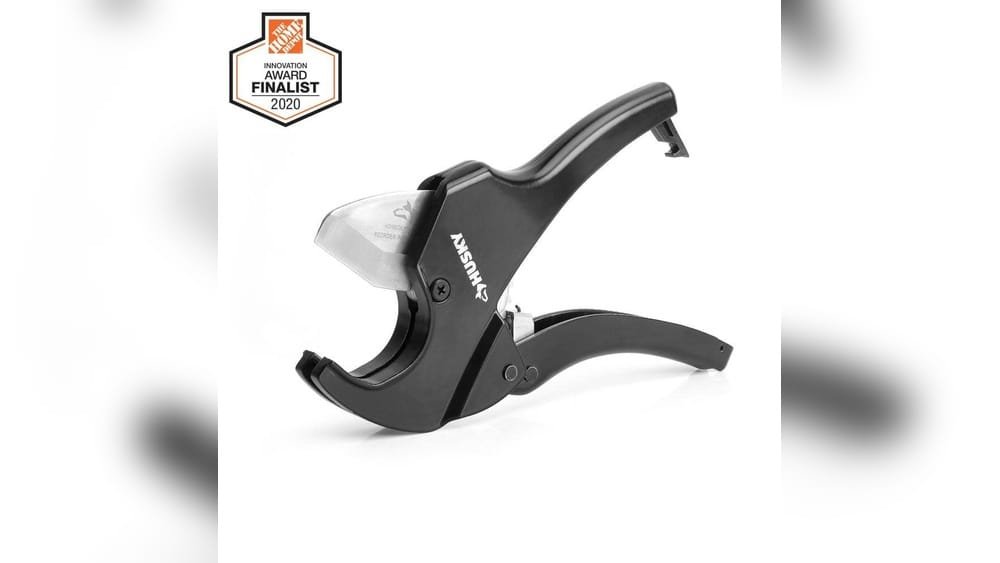
If you’ve ever struggled to cut pipes cleanly, I know how you feel. My first time using a Husky pipe cutter was confusing. I worried about leaks and ugly edges. But over time, I learned some simple tricks that changed everything. I want to share my own journey and tips with you, so you can use this tool like a pro, even if you’re a total beginner.
Why The Husky Pipe Cutter Matters
When I started working on plumbing projects at home, I tried all sorts of tools—hacksaws, old cutters, and even kitchen knives (bad idea!). Most left rough edges or took forever. Then, I picked up a Husky pipe cutter at my local hardware store. Everything changed.
This tool is made for cutting copper, PVC, and PEX pipes. It’s fast and makes a clean cut every time. That means less chance for leaks and no more headaches trying to fit pipes together. If you want plumbing work to look neat and last long, a Husky cutter is a must-have.
Types Of Husky Pipe Cutters
Before I bought my first Husky, I saw a few different kinds. Let me break them down in a way that’s easy to understand:
| Type | Best For | Size Range | Main Benefit |
|---|---|---|---|
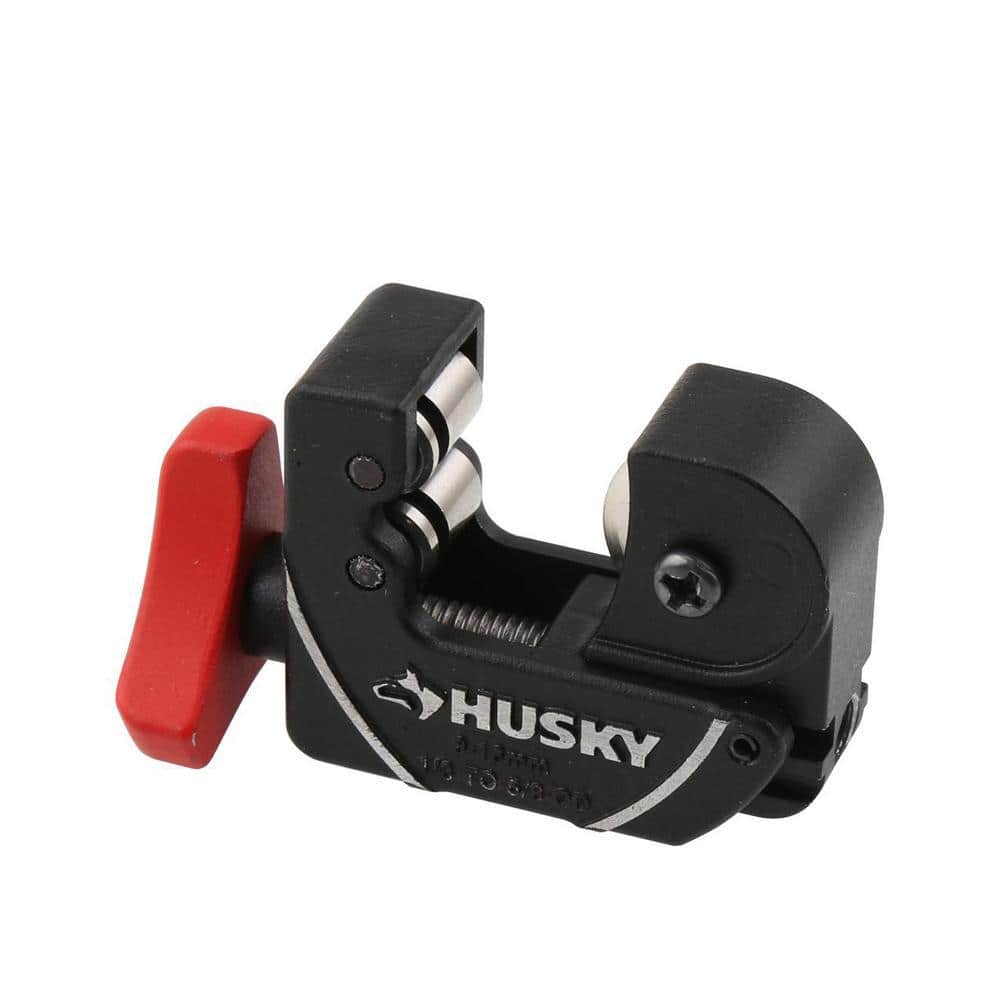
| Mini Tube Cutter | Tight spaces, small pipes | 1/8″ to 5/8″ | Fits where other tools can’t |
| Standard Tube Cutter | Copper, aluminum, brass | 1/4″ to 1-1/8″ | Everyday use |
| PVC Cutter (Ratchet Style) | PVC, CPVC, PEX | Up to 2″ | Strong, easy squeeze |
| Quick-Adjust Cutter | All metals, quick jobs | 1/4″ to 1-1/4″ | Fast size change |
I started with the standard tube cutter. It was perfect for copper pipes under my sink. Later, I added a ratchet PVC cutter for irrigation pipes. If you’re not sure which one you need, think about the pipe material and how much space you have to work.
What You Need Before You Start
Before you grab your Husky cutter, make sure you have:
- The right size cutter for your pipe.
- A marker or pencil (to mark where to cut).
- A tape measure.
- Safety glasses (trust me, little bits can fly).
- A rag or small brush (to clean the pipe).
I once skipped safety glasses and got a tiny copper shaving in my eye. It hurt, and I lost 20 minutes washing it out. Don’t make my mistake—always protect your eyes.
How To Use A Husky Pipe Cutter: Step-by-step
Let me walk you through what I do every time I need a perfect cut.
1. Measure And Mark
I start by measuring the length I need with a tape measure. Double-check your measurement. I’ve cut pipes too short more than once! When I’m sure, I use a marker to draw a clear line around the pipe.
2. Position The Cutter
Open the Husky cutter wide enough to fit the pipe. Place the cutting wheel right on your mark. Make sure it’s straight. If it’s crooked, your cut will be uneven, and fittings might not seal.
3. Tighten Gently
Turn the knob or handle just enough so the cutting wheel touches the pipe. Don’t over-tighten. The first time I used too much force, I crushed a soft copper pipe. It’s better to go slow.
4. Rotate Around The Pipe
Now, turn the cutter around the pipe. As you rotate, tighten the knob a little more—about a quarter turn each time. With a PVC cutter, you’ll squeeze the handles instead. The pipe will score, then break off cleanly.
5. Remove Burrs
After cutting, check the edge. Sometimes, a tiny lip (burr) is left. Many Husky cutters have a built-in tool for this. If yours doesn’t, use sandpaper or a file. I always smooth the edge. It helps the pipe fit better and prevents leaks.
6. Clean Up
Wipe away any shavings or dust. Pipes need to be clean before you glue or solder them. I learned the hard way—once, a bit of copper dust made my solder joint leak.
Husky Pipe Cutter Vs. Other Tools
I’ve tried hacksaws, multi-tools, and even other brands. Here’s a quick comparison based on my experience:
| Tool | Cut Quality | Speed | Effort | Best For |
|---|---|---|---|---|
| Husky Pipe Cutter | Very clean | Fast | Low | All pipes |
| Hacksaw | Rough, uneven | Slow | High | Large pipes |
| Power Saw | Can melt plastic | Very fast | Medium | Thick PVC |
| Multi-Tool Cutter | Average | Medium | Medium | Small repairs |
Every time I switched back to the Husky, I got a straighter, smoother cut. It also saved me time on clean-up.
Pro Tips Most Beginners Miss
Here are a few things I wish I knew when I started. They seem small, but they make a big difference.
- Practice on scrap pipe. I wasted good copper learning the right pressure. Use leftovers to get the feel.
- Replace the cutting wheel. If your cutter starts making rough cuts, the wheel might be dull. Most Husky cutters let you swap it out in seconds.
- Don’t rush. When I went too fast, I got crooked cuts and had to redo my work.
- Check pipe support. If the pipe moves while you cut, you’ll get a bad edge. Hold it steady.
- Clean before gluing or soldering. Even a small bit of dust can ruin a joint.
Common Mistakes And How To Avoid Them
Let me save you from the headaches I’ve had.
- Crushing the pipe: This happens when you tighten too hard at the start. Always begin with light pressure.
- Uneven cuts: Caused by not keeping the cutter square to the pipe. Pause and check from all sides before you start turning.
- Forgetting to remove burrs: This leads to leaks and poor fits.
- Cutting the wrong spot: Always measure twice. The one time I didn’t, I ended up with a pipe two inches too short.
- Using the wrong cutter: Each type is made for certain pipes. Don’t use a metal cutter on plastic, or you’ll crack it.
Care And Maintenance For Your Husky Cutter
I like tools that last. With a little care, my Husky cutter is still sharp after years.
- Clean after each use. Wipe away oil, dust, and shavings.
- Oil the moving parts. I use a drop of light oil every few months.
- Replace the cutting wheel. If you see nicks or it feels dull, swap it for a new one.
- Store in a dry place. Moisture can cause rust, even on good tools.
A well-kept cutter always works better. I’ve lent mine to friends, and they’re surprised how smooth it feels.

When Not To Use A Husky Pipe Cutter
There are a few times I don’t use my Husky. If I’m working with steel pipes thicker than 2 inches, or pipes buried in concrete, I use power tools. Also, if a pipe is badly bent or flattened, the cutter may not grip well.
For those jobs, I use a hacksaw or call a pro.
But for 90% of my home plumbing, my Husky does the job.
Real-life Example: Fixing A Leaky Sink
A while back, my kitchen sink started leaking. The copper pipe had a pinhole. I measured the damaged section, marked it, and used my Husky cutter. The cut was smooth, and the new pipe fit perfectly. That repair has lasted for years with no leaks.
This is why I trust Husky for home repairs. The cuts are always straight, and I never worry about joints failing.
My Favorite Features Of The Husky Pipe Cutter
After using this tool for years, a few features stand out:
- Smooth turning knob: Easy to adjust, even with wet hands.
- Built-in burr removal tool: Saves me time and hassle.
- Strong build: Mine has survived drops, rain, and mud.
- Visible cutting wheel: I can see exactly where I’m cutting.
These small things make a big difference when you’re working in tight spots or under a sink.
Where To Get More Help
If you’re new to plumbing or want step-by-step videos, I recommend checking the official Husky website or Home Depot’s resource page. Their guides are clear, and you can see the tools in action.

Frequently Asked Questions
How Do I Know Which Husky Pipe Cutter To Buy?
Pick based on the pipe type and size. For copper or metal, the standard or mini cutter is best. For PVC, use the ratcheting type. Check the size range on the package. If you’re not sure, bring a piece of your pipe to the store.
Can I Use A Husky Cutter On Old, Corroded Pipes?
Yes, but be careful. Old pipes can be brittle. Go slow and don’t tighten too much at once. Sometimes, a hacksaw is safer if the pipe is very thin or weak.
How Often Should I Replace The Cutting Wheel?
If your cuts start feeling rough or you see metal shavings instead of a clean slice, it’s time to replace. For me, every few dozen cuts on copper, or sooner if I hit something hard.
What Do I Do If My Cutter Gets Stuck?
Loosen the knob and back off. Don’t force it. Check for dirt or a bent wheel. Clean the tool and try again gently.
Is The Husky Pipe Cutter Safe For Beginners?
Absolutely. With a little practice, anyone can use it. Start on some scrap pipe to get the feel. Always wear safety glasses.
—
I hope my stories and tips help you use your Husky pipe cutter with confidence. Once you get the hang of it, you’ll wonder how you ever did plumbing without it. Happy cutting!
As an Amazon Associate, We earn from qualifying purchases