
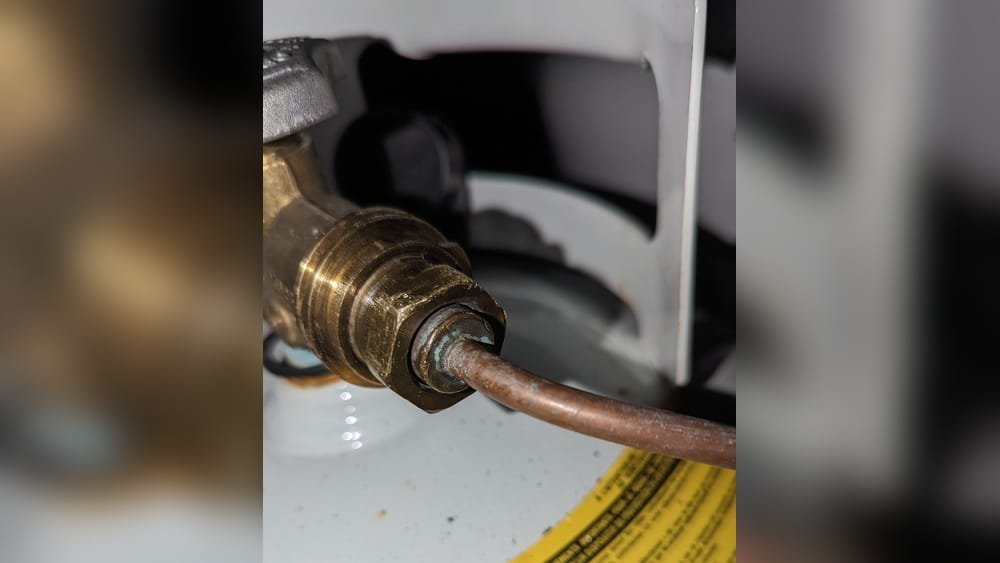
Are Gas Pipe Threads Reversed? My Personal Experience Explained
I remember the first time I tried to fix a gas pipe in my home. I was nervous and a bit confused. The pipes looked strong, and I wanted to do everything right. But then, a question popped into my mind: “Are gas pipe threads reversed?” I’d heard a few people say so, and some online forums made it sound complicated. If you’re wondering about this too, let me share what I’ve learned from years of working with gas fittings and pipes. I promise to keep things simple, clear, and practical—just like I wish someone had done for me when I started.
What Are Gas Pipe Threads?
When I talk about gas pipe threads, I mean the grooves cut into the ends of pipes that let you screw them together. These threads are very important. They make a strong, leak-proof connection, which is critical for gas lines. A tiny leak can be dangerous.
Most gas pipes in homes and businesses use threaded connections. This means you twist the pipe fittings together, usually with a wrench. I’ve seen these threads on black iron pipes, brass fittings, and even some flexible gas connectors.
What Does “reversed Threads” Mean?
The idea of reversed threads can confuse a lot of people. Here’s what it means: normally, when you turn a screw or a pipe to the right (clockwise), it gets tighter. That’s called a right-hand thread. But sometimes, things use left-hand threads—you turn them to the left (counterclockwise) to tighten.
Left-hand threads are rare. They are used when you need something to stay tight, even if the thing it’s attached to spins in the normal direction. For example, gas cylinders and some special valves use left-hand threads to prevent mistakes.
So, when someone asks, “Are gas pipe threads reversed? ” they want to know if you tighten gas pipes by turning them left instead of right.
My Early Mistakes And What I Learned
I’ll be honest. The first time I worked with gas pipe threads, I expected something tricky. I thought maybe, for safety, the threads would be reversed. I even tried turning the pipe the wrong way a few times. It didn’t work, of course!
After a bit of research and talking to a plumber friend, I learned that most gas pipe threads are not reversed. You tighten them by turning right, just like normal screws. That’s how it works for almost every gas pipe in homes and businesses.
But there are some exceptions. I’ll explain those soon.
Standard Thread Direction For Gas Pipes
In my experience, the standard for gas pipe threads is right-hand. That means:
- You turn the pipe or fitting to the right (clockwise) to tighten.
- You turn it to the left (counterclockwise) to loosen.
This is true for most:
- Black iron pipes
- Brass gas fittings
- Flexible gas connectors
I’ve worked on dozens of gas lines in homes, and every time, the threads tightened to the right. It’s simple and easy to remember.
Here’s a quick comparison of thread directions for different types of pipes I’ve handled:
| Pipe Type | Thread Direction | Common Use |
|---|---|---|
| Black Iron Gas Pipe | Right-hand | Home/Business gas lines |
| Brass Gas Fitting | Right-hand | Appliance connections |
| Propane Cylinder Connector | Left-hand (some) | Outdoor grills, tanks |
| Water Pipe | Right-hand | General plumbing |
Most of the time, you won’t run into reversed threads unless you’re dealing with propane tanks or some special valves.
Where Do Reversed Threads Actually Appear?
While regular gas pipes use right-hand threads, there are places where left-hand (reversed) threads are used on purpose. I first noticed this when I tried to hook up a propane tank for my outdoor grill.
Here’s why they use reversed threads:
- Safety: Left-hand threads prevent people from connecting the wrong hose or fitting.
- Special Applications: Some equipment needs to stay tight even if parts spin. Left-hand threads help with this.
From my experience, here’s where I’ve actually seen reversed threads:
- Propane tanks (especially older ones)
- Oxygen and acetylene tanks (used in welding)
- Some gas appliance connectors (rare)
The reversed threads are almost always marked. Sometimes, there’s a groove on the fitting, or the connector is painted with a special color. This helps you know it’s not the usual thread.
How To Tell If Threads Are Reversed
This is something I wish I knew from the start. If you’re not sure which way to turn the fitting, here’s what you can do:
- Look for a marking or arrow. Some reversed fittings have an arrow showing the tighten direction.
- Feel the threads. Left-hand threads slope the other way. It’s subtle but noticeable.
- Try turning gently. If turning right feels wrong, don’t force it. Try left instead.
But remember, never force a fitting. If it doesn’t go on easily, stop and check. Forcing can damage the threads or cause leaks.
Types Of Gas Pipe Threads: The Standards
There are actually several thread standards in the gas world. Here are the ones I’ve worked with most:
1. Npt (national Pipe Thread)
This is the standard in the United States. NPT threads are tapered, which means they get tighter and seal better as you screw them in. Almost all black iron gas pipes use NPT threads.
2. Bspt (british Standard Pipe Tapered)
Used in Europe and other countries. These are also tapered and look a lot like NPT, but the angle is a bit different. Mixing them can cause leaks.
3. Flare Fittings
Not exactly pipe threads, but they’re common on flexible gas connectors for appliances. These usually have right-hand threads.
Here’s a simple table to show the difference:
| Thread Type | Common Use | Direction | Special Note |
|---|---|---|---|
| NPT | US gas pipes | Right-hand | Most common in the US |
| BSPT | International gas pipes | Right-hand | Similar to NPT, not interchangeable |
| Flare | Appliance connectors | Right-hand | Metal-to-metal seal |
| Left-hand | Propane, welding | Left-hand | Rare, for safety |
Common Mistakes I Made (and How You Can Avoid Them)
When I first started, I made some mistakes that cost me time and money. Here’s what I wish I’d known:
1. Mixing Thread Types
I once tried to connect a BSPT fitting to an NPT pipe. It almost fit, but not quite. It leaked badly. Always check the standard on your pipes and fittings.
2. Over-tightening
I thought “tighter is better. ” But if you crank down too hard, you can strip the threads or crack the fitting. Hand-tight plus a quarter turn with a wrench is usually enough.
3. Wrong Thread Direction
I wasted time trying to tighten a left-hand fitting the normal way. If it feels wrong, stop and check.
4. Skipping Thread Sealant
Gas pipes need a special thread sealant (like yellow Teflon tape or pipe dope). I once skipped this step, and the result was a slow gas leak. Always use the correct sealant for gas.
What Really Matters For Gas Pipe Threads
If you’re working on gas pipes, here’s what I’ve learned matters most:
- Know your thread standard. NPT for most US homes, BSPT in some other countries.
- Right-hand threads are the norm. Turn right to tighten.
- Left-hand threads are rare and used for special safety reasons.
- Always use thread sealant made for gas lines.
- Don’t force anything. If it doesn’t fit, check the thread type and direction.
Why The Confusion About Reversed Threads?
I think people get confused because gas is dangerous, and we want to be extra careful. Also, because propane and some other gas systems use left-hand threads, we hear stories about “reversed” gas pipes. But for regular home gas pipes, the threads are almost always right-hand.
Sometimes, technical terms and safety tips get mixed together, which makes things sound harder than they are. I used to worry a lot about making mistakes. Now, I double-check the parts, turn right to tighten, and only switch directions if the fitting is clearly marked.

Two Insights Most Beginners Miss
I wish someone had told me these two things early on:
1. Thread Sealant Is Critical
Many leaks happen not because of the threads, but because people skip using the right sealant. Always use yellow gas-rated tape or pipe dope.
2. Mixing Npt And Bspt Threads Causes Leaks
Even though these threads look alike, they’re not the same. Use the right fittings for your pipes, or you’ll have leaks you can’t stop.
Gas Pipe Thread Vs. Other Plumbing Threads
Here’s something that trips up a lot of people. Water pipes and gas pipes often use similar threads, but sometimes, specialty gas fittings (like for propane or welding) are different. Here’s a quick look:
| Pipe Use | Thread Type | Direction | Sealant Needed? |
|---|---|---|---|
| Water supply | NPT/BSPT | Right-hand | Yes |
| Natural gas | NPT/BSPT | Right-hand | Yes (gas-rated) |
| Propane | Left-hand (some) | Left-hand | Yes (gas-rated) |

Practical Tips When Working With Gas Pipe Threads
Here’s what I do every time I work with gas pipes:
- Double-check the thread type before starting.
- Clean the threads before connecting. Dirt can cause leaks.
- Use the right sealant—yellow Teflon tape or gas-rated pipe dope.
- Hand-tighten first, then a final snug turn with a wrench.
- Test for leaks with soapy water after turning the gas back on. Bubbles mean there’s a leak.
When To Call A Professional
Even with all my experience, there are times when I call a licensed plumber. If the gas smell is strong, or if I’m not sure about a connection, I don’t take risks. Gas leaks are serious.
A professional has the right tools to test for leaks and make sure everything is safe. Plus, in many places, you need a permit or inspection for gas work. Safety comes first.
If you want more technical details about pipe threads, the Wikipedia page on pipe fittings is a great resource.
Frequently Asked Questions
Why Do Some Gas Fittings Use Left-hand Threads?
Left-hand threads are used on some gas fittings to prevent accidental connections. For example, propane tanks often use left-hand threads so you don’t mix them up with other fittings. This is a safety measure.
Are Gas Pipe Threads The Same As Water Pipe Threads?
In most homes, yes. Both gas and water pipes use NPT (National Pipe Thread) in the US. The difference is the sealant—gas lines need a special yellow tape or pipe dope.
Can I Use Regular Teflon Tape On Gas Pipe Threads?
No. Gas pipes need a special thread sealant. The yellow Teflon tape is made for gas lines. Regular (white) Teflon tape is for water only and can leak gas.
How Do I Know If A Fitting Is Left-hand Thread?
Look for special markings, a groove, or color. Left-hand fittings may also have “LH” stamped on them. If you turn right and it doesn’t fit, try turning left gently.
What Should I Do If I Can’t Get A Gas Pipe Fitting To Tighten?
Stop and check. Don’t force it. Make sure the thread type and direction are correct. Clean the threads and try again. If it still doesn’t fit, you may have the wrong fitting or thread standard.
—
If you’re working on gas pipes for the first time, don’t stress about reversed threads. Most of the time, right is tight—just like any other screw. Check your parts, use the right sealant, and stay safe. If you’re ever unsure, a licensed professional can help.
That’s what I do, and it’s kept my home safe for years.
As an Amazon Associate, We earn from qualifying purchases