
I remember the first time I tried to tighten a 1-inch pipe. I thought any pipe wrench would do the job. But after slipping off the pipe twice and bruising my knuckles, I realized choosing the right size pipe wrench is not so simple.
If you’re facing a similar situation, you’re not alone. Let me share what I learned from my own mistakes, so you can avoid the headaches and get the job done right.
Understanding Pipe Wrench Sizes
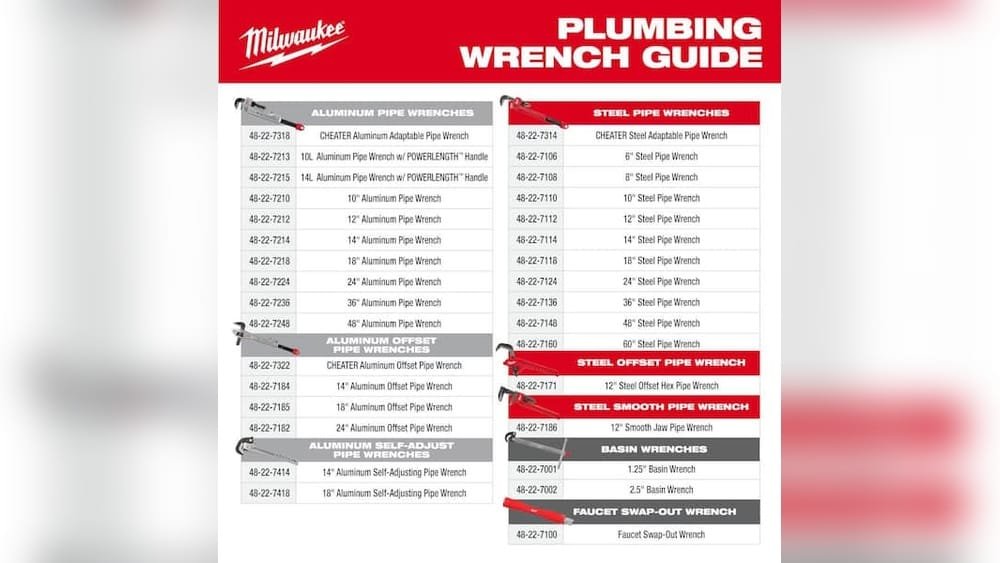
Pipe wrenches come in many sizes. The length of the wrench is usually measured in inches, not the size of pipe it fits. I used to think a “1-inch wrench” matched a “1-inch pipe. ” That’s not true. The wrench size refers to the length of the tool, and the jaw opening tells you what pipe diameter it can grip.
When working with a 1-inch pipe, you want a wrench that gives you enough leverage but isn’t too bulky. I found that if the wrench is too small, it slips and makes the job harder. If it’s too big, it’s heavy, awkward, and can damage the pipe.
What Size Pipe Wrench Works Best For A 1-inch Pipe?
Through trial and error, I discovered that a 14-inch pipe wrench is the sweet spot for most 1-inch pipes. It offers good grip, enough leverage, and is easy to handle in tight spaces. Sometimes, a 10-inch wrench works if the pipe isn’t stubborn. But when you need extra force, a 14-inch wrench is safer.
Here’s a comparison of common pipe wrench sizes I’ve used for 1-inch pipes:
| Wrench Size | Jaw Opening (max) | Best Use Case |
|---|---|---|
| 10-inch | 1.5 inches | Light, short pipes |
| 14-inch | 2 inches | Standard 1-inch pipes |
| 18-inch | 2.5 inches | Stuck or old pipes |
For most jobs, I reach for the 14-inch wrench. If the pipe is rusty or really tight, I grab an 18-inch. But I rarely use anything smaller than 10-inch, unless space is very limited.
Why Wrench Size Matters
I learned the hard way that using the wrong wrench can lead to frustration and even injury. A wrench that’s too small won’t grip tightly enough, especially if the pipe is stuck. You end up applying more force than needed and risk slipping.
On the other hand, a wrench that’s too big can crush the pipe or damage the threads.
One time, I used an 18-inch wrench on a thin 1-inch pipe. The extra leverage bent the pipe. I had to replace the whole section. That taught me to match the wrench to the pipe, not just grab the biggest tool.
Pipe Material And Wrench Choice
Not all 1-inch pipes are the same. Some are made of steel, others are PVC or copper. Metal pipes can handle more force, but plastic pipes need a gentler touch. When I worked on a PVC pipe, I used a 14-inch wrench but kept the pressure light.
Here’s how pipe material affects wrench size and handling:
| Pipe Material | Recommended Wrench Size | Special Tips |
|---|---|---|
| Steel | 14-18 inch | Use extra force if needed |
| Copper | 10-14 inch | Don’t overtighten; softer metal |
| PVC | 10-14 inch | Use gentle grip; avoid cracks |
If you’re unsure, start with a 14-inch wrench. If the pipe is soft or thin, use less force. For old, stubborn pipes, go up to 18-inch but be careful.
Leverage And Space
One thing that caught me off guard is how much space you need for a bigger wrench. The longer the wrench, the more room you need to swing it. In cramped areas, a 14-inch wrench fits better. I once tried to use an 18-inch wrench under a sink, but there wasn’t enough room to turn it.
I had to switch to a 14-inch and work slowly.
A longer wrench gives more leverage. That means you can turn tight pipes with less effort. But too much leverage can damage fragile pipes. Always check the space before picking your wrench.
Pipe Wrench Types
There are a few types of pipe wrenches. The most common is the straight pipe wrench. It works for most jobs. But sometimes, you’ll need an offset pipe wrench or a chain wrench.
- Straight pipe wrench: Best for standard work.
- Offset pipe wrench: Helps in tight corners.
- Chain wrench: Good for odd shapes or when the pipe is too big for a standard wrench.
For a 1-inch pipe, I almost always use a straight wrench. If the pipe is hard to reach, I grab an offset wrench. Chain wrenches are rare for this size.
How To Use A Pipe Wrench Correctly
When I first used a pipe wrench, I made a few mistakes. Here’s how I learned to use it right:
- Adjust the jaw so it fits snugly around the pipe.
- Position the wrench so the teeth bite into the pipe. The wrench should face the direction you want to turn.
- Grip the handle firmly but don’t squeeze too hard. Let the tool do the work.
- Turn slowly, keeping your hand away from the pipe’s end. This saves your knuckles if the wrench slips.
Most people forget to check the jaw adjustment. If it’s too loose, the wrench slips. If it’s too tight, you can damage the pipe. I always double-check before turning.
Common Mistakes Beginners Make
I’ve made almost every mistake possible. Here are the most frequent ones:
- Using the wrong wrench size: Too small slips, too big damages.
- Overtightening the wrench jaw: This can crush softer pipes.
- Not checking pipe material: Metal can take force, plastic cannot.
- Ignoring space limitations: Big wrench in small space is a problem.
- Applying too much force: Let the wrench do the work.
One mistake I made was forgetting to clean the pipe. Dirt or grease on the pipe makes the wrench slip. Now, I always wipe down the pipe before starting.
How To Choose The Right Pipe Wrench
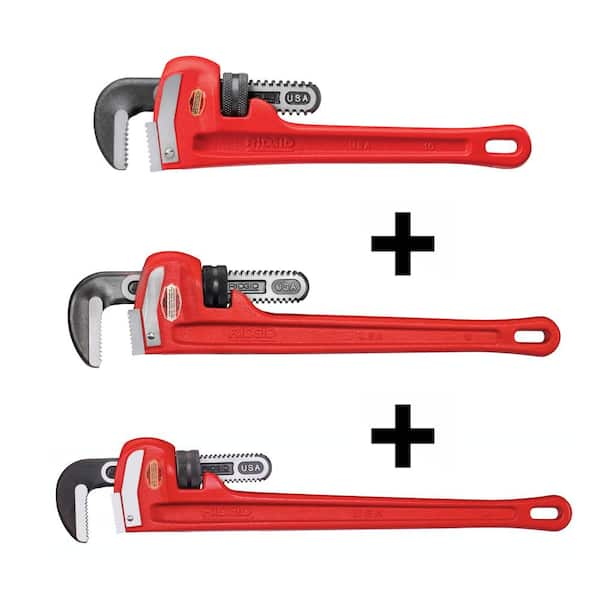
If you’re shopping for a pipe wrench for a 1-inch pipe, here’s what matters most:
- Jaw opening: Make sure it fits a 1-inch diameter.
- Handle length: 14-inch is best for most cases.
- Weight: Heavier wrenches give more leverage but can tire your hand.
- Material: Steel wrenches last longer.
- Brand: Go for trusted brands. Cheap wrenches often slip.
Avoid wrenches that look flimsy or have loose jaws. A solid, well-built wrench makes the job easier and safer.
My Favorite Pipe Wrench Brands
Over the years, I’ve tried many brands. Some worked better than others.
- RIDGID: Very durable, reliable grip.
- Stanley: Good for home use, affordable.
- Crescent: Lightweight, easy to handle.
I prefer RIDGID for tough jobs. For lighter tasks, Stanley is fine. Don’t buy unknown brands from discount stores. They usually don’t last.

Pipe Wrench Maintenance Tips
I learned that taking care of your wrench keeps it working for years. Here’s how I do it:
- Clean after every use: Wipe off dirt and oil.
- Check the jaw teeth: If they’re worn, replace the wrench.
- Lubricate moving parts: A drop of oil keeps it smooth.
- Store in a dry place: Prevents rust.
I once left my wrench outside. It rusted overnight. After that, I always store it indoors.
Real-life Example: Fixing A Leaking 1-inch Pipe
Let me share a story. Last winter, my basement pipe started leaking. It was a 1-inch steel pipe. I grabbed my 14-inch wrench, but the pipe was stuck. I switched to an 18-inch wrench for extra leverage. The pipe loosened, but I noticed the threads were getting damaged.
I stopped, switched back to the 14-inch, and took it slow. The pipe came off without further damage.
From this, I learned that starting with a bigger wrench is tempting, but it can cause trouble. It’s better to use the right size and add force gradually.
How Much Torque Do You Need For A 1-inch Pipe?
Torque is the force needed to turn the pipe. For a 1-inch steel pipe, a 14-inch wrench gives enough torque for most jobs. If the pipe is very tight, you might need up to 200 foot-pounds. But be careful not to overdo it.
Here’s a quick look at wrench size and typical torque:
| Wrench Size | Approx. Torque | Pipe Type |
|---|---|---|
| 10-inch | 80-120 ft-lb | PVC/Copper |
| 14-inch | 120-200 ft-lb | Steel |
| 18-inch | 200+ ft-lb | Stuck/Old Steel |
Always start with moderate force and increase only if needed.
Safety Tips When Using Pipe Wrenches
Safety is important. I’ve hurt myself by not paying attention. Here’s what I do now:
- Wear gloves to protect your hands.
- Stand to the side, not in line with the wrench.
- Keep your face away from the pipe.
- Check the wrench teeth before starting.
- Never use a wrench as a hammer.
If the wrench slips, stop and reset. Don’t force it.
When You Might Need A Different Tool
Sometimes, a pipe wrench isn’t the best tool. If the pipe is very smooth, the jaws may slip. In that case, I use strap wrenches or locking pliers. For delicate pipes, a strap wrench won’t damage the surface.
If you’re dealing with fittings instead of pipes, use adjustable wrenches or pliers. Pipe wrenches are designed for round pipes, not fittings.
Where To Learn More
If you want detailed specs or reviews, check out Wikipedia’s Pipe Wrench page. It has lots of information about wrench types, history, and usage.

Frequently Asked Questions
What Happens If I Use A Pipe Wrench That’s Too Small For A 1-inch Pipe?
The wrench may slip off the pipe, making it hard to turn. You risk hurting your hands and damaging the pipe surface.
Can I Use An Adjustable Wrench For A 1-inch Pipe?
Adjustable wrenches are not designed for round pipes. They don’t grip as well as pipe wrenches. You may damage the pipe or not get enough leverage.
Is A 14-inch Wrench Always Best For A 1-inch Pipe?
For most jobs, yes. But if the pipe is very tight or old, you might need an 18-inch wrench for extra force. If space is tight, a 10-inch can work.
How Do I Know If My Wrench Is Gripping The Pipe Properly?
Check if the jaw fits snugly. The teeth should bite into the pipe but not crush it. If you feel slipping, adjust the jaw or clean the pipe.
What’s The Best Way To Store A Pipe Wrench?
Keep it in a dry place. Clean it after every use. Oil the moving parts and check the jaw teeth for wear.
—
I hope sharing my experience helps you find the right size pipe wrench for your 1-inch pipe. Remember, a 14-inch wrench is usually perfect, but always consider the pipe material, space, and force needed. Taking the time to choose and use your wrench wisely will save you headaches, money, and your knuckles.
If you’ve got a tough job ahead, don’t hesitate to ask for advice or check out reliable sources. Good luck with your next project!
As an Amazon Associate, We earn from qualifying purchases