
If you’ve ever worked with gas pipes, you know how important it is to make sure they don’t leak. I learned this the hard way during a kitchen renovation. I thought I’d tightened everything enough, but the smell of gas told me otherwise.
After a few scares and lots of research, I finally figured out the right way to seal gas pipe threads. It’s not complicated, but there are details you must get right. I want to share what I’ve learned, so you can avoid mistakes and stay safe.
Why Sealing Gas Pipe Threads Matters
Gas leaks are dangerous. Even tiny leaks can cause fires or explosions. The threads on gas pipes are not airtight by themselves. When you screw two pipes together, there are always small gaps. These gaps let gas escape if you don’t seal them.
Sealing pipe threads gives you peace of mind. You know your gas system is safe, and you won’t wake up to a strange smell.
Choosing The Right Sealant
When I first started, I thought any sealant would work. I grabbed some plumber’s tape from the hardware store and wrapped it around the threads. But I later found out that not all tapes or sealants are safe for gas. Let me break down the main options:
| Sealant Type | Safe for Gas? | Typical Use |
|---|---|---|
| PTFE (Teflon) Tape | Yes, if yellow | Gas and water pipes |
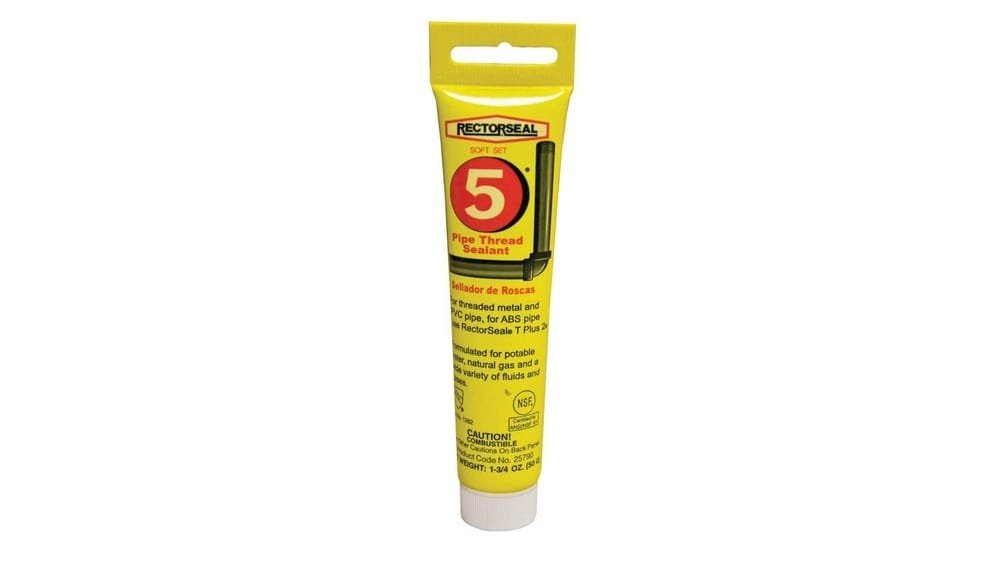
| Pipe Dope (Thread Sealant Paste) | Yes | Gas, oil, steam |
| White Plumber’s Tape | No | Water only |
Yellow PTFE tape is made for gas. It’s thicker and stronger than the white tape used for water pipes. I learned that regular white tape can break down when exposed to gas, which can cause leaks. Pipe dope is a thick paste you brush onto threads. It works well for gas, but you must use a product labeled for gas. Never use sealants meant only for water.
How To Seal Gas Pipe Threads (step-by-step)
Let me walk you through the process I use every time now. It works for both metal and plastic gas pipes.
1. Gather Your Supplies
Before you start, make sure you have:
- Yellow PTFE tape or gas-approved pipe dope
- Clean rag or brush
- Adjustable wrench
- Pipe cutter (if you’re cutting new pipe)
- Gloves (optional, but good for safety)
2. Clean The Threads
This is a step many people skip. I used to, but then I noticed the tape didn’t stick well, and the paste wouldn’t seal right. Dust, oil, or old sealant can stop the new seal from working. Wipe the threads with a clean rag until they shine.
3. Apply The Sealant
If you’re using yellow PTFE tape:
- Hold the end of the tape against the pipe threads.
- Wrap the tape clockwise, starting at the end of the pipe.
- Overlap the tape so it covers all the threads. I usually wrap it three or four times.
- Tear the tape off and press it flat with your fingers.
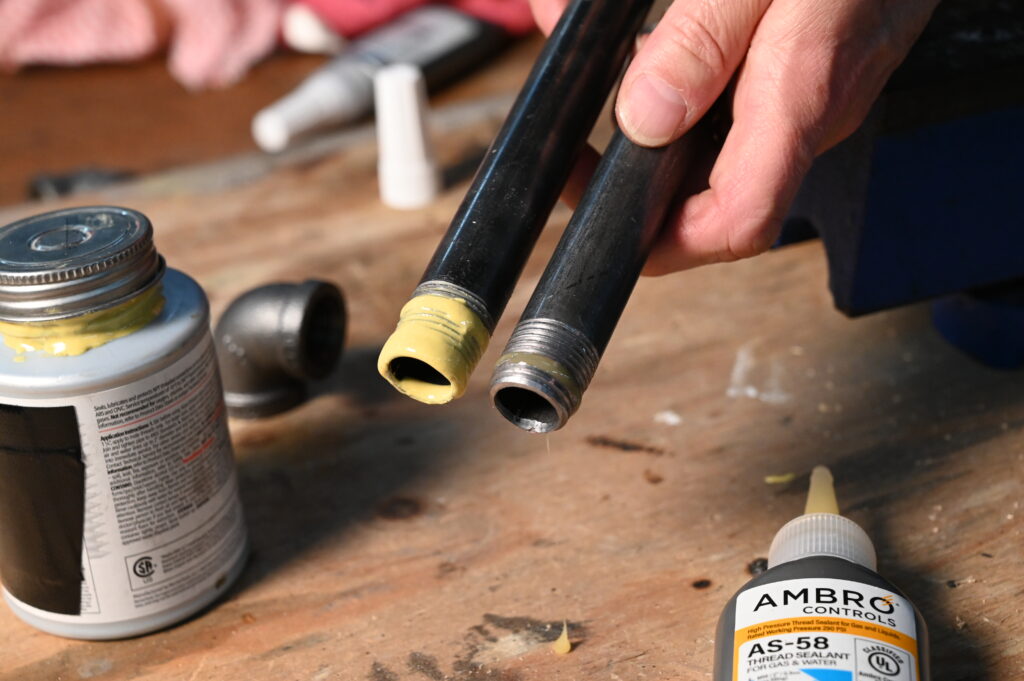
If you’re using pipe dope:
- Dip a brush into the paste.
- Paint a thin, even layer over the threads. Don’t use too much. Extra paste can get squeezed out and clog the gas line.
Some pipes are large, and you need more tape or paste. For small pipes, two wraps of tape might be enough. I always check the label on the sealant for guidance.
4. Screw The Pipes Together
Start by hand. Turn the pipe or fitting slowly, making sure it goes on straight. Once the threads catch, use an adjustable wrench to tighten. Don’t over-tighten. I’ve cracked a fitting before by forcing it too much. Tighten until it feels snug and the pipe stops turning easily.
5. Test For Leaks
After sealing and tightening, always test for leaks. This is the most important step. I mix water and dish soap in a spray bottle. Spray the soapy water on the joints. If you see bubbles forming, there’s a leak. Tighten the connection a bit more, or redo the seal.
Never skip this step.
Common Mistakes And How To Avoid Them
I’ve made most of these mistakes myself, and I see them all the time.
Using The Wrong Tape
A lot of people use white plumber’s tape for gas. This tape is for water pipes only. It breaks down with gas and can cause leaks. Always use yellow PTFE tape.
Not Cleaning Threads
Dirty or oily threads stop sealant from sticking. Always clean the threads first.
Over-tightening
It’s easy to think tighter is better. But too much force can crack fittings or strip threads. Once the connection feels snug, stop.
Too Much Sealant
I used to glob pipe dope all over the threads, thinking more was safer. But extra sealant squeezes into the gas line and can block flow. Use only what you need.
Not Testing After Sealing
Skipping the leak test is tempting. You think you did everything right. But leaks can happen even if you follow the steps. Always check for bubbles.
Safety Precautions
Gas is not something you want to take risks with. Here’s what I do every time:
- Work in a well-ventilated area. Open windows and doors.
- Use gloves to protect your hands from sharp threads and chemicals.
- Never use sealants not labeled for gas.
- If you smell gas, stop and check all connections.
- For big jobs, or if you’re unsure, call a professional.
One thing I learned: gas leaks aren’t always obvious. Sometimes, you won’t smell anything, but there’s still a slow leak. That’s why testing is so important.
Comparing Tape Vs. Paste
I’ve tried both tape and paste for sealing gas pipe threads. Here’s how they compare from my experience:
| Sealant | Ease of Use | Messiness | Effectiveness |
|---|---|---|---|
| Yellow PTFE Tape | Very easy | Clean | High |
| Pipe Dope | Requires brush | Messy | High |
Tape is quicker and less messy. Paste works well, but you have to be careful not to use too much. Both sealants are effective if used correctly. I prefer tape for small projects and paste for larger pipes.
How Long Does A Seal Last?
With the right sealant, a gas pipe thread seal can last decades. I’ve seen connections still tight after 20 years. But seals can fail if they are not applied well, or if the wrong product is used. Temperature changes and vibration can loosen fittings over time. It’s a good idea to check connections every few years, especially if you notice any gas smell.
Real-life Example: My Kitchen Project
During my kitchen remodel, I had to move the stove. That meant running a new gas line. I was nervous because I wanted everything to be perfect. I used yellow PTFE tape, cleaned the threads, and wrapped them just right.
After connecting the pipes, I tested with soapy water. No bubbles! The stove worked perfectly, and I felt confident.
But a month later, I noticed a faint gas smell near the pipe. I checked again and found a tiny leak. I had not wrapped the tape tightly enough on one fitting. I redid the seal, and the leak stopped.
This taught me that even small errors can lead to problems. Now, I always double-check my work.
Professional Tips Most Beginners Miss
Here are two things I wish I knew when I started:
- Don’t reuse old tape or paste. Always remove old sealant and start fresh. Old sealants can dry out or break down.
- Check for leaks again after a few days. Sometimes, a seal can loosen after the gas starts flowing. Testing once is not enough.
Another helpful tip: if you’re ever unsure, check the manufacturer’s instructions. Each product is a bit different. Some tapes need more wraps, some pastes need time to dry.
Legal And Code Requirements
Many places have strict rules for gas pipe work. Some cities require licensed professionals for any gas installation. Even if you do it yourself, follow local codes. Use only approved products. If you’re unsure about the rules, check with your local building department or gas company.

Gas Pipe Materials And Sealant Compatibility
Gas pipes come in different materials. Here’s what works best for each:
| Pipe Material | Recommended Sealant | Notes |
|---|---|---|
| Steel (Black Iron) | Yellow PTFE tape or pipe dope | Most common for gas |
| Brass | Pipe dope | Used for connectors |
| Plastic (CSST) | Check manufacturer | Some require special sealant |
Always check compatibility. Some sealants can damage certain plastics. For CSST gas pipes, use only products recommended by the manufacturer.
When To Call A Professional
I’ve done a lot of gas pipe work myself, but I know my limits. If the job is big, or if you’re not confident, call an expert. Gas leaks are too risky to guess. Professionals have tools to test for leaks and know local rules.
It’s better to pay for help than risk your safety.
Frequently Asked Questions
What Is The Best Sealant For Gas Pipe Threads?
The best sealant is yellow PTFE tape or a gas-rated pipe dope. Both are made for gas pipes and prevent leaks. Always check the product label.
Can I Use White Plumber’s Tape On Gas Pipes?
No, white plumber’s tape is only for water pipes. It can break down with gas and cause leaks. Use yellow tape for gas.
How Tight Should Gas Pipe Threads Be?
Tighten until the connection feels snug and the pipe stops turning easily. Don’t force it. Over-tightening can crack the fitting.
How Can I Check For Gas Leaks After Sealing?
Mix water and dish soap, spray it on the joints, and look for bubbles. If you see bubbles, there’s a leak. Tighten or reseal as needed.
Is Sealing Gas Pipe Threads A Diy Job?
Small jobs can be DIY if you follow safety steps and use the right products. For big projects or if you’re unsure, call a licensed professional.
Sealing gas pipe threads is a job you must take seriously. I’ve learned through trial and error, and now I never skip steps. It’s simple when you know what to do, but mistakes can be costly. Use the right sealant, clean everything well, don’t over-tighten, and always test for leaks. If you want more details on gas safety, you can check this Wikipedia page. Stay safe, and trust your work—your family’s safety depends on it.
As an Amazon Associate, We earn from qualifying purchases