
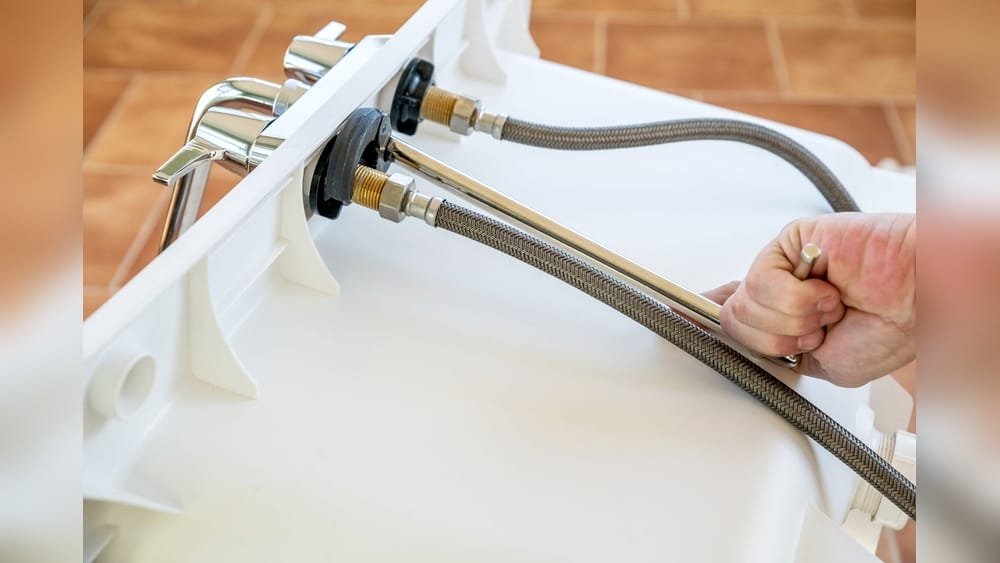
Using an adjustable basin wrench isn’t something I ever thought I’d need to master. But after struggling under a kitchen sink for hours, I realized just how helpful this simple tool can be. Maybe you’ve been there too—tight spaces, hard-to-reach nuts, and feeling stuck.
I want to share everything I’ve learned so you can avoid those headaches and finish your plumbing jobs faster.
What Is An Adjustable Basin Wrench?
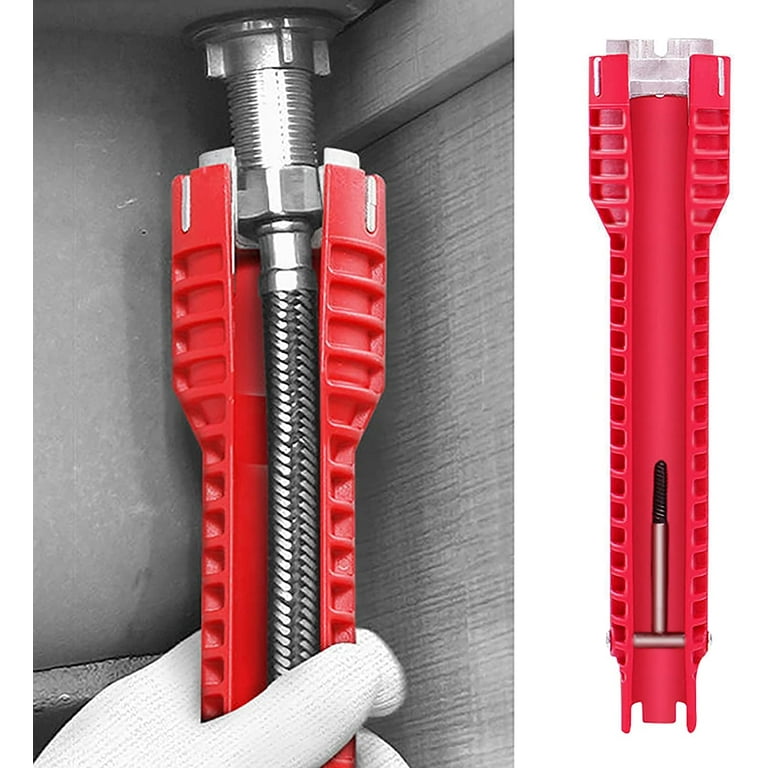
When I first heard about the adjustable basin wrench, I thought it was just another tool in the box. But it’s actually a lifesaver for anyone who needs to loosen or tighten nuts under sinks. It has a long shaft, a pivoting jaw at one end, and a T-shaped handle at the other. The jaw opens wide and clamps onto nuts in tight spaces. The adjustable part lets you fit different sizes, usually from 1/2 inch to 1-1/4 inch.
The shaft is usually about 10 to 17 inches. I like the extra length because sometimes you need to reach way up behind a sink. The handle lets you turn the wrench easily, even when your arm is stretched out.
Why You Need An Adjustable Basin Wrench
When I tried installing my own faucet, the space behind the sink was so narrow I couldn’t even fit my hand. Regular wrenches didn’t work. That’s where the adjustable basin wrench shines. It’s made for:
- Tight spaces where other tools can’t reach
- Plumbing nuts under sinks, especially faucets
- Fast removal and tightening without damaging pipes
If you’re thinking about any DIY plumbing, this tool will save you time and frustration. I learned this the hard way.
Getting Ready: What You Need Before Using The Wrench
Before you start, gather your tools and clear the area. Here’s what I always do:
- Turn off the water supply. Trust me, forgetting this means a big mess.
- Remove everything under the sink. Make space for your tools and your body.
- Have a towel or bucket ready. There might be drips.
- Wear gloves. The area can be dirty, and sharp pipes can hurt your hands.
- Check the nut size. Make sure your basin wrench can adjust wide enough.
A good adjustable basin wrench usually fits most standard faucet nuts. If you’re not sure, check the packaging or measure the nut.
How To Use An Adjustable Basin Wrench: Step-by-step
I still remember my first time using this tool. I was nervous, but soon realized it’s not complicated. Here’s how I do it:
Step 1: Adjust The Jaw
Find the nut you want to loosen or tighten. Turn the jaw on the wrench so it fits around the nut. The wrench’s head pivots, so you can angle it to match your position.
Step 2: Position The Wrench
Slide the wrench shaft up behind the sink. Place the jaw over the nut, making sure it’s gripping tightly. If the nut is stuck, wiggle the wrench a bit to get a good hold.
Step 3: Turn The Handle
Hold the T-shaped handle and twist. For loosening, turn counterclockwise. For tightening, turn clockwise. Sometimes you need to use both hands to get enough force.
Step 4: Remove Or Tighten The Nut
Once the nut starts moving, keep turning until it’s loose enough to remove. If you’re installing a new faucet, use the wrench to tighten the nut until it’s snug. Don’t over-tighten, or you might crack the fitting.
Step 5: Double-check Everything
After you’re done, check for leaks. Turn the water supply back on and watch for drips. If you see any, use the wrench to tighten a bit more.

My Personal Tips For Success
After years of using basin wrenches, I’ve found a few tricks that help:
- Use a flashlight under the sink. It’s always darker than you think.
- Keep patience. Sometimes the nut won’t budge at first—don’t force it too hard.
- Clean the area before starting. Dirt can hide cracks or leaks.
- Practice on old nuts if you’re new. This helps you get used to the tool.
- Try both sides of the jaw. Some wrenches have teeth on both sides—use whichever grips better.
One mistake I made early on was not adjusting the jaw tight enough. The wrench slipped and scratched the pipe. Always check the fit before turning.
Comparing Adjustable Basin Wrench To Other Tools
I’ve tried using other tools, but nothing works as well in tight spaces. Here’s a quick comparison:
| Tool | Best For | Limitations |
|---|---|---|
| Adjustable Basin Wrench | Under-sink nuts | Only works for nuts of certain sizes |
| Pipe Wrench | Large pipes | Too bulky for sinks |
| Channel Lock Pliers | General plumbing | Can’t reach deep nuts |
| Socket Wrench | Automotive jobs | Not for plumbing nuts |
The adjustable basin wrench wins for sink jobs every time. It’s designed for those awkward, hard-to-reach nuts.
Common Mistakes And How To Avoid Them
I’ve made plenty of mistakes while learning. Here are the most common ones:
- Forgetting to turn off water. This leads to leaks and mess.
- Using the wrong size. If the jaw is too loose, you might strip the nut.
- Over-tightening. It’s tempting to crank hard, but this can damage fittings.
- Not checking for leaks after finishing.
- Neglecting safety gear. Gloves and goggles protect from sharp edges and falling debris.
One beginner mistake is trying to use the wrench in the wrong direction. The jaw pivots, but you need to line it up with the direction you want to turn.
Advanced Uses: More Than Just Faucet Nuts
While most people use basin wrenches for faucet nuts, I’ve found they work for other jobs too:
- Toilet tank bolts in tight spaces
- Showerhead nuts when the pipe is close to the wall
- Valve nuts in cramped cabinets
Just remember to check the size and make sure the wrench jaw fits.
How To Maintain Your Basin Wrench
Keeping your wrench in good shape is important. Here’s how I do it:
- Wipe it clean after every use. Dirt can make the jaw stick.
- Oil the pivot if it gets stiff. A drop of machine oil works well.
- Store in a dry place. Moisture can rust the shaft.
- Check for wear. If the teeth are worn, replace the tool.
A well-maintained basin wrench lasts for years. Mine has survived dozens of projects.
Real-life Example: Fixing My Kitchen Sink
Let me tell you about a real job I did. My kitchen faucet was leaking. I looked under the sink and saw the nut was loose. The space was so tight I couldn’t fit a normal wrench. I grabbed my adjustable basin wrench, adjusted the jaw, and slid it up to the nut.
With a few turns, the nut was tight again and the leak stopped.
I learned that having the right tool makes all the difference. If I had forced it with pliers, I might have damaged the pipe or made the leak worse.

How To Choose A Good Adjustable Basin Wrench
If you’re buying your first wrench, here’s what matters:
| Feature | Why It Matters |
|---|---|
| Jaw size | Fits different nuts |
| Pivot head | Access at different angles |
| Length | Reach deep spaces |
| Handle comfort | Easy to grip |
| Quality material | Lasts longer |
Don’t buy the cheapest model. Look for strong steel and a comfortable handle. If possible, try it in your hand before buying.
If you want more details, check Wikipedia for background and technical info.
Troubleshooting: What To Do When Things Go Wrong
Sometimes, things don’t go as planned. Here’s how I handle common problems:
- Nut won’t move: Spray with penetrating oil and wait 10 minutes.
- Jaw slips off: Adjust tighter and check teeth for wear.
- Space too tight: Try repositioning the wrench or use a shorter shaft.
- Pipe moves: Hold the pipe steady with your other hand.
I once had a nut that wouldn’t budge no matter what. I applied oil and waited, then tried again. It finally loosened. Patience helps.
Safety Tips You Should Always Follow
Safety matters, even for simple jobs. Here are my rules:
- Wear gloves. Protects hands from sharp edges.
- Use goggles. Prevents dirt or debris from getting in your eyes.
- Work slowly. Rushing can lead to mistakes.
- Keep tools organized. Reduces accidents.
I learned these tips the hard way. One time, a piece of metal flew up and scratched my hand. Since then, I always use gloves.
Frequently Asked Questions
What Is An Adjustable Basin Wrench Used For?
An adjustable basin wrench is used to tighten or loosen nuts in tight spaces, like under sinks. It’s especially helpful for faucet nuts and plumbing jobs where normal wrenches can’t reach.
Can I Use A Basin Wrench For Other Plumbing Jobs?
Yes, you can use it for other nuts, bolts, and fittings in cramped areas. It works for toilet tanks, showerheads, and valve nuts if the size fits.
How Do I Know If My Basin Wrench Fits The Nut?
Check the nut size and compare it to the wrench’s adjustable jaw range. Most basin wrenches fit nuts from 1/2 inch to 1-1/4 inch. If the nut is bigger, you need a different tool.
What Should I Do If The Nut Is Stuck?
Apply penetrating oil to the nut. Wait at least 10 minutes. Try again with the basin wrench. If it still won’t move, tap gently with a hammer or use heat, but be careful.
How Do I Keep My Basin Wrench Working Well?
Clean after every use. Oil the pivot if needed. Store in a dry spot. Check for worn teeth. Replace the wrench if it stops gripping nuts properly.
—
I hope sharing my experiences helps you tackle your next plumbing job with confidence. Using an adjustable basin wrench saves time and frustration. It’s a tool I wouldn’t want to be without. With a few simple steps and the right mindset, you can handle most under-sink jobs yourself.
Good luck, and don’t forget to double-check for leaks before calling it done!
As an Amazon Associate, We earn from qualifying purchases