
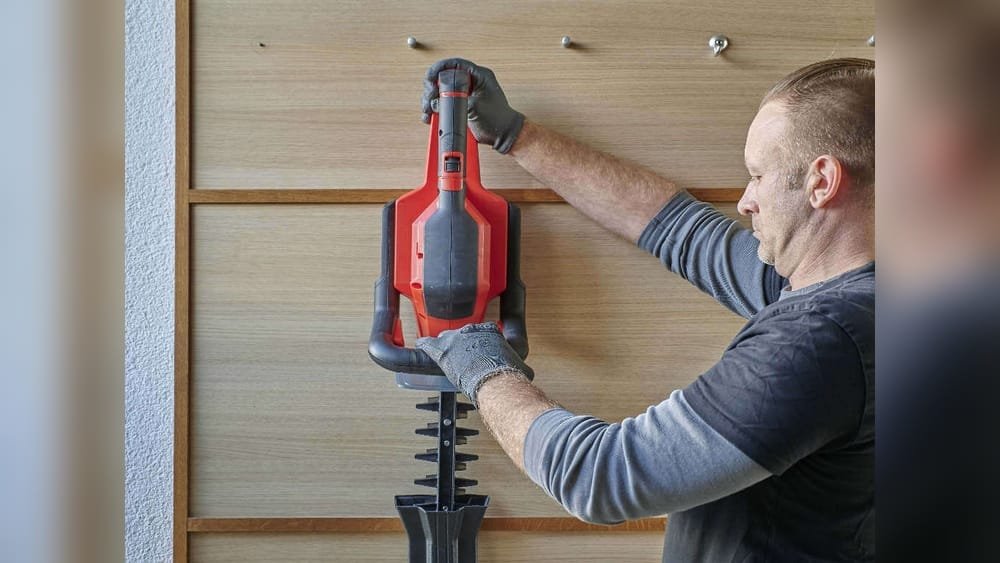
Storing a hedge trimmer might sound simple, but trust me, there’s a lot more to it than just tossing it in your garage. Over the years, I’ve owned both gas and electric hedge trimmers. I’ve learned the hard way that proper storage keeps your trimmer sharp, safe, and ready to go when you need it.
Let me walk you through what’s worked for me and the lessons I wish I had known earlier.
Why Storing Your Hedge Trimmer Matters
At first, I didn’t think much about storage. I’d finish trimming the hedge, wipe the sweat from my brow, and shove the trimmer wherever it fit. Big mistake. My blades rusted, the motor got dusty, and I even had a battery go dead over winter.
Proper storage keeps your hedge trimmer sharp, safe, and working for years. It also stops accidental injuries. You don’t want to grab a rusty, jammed trimmer when you need to work fast.
Cleaning Before Storage: The Golden Rule
I used to skip cleaning after each use. I thought, “I’ll clean it next time. ” But sap, dirt, and leaves love to stick to the blades. They build up and cause all sorts of trouble.
Now, I always do these steps before putting my trimmer away:
- Unplug or remove the battery. Safety first. I learned not to trust a trimmer with power.
- Brush off debris. I use an old toothbrush to get dirt and leaves out from between the blades.
- Wipe with a damp cloth. Sticky sap comes off with a little soap and water.
- Dry completely. Wet blades rust fast. I use a rag and let it air out for a few minutes.
- Apply blade oil. A little machine oil keeps the blades smooth and stops rust.
It takes just five minutes, but it makes a world of difference. A clean trimmer is ready to use and lasts much longer.
Choosing The Right Storage Spot
Where you keep your hedge trimmer matters a lot. I used to store mine in the shed, but rainwater leaked in and rusted the blades. Next, I tried the basement, but the humidity was still a problem.
Here’s what I learned works best:
- Dry and cool. Moisture is the enemy. I now keep my trimmer in a dry corner of my garage.
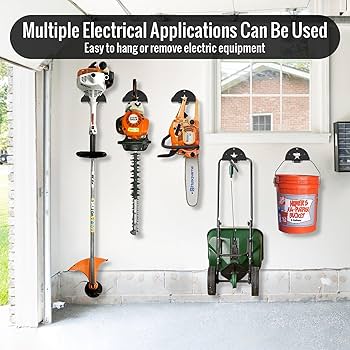
- Off the ground. I use wall hooks or a sturdy shelf. This keeps the trimmer away from water and dirt.
- Out of reach of kids. Hedge trimmers are sharp. I always store mine up high, away from little hands.
If you don’t have a garage, a weatherproof outdoor box or a locked storage bench can work too. Just make sure it’s truly waterproof.
Storing Gas Vs. Electric Hedge Trimmers
I’ve owned both types, and each one needs something a bit different when it comes to storage. Here’s a quick comparison to help you see the differences:
| Type | Key Storage Steps | Common Issues |
|---|---|---|
| Gas Hedge Trimmer | Drain fuel, clean air filter, oil blades | Fuel goes bad, engine trouble |
| Electric (Corded) | Check cord, clean blades, coil cord | Frayed wires, dampness |
| Battery (Cordless) | Remove battery, store battery indoors | Battery drain, moisture damage |
If you store them right, you avoid most common problems. For example, I once left gas in my trimmer all winter. The next spring, it wouldn’t start. Old fuel can gum up the engine. Now, I always run the engine dry before storage.
Winter Storage: What I’ve Learned
Winter brings new challenges. Cold and damp air can ruin a hedge trimmer if you’re not careful. Here’s my winter routine:
- Deep clean and oil. I’m extra thorough before putting it away for the season.
- Remove batteries. I store my batteries inside, away from cold and moisture.
- Drain fuel tanks. For gas trimmers, I run the engine until it stops.
- Cover the trimmer. I use an old towel or a soft tool bag to keep dust off.
- Check every few weeks. I peek into the storage spot now and then to make sure there’s no water or pests.
After I started doing this, my trimmers always started up right away in the spring. No more headaches.
Handling The Battery: A Common Mistake
If you have a cordless hedge trimmer, the battery is the most expensive part. I once left my battery in the cold garage over winter. It lost its charge and never worked right again.
Now, I do this:
- Remove the battery after each use.
- Store batteries indoors, in a cool, dry place. I keep them in a drawer away from heat and sunlight.
- Charge to about 50% if I won’t use the trimmer for months. Fully charged or empty batteries don’t store as well.
Here’s a quick look at how different battery types handle storage:
| Battery Type | Best Storage Charge | Storage Tip |
|---|---|---|
| NiMH | Full | Recharge every few months |
| Lithium-ion | 40-60% | Keep cool, avoid full discharge |
| Lead Acid | Full | Check for leaks, avoid deep discharge |
If you get this right, your battery will last for years.

Protecting The Blades
Blades are the heart of the hedge trimmer. I learned that even a small amount of rust can dull them fast. Here’s what I do to keep them in top shape:
- Use blade covers. Most trimmers come with a plastic sheath. If you’ve lost yours, even a piece of cardboard works.
- Oil after each use. I keep a small bottle of machine oil in my tool box for this.
- Sharpen when needed. If the blades start to snag, I sharpen them with a file or take them to a pro.
Once, I stored my trimmer without a cover, and a neighbor’s cat knocked it off the shelf. It chipped a blade. Since then, I always protect the blades.
What About Extension Cords?
For corded trimmers, the cord is just as important as the tool. I used to leave mine in a tangled mess. Then, I had to replace it because it cracked and split.
Now, I coil the cord neatly and hang it on a hook. I also check for any cuts or exposed wires before putting it away. If you see damage, replace the cord—it’s not worth the risk.
Keeping Track Of Maintenance
One thing that really helped me was keeping a simple log. I just use a notebook. After each use, I jot down if I cleaned, oiled, or sharpened the blades. I also write the last time I replaced the battery or drained the fuel.
This helps me stay on top of maintenance. I don’t have to guess when I last took care of the trimmer. It also means fewer surprises when I need to use it.
Safety First: Locks And Labels
I have kids, so safety is a big deal for me. I always store my hedge trimmer in a locked cabinet. If you don’t have a lock, keep it high up and out of sight.
I also use a bright label on the case, so everyone knows it’s a sharp tool. It might seem over-cautious, but it gives me peace of mind.

Common Mistakes I’ve Made (so You Don’t Have To)
Looking back, I made a few mistakes that you can avoid:
- Storing the trimmer while dirty: This caused rust and sticky blades.
- Leaving the battery in the trimmer: Shortened battery life.
- Storing in a damp area: Led to rust and mold.
- Not covering the blades: Resulted in damage and dirt buildup.
- Forgetting to drain fuel: Gummed up the engine.
Learning from these errors has saved me time and money. I hope sharing them helps you avoid the same problems.
Quick Reference: My Storage Checklist
Here’s the checklist I follow every time I put my hedge trimmer away:
- Unplug or remove the battery
- Clean off dirt and sap
- Dry completely
- Oil the blades
- Cover the blades
- Store in a dry, cool place, off the ground
- Keep out of reach of kids
- Drain fuel (for gas trimmers)
- Store battery indoors, half-charged
It’s simple, but it works.
How Long Will A Well-stored Hedge Trimmer Last?
When you store your trimmer right, it can last for years. My oldest trimmer is over 8 years old and still runs like new. According to the University of Nebraska-Lincoln, proper cleaning and storage can double or triple the life of garden tools (University of Nebraska Extension). That’s real savings.
Buying Storage Accessories: What’s Worth It?
I’ve tried a few accessories over the years. Some are worth it, others not so much.
- Wall-mounted racks: These keep tools organized and off the floor. Worth the money.
- Blade covers: If yours is lost or broken, get a replacement. Even a homemade cover is better than nothing.
- Tool bags or cases: Good for keeping dust away and for safe transport.
I skip expensive “tool drying” gadgets or fancy cabinets. A simple, dry place is usually enough.
What If You Don’t Have A Garage Or Shed?
Not everyone has a big garage or shed. I used to live in a small apartment with just a tiny balcony. Here’s what I did:
- Used a sturdy, weatherproof box.
- Kept the trimmer in a closet or under the bed (without fuel or battery, of course).
- Always covered the blades, even inside.
Even small spaces can work if you keep things dry and safe.
Frequently Asked Questions
How Often Should I Clean My Hedge Trimmer Before Storing It?
I clean mine after every use. Dirt and sap build up fast. Even a quick wipe makes a big difference.
Can I Hang My Hedge Trimmer On The Wall?
Yes! I use wall hooks in my garage. Just make sure the blades are covered so you don’t accidentally cut yourself reaching for something nearby.
Is It Ok To Leave The Battery In The Hedge Trimmer?
No, I never do this. Take the battery out and store it indoors, away from extreme heat or cold.
What Should I Do If My Blades Start To Rust?
I remove the rust with a little steel wool and oil the blades right away. If the rust is bad, I sharpen or replace the blades.
Can I Store My Hedge Trimmer Outdoors?
I don’t recommend it. Even with a cover, moisture and weather can ruin your trimmer. If you must, use a weatherproof box and check often for leaks.
Taking care of your hedge trimmer isn’t hard. With a little effort and the right habits, you’ll enjoy a tool that’s always ready for action. That’s been my experience, and I hope it helps you too!
As an Amazon Associate, We earn from qualifying purchases