
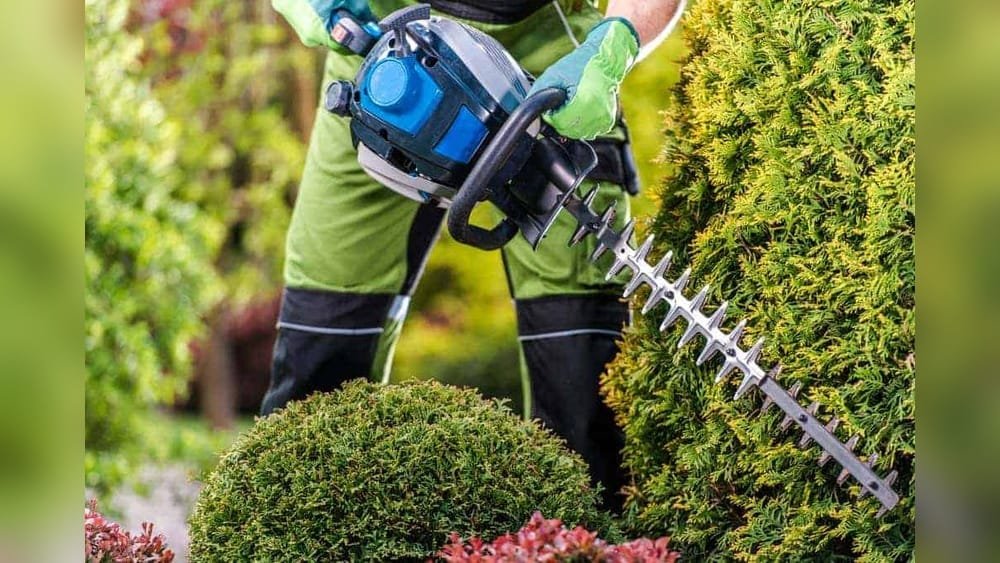
Using a hedge trimmer for the first time was both exciting and a little scary for me. I remember standing in my backyard, looking at the overgrown hedge, and thinking, “Can I really do this without making a mess… or hurting myself?
” If you’re new to hedge trimmers, I get it. I’ve made mistakes and learned a lot. Today, I want to share everything I know about using a hedge trimmer. Whether you have a small garden or a long row of hedges, my tips and real-life advice will help you trim safely, neatly, and confidently.
What Is A Hedge Trimmer And Why Use One?
A hedge trimmer is a tool made to cut and shape bushes, hedges, and shrubs. There are manual trimmers, but most people use electric, battery, or gas-powered versions now. When I first started gardening, I tried hand shears. My arms got tired, and the result was never straight. The first time I used a powered hedge trimmer, I was amazed. The work was faster, the finish was neater, and my hands were not sore for days.
If you have hedges, a trimmer saves time. It also helps keep your garden looking tidy. Thick, wild hedges can block sunlight, attract pests, and make your yard look messy. Regular trimming keeps plants healthy and your home beautiful.
Different Types Of Hedge Trimmers
When I went to buy my first trimmer, I was surprised by all the choices. Here’s a quick overview to help you pick:
| Type | Power Source | Best For | My Experience |
|---|---|---|---|
| Electric (corded) | Plug-in | Small yards, close to outlets | Light, easy to use, but cord can get in the way |
| Battery (cordless) | Rechargeable battery | Medium yards, flexible use | No cord, but battery runs out after 30-60 minutes |
| Gas-powered | Petrol engine | Large hedges, tough jobs | Strong, but heavy and noisy |
| Manual shears | Muscle power | Small touch-ups | Good for detail work, but tiring for big jobs |
From my experience, electric and battery trimmers work best for most home gardens. Gas trimmers are powerful but can feel heavy and loud after a while. I use a battery trimmer because it’s light and I can move around easily.
If you have a long hedge or thick branches, consider a gas model.
Choosing The Right Hedge Trimmer
Picking the right trimmer makes trimming easier and safer. Here are things I learned when buying mine:
- Blade length: Long blades (over 20 inches) cut faster but are heavier. Short blades (16-18 inches) are easier for beginners and for shaping.
- Tooth gap: This is the space between the blade teeth. A wider gap cuts thicker branches. For small hedges, a narrow gap is fine.
- Weight: I underestimated this at first. A heavy trimmer feels fine at first, but after 10 minutes, your arms get tired. Lighter trimmers are easier to handle.
- Safety features: Look for a safety switch, blade guard, and front handle. These make a big difference.
- Noise and vibration: Battery and electric trimmers are quieter and smoother. Gas trimmers vibrate more.
I made the mistake of buying a heavy, long-blade trimmer at first. It was hard to control, and I almost dropped it. After switching to a lighter, shorter model, I could trim neatly with one hand guiding the trimmer and the other on the handle.
Preparing To Trim: Safety First
Before you start, safety should be your main focus. Even small trimmers can cut skin and clothing easily. Here’s how I prepare every time:
- Wear gloves: Protects your hands from blisters and small cuts.
- Eye protection: Small branches and leaves fly up. I learned this the hard way when a bit of hedge poked my eye.
- Long sleeves and pants: Stops scratches from thorns and branches.
- Sturdy shoes: Never wear sandals or flip-flops. Dropping a trimmer on your foot hurts!
- Check the area: Remove toys, stones, or wires that might get in the way.
- Inspect your trimmer: Make sure the blades are clean and sharp. Dull blades can snag and cause accidents.
- Read the manual: It sounds boring, but each trimmer is a little different.
I also check the weather. Wet hedges can be slippery. If it’s raining or about to rain, I wait. Never use electric trimmers in wet conditions—there’s a real risk of shock.
How To Use A Hedge Trimmer: Step-by-step
Once you’re ready, using a hedge trimmer is simple but needs care. Here’s my step-by-step process:
1. Plan Your Cut
Before starting, I walk along the hedge and decide how much I want to remove. It’s easy to cut too much if you don’t have a plan. If you’re shaping, use garden string as a guide. I tie string between two sticks to mark the height and shape.
It helps me cut straight lines.
2. Start With The Sides
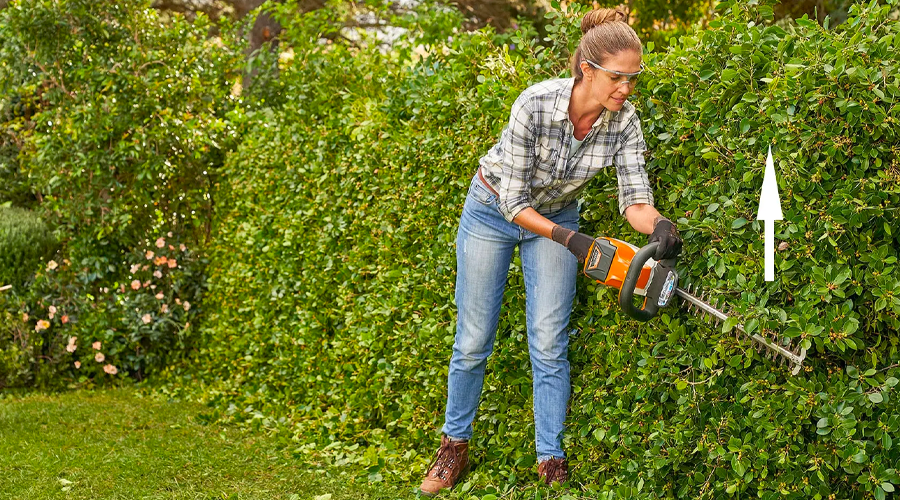
I start trimming from the sides of the hedge, moving the trimmer in slow, upward strokes. I try to keep the bottom wider than the top. This shape lets sunlight reach all parts of the hedge, so it grows evenly.
3. Move To The Top
When the sides are even, I trim the top. I hold the trimmer level and move it slowly from one end to the other. I always keep both hands on the handles for control.
4. Use Smooth, Even Movements
Don’t rush. Quick, jerky moves make the hedge look uneven. I move slowly, letting the trimmer do the work. If I see a thick branch, I stop and use loppers instead of forcing the trimmer.
5. Check Your Progress
Every few minutes, I step back and look at the hedge from a distance. It’s easy to miss uneven spots when you’re up close. Looking from farther away helps me spot missed areas or places where I trimmed too much.
6. Finish And Clean Up
After trimming, I switch off the trimmer and unplug or remove the battery. I use a rake to gather all the cut leaves and branches. Keeping the area tidy helps prevent pests and diseases.
Common Mistakes And How To Avoid Them
When I started, I made lots of mistakes. Here are some I see beginners make—and my advice on avoiding them:
- Cutting too much at once: It’s tempting to cut a lot to save time. But if you take off too much, the hedge can look patchy or die back. Trim a little at a time.
- Ignoring blade maintenance: Dull blades tear branches instead of cutting. This damages the plant and makes more work. I sharpen my blades at least once a season.
- Forgetting safety gear: I skipped gloves once and ended up with scratches everywhere. Now I always wear protection.
- Using the wrong trimmer: Heavy, long trimmers are hard to control. Choose the right size for your strength and hedge type.
- Trimming at the wrong time: Some plants don’t like being trimmed in late fall or winter. I check what kind of hedge I have and search the best season for trimming.

Real-world Tips For Better Results
Here are a few things I learned that most people don’t tell you:
- Trim in dry weather: Wet leaves stick to the blade and can jam the trimmer. Dry leaves fall away cleanly.
- Use both hands: Even if you feel strong, always hold the trimmer with both hands. It gives better control.
- Cut at eye level or lower: If you need to reach higher, use a step ladder—but make sure it’s stable. Never stretch or lean while holding a running trimmer.
- Clean the blades after use: Sap and leaf bits stick to the blade. I wipe mine with a rag and a little oil after each use.
- Store safely: I keep my trimmer in a dry place, out of reach of kids.
Comparing Hedge Trimmers: My Top Choices
To help you choose, here’s a quick look at three popular hedge trimmers I’ve tried or seen in action:
| Model | Blade Length | Weight | Power Source | My Notes |
|---|---|---|---|---|
| Black+Decker BEHT100 | 16 inches | 4.2 lbs | Electric | Light, easy for small hedges |
| DEWALT DCHT820B | 22 inches | 7.5 lbs | Battery | Good power, battery lasts long |
| Husqvarna 122HD60 | 23 inches | 10.8 lbs | Gas | Strong for tough, large jobs |
When I started, I used a small Black+Decker. Now, I use a DEWALT battery model because it’s strong enough for my tall hedges and not too heavy.

Maintaining Your Hedge Trimmer
A well-kept trimmer lasts longer and works better. Here’s how I take care of mine:
- Clean after each use: Wipe off sap and bits of leaf. Sticky blades jam more easily.
- Sharpen the blades: Every 2-3 months, I sharpen my blades with a flat file. If you’re not sure how, ask at your local garden center.
- Oil moving parts: A drop of oil on the blades stops rust and makes cutting smoother.
- Check for loose parts: I tighten screws and bolts before each use.
- Store safely: I hang my trimmer on a wall hook, away from water and out of reach of kids.
I once left my trimmer outside overnight. The next day, the blades were rusty and stiff. Since then, I always bring it inside and wipe it down.
When To Trim Hedges
The best time depends on your plants, but here’s what I’ve learned:
- Spring and early summer: Most hedges grow fast now. I trim lightly to shape.
- Late summer: Good time for a final trim before autumn.
- Avoid late fall and winter: Trimming now can damage plants as they get ready for cold weather.
Some flowering hedges only bloom on old wood. If you trim at the wrong time, you might lose flowers. I always check my plant type before trimming.
Safety Reminders I Wish I’d Known
It’s easy to get comfortable and skip safety steps. But even experts have accidents. Here’s what I keep in mind:
- Never cut above shoulder height: Use a ladder if needed. Stay balanced.
- Unplug or remove battery before cleaning or fixing blades: Accidents happen fast.
- Keep kids and pets away: They can distract you and get hurt.
- Don’t use if you feel tired: I once trimmed when I was sleepy and almost slipped. Rest first.
Frequently Asked Questions
How Do I Sharpen Hedge Trimmer Blades?
I use a flat file to sharpen each tooth. First, I unplug or remove the battery. Then I run the file along each blade at the angle shown in the manual. If you’re not sure, ask a garden shop to do it for you.
Can I Use A Hedge Trimmer On Wet Hedges?
No. Wet leaves jam the blades and can make electric trimmers dangerous. Wait until the hedge is dry before trimming.
How Often Should I Trim My Hedges?
It depends on the plant. Most hedges need trimming 2-3 times a year. Fast-growing types may need more. I usually trim in late spring, midsummer, and late summer.
What’s The Difference Between Single And Double-sided Blades?
Single-sided blades are safer for beginners and lighter. Double-sided blades cut faster and are better for shaping. I started with a single-sided trimmer and switched to double-sided once I was confident.
Where Can I Learn More About Hedge Trimmer Safety?
You can find more safety tips on the Wikipedia Hedge Trimmer page. It’s a good resource if you want to read more.
Trimming hedges can be relaxing and even fun if you use the right tool and follow some simple safety steps. With practice, your hedges will look neat, and you’ll feel proud every time you walk past them. I hope my experiences help you get started and avoid my early mistakes.
Happy trimming!
As an Amazon Associate, We earn from qualifying purchases