
Can You Use a Leaf Blower for Snow? My Honest Experience
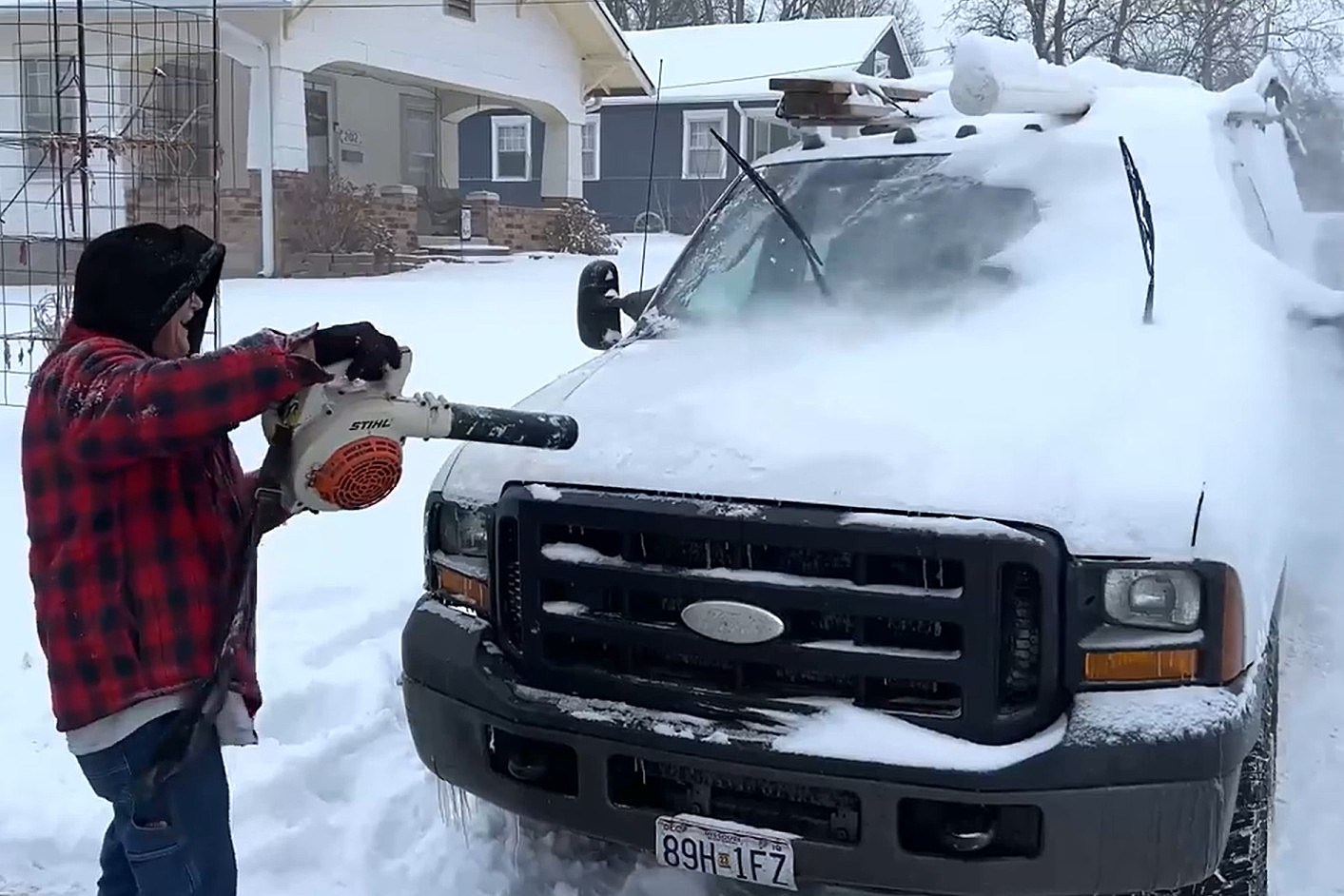
Last winter, I woke up to a thin layer of snow covering my driveway. I was running late, and the thought of shoveling made me sigh. Out of curiosity, I grabbed my leaf blower instead of my snow shovel. Could this simple tool actually work for snow? The answer is: sometimes, yes! But after trying it all winter, I learned what works, what doesn’t, and when you should just leave it in the garage.
In this article, I’ll share what I learned about using a leaf blower for snow. I’ll talk about what types of snow it works for, which leaf blowers can handle the job, safety tips, common mistakes, and how it compares to other snow removal tools. I’ll even tell you the things I wish I’d known before trying it. If you’re looking for a quick, easy way to clear light snow, this guide is for you.
When A Leaf Blower Works Best For Snow
From my experience, a leaf blower is not a magic solution for all kinds of snow. It really shines in a few specific situations.
- Light, powdery snow: If the snow is dry and fluffy, a leaf blower works like a charm. I could clear my walkway in just a few minutes.
- Thin layers: If the snow is less than 2 inches (about 5 cm) deep, it blows away easily. Any more than that, and it gets tricky.
- Fresh snow: Snow that just fell and hasn’t melted or packed down is easiest to move. If it melts a little and refreezes, it turns heavy and sticky.
But if you’re facing wet, heavy snow, or ice, don’t bother. Your leaf blower won’t do much except blow some cold air back in your face.
Types Of Leaf Blowers: Which Ones Work For Snow?
Not all leaf blowers are equal. I’ve tried a few over the years—corded, cordless, gas-powered. Here’s what I noticed:
| Type | Power | Best For | My Experience |
|---|---|---|---|
| Battery (Cordless) | Low to Medium | Small areas, quick jobs | Quiet and light, but battery dies fast in cold |
| Corded Electric | Medium | Driveways near the house | Works well, but dragging the cord is annoying |
| Gas Powered | High | Large areas, deeper snow | Strong but noisy, and needs maintenance |
The key is air speed and air volume. For snow, you want a blower with at least 200 mph (320 km/h) air speed and a high CFM (cubic feet per minute) rating. My old battery blower worked for a dusting, but I upgraded to a gas one for better results.
Step-by-step: How I Use My Leaf Blower For Snow
If you want to try this, here’s the routine that worked best for me:
- Dress warm. The blower will kick up cold air and snow, so gloves and a hat are a must.
- Clear early. Don’t wait for snow to pile up or get heavy. I go out as soon as the snow stops.
- Start at the center. I begin in the middle of the driveway and blow snow toward the edges, one lane at a time.
- Use short bursts. Instead of holding the trigger down, I use quick bursts to push snow farther.
- Keep the nozzle low. Pointing the blower close to the ground moves snow better.
A tip I learned the hard way: always blow with the wind, not against it. Otherwise, you’ll end up with snow in your face and back where you started.
What Snow Conditions Make A Difference?
Snow isn’t just snow. It can be light, wet, icy, or even crusty. Here’s what I found about different conditions:
| Snow Type | Blower Effectiveness | Comments |
|---|---|---|
| Light & Powdery | Excellent | Blows away easily, fast cleanup |
| Wet & Heavy | Poor | Clumps, sticks, barely moves |
| Packed Down | Very Low | Needs shoveling first |
| Crusty/Icy | None | Not possible with a blower |
One thing many people miss: even if the snow looks light, if it’s sitting on a wet or icy surface, the bottom layer sticks. The blower can’t lift it, so you’re left with a slick mess.

Safety Tips And What To Watch Out For
I learned some things the hard way when using my leaf blower in the snow. Here are the most important safety tips:
- Wear goggles. Flying snow and ice chips can hit your eyes.
- Don’t use a blower on icy steps. You could slip and fall.
- Watch for cords. If you use a corded blower, keep the cord out of wet snow.
- Avoid blowing toward cars or people. Snow, salt, and debris can fly farther than you think.
Also, after using the blower, I always wipe it down and store it indoors. Moisture can freeze inside and damage the motor.
Pros And Cons: Is It Really Worth It?
Now, you might wonder if using a leaf blower for snow is really a good idea. Here’s what I found out after a winter of trying it.
What I Love
- Fast for small jobs. My walkway and steps were clear in minutes.
- No lifting. My back felt much better than after shoveling.
- Fun to use. Honestly, there’s something satisfying about blasting snow away.
The Downsides
- Limited to light snow. Anything over two inches or wet snow is a struggle.
- Noisy. My gas blower wakes up the whole neighborhood.
- Battery drain. Cold weather kills batteries fast.
- Not for all surfaces. Doesn’t work on gravel or lawns.
One thing many people don’t expect: using a leaf blower on snow can leave a thin, slippery layer behind. I learned to sprinkle some sand or salt afterward to prevent falls.
How A Leaf Blower Compares To Other Snow Tools
When people ask if a leaf blower can replace a shovel or snow blower, I say it depends. Here’s a quick comparison based on my experience:
| Tool | Best For | Effort Level | Speed |
|---|---|---|---|
| Leaf Blower | Light, dry snow (under 2″) | Low | High (for small areas) |
| Snow Shovel | Any snow, all depths | High | Low to Medium |
| Snow Blower (Machine) | Deep or heavy snow | Medium | High (large areas) |
In short, a leaf blower is great for quick, light jobs. For heavy snow, a proper snow blower is worth the investment. For corners and steps, a shovel is still king.
Common Mistakes I Made (and How You Can Avoid Them)
I made a few rookie mistakes when I started using my leaf blower for snow. Here’s what I wish I’d known:
- Waiting too long. If you let snow pile up or freeze, the blower won’t work well.
- Using the wrong blower. My first battery blower was too weak for anything but a dusting.
- Blowing against the wind. Snow just came back at me, making a bigger mess.
- Ignoring ice. Blowers can’t move ice, so I always check the surface first.
- Forgetting to dry the blower. Moisture inside can freeze and damage the tool.
If you remember these points, you’ll save yourself a lot of frustration.
Unexpected Things I Learned
A few things surprised me about using a leaf blower for snow:
- Battery life drops in cold. My battery leaf blower lasted half as long in freezing weather. This is because batteries drain faster in the cold.
- Blowers can move salt and sand. If you use sand or salt on your driveway, the blower can blast it away too. Sometimes, I had to reapply salt after clearing.
- Neighbors might copy you. Once my neighbor saw me clearing snow with a leaf blower, he tried it, too. He loved it for his porch steps.
When Not To Use A Leaf Blower For Snow
There are times when it’s better to leave the leaf blower in the garage:
- Heavy or wet snow: The blower just can’t move it.
- Packed snow or ice: It’s dangerous and not effective.
- Large driveways after a big storm: You’ll get tired fast and won’t clear much.
- Extremely cold days: Batteries die, and motors can freeze.
Sometimes, it’s faster to grab the shovel or snow blower and get it done right.
How To Care For Your Leaf Blower After Using It On Snow
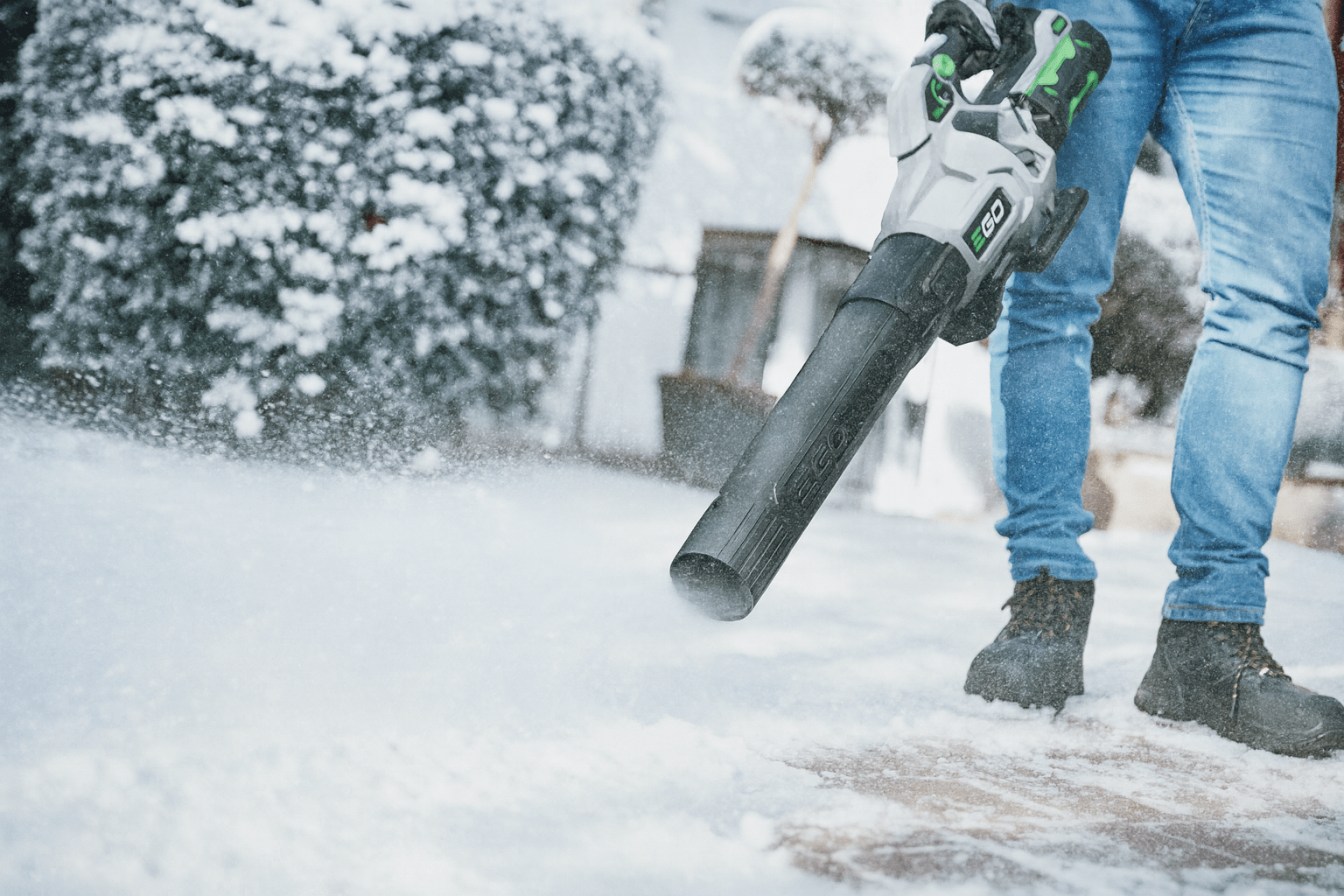
Moisture is hard on power tools. Here’s how I keep my leaf blower working after snow jobs:
- Wipe it down with a dry cloth. Pay attention to vents and moving parts.
- Let it warm up indoors after use, so any ice melts.
- Check the air filter. Snow can carry dirt and debris inside.
- Store in a dry place. Never leave it outside in the cold.
This quick care keeps my blower ready for both leaves and snow.
Is It Worth Buying A Leaf Blower Just For Snow?
If you already own a leaf blower, it’s worth trying for light snow. But if you live where winters are harsh and snow is deep, invest in a real snow blower. A leaf blower is a handy bonus, but not a full solution.
If you want to know more about leaf blowers and their many uses, check out this Wikipedia article.
Frequently Asked Questions
Can Any Leaf Blower Be Used For Snow?
Most electric and gas-powered leaf blowers can move light, dry snow. But battery models with low air speed may not work well, especially in the cold.
Is It Safe To Use An Electric Leaf Blower In Wet Snow?
No, it’s not safe. Wet snow can cause electric shocks or damage the motor. Always check the weather and your tool’s instructions.
How Much Snow Can A Leaf Blower Handle?
A leaf blower works best for snow less than 2 inches deep. More than that, the snow gets too heavy and won’t move easily.
Does Using A Leaf Blower For Snow Damage The Machine?
If you dry it off well and store it inside, your leaf blower should be fine. Don’t use it on wet or icy surfaces, as water can get inside and freeze.
Why Does My Leaf Blower Battery Die So Quickly In Winter?
Cold weather drains batteries faster. Keep batteries indoors and warm before use, and expect shorter run times when it’s freezing outside.
Using a leaf blower for snow is a clever trick for small jobs and light snowfalls. It’s not perfect, but it saves time and effort on those cold mornings. Try it on your next dusting, and you might be surprised at how well it works!
As an Amazon Associate, We earn from qualifying purchases