
Have you ever found yourself holding a new Ryobi leaf blower, looking at the tip, and wondering, “Am I even using this thing right?” I know the feeling. When I bought my first Ryobi blower, I thought it was simple: turn it on, point, and blow. But after a few weekends, I realized the leaf blower tip is more than just a piece of plastic. It changes how the blower works—sometimes a lot. If you’ve wondered when to use the Ryobi leaf blower tip (and when to leave it off), let me share what I’ve learned from real-life use, a few mistakes, and a lot of backyard cleanup.
What Is The Ryobi Leaf Blower Tip?
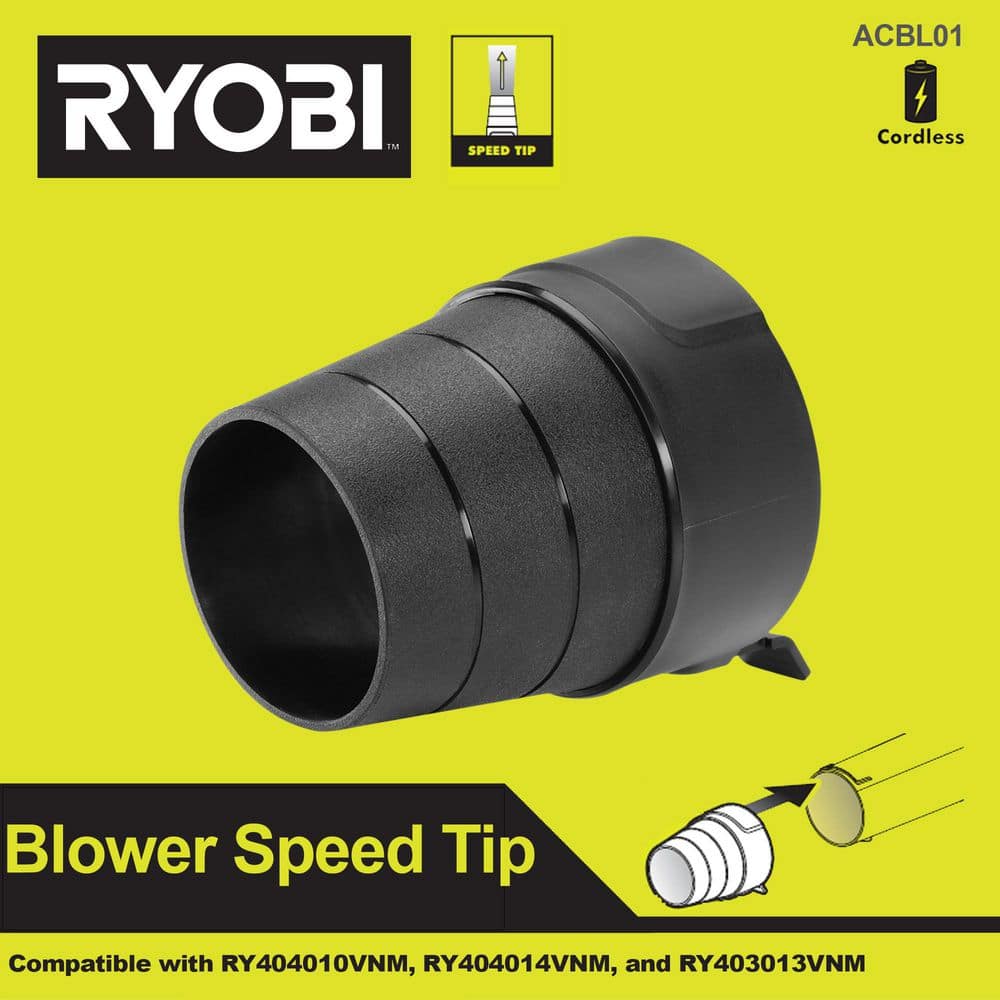
When you open the box of most Ryobi blowers, you’ll see a main tube and a narrow piece that snaps onto the end. That’s the blower tip. It’s also called a concentrator nozzle. This tip focuses the air into a tighter stream, almost like putting your thumb on the end of a garden hose. At first, I wasn’t sure if it was just for show or if it really did something important.
But after trying both ways, I learned the tip can completely change how the blower works. With the tip, the air comes out faster and more direct. Without it, the air spreads wider but loses some power. This small difference makes a big impact, depending on what you want to do in your yard.
Why The Tip Matters: My First Mistake
The first time I cleaned my driveway, I left the tip off. I thought, “More air, more power, right? ” Wrong. The leaves scattered everywhere, but some stuck to the cracks and wouldn’t budge. I had to go back and sweep.
The next time, I attached the tip. The narrower stream blasted the stuck leaves out of the cracks easily. I realized the tip isn’t just a piece of plastic—it’s a tool.
When To Use The Ryobi Leaf Blower Tip
After a lot of trial and error, I figured out when the tip makes a real difference. Here are the main situations when I always reach for it:
1. Clearing Leaves From Cracks And Edges
Leaves love to hide in the cracks of driveways and sidewalks. Without the tip, I used to spend twice as long trying to get them out. With the tip on, the focused air pushes even wet leaves right out of small spaces.
2. Moving Wet Leaves
Wet leaves are a pain. They stick to the ground and don’t want to move. The concentrated tip creates a sharper, stronger air stream. This helps lift and push wet debris, while the normal tube just blows air over the top.
3. Cleaning Gutters
If your Ryobi blower has a gutter cleaning kit, the tip really helps. It makes the air stream narrow enough to push out packed leaves and dirt. I use it every fall, and it saves me from climbing the ladder as often.
4. Blowing Debris From Tight Corners
Corners in my patio and garage always collect dust and leaves. The tip lets me point the air right where I want it, without blasting everything else around. It’s perfect for tight spots.
5. Removing Stubborn Debris
Stuck mud, grass clippings, or gravel can be tough to move. The tip’s extra force can break debris loose from concrete or pavement. I use it after mowing or after heavy rain.
6. Sweeping Out Garages Or Sheds
When I need to clean my garage floor, the tip helps me direct all the dust and dirt out the door without making a giant cloud. It keeps the mess controlled.
7. Cleaning Under Bushes
Leaves and trash often collect under my bushes. The tip lets me aim the air under the branches, moving the mess out without damaging the plants.
When To Leave The Tip Off
Of course, there are times when the tip gets in the way. Here’s when I don’t use it:
1. Clearing Large Open Areas
If I’m blowing leaves off my lawn or a big driveway, I take the tip off. The wider air stream covers more ground, so I finish faster.
2. Moving Dry, Loose Leaves
Dry leaves don’t need much force. Without the tip, the air spreads out and moves a bigger pile at once.
3. Sweeping Grass Clippings From Lawns
After mowing, I want to move clippings off the grass, not dig them out. The wider nozzle is gentler and works better here.
4. Spreading Mulch Or Light Material
Sometimes I use the blower to spread mulch or straw. The tip would make a hole in the pile, but the open tube spreads things evenly.
The Science Behind The Tip
Here’s something I didn’t know at first: adding the tip doesn’t change the total air power, but it changes how that power is delivered. The tip makes the air move faster, but in a smaller area. This is called increasing velocity by reducing the nozzle width.
I read that most Ryobi tips can increase air speed by 10-20%. That’s the difference between moving a pile of wet leaves and just making noise. Here’s a quick comparison I noticed after some backyard tests:
| Feature | With Tip | Without Tip |
|---|---|---|
| Air Speed | Up to 175 mph | About 140-155 mph |
| Air Volume (CFM) | Lower (narrow) | Higher (wide) |
| Best Use | Wet/stuck debris | Dry/wide areas |
This table matches my experience. When I need high speed in a small area, the tip wins. For big jobs, I go without.
Ryobi Models And Tip Styles: What I’ve Used
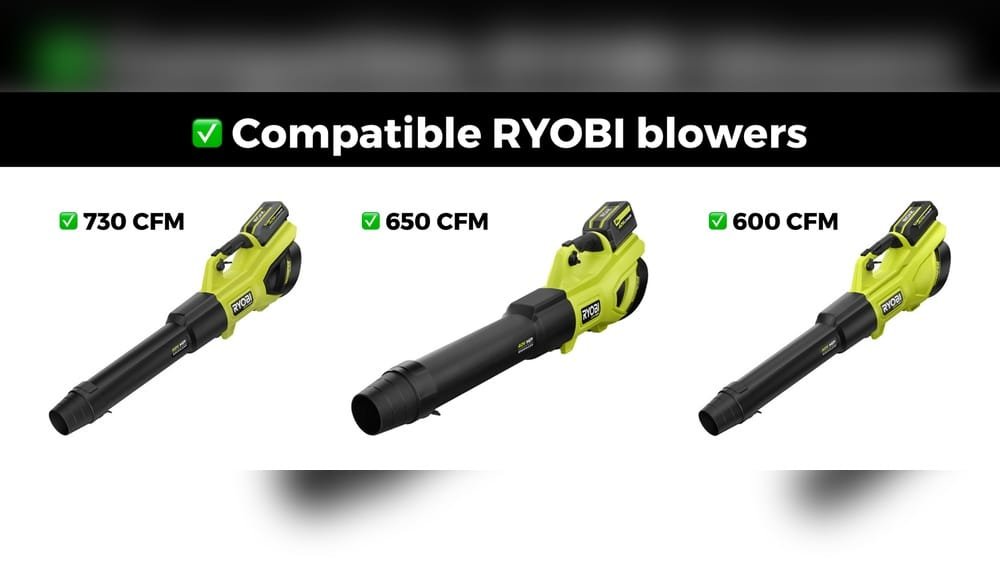
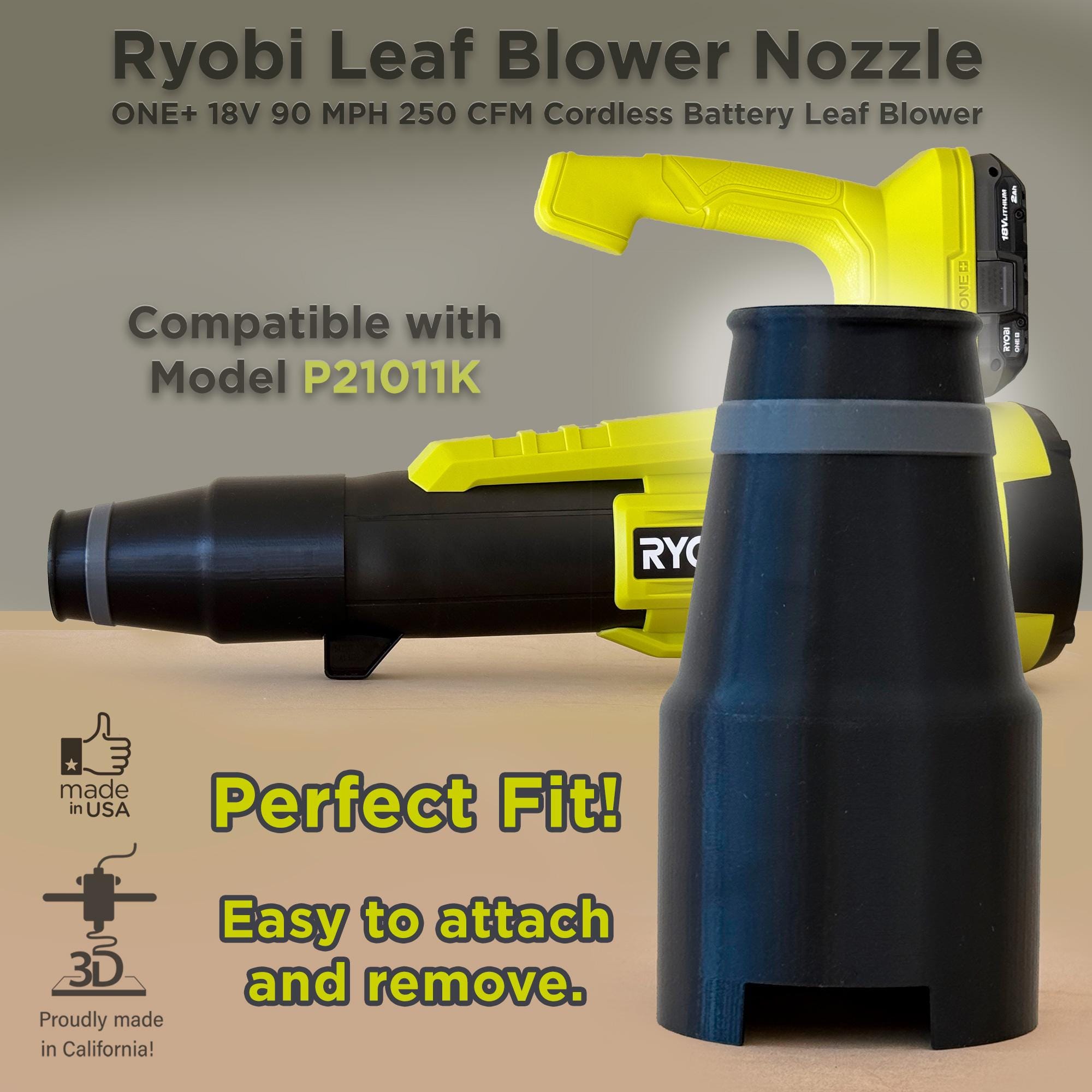
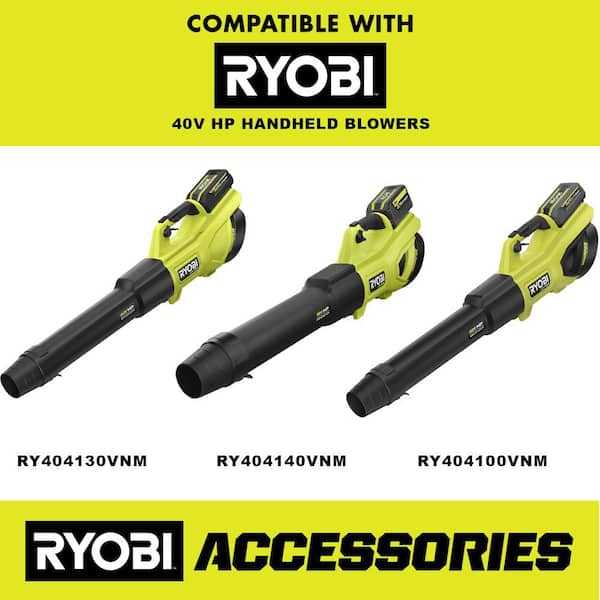
Ryobi makes a lot of blowers. Some have round tips, some flat. The 40V Jet Fan Blower I use came with a flat concentrator tip. My old 18V model had a round tip. Both work, but the flat one seems to focus air even more.
Here’s a quick look at how the tip shape changes things:
| Tip Shape | Air Pattern | Best For |
|---|---|---|
| Flat | Wide, thin stream | Cracks, edges, wet leaves |
| Round | Small, round stream | Corners, gutter cleaning |
| No Tip | Wide area | Open spaces, dry leaves |
If you have both tip shapes, try them out on the same spot. I noticed the flat tip works better for sidewalks, and the round tip is great for corners.
Mistakes I Made (so You Don’t Have To)
I’ll be honest—I didn’t always use the tip the right way. Here are a few lessons I learned the hard way:
- Trying to blow big piles with the tip on: It takes forever. The narrow stream only moves a little at a time.
- Forgetting to attach the tip for wet leaves: I wasted time and battery, and still had to go back.
- Blowing gravel on loose surfaces: The tip can send rocks flying. I learned to use the open tube for gravel driveways.
- Using the tip on flower beds: Too much force can damage small plants. Better to use the wide nozzle gently.
How To Attach And Remove The Tip
If you’re new to Ryobi blowers, attaching the tip is simple. It slides or clicks onto the end of the blower tube. If it feels loose, check for dust or debris around the connector. Sometimes, I need to wiggle it a bit to lock it in place.
To remove, just pull or press the release button (if your model has one). Don’t force it; a gentle twist usually does the trick.
How The Tip Affects Battery Life
One thing I worried about was battery life. Would using the tip drain my battery faster? In my experience, there’s a small difference, but not a big one. Because the tip focuses air, you often finish tough jobs faster, which balances out the battery use.
Here’s a comparison based on my own timing:
| Task | With Tip (Time) | Without Tip (Time) |
|---|---|---|
| Driveway cracks | 5 min | 10 min |
| Lawn cleanup | 15 min | 12 min |
| Garage sweep | 3 min | 5 min |
On tough jobs, the tip saves time and energy. For wide open tasks, going without is faster.
Two Insights I Wish I Knew Sooner
- Don’t judge by sound alone. I used to think a louder blower meant more power. But with the tip, it sometimes sounds quieter, even though the air is stronger. Focus on how well it moves debris, not just the noise.
- The tip isn’t just for leaves. I’ve used it to blow sawdust, clean my car mats, and even clear snow dust on cold mornings. It’s more versatile than I thought.
Safety Tips From Experience
A few quick safety lessons I learned:
- Always wear eye protection. The tip can send small rocks or sticks flying.
- Don’t point the blower near pets or people, even with the tip on.
- In tight spaces, watch your fingers. The air stream is strong and can pick up sharp objects.
My Routine: How I Decide When To Use The Tip
Every yard and task is different. Here’s how I make my choice:
- If I see wet, stuck, or hidden debris, the tip goes on.
- For big, dry leaf piles, I leave it off.
- If I’m not sure, I try both ways on a small section. It only takes a minute to switch, and it makes the job easier.
A Quick Word On Maintenance
Keep the tip clean. Dirt can build up and block the air. I rinse it with water every few weeks. If it cracks or breaks, replacements are easy to find.
Frequently Asked Questions
What Does The Ryobi Leaf Blower Tip Actually Do?
The tip narrows the air stream, making it faster and more focused. This helps move stuck leaves and debris from cracks, corners, and tight spaces. It’s like turning your blower into a precision tool.
Can I Use My Ryobi Blower Without The Tip?
Yes. In fact, for big open areas or dry leaves, I often remove the tip. The wide nozzle covers more ground, making cleanup faster.
Does Using The Tip Wear Out My Battery Faster?
Not really. The blower works harder to push air through the narrow tip, but the job often finishes quicker. In my experience, battery life is about the same, or even better for tough jobs.
Are All Ryobi Tips The Same?
No. Some are flat, others round. Each shape changes how the air moves. Flat tips are best for cracks and edges; round tips are great for corners and gutters.
Where Can I Find Replacement Tips For My Ryobi Blower?
You can order them on the official Ryobi site or at most hardware stores. For more detailed info, check the Ryobi Tools official website.
If you’re like me, you’ll find that understanding when to use the Ryobi leaf blower tip makes yard work faster, easier, and even a little more fun. Sometimes, the smallest tool makes the biggest difference. Give it a try, switch it up, and see what works best for your own backyard.
As an Amazon Associate, We earn from qualifying purchases