
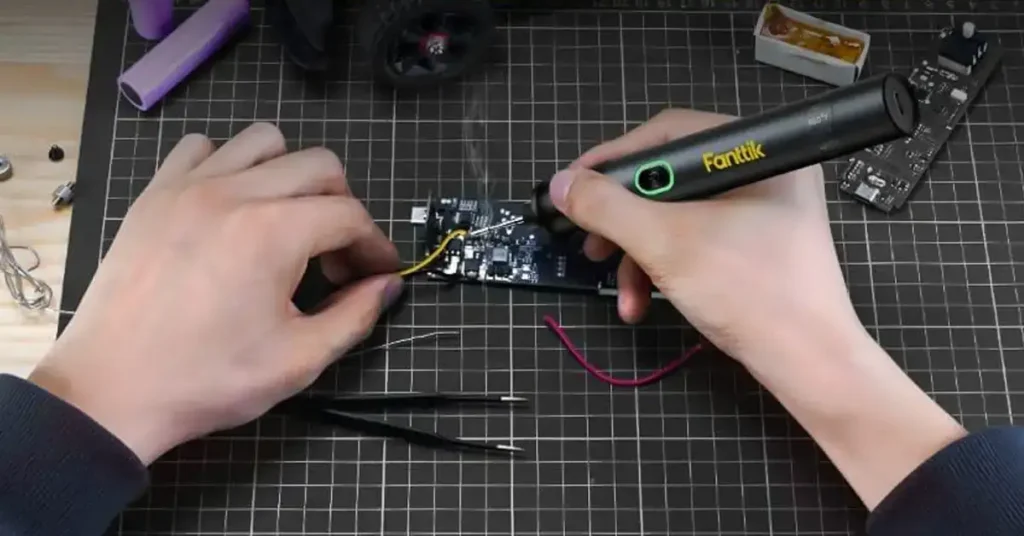
I still remember the first time I ran out of flux. It was 2 AM, and I was trying to fix a loose wire on my drone before a flight meet the next morning. I reached for my flux pen, and it was bone dry.
I stared at the soldering iron and wondered if I could pull it off.
The immediate answer? Yes—but only in specific cases.
If you are using fresh rosin-core solder and working on clean parts, you can often get by. But if you try it on the wrong repair, you risk ruining your electronics.

Table of Contents
Why Flux Exists in the First Place
To understand why we need flux, you have to understand what heat does to metal. When you heat up a copper pad or wire, it reacts with the oxygen in the air almost instantly.
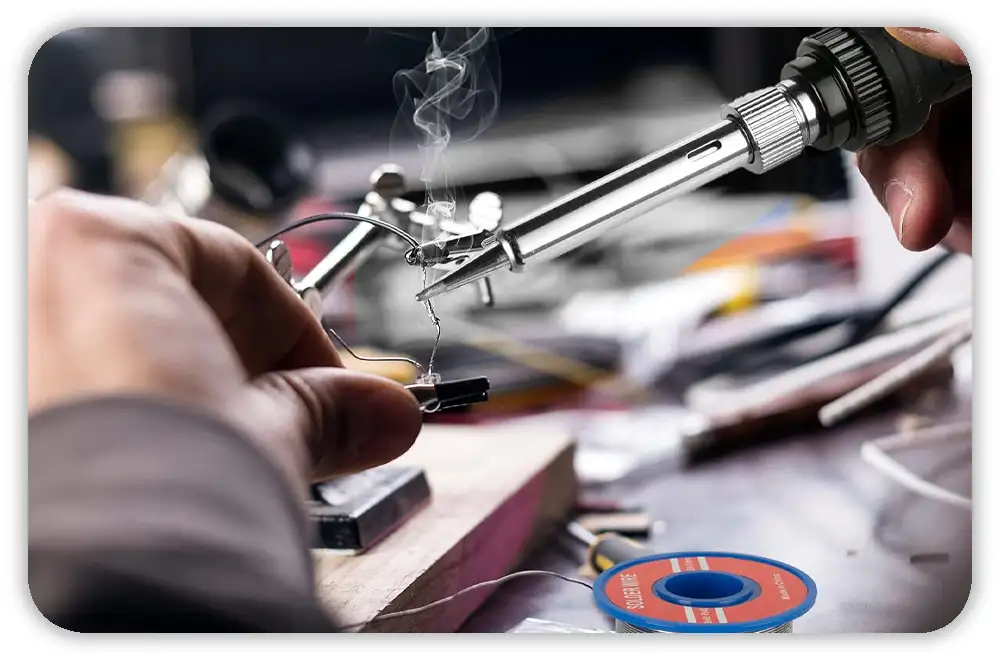
This process is called oxidation. It creates a thin, invisible layer of “rust” on the metal. Solder hates oxidation. It refuses to stick to it.
If you try to solder on oxidized metal, the solder will just sit there. It won’t flow. It balls up and rolls away.
Flux fights this. It is a chemical cleaning agent.
When flux melts, it eats away that oxide layer. It cleans the surface right before the solder touches it. It also helps spread the heat. It makes the metal “wet” so the solder flows out flat and smooth.
The Flux You Might Already Be Using (Rosin-Core Solder)
Here is the good news for most hobbyists in the US. If you bought a spool of solder from a place like Amazon or a local hardware store, you are likely already using flux.
Most modern solder is “rosin-core.”
Imagine the solder wire is a hollow tube. Inside that tube, manufacturers inject a stream of solid flux. When you touch the wire to your hot iron, the flux melts first.
It flows out, cleans the joint, and prepares the way for the metal.
For simple tasks, like joining two brand-new wires or soldering a through-hole resistor on a new board, this internal flux is usually enough.
However, the flux inside the core is a very small amount. It burns off in just a second or two. If you don’t get the joint right immediately, that flux is gone.
What Happens When You Use No Flux at All
I have tried soldering with solid wire (no core) and no extra flux. It is a frustrating experience.
The first thing you notice is balling. Instead of melting into the joint, the solder turns into a little sphere. It looks like a drop of water on a waxed car. It just rolls around the tip of your iron.
Next, you get cold joints.
A good solder joint is shiny and smooth. Without flux, the joint looks dull, gray, and grainy. These joints are brittle. They might hold for a week, but a little vibration will crack them.
Finally, you risk bridging.
Flux helps solder stay where it belongs. Without it, solder tends to grab onto nearby pins. I once destroyed a small chip because the solder connected two legs that shouldn’t touch.
Emergency Workarounds
I hesitate to share this, but sometimes you are in a jam. There are household items that act somewhat like flux, like petroleum jelly (Vaseline).
I tried this once on a simple wire splice. It did help the solder flow better than nothing.
But I do not recommend this.
Petroleum jelly is messy. It leaves a thick, greasy residue that is hard to clean. It is not designed for electronics.
Over time, that residue can attract dust or become conductive. It might eat away at your board. Only use this if it is a true emergency and the electronics aren’t critical.
How to Get the Best Result Without Extra Flux
If you only have your rosin-core solder and no flux pen, you can still get a good joint. You just have to be stricter with your technique.
Here is my checklist for “flux-less” soldering:
- Clean Everything: Scrub your pads and wires with Isopropyl alcohol (90% or higher). If the metal is shiny, you need less flux.
- Heat the Joint, Not the Solder: Touch your iron to the metal part first. Let it get hot.
- Touch and Go: Feed the solder wire directly into the joint. The flux inside the core will flow out.
- Move Fast: You have about two seconds before the flux burns off. Once the smoke stops, the cleaning action is over.
- Inspect Closely: Look for that shiny finish. If it’s dull, you might need to suck the solder up and try again.
When You Should Absolutely Not Skip Flux
There are times when rosin-core is not enough. In these cases, skipping extra flux is a recipe for disaster.
1. Old PCBs: If you are repairing a vintage radio or an old game console, that copper is heavily oxidized. The little bit of flux in the wire won’t cut it.
2. Fine-Pitch Chips: If the pins are tiny and close together, you need extra flux to prevent bridges. It acts like a barrier that keeps solder on the pads.
3. Lead-Free Solder: Many products in the US are now lead-free. This solder needs higher heat and flows poorly. It almost always needs extra flux to look good.
4. Safety-Critical Repairs: Never skip flux on something that carries high current or needs to be reliable.
Final Take
Soldering is half chemistry and half skill. While you can get by with just the flux inside your wire, it requires perfect timing and clean parts.
If I learned anything from my late-night repairs, it is this:
“Rosin-core can save you once. Flux saves you every time.”
If you want your work to last, keep that flux pen handy.
FAQs – Can You Solder Without Flux
Do I really need extra flux for soldering?
Use rosin-core wire for new parts. It has flux inside it. For old boards, add more flux. It helps the metal flow flat and hold on tight. It prevents bad cold joints.
What happens if I try to solder with no flux?
Without flux, solder balls up and rolls off. It will not stick to the pin. The joint will be weak and dull. It might break if you bump it. Always check the bond.
Can I use Vaseline as a flux substitute?
Vaseline works in a pinch, but it is messy. It leaves grease that grabs dirt. It is not made for chips. Use real flux for a safe and clean repair on your board.
Is rosin-core solder enough for all repairs?
For new wires, the core is enough. It cleans the joint fast. If the part is small, add extra flux. It stops bridges and keeps the pin safe. It makes your work easy.
How do I get a good joint without extra flux?
Clean the part with alcohol first. This takes off oil and dirt. Clean metal needs less flux to work. Heat the part, not the wire, to make it stick fast and true.
As an Amazon Associate, We earn from qualifying purchases