
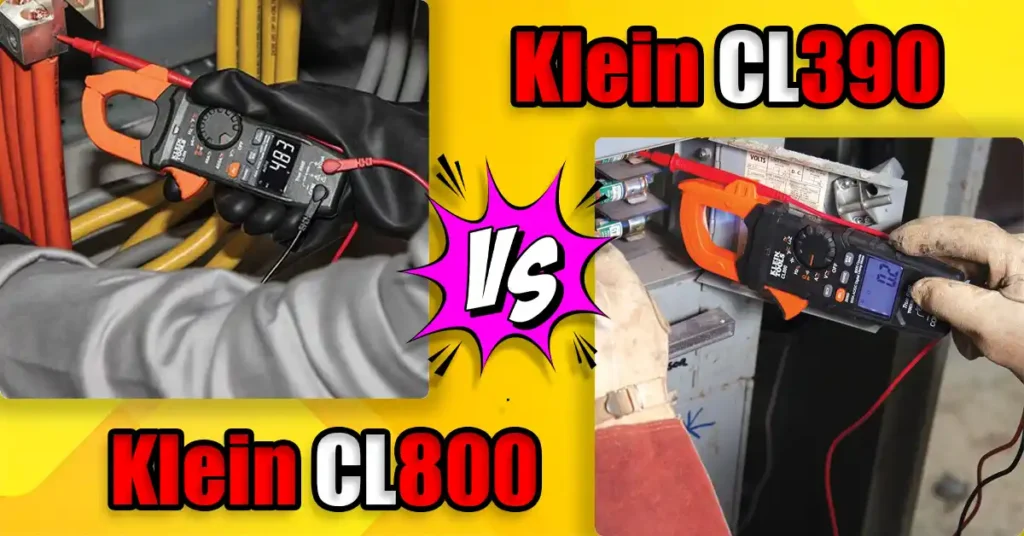
When you work in real garages or on busy job sites here in the U.S., you learn fast that the right meter can save you a lot of stress. I’ve used both models in hot Florida shops and in cold Midwest basements, and each one reacts a bit different when the power shifts.
So in this post, I’m breaking down Klein CL390 vs CL800 to show how they stack up in safety, comfort, and durability. Let’s keep it simple and honest.
Is the Klein CL390 Good?
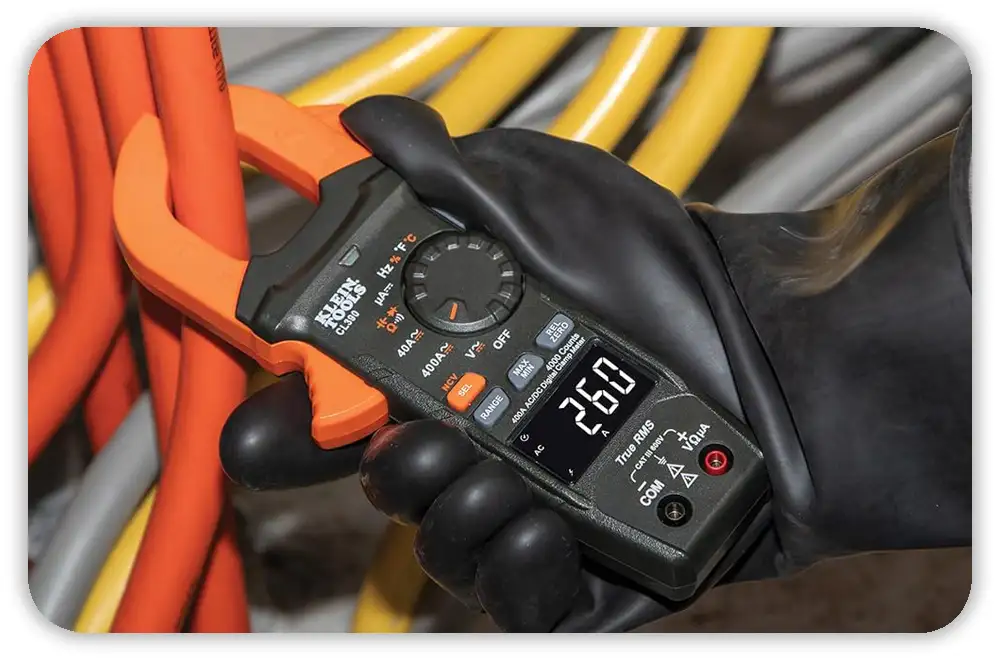
I first grabbed the Klein CL390 on a slow Sunday when I was sorting out a loose outlet in my garage. The old meter I had kept drifting, so I wanted something steady and simple. The cl390 felt light in my hand, and the clamp spring had that clean snap that tells you it’s built right.
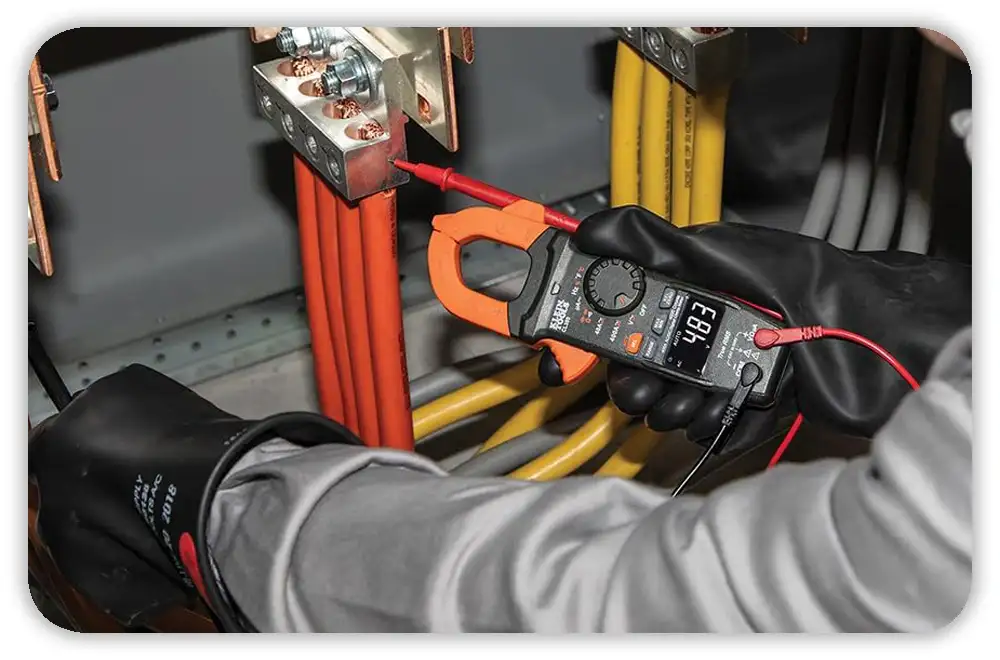
I also used it while helping a friend set up a new shop fan in his shed. The space was warm and loud, but the reverse-lit screen was easy to read. It gave me quick numbers with no fuss, and the auto-range worked without jumping around. Those little wins add up when you’re working in tight spots.
What I Like
Solid Feel: The grip on the Klein CL390 is smooth but not slick, which made it easy to hold when I was kneeling by that garage outlet. The clamp has a firm pull and never felt cheap or loose. It gave me a sense of trust during quick checks.
Simple Range Control: One thing that stood out was how fast I could jump between high and low voltage ranges. When I tested a small LED driver, being able to tap down to the low range saved time. It felt like the meter stayed one step ahead of me.
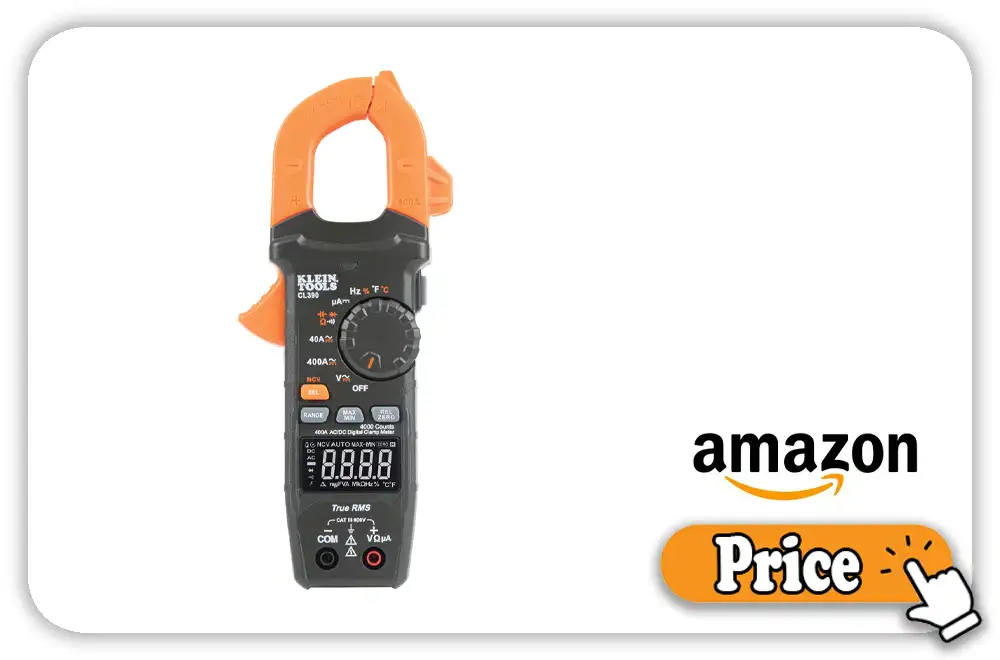
Bright Screen: The reverse-contrast display is a real helper. In my friend’s shed, where the only light came from one dusty window, the screen still popped. It made the Klein CL390 easy to use in the odd spots around a house or garage.
What Could Be Better
Probe Quality: The probes work fine, but they are not top tier. When I was reaching behind a workbench, they felt a bit stiff at the strain relief. A softer or more flexible set would help with small bends.
Subtle Backlight Boost: The extra-bright backlight mode is not a huge jump. When I tried it outdoors on a bright summer day, it helped only a little. A stronger boost would make the screen even better in harsh sun.
No Extra Features: Some pros might miss Bluetooth or logging. When I was checking a series of outlets during a small weekend job, I had to write readings down. A simple memory feature would have been nice.
Recommendation
The Klein CL390 fits well for DIY users, homeowners, and folks who like to fix small things around the house. It has the right mix of ease and accuracy without being too heavy or too pricey. If you work in common American home spaces—garages, attics, sheds—it feels right at home.
It may not be the best pick for techs who need deep data tools, but for steady checks, safe tests, and quick repairs, it hits the mark. If you want a tool that reads true and keeps things simple, the cl390 is an easy choice.
Is Klein CL800 Good?
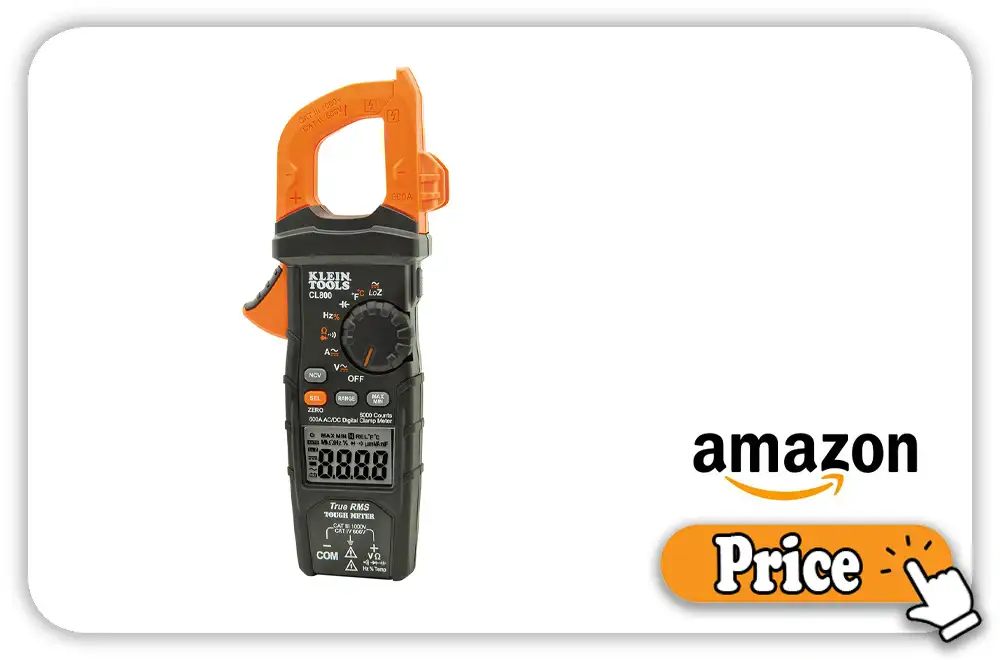
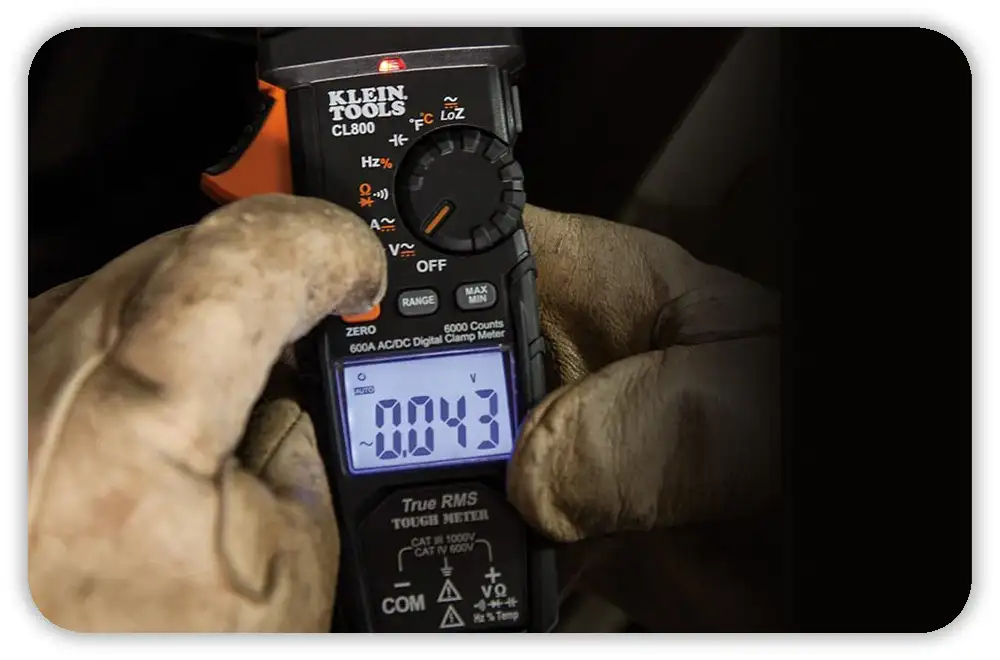
I first used the Klein CL800 on a warm afternoon when I was checking a stubborn breaker in my garage. The meter felt tough in my hand, with a little more weight than the lighter models, but in a good way.
It gave me that solid “job-site” feel as soon as the clamp clicked shut on the wire. Later that week, I used it again while fixing a loose light switch in a friend’s shed.
The built-in worklight helped more than I expected, especially in that dim corner where the sun never reaches. The readings came fast and clear, and the LoZ mode cut through a ghost voltage that had been tricking my old meter.
What I Like
Strong Build: The Klein CL800 feels rugged. It has a firm grip with no flex, and the clamp opens wide without that cheap hinge wobble. That helped a lot when I had gloves on during a cold morning check.
LoZ Mode: The low-impedance mode is a real time saver. I used it to clear out a stray voltage on a long Romex run in a hallway wall. The reading settled fast, and I knew right away what was real and what was noise.
Worklight and Clear Screen: The backlit LCD and the small worklight make quick checks easy. When I tested an outlet behind a shelf, the light kept my leads in view. The screen held up even when I turned the meter sideways in tight space.
What Could Be Better
Weight: The cl800 is durable, but you feel that weight after a long job. When I carried it on my belt for a few hours, it tugged more than I liked. A slightly lighter frame would help for all-day use.
Probe Storage: The lead holder on the side works, but it can feel tight with thicker leads. When I packed up in a hurry, the probes didn’t settle as neatly as I hoped. A bigger clip or softer channel would make storage smoother.
Button Layout: The small buttons work fine, but they can be close together when you move fast. During a quick range change, I brushed the wrong one once or twice. A bit more spacing would help with gloved hands or dim corners.
Recommendation
The Klein CL800 is great for folks who want a tough, all-round clamp meter. It fits well for homeowners, garage workers, and DIY users who like durable tools. If you often deal with ghost voltages or dark work spots, this one shines.
For heavier U.S. home projects—like checking AC units, heaters, or long wire runs—it feels right at home.
If you want something lighter for quick daily checks, the cl390 may feel easier in the hand, but for rugged jobs, the cl800 stands strong.
Details Comparison (Klein CL390 vs CL800)
At the end of a long day in the garage, the Klein CL390 vs CL800 comparison feels pretty clear in real use. The CL390 is light and quick, great for simple tests when you just want to know what’s going on with an outlet or switch.
The CL800 feels tougher and more settled in the hand, and it helps when a job gets tricky or when you hit odd readings. I used both meters on the same breaker and a stubborn outlet, and the difference showed up in how calm and sure each tool felt.
Accuracy & Reading Stability: Klein CL390 vs CL800
When I checked a warm breaker one evening, both meters gave me the right number, but the CL800 locked in faster. The CL390 worked fine for steady loads, yet it jumped a bit when the heater kicked on.
The CL800 held a steady line, which felt reassuring when the garage lights flickered from the old wiring.
| Accuracy Detail | Klein CL390 | Klein CL800 |
| TRMS response | Good | Very good |
| Load stability | Light drift | Very steady |
| Low-voltage feel | Solid | Higher confidence |
Rating: CL390 – 8/10 | CL800 – 9/10
Build Strength: Klein CL390 vs CL800
Both tools lived in my garage drawer for months, so they saw dust, cold mornings, and a few drops. The CL390 handled home use well, but the CL800 felt built for harder days with its thicker shell and firmer clamp. It’s the one I reach for when I worry I might bump something or stand on a ladder.
| Build Detail | Klein CL390 | Klein CL800 |
| Shell strength | Good | Rugged |
| Clamp durability | Light feel | Firm and tight |
| Drop toughness | Basic | High confidence |
Rating: CL390 – 7/10 | CL800 – 9/10
Display & Visibility: Klein CL390 vs CL800
The reverse-contrast screen on the CL390 is great when I’m working behind a shelf or in a hallway. The CL800 takes it further with a bright backlight and a small worklight, which helped me late one night under the sink. In darker rooms, the CL800 just feels easier on the eyes.
| Display Detail | Klein CL390 | Klein CL800 |
| Screen clarity | Very good | Excellent |
| Backlight strength | Good | Strong |
| Worklight | No | Yes |
Rating: CL390 – 8/10 | CL800 – 9/10
Safety & Special Features: Klein CL390 vs CL800
I hit a ghost voltage in an older hallway circuit, and the CL390 made the number look real. The CL800’s LoZ mode cut the reading down at once and showed me the real voltage. For older American homes where wires run long and funny, that LoZ feature makes life easier.
| Safety Feature | Klein CL390 | Klein CL800 |
| LoZ mode | No | Yes |
| Ghost-voltage handling | Basic | Strong |
| Safety rating | Standard | Higher grade |
Rating: CL390 – 7/10 | CL800 – 10/10
Ease of Use: Klein CL390 vs CL800
When I’m tired or doing quick checks around the garage, the CL390 feels easy and light. The CL800 takes a touch more effort due to its weight, but its dial feels firmer and more exact. Both meters work well, but the CL390 wins if you want the simplest grab-and-go tool.
| Ease Detail | Klein CL390 | Klein CL800 |
| One-hand comfort | Very easy | Moderate |
| Mode switching | Simple | More options |
| Weight in long use | Very light | Noticeably heavier |
Rating: CL390 – 9/10 | CL800 – 8/10
Feature Range: Klein CL390 vs CL800
Both meters read voltage, current, resistance, temp, continuity, frequency, capacitance, and more.
The CL800 adds the worklight, LoZ, and a bit more reach for tougher jobs. If you do deeper troubleshooting or deal with older wiring, the CL800 has the edge.
| Feature Set | Klein CL390 | Klein CL800 |
| Core functions | Wide | Wider |
| Advanced modes | Basic | Full set |
| Extra convenience | Standard | Worklight + LoZ |
Rating: CL390 – 8/10 | CL800 – 10/10
Weight & Comfort: Klein CL390 vs CL800
If I’m up and down a ladder, the CL390 is the one I clip to my belt because it never feels heavy. The CL800 feels more “anchor-like,” which helps with steadiness but not with long hours of carrying. Still, the grip on both is smooth and fits the hand well during short tasks.
| Comfort Detail | Klein CL390 | Klein CL800 |
| Weight | Light | Heavier |
| Long-use comfort | High | Medium |
| Balance in hand | Good | Very good |
Rating: CL390 – 9/10 | CL800 – 7/10
FAQs About the Klein CL390 vs CL800
Which meter is better for basic home use, the klein cl390 or cl800?
The klein cl390 is lighter and easier for quick home checks. The cl800 has more power and safety features, but it may feel like more tool than you need for small tasks.
Does the klein cl800 work better on older wiring?
Yes. The cl800 has LoZ mode, which helps clear ghost voltages in long or older wires. It gives steadier readings when circuits act odd in older U.S. homes.
Is the klein cl390 accurate enough for DIY electrical work?
The cl390 offers solid TRMS accuracy for most DIY jobs. It reads voltage and current well and stays steady on simple loads in garages or workshops.
Why is the klein cl800 heavier than the cl390?
The cl800 uses a thicker shell and stronger clamp for better durability. That extra weight helps on tough jobs but may feel heavy for all-day use.
Which meter has better visibility in dark spaces?
The cl800 has a bright backlight and a built-in worklight, making it easier to see behind shelves or panels. The cl390 is clear too, but not as strong in dark spots.
As an Amazon Associate, We earn from qualifying purchases