
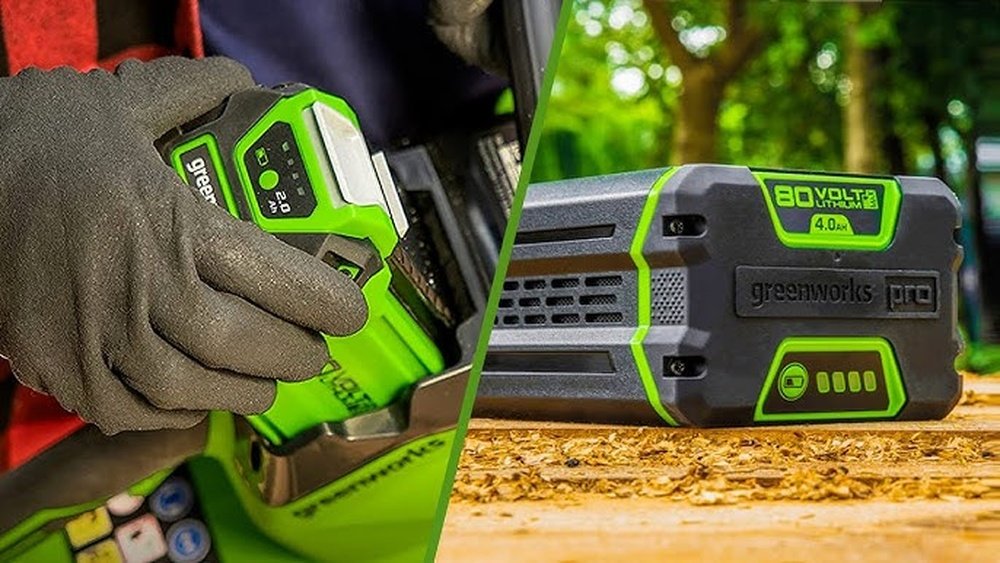
When you step into the world of battery-powered lawn mowers, one question comes up fast: 40V or 80V lawn mower—which one is right for you? At first glance, both promise freedom from gas, less noise, and no cords to trip over. But the differences matter, especially when you want a mower that fits your lawn, your routine, and your expectations. Many buyers get stuck comparing specs or think higher voltage always means better. That’s not always true. Let’s dig deep into what sets 40V lawn mowers and 80V lawn mowers apart, how voltage impacts real-life mowing, and which is best for your yard.
Understanding Voltage In Lawn Mowers
Before you compare models, it’s important to know what voltage actually means in a battery mower. Voltage (V) is a measure of the electric potential. In simple words, higher voltage allows a motor to draw more power, which can lead to more cutting strength and the ability to handle tough grass. However, voltage is only one part of the story. Amp hours (Ah) measure the battery’s capacity—how long the mower can run before needing a recharge.
Some people think more voltage means the mower will always last longer or cut better. But in real use, battery capacity, mower design, and the motor’s efficiency all play a role. For example, a 40V mower with a large battery might run longer than an 80V mower with a small battery. So, voltage gives you clues, but it’s not the only thing to check.
40v Lawn Mowers: Strengths And Weaknesses
40V lawn mowers are the most common type for battery-powered home use. They are popular with people who have small to medium-sized lawns and want a mower that is light, quiet, and easy to use.
Benefits Of 40v Lawn Mowers
- Lightweight and easy to push: Most 40V models are lighter than their 80V cousins. This makes them simple to maneuver, especially if you have tight turns or lots of flower beds.
- Lower price: 40V mowers usually cost less. Batteries are cheaper too, so replacing or adding a spare won’t break the bank.
- Less intimidating for beginners: New users often find 40V mowers less powerful, but in a good way—they don’t lurch or feel hard to control.
- Enough power for regular lawns: On healthy, well-maintained grass, a 40V mower cuts cleanly and does not bog down.
- Quieter operation: While all battery mowers are quieter than gas, 40V mowers tend to be even softer, making early morning mowing less of an issue.
Drawbacks Of 40v Lawn Mowers
- Struggles with tall or thick grass: If your yard gets overgrown or your grass is dense, a 40V mower might slow down or stall.
- Shorter run time: Most 40V batteries last 30–45 minutes per charge, depending on the mower and the grass. For large lawns, you may need a spare battery.
- Less torque: Wet grass or uneven ground can challenge the motor, especially if the mower isn’t self-propelled.
Who Should Buy A 40v Lawn Mower?
If your yard is under a quarter acre (about 10,000 square feet), a 40V model is likely enough. These mowers suit homeowners who mow regularly, don’t often deal with wild, overgrown grass, and want a light, easy-to-store machine. It’s also a good fit if you share batteries with other 40V tools (like string trimmers or blowers).
80v Lawn Mowers: Strengths And Weaknesses
80V lawn mowers are the heavy hitters of the battery world. They are designed for larger lawns or tough mowing conditions, offering more power and longer run times.
Benefits Of 80v Lawn Mowers
- Serious cutting power: The higher voltage means more torque. 80V mowers cut through thick, wet, or tall grass with less slowdown.
- Longer run time: Big batteries let you mow for 45–90 minutes, enough for half-acre or even one-acre lawns in a single session.
- Wider decks: Many 80V models have larger cutting widths (20–22 inches), which means fewer passes and less time mowing.
- Handles slopes and rough terrain: The extra power helps on hills or bumpy ground. Many 80V mowers are also self-propelled, making it easier to push.
- Professional feel: The build quality is often higher, with steel decks and tougher wheels.
Drawbacks Of 80v Lawn Mowers
- Heavier weight: The bigger battery and larger deck add pounds. Some users find these mowers harder to lift or turn in tight spots.
- Higher cost: 80V mowers and batteries cost more, sometimes double the price of 40V models.
- May be overkill: For a small, flat lawn, the extra power and size can be unnecessary.
- Longer charging time: Large batteries can take hours to recharge unless you buy a fast charger.
Who Should Buy An 80v Lawn Mower?
Choose an 80V mower if your yard is large (over 10,000 square feet), if your grass grows quickly, or if you often deal with weeds, uneven ground, or slopes. It’s also the better choice if you want a self-propelled mower for less effort, or if you want a battery system that works with other high-demand tools (like chainsaws).
Key Differences: 40v Vs 80v Lawn Mower
Let’s break down the most important differences between these two voltage classes.
| Feature | 40V Lawn Mower | 80V Lawn Mower |
|---|---|---|
| Power | Moderate, best for regular grass | High, handles thick or tall grass |
| Run Time | 30–45 mins (typical) | 45–90 mins (typical) |
| Weight | Lighter (35–50 lbs) | Heavier (55–80 lbs) |
| Deck Size | 16–20 inches | 20–22 inches |
| Price (average) | $200–$350 | $350–$600 |
| Best For | Small/medium lawns | Large/rough lawns |
It’s clear that 80V mowers excel where extra power and longer run time matter. But for many homeowners, the lighter, cheaper, and simpler 40V mowers are the smarter buy.
Performance: Real-world Mowing
What do these differences mean when you actually mow your lawn? Let’s look at how each type performs in common situations.
Cutting Power And Grass Types
A 40V mower does a fine job on fescue, bluegrass, and other common US grasses—if you mow once a week. It can struggle with St. Augustine or Bermuda when it gets thick. 80V mowers, on the other hand, power through tough spots.
If you sometimes skip a week, or if your grass gets tall fast in the rainy season, 80V keeps you moving.
Run Time And Battery Swapping
Most 40V batteries offer 2. 5 to 5. 0 amp-hours (Ah). If your yard takes more than 45 minutes to mow, you’ll need a second battery or a break to recharge. Many 80V mowers come with 5. 0 Ah or even 6.
0 Ah batteries. That means more area per charge—sometimes double. If you want to mow without stopping, the 80V is safer.
Non-obvious tip: Some mowers allow you to insert two batteries and switch automatically when the first is empty. This feature is more common in 80V models.
Noise And Vibration
Both 40V and 80V mowers are quieter than gas. But the 40V is a bit softer and vibrates less, which is nice if you have close neighbors or sensitive hands.
Handling, Turning, And Storage
Lighter 40V mowers are easier to lift onto a shelf or hang on the wall. They’re also simpler to turn in small spaces. If your yard is full of trees, benches, or garden beds, 40V is less tiring. 80V mowers feel more solid but can be awkward on slopes unless self-propelled.
Weather And Wet Grass
No battery mower likes wet grass. But if you must mow when the lawn is damp, the 80V will push through better. Still, you should avoid mowing wet to protect both your lawn and your mower.
Battery Life, Charging, And Maintenance
Battery technology is at the heart of cordless mowers. Here’s what you need to know about battery care, charging, and what affects their lifespan.
How Long Do The Batteries Last?
- 40V batteries: Typically last 2–4 years with weekly mowing.
- 80V batteries: Also last 2–4 years, but each charge covers more ground, so you may cycle them less often if you have a big yard.
Non-obvious insight: Heat is the enemy of lithium-ion batteries. Store your batteries inside during summer and winter—never leave them on the mower in a hot garage.
Charging Times
Most 40V batteries (2. 5 Ah) charge in 60–90 minutes. Larger 80V batteries (5. 0–6. 0 Ah) can take up to 2–3 hours with a standard charger. Some brands offer rapid chargers that cut this time in half.
Maintenance Needs
Both types need almost no maintenance compared to gas mowers. Keep the deck clean, sharpen the blade once a season, and charge the battery before storage. Always check your battery’s manual for tips on optimal charging and storage.
Cost Of Ownership: 40v Vs 80v
You’ll spend more upfront for an 80V mower, but is it worth it? Let’s compare the long-term costs.
Upfront Price
- 40V mower (with battery/charger): $200–$350
- 80V mower (with battery/charger): $350–$600
Replacement Batteries
- 40V battery: $80–$130 each (2.5–4.0 Ah)
- 80V battery: $150–$250 each (5.0–6.0 Ah)
Other Costs
There’s no oil, spark plug, or gasoline costs. Both types cost less to run than gas mowers. Blades and wheels last about the same.
Tip: If you use other battery tools, pick a mower that shares batteries for extra savings.
Resale Value
80V mowers keep their value slightly better, but used battery mowers generally sell for less than half the new price after two years.
Environmental Impact
One reason people choose battery mowers is the eco-friendly factor. Both 40V and 80V mowers are greener than gas, but there are small differences.
Energy Use
- 40V mowers use less energy per minute, but may need more passes on thick grass.
- 80V mowers finish faster and can handle more at once, possibly saving energy overall for big lawns.
Battery Recycling
It’s important to recycle batteries at the end of their life. Most brands have programs, or you can use local recycling centers. Never throw lithium batteries in the trash.
Noise Pollution
Both types are quiet, but 40V mowers are usually even quieter. This matters if you live in a noise-sensitive area.
Popular 40v And 80v Lawn Mower Models
To give you a real-world feel, here are some well-known models in each class.
| Model | Voltage | Cutting Width | Run Time | Best For |
|---|---|---|---|---|
| Greenworks 40V 16-inch | 40V | 16 in | 45 mins | Small lawns |
| Kobalt 40V Max 20-inch | 40V | 20 in | 50 mins | Medium lawns |
| Greenworks Pro 80V 21-inch | 80V | 21 in | 60–70 mins | Large lawns |
| Kobalt 80V Max 21-inch | 80V | 21 in | 80 mins | Large/rough lawns |
This list is just a starting point. There are many other brands (Ryobi, Snapper, EGO) with similar choices.
Common Mistakes When Choosing Between 40v And 80v
Many buyers focus only on voltage or price. Here are mistakes to avoid:
- Ignoring battery capacity: A 40V mower with a big battery can outperform an 80V with a small one for run time.
- Not measuring your yard: Guessing lawn size often leads to buying too much or too little mower.
- Forgetting about storage: 80V mowers are bigger and heavier—make sure you have room.
- Not checking for battery compatibility: If you own other tools, stick with one brand and voltage for easy battery sharing.
- Assuming more power is always better: For flat, easy lawns, extra power doesn’t help and just costs more.

How To Choose: Step-by-step Guide
If you’re still unsure, follow these steps:
- Measure your lawn: Use an online tool or walk it off. Under 1/4 acre? 40V is usually enough. Over 1/3 acre? Consider 80V.
- Check your grass type: Fine, thin grass? 40V works. Thick, fast-growing, or mixed weeds? 80V is safer.
- Think about mowing habits: Do you mow weekly? 40V. Sometimes skip a week? 80V.
- Look at terrain: Flat and clear? 40V. Slopes, hills, or rough patches? 80V, especially if self-propelled.
- Consider your strength: If you want a lighter mower or need to lift it, 40V wins.
- Review your tool system: Already own 40V or 80V tools? Stay in the system for battery savings.
- Budget: 40V is cheaper, but if you need spare batteries or a self-propelled model, plan for extra cost.
When To Upgrade From 40v To 80v
If you already own a 40V mower, you might wonder if it’s time to upgrade. Signs you need more power:
- Your mower bogs down in thick grass or weeds, even with a sharp blade.
- You need to recharge or swap batteries more than once per mow.
- The mower struggles on hills, or you’re tired after each session.
- You plan to expand your lawn or change to a higher-maintenance grass.
Are There Even Higher Voltage Mowers?
Yes, some brands offer 56V, 82V, or even 120V mowers. These often target professionals or those with very large lawns. For most home users, 40V or 80V covers all needs. Higher voltage also means more cost, more weight, and often less battery compatibility with common tools.
Real User Experiences
In online forums and reviews, the most common feedback is:
- 40V users love the light weight and simplicity, but sometimes wish for longer battery life.
- 80V users are amazed by the power but sometimes complain about charging time or handling in tight spaces.
- Many users point out that blade sharpness and mowing technique matter more than voltage alone.
Non-obvious insight: You can often improve cut quality simply by mowing more often and keeping the blade sharp, even if your mower is lower voltage.

Expert Recommendations
Most lawn care experts suggest matching your mower to your yard size and growth habits—not just voltage. For example, Consumer Reports recommends 40V for most city lawns, but says 80V is a better bet for big suburban yards.
Frequently Asked Questions
What Does Voltage Really Mean In A Lawn Mower?
Voltage is the potential power the mower’s motor can use. Higher voltage means more power for tougher jobs, but it’s not the only factor—battery size and mower design also matter.
Will An 80v Mower Last Longer Than A 40v On One Charge?
Not always. Run time depends on battery capacity (amp hours), the mower’s efficiency, and grass conditions. An 80V mower may run longer on thick grass, but a 40V with a bigger battery can match or beat it on light grass.
Is An 80v Mower Too Heavy For Most People?
Many 80V mowers are heavier, especially with big batteries. However, self-propelled models help with pushing. If you need to lift the mower often, check the weight before buying.
Can I Use 40v Batteries In An 80v Mower?
No. Batteries are not cross-compatible between voltages. You must use the same voltage battery as your mower and usually the same brand.
Are Battery-powered Mowers Better For The Environment Than Gas?
Yes. Both 40V and 80V mowers produce no emissions during use, are quieter, and need less maintenance. Battery disposal requires proper recycling.
Final Thoughts
Choosing between a 40V and an 80V lawn mower is about matching your machine to your lawn’s needs—not just picking the highest number. If you have a small, well-kept yard and want something light and affordable, a 40V mower is perfect. For large, tough lawns or uneven terrain, 80V delivers the power and run time to get the job done without frustration. Pay attention to battery size, mower weight, and how you plan to use the mower—not just the voltage. In the end, the right mower is the one that makes lawn care easier and fits your lifestyle. With smart shopping, you’ll enjoy a neat, green yard and more free time on weekends.
As an Amazon Associate, We earn from qualifying purchases