
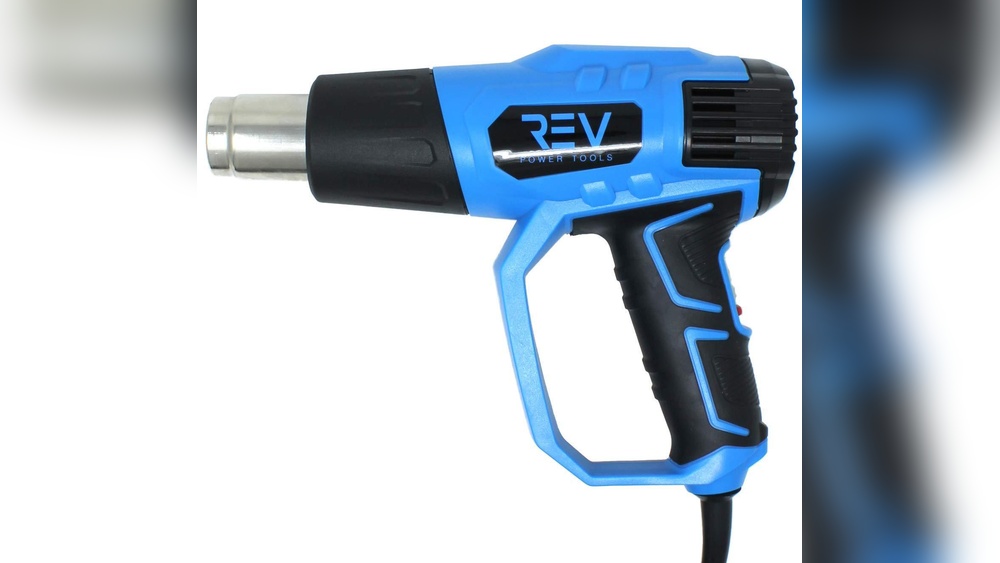
Applying vinyl wrap to cars, motorcycles, or even furniture is now more popular than ever. It offers a cost-effective way to change colors, protect surfaces, or create custom designs. But a successful vinyl wrap job is not just about the film or skill—the right heat gun is a game-changer. Many beginners underestimate how much choosing the wrong heat gun can lead to ruined material, wasted time, or even safety risks. If you want to get smooth, professional-looking results, understanding what heat gun to use for vinyl wrap is essential.
Why Heat Guns Are Essential For Vinyl Wrapping
Vinyl wrap is flexible, but it needs controlled heat to stretch, conform, and stick to curved surfaces. A heat gun helps you:
- Soften the vinyl for easier stretching
- Activate adhesive for better bonding
- Remove air bubbles and wrinkles
- Post-heat edges to lock them in place
Without a heat gun, vinyl may tear, crease, or fail to stick. Some try using hair dryers, but these don’t get hot enough and may overheat with long use.
Key Features To Look For In A Heat Gun For Vinyl Wrap
Not all heat guns are equal. The right features make your work easier and help avoid mistakes.
1. Adjustable Temperature
You need precise temperature control. Most vinyl wraps work best around 90°C–110°C (194°F–230°F) for shaping, and up to 120°C (248°F) for post-heating. A gun with variable temperature lets you set the heat exactly, protecting the vinyl from burns.
2. Air Flow Settings
More than one airflow speed is important. A gentle setting helps with small sections or delicate areas, while a stronger flow is better for large, flat surfaces.
3. Nozzle Attachments
Different nozzle types help direct heat. For example, a wide nozzle covers big areas, while a narrow nozzle is great for edges or tight spots.
4. Ergonomics And Weight
Wrapping a car takes hours. A lightweight, comfortable handle reduces fatigue and improves accuracy.
5. Safety Features
Look for built-in overheat protection. This prevents the tool from overheating and extends its life. A cool-down mode is also useful.
6. Power And Wattage
A heat gun for vinyl wrap should have at least 1500W. This gives you enough power for consistent heat.
Popular Types Of Heat Guns For Vinyl Wrapping
There are mainly two types:
- Analog Heat Guns: Basic models with a dial for adjusting temperature. Affordable and simple.
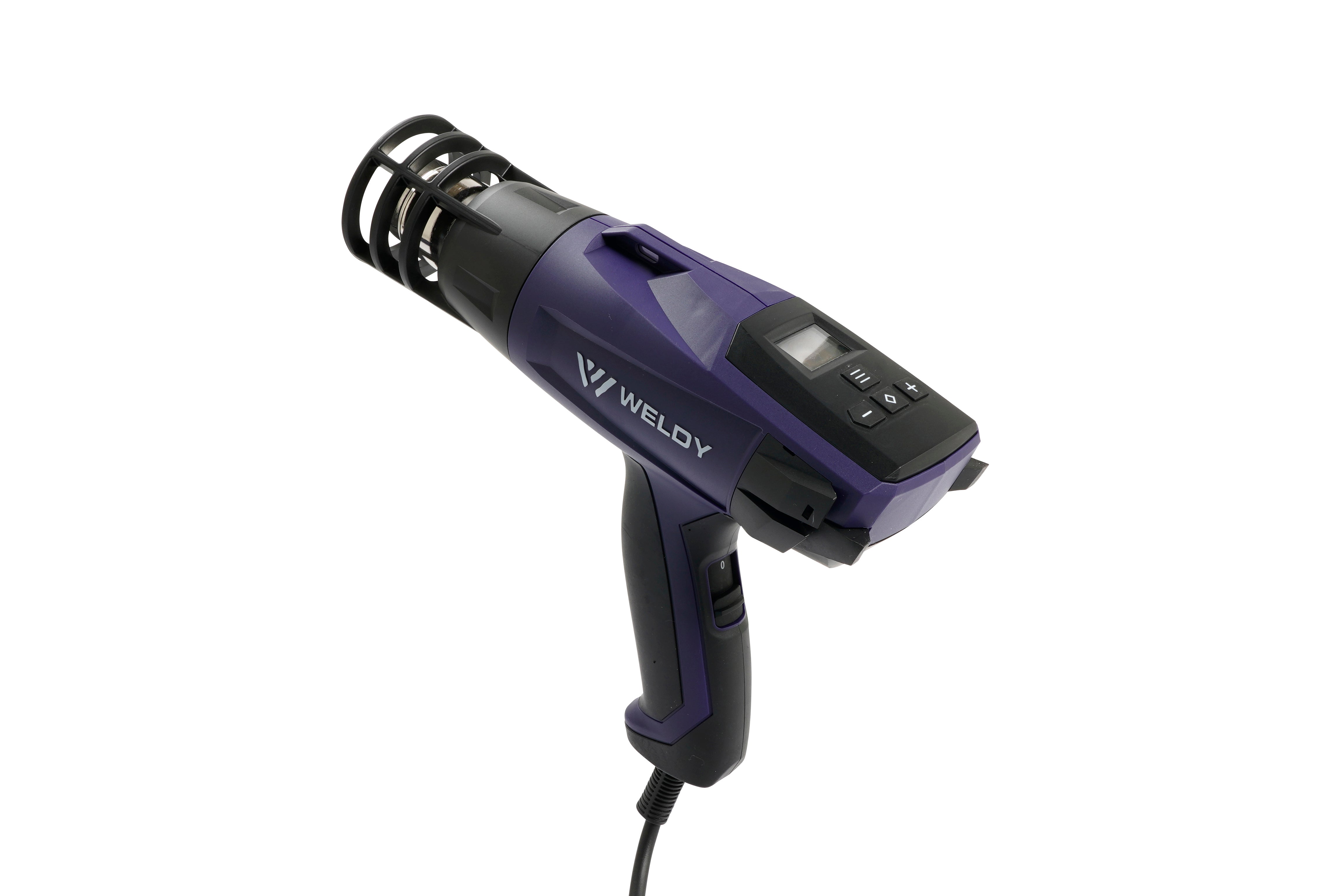
- Digital Heat Guns: Feature digital displays and buttons for precise temperature. More expensive but very accurate.
Some professionals also use infrared heat guns, but these are less common due to their high price and specific use cases.
Top Heat Gun Models For Vinyl Wrap
Here are some heat gun models that are trusted in the vinyl wrap industry. These examples highlight what you should look for.
| Model | Temperature Range | Airflow Settings | Weight | Best For |
|---|---|---|---|---|
| Steinel HL 2020 E | 80°C–630°C | 2 | 0.84 kg | Professionals |
| Wagner Furno 700 | 50°C–650°C | 5 | 0.9 kg | DIY & Pro |
| DeWalt D26960K | 50°C–600°C | 2 | 0.8 kg | All levels |
| Porter-Cable PC1500HG | 60°C–600°C | 2 | 0.85 kg | Budget users |
Each of these models offers a balance of power, control, and comfort. Many professionals favor the Steinel HL 2020 E for its reliability and digital controls.
How To Use A Heat Gun Safely With Vinyl Wrap
Even the best heat gun can ruin a wrap if used incorrectly. Here’s a practical workflow:
- Set the Correct Temperature: Start low, around 90°C, and increase if needed. Test on a small piece of vinyl.
- Keep Moving: Never hold the gun in one spot. Keep it 2–3 inches away and move it steadily.
- Stretch with Care: When the vinyl is warm, gently stretch it. Too much pulling will tear it.
- Seal Edges: Use higher heat (110°C–120°C) to post-heat edges, locking them in place.
- Cool Down: Let the vinyl cool naturally so it holds its new shape.
Common Mistakes To Avoid
- Overheating: This can melt or discolor vinyl. Always use the lowest effective temperature.
- Staying Too Close: Holding the gun too close can burn the film or underlying paint.
- Uneven Heating: Leads to bubbles or weak adhesion. Always keep the gun moving.
Heat Gun Vs. Alternatives: Why Not Use A Hair Dryer?
Some beginners try to use a hair dryer instead of a heat gun. While this might work for small craft projects, it is not suitable for vehicle wraps.
| Tool | Max Temperature | Air Flow Power | Best Use |
|---|---|---|---|
| Heat Gun | 600°C (1112°F) | High | Vinyl Wrap, Paint Stripping |
| Hair Dryer | 60°C (140°F) | Low | Hair, Light Drying |
A heat gun delivers much higher temperatures and focused airflow, which is essential for vinyl wrap. A hair dryer can overheat and break, or simply fail to heat the vinyl enough.
Practical Tips For Beginners
If you are new to vinyl wrapping, a few small steps can make a big difference:
- Practice on Scrap: Try your heat gun on leftover vinyl first to learn how it reacts.
- Use the Right Nozzle: For large areas, use a wide nozzle. For corners or edges, switch to a narrow nozzle.
- Work in Good Light: Heat guns can damage paint if you lose focus. Good lighting helps you see what’s happening.
- Cool Down Periods: Give your heat gun short breaks during long jobs to prevent overheating.
Many beginners miss the importance of post-heating. This step—reheating edges after applying—prevents lifting and keeps the wrap durable for years.
Price Ranges And What To Expect
Heat guns for vinyl wrapping come in different price brackets:
- Entry Level ($20–$40): Basic analog controls, suitable for small projects.
- Mid-Range ($40–$90): Better temperature control, more nozzles, more durable.
- Professional ($90–$200+): Digital controls, ergonomic, precise, longer lifespan.
Buying the cheapest heat gun often leads to frustration. They may overheat, break quickly, or lack precise control.
How To Maintain Your Heat Gun
Proper care extends the life of your tool:
- Clean Nozzles: Remove residue after each job.
- Store Safely: Keep in a dry place, away from dust and moisture.
- Check Cords: Inspect for wear before each use.
- Cool Down: Let it run on a cool setting for a minute after heavy use.
Many beginners ignore maintenance, but a well-kept heat gun can last for years without issues.
When To Upgrade Your Heat Gun
If you start with a basic model, you may eventually want more features. Upgrade if:
- You wrap full vehicles regularly.
- You need more precise temperature control.
- Your current gun overheats or breaks down often.
Professionals often keep two guns: one for large surfaces, one for detail work.
Expert Insights: Non-obvious Tips
- Use Temperature Tape: Special heat-sensitive tape can help you check if your surface is too hot or too cold.
- Watch Out for Cold Weather: Vinyl behaves differently in cold. You may need slightly more heat or time to make it pliable.
Comparing Top Heat Gun Brands
Brand reputation matters. Here’s a comparison of some leading brands in the vinyl wrap world:
| Brand | Warranty | Temperature Accuracy | Customer Support |
|---|---|---|---|
| Steinel | 3 Years | High (±5°C) | Excellent |
| Wagner | 2 Years | Medium (±10°C) | Good |
| DeWalt | 3 Years | High (±5°C) | Very Good |
| Porter-Cable | 1 Year | Medium (±15°C) | Average |
High-quality brands offer better accuracy, durability, and after-sales support.
Final Thoughts
The right heat gun for vinyl wrap is not just about price or brand; it’s about control, safety, and matching your project’s needs. Adjustable temperature, good airflow, comfortable grip, and safety features are critical. Avoid using household hair dryers, and invest in a tool that gives you confidence and consistent results. Remember, careful practice and maintenance are as important as the tool itself. Choose wisely, and your wraps will look smooth and last longer.
For more technical details about heat guns and their applications, you can visit the Wikipedia heat gun page.
Frequently Asked Questions
What Is The Ideal Temperature For Applying Vinyl Wrap?
The best temperature is usually 90°C to 110°C (194°F to 230°F) for stretching and shaping. For post-heating edges, use up to 120°C (248°F). Always check your vinyl’s manual for exact numbers.
Can I Use A Hair Dryer Instead Of A Heat Gun For Vinyl Wrap?
No. A hair dryer does not get hot enough and does not focus air as well as a heat gun. This leads to poor results and may damage your wrap.
How Close Should I Hold The Heat Gun To The Vinyl?
Hold the heat gun about 2–3 inches (5–8 cm) from the surface. Keep moving to avoid overheating any one spot.
What Safety Precautions Should I Take When Using A Heat Gun?
Wear heat-resistant gloves and work in a well-ventilated space. Never point the gun at yourself or others. Allow the gun to cool before storing.
How Do I Know When To Post-heat The Vinyl Edges?
Post-heating is done after all the film is applied and trimmed. Heat the edges to the recommended temperature (usually around 110°C–120°C) to lock them in place and prevent lifting.