
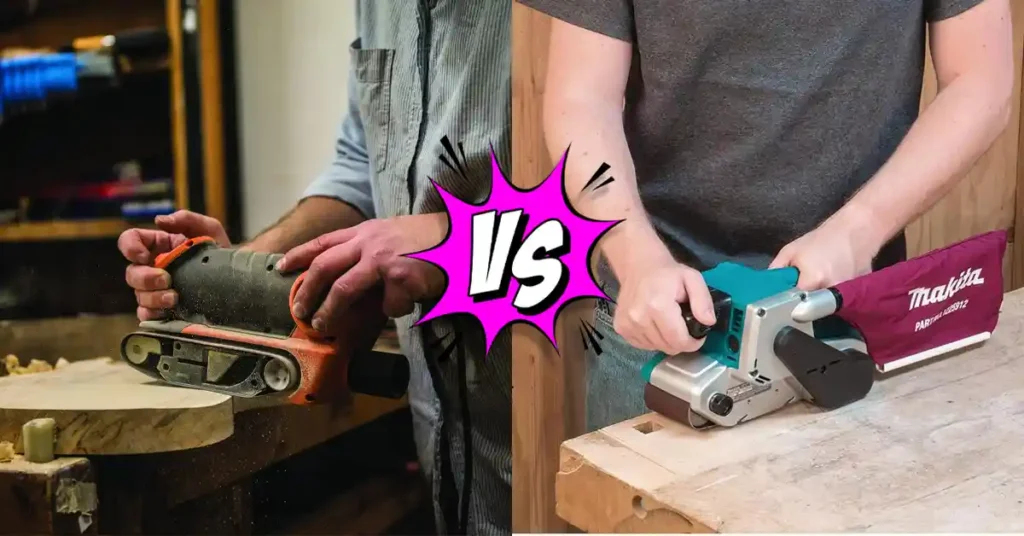
I get asked about the Triton vs Makita belt sander a lot. I used both for years in my shop, and each one left a strong impression. I ran them in a hot Florida garage that felt like a sauna. I ran them in a cold Midwest basement where tools start slow. I even took them to dusty patios in Arizona where fine dust gets everywhere.
Table of Contents
Basic Function of Each Tool
Before I compare anything, I want to show what each sander actually does in real use. This comes from my own hands-on time with both sanders in different shops and different states.
Triton Belt Sander
When I first used the Triton belt sander, the thing that hit me fast was how simple the setup was. It runs a sanding belt over two rollers, and the belt does all the heavy work. I just guide it. The tool pulls forward with a strong feel, and I can almost sense the torque as soon as it touches wood. This tool works by shaving off the top layer of wood in a straight line, and it does that with speed.
Most days, I used the Triton for rough boards I brought home from local lumber stores. It handled old pine, warped cedar, and thick reclaimed pieces I found at flea markets. When I was sanding outside in a warm Texas breeze, the Triton helped me flatten big boards fast. It feels like the tool you grab when you want to level or strip something without wasting time. This makes the Triton great for quick removal and heavy stock work.
Makita Belt Sander
The Makita belt sander works the same way in theory, but the feel is very different. When I pull the trigger, the belt starts smooth, and it glides across the wood without a jump. The rollers and plate keep the belt flat, and I can make soft, easy passes. It sands by keeping the belt steady and even, which gives me more control when I need clean lines.
I used the Makita a lot on furniture pieces in my Midwest shop. When winter hit and the air turned dry, the Makita still felt calm and steady. I used it on table tops, long trim boards, and small steps I built for a friend’s porch. It never dug too deep. It gave me a clean and flat surface with almost no surprise moves. The Makita shines when the job needs a smooth finish instead of raw power.
Technical & Practical Differences
This is where the real differences start to show. I learned these things by using both sanders on many jobs, in many climates, and on all kinds of wood.
Performance and Precision
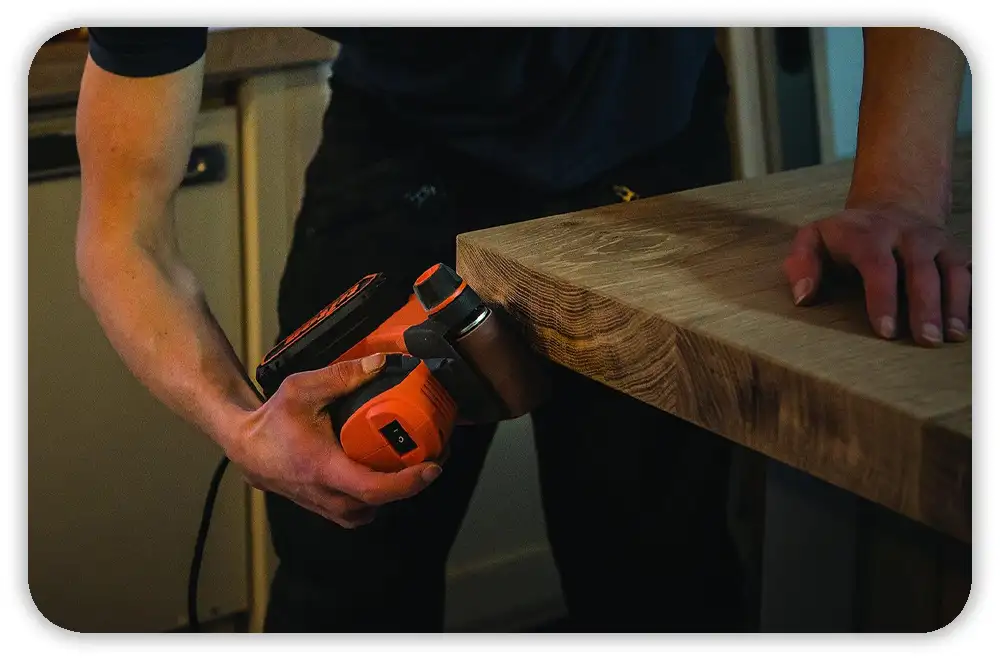
When I tested the Triton vs Makita belt sander, the first thing I noticed was how different they feel once the belt hits the wood. The Triton moves fast and bites hard. It almost leaps forward when I start a pass, and I can feel the torque in my hands. This helps when I want quick stock removal, but it can dig deep if I’m not careful.
The Makita feels smoother. It stays flat and steady, even on long boards or soft woods. I never felt it jump or pull. It removes wood at a slower pace, but the finish looks more even.
Power and Torque Under Load
The Triton has a bold pull. When I push it into thick pine or old hardwood, it keeps grinding without slowing down. I felt this most while sanding reclaimed boards I found at a flea market in Ohio.
The Makita has good power too, but the torque spreads out in a soft way. It feels like the belt stays planted no matter how hard I press. This was helpful when I sanded a maple tabletop in my Midwest shop.
Portability in U.S. Conditions
Weight matters when you move tools around in tough weather. In Texas heat, the Triton felt heavier. I felt the weight more when I carried it from the garage to the deck.
The Makita felt lighter and easier on my arms. I noticed this most in Seattle when the air was damp, and I had to move tools often to keep them dry.
Ease of Setup, Belt Changes, and Maintenance
The Triton needed more tuning. I had to adjust the belt tracking knob each time I swapped belts. It was not hard, but it took attention. I also had to clean dust from the rollers more often, especially in humid places like Florida.
The Makita tracked the belt almost by itself. I swapped belts fast and got right back to sanding. The dust seals also stayed cleaner in dry Arizona air.
Safety Characteristics and User Control
The Triton can jerk if the belt catches the grain wrong. I learned to brace my stance and keep a firm grip. This was true for soft woods and reclaimed boards with knots.
The Makita felt calmer. It stayed flat even when I hit uneven spots. This made it easier to use when I worked indoors near trim or furniture parts.
Learning Curve for New Users
When friends asked which tool felt easier, I always said the same thing. Triton takes a little practice. The strong pull can surprise you.
Makita feels natural from the first pass. The tool stays smooth, so beginners worry less about digging into the wood.
Context With Other U.S. Brands
When you compare tools in the U.S., people often bring up other names like DeWalt, Milwaukee, Ryobi, or Craftsman. These brands all feel different. In my experience, the Triton feels more like an aggressive Milwaukee tool that wants to work hard. The Makita feels closer to DeWalt in its smooth start and steady control.
Comparison Table: Triton vs Makita Belt Sander
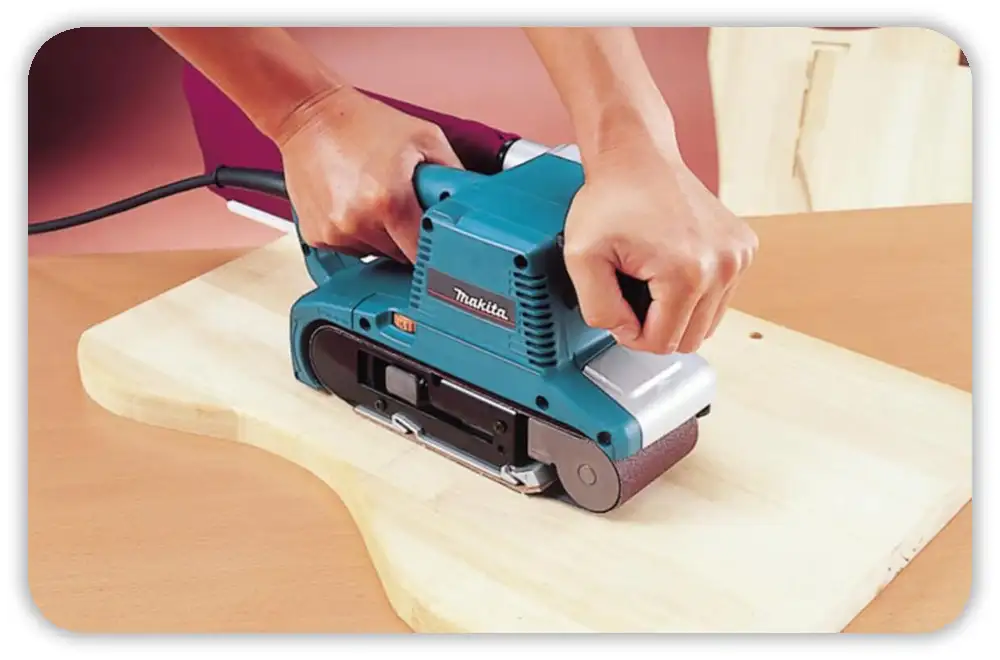
Here’s a side-by-side snapshot of how the Triton and Makita belt sanders compare based on my real workshop and job-site experience.
| Feature | Triton Belt Sander | Makita Belt Sander |
| Accuracy | It hits hard, so I have to guide it slow to avoid digging. | It stays smooth, so my passes stay clean with less effort. |
| Power Source | The models I used were corded and felt strong but less flexible. | I used both corded and cordless, and the cordless felt handy for tight spaces. |
| Portability | It feels heavier when I move it around, especially in warm states like Texas. | It feels light and easy to carry from room to room or across a job site. |
| Safety | It can jerk if the grain grabs, so I keep a firm stance. | It stays calm and steady, which feels safer for newer users. |
| Ideal Use | Best for fast stock removal and rough boards. | Best for smooth sanding and clean surface work. |
When to Use Each
I found that each sander has its own best moment. These are the situations where each one made sense for me in real projects.
When a Triton Belt Sander Makes Sense
I reach for the Triton when I need raw speed. It chews through wood fast, and that helps when I deal with rough boards or thick reclaimed pieces. I used it a lot when I cleaned up old cedar from a barn project. The Triton helped me strip the surface in a few passes. I also used it outside on a warm day in Texas, and the strong pull made big jobs feel shorter.
When a Makita Belt Sander Fits Better
The Makita makes more sense when I need clean sanding with no surprises. I use it for table tops, trim work, and furniture repairs. When I worked in my Midwest shop during the winter, I trusted the Makita on softer woods because it stayed calm and did not jump. It also helped when I sanded long boards inside the house, since the motor felt smooth and the dust stayed controlled.
Real Examples
In my Florida garage, which gets humid fast, the Makita kept the dust down better. The Triton still worked great, but it filled the dust bag quicker. On a deck job in Texas, I used the Triton to level thick edges where boards met. When fixing a bench for a friend in the Midwest, I used the Makita because I wanted soft, smooth passes with no dips.
Safety and Skill Level
Both sanders need a steady hand, but in different ways. Here’s what I learned about safety and skill from years of using them side by side.
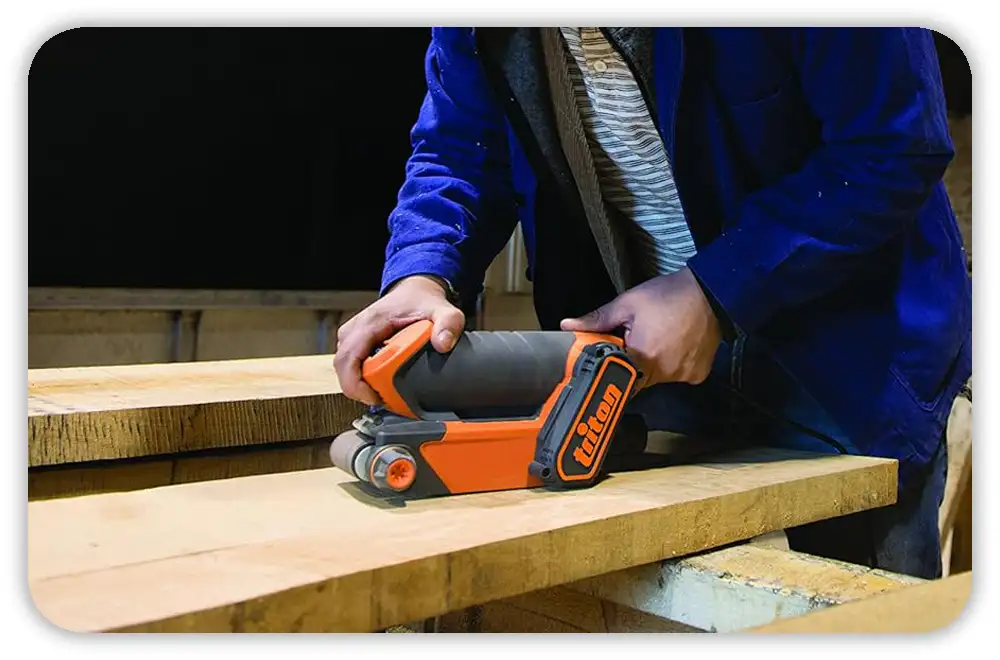
Skill Level Needed for Triton
The Triton needs a steady hand. It pulls hard, so I keep both hands firm on the grips. When I sand reclaimed boards with knots, it sometimes jumps. I learned to start slow and keep my stance wide. This tool fits users who already have some sanding experience.
Skill Level Needed for Makita
The Makita feels easy for new users. It starts smooth and stays flat. I used it while teaching a friend how to sand her first project, and she picked it up fast. It feels safe for small indoor jobs and for anyone who wants a calm tool.
U.S. Safety Habits That Help
In dusty garages, I wear goggles because fine dust travels fast. In winter states, I use gloves so my grip stays firm even when tools feel cold. On loud job sites, I use ear protection because belt sanders make a strong hum. These small habits keep both tools safe to use.
Maintenance and Durability
Good care keeps these sanders running smooth. These are the habits I built over the years to keep both tools in great shape.
How to Clean and Store Each Sander
The Triton builds dust in the roller area, so I brush it out often. The Makita stays cleaner because the seals are tighter. I store both tools inside when the weather shifts. In humid states like Florida, I keep silica packs near my tools to slow rust.
Belt Replacement Habits
I swap belts faster on the Makita because the tracking stays stable. On the Triton, I adjust the tracking knob each time. It takes a few seconds, but it matters for straight sanding.
Cord Checks, Dust Control, Motor Care
I check cords for cracks, especially after winter jobs. Dry air can stiffen the rubber. I empty dust bags often because both motors run better with clean airflow. A soft brush helps clean vents on the Makita, while the Triton needs a deeper clean around the rollers.
Climate-Specific Storage Tips
On humid coasts, rust can hit screws fast, so I oil them lightly. In the dry Southwest, dust can hide in vents, so I blow them out often. In cold Midwest winters, I let the tools warm up before long sanding sessions.
Conclusion
Using both sanders taught me that each one has a clear role. The Triton is fast and strong, and it works best on rough boards or outdoor jobs. The Makita is smooth and steady, and it fits clean woodworking or indoor sanding. Neither one is “better.” They just shine in different places, with different demands, and in different U.S. conditions.
FAQs for Triton vs Makita Belt Sander
Can a belt sander replace an orbital sander?
A belt sander removes wood fast, while an orbital sander smooths wood. You can use both in one job, but a belt sander cannot replace an orbital sander.
Which is easier for beginners, the Triton or the Makita belt sander?
The Makita belt sander feels smooth and calm, so beginners control it fast. The Triton hits harder and needs a steady grip from the start.
Does belt size matter for furniture work?
Yes. A wider belt covers more space and keeps surfaces even. A smaller belt helps with tight spots and edges on small furniture parts.
Is a Triton belt sander better for outdoor projects?
It can be. The Triton removes wood fast, which helps on decks and rough lumber. The Makita stays smooth, so it fits more for indoor work.