
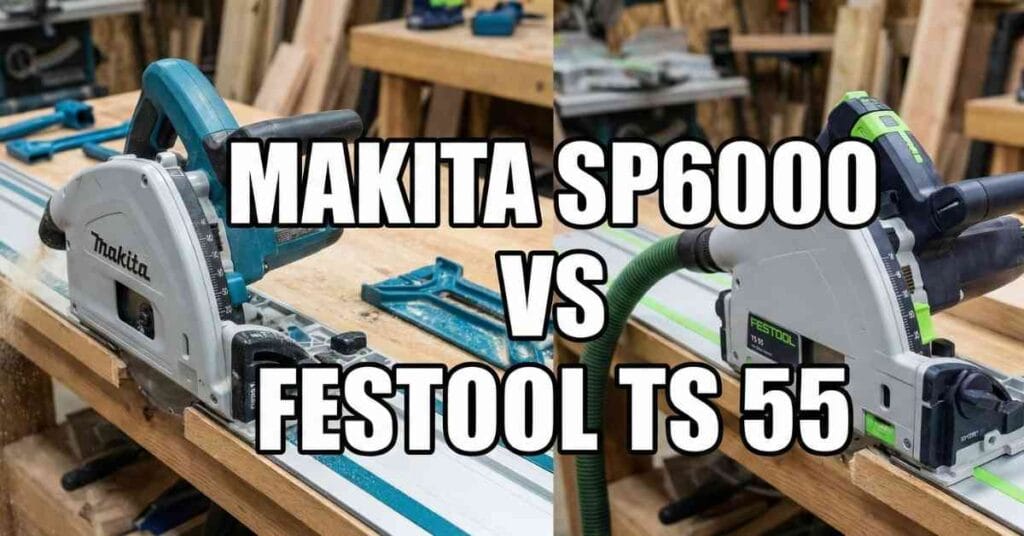
The makita sp6000 vs festool ts 55 choice is a big one for any shop. I have used both on real jobs for a long time. They both cut well, but they feel very different in my hands.
I spent months using these saws side by side. I wanted to see which one works best for daily tasks. Here is what I found after cutting miles of wood with them.
My Experience With the Makita SP6000
I first used the Makita SP6000 to build a set of tall cabinets. I had to rip long sheets of birch plywood all day. The saw felt very solid and heavy in a good way. It stayed flat on the track without any shaking or vibration.
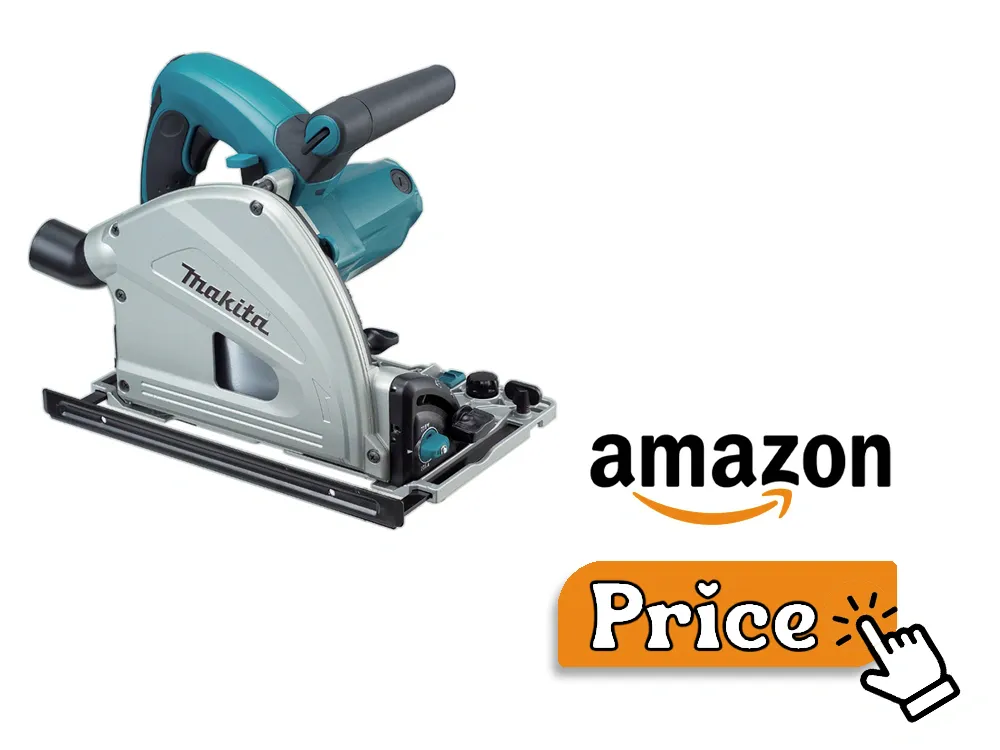
The motor is very quiet, which I liked for long workdays. I had to adjust the cams on the base at first. Once I did that, the saw slid like it was on ice. It felt very smooth as I pushed it through the wood.
| Pros | Cons |
| Great price for the power | Dust port can feel loose |
| Built-in scoring mode | No riving knife for safety |
| Locks onto the track for tilts | Case is a bit too big |
| Very smooth motor start | Needs a good vacuum to work |
The best part for me was the scoring button. I just pushed it to make a shallow first cut. This stopped the wood from splintering on the top side. It saved me from ruining expensive sheets of dark walnut veneer.
After weeks of use, the Makita still feels like new. The rubber grip is soft and easy on my palm. I did notice that the dust port can get clogged if the bag gets full. It works much better when I hook it up to my big shop vac.
My Experience With the Festool TS 55
Moving to the Festool TS 55 felt like using a fine surgical tool. I used it to trim thick oak tops for a large dining table. The saw is perfectly balanced and feels light in my hand. It is very easy to guide with just one hand on the handle.
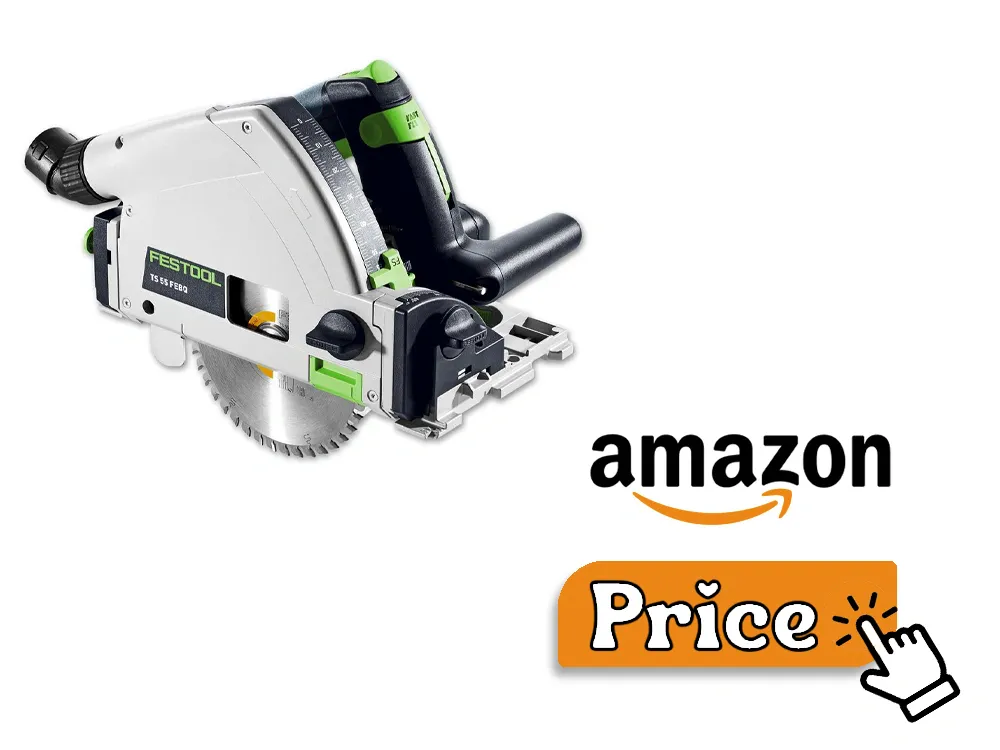
The riving knife is a feature I love for safety. It keeps the wood from pinching the blade during deep cuts. I felt very safe cutting through thick, wet lumber. The depth scale is also very easy to read at a quick glance.
| Pros | Cons |
| Best dust collection I found | Very high price to buy |
| Has a safety riving knife | Extra parts cost a lot |
| Very fast blade changes | No lock for bevel cuts |
| Cuts are perfect every time | Plastic knobs feel thin |
Changing the blade is faster than on any other saw. I just flip a green lever and the saw locks down. I used one key to swap the blade in under a minute. This helped me use the right blade for every single task.
The Festool stays much cleaner than the Makita. The guard covers the blade so well that no dust escapes. I could cut inside a clean kitchen without making a mess. It costs more, but I saved so much time on cleaning up the jobsite.
Details Comparison for makita sp6000 vs festool ts 55
Comparing these tools on a jobsite shows what really matters. These five points cover the main things I noticed while I worked.
Cut Accuracy and Consistency
The Makita is very accurate, but I had to double-check my settings. The Festool stayed exactly where I set it all day long. The Festool feels like it is built to hold its settings through bumps and vibrations.
| Testing Point | Makita SP6000 | Festool TS 55 |
| Bevel Accuracy | Good with lock | Great |
| Drift Over Time | Very small | None |
| Depth Precision | Solid | Perfect |
Build Quality and Feel
The Makita feels like a tough tank made for hard work. It can take a drop and keep on going. The Festool feels more like a high-end camera. It is well-made but I feel like I need to be more careful with the plastic parts.
| Build Aspect | Makita SP6000 | Festool TS 55 |
| Case Quality | Heavy Plastic | Easy Stack Box |
| Grip Comfort | Soft Rubber | Hard Plastic |
| Weight Balance | Front Heavy | Dead Center |
Dust Extraction Performance
This is where the Festool is the clear winner for me. When I used the Makita, I still had some dust to sweep up. With the Festool, my work area stayed totally clean. This is vital if you work inside people’s homes.
| Performance | Makita SP6000 | Festool TS 55 |
| Suction Seal | Okay | Excellent |
| Hose Fitting | Friction Fit | Locking Clip |
| Airflow | Good | Superior |
Ease of Use and Speed
The Makita is easy to use, but the Festool is faster. The blade on the Festool stops the moment I let go of the trigger. This meant I could move to my next cut much sooner. It makes the whole day go by a lot faster.
| Task Speed | Makita SP6000 | Festool TS 55 |
| Blade Change | A bit slow | Very quick |
| Setup Time | Normal | Very fast |
| Guard Action | Standard | Smooth |
Safety Features on the Job
The riving knife on the Festool is the biggest safety plus. When I cut wood that was under stress, the Makita would sometimes bind. The Festool knife kept the cut open and safe. It gave me more peace of mind on the job.
| Safety Point | Makita SP6000 | Festool TS 55 |
| Riving Knife | None | Yes |
| Blade Brake | Electronic | Mechanical |
| Kickback Risk | Moderate | Very Low |
The Makita is a great tool for a fair price and will last for years. The Festool is for those who want the best and have the budget for it. If you are starting a new shop, the Makita is a smart pick. If you do this every day for work, the Festool is worth the extra cost.