
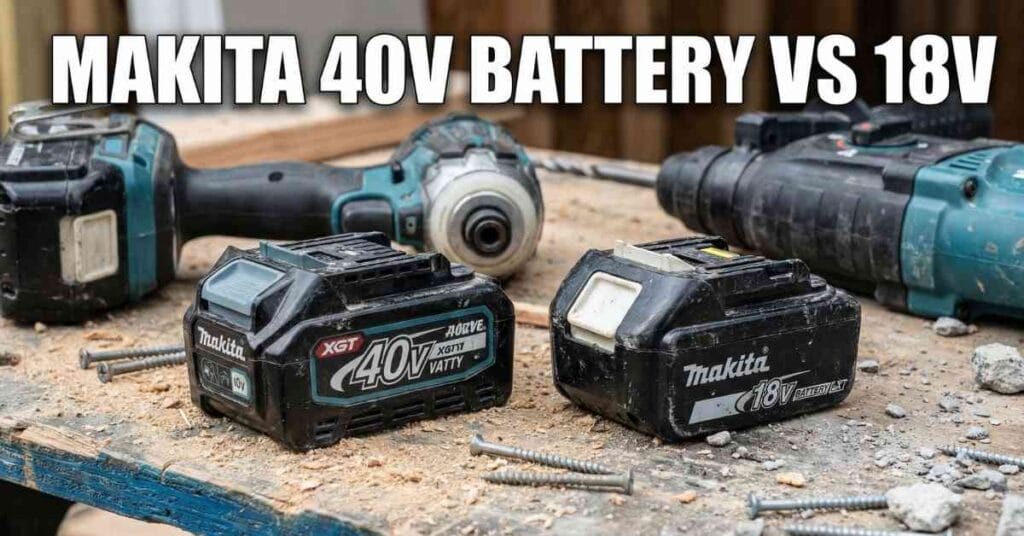
I use Makita tools every single day for my work. I recently put the 18V LXT and the 40V XGT to a real test. I wanted to see if the new power was worth the extra cost. Here is what I found after weeks on the job.
Makita 18V LXT Lithium-Ion 5.0Ah Battery
I have used the 18V LXT system for many years. It is my main tool for most tasks. I tested this 5.0Ah pack on my daily impact driver. I also used it on a standard circular saw. For driving screws into wood, it feels light. It is easy to hold all day. My arm did not get tired even after hours of work.
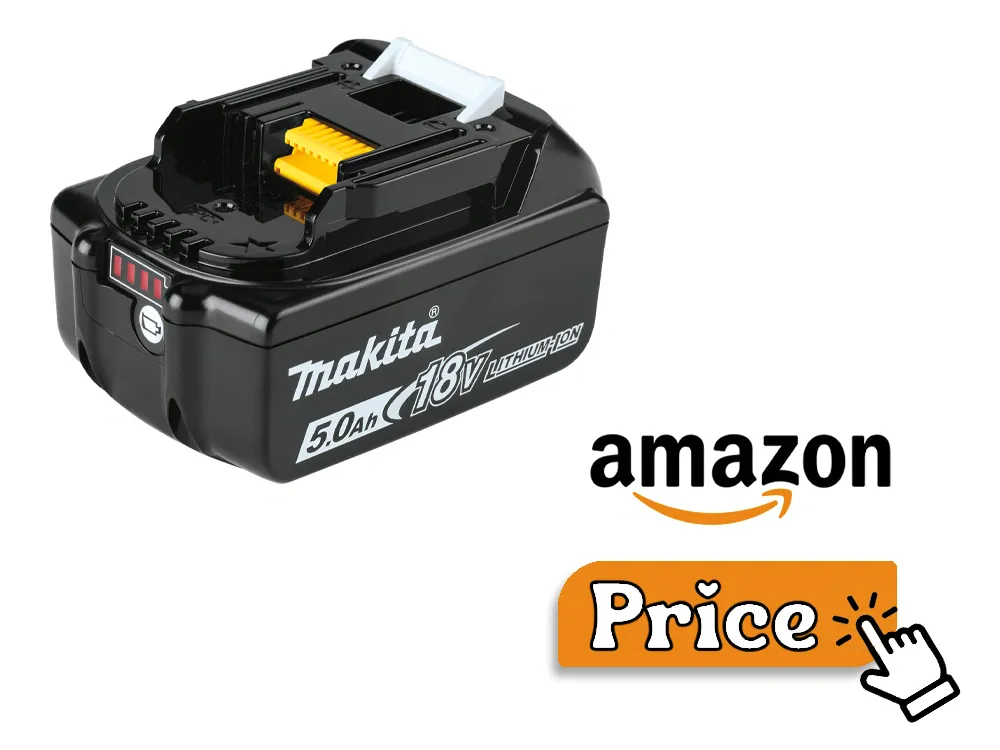
I used this battery to build a wooden shed. The power was steady. It did not feel heavy or bulky. After 30 minutes of hard cutting, the battery felt warm. It still worked well. But I could tell it was working very hard. I have dropped these packs on hard floors many times. They are very tough and do not break easily.
| Pros | Cons |
| Very light in the hand | Struggles with very thick wood |
| Fits hundreds of tools | Gets warm when worked hard |
| Lasts for many years | Slower to charge than 40V |
| Good for work over your head | Older tech than the XGT |
In my daily work, the power felt smooth. I never saw the tool jump or act weird. When I used two of these on a big saw, it felt a bit clunky. But after weeks of use, these packs still hold a full charge. They are very reliable for normal jobs. You can trust them to work every time you pull the trigger.
Makita 40V Max XGT 2.5Ah Battery
The 40V XGT felt different right away. I used it on a heavy drill. I tested it by drilling big holes into thick concrete blocks. The power felt very strong. It did not slow down at all. Even when the drill bit got stuck, the battery kept pushing. It felt like using a tool with a cord.
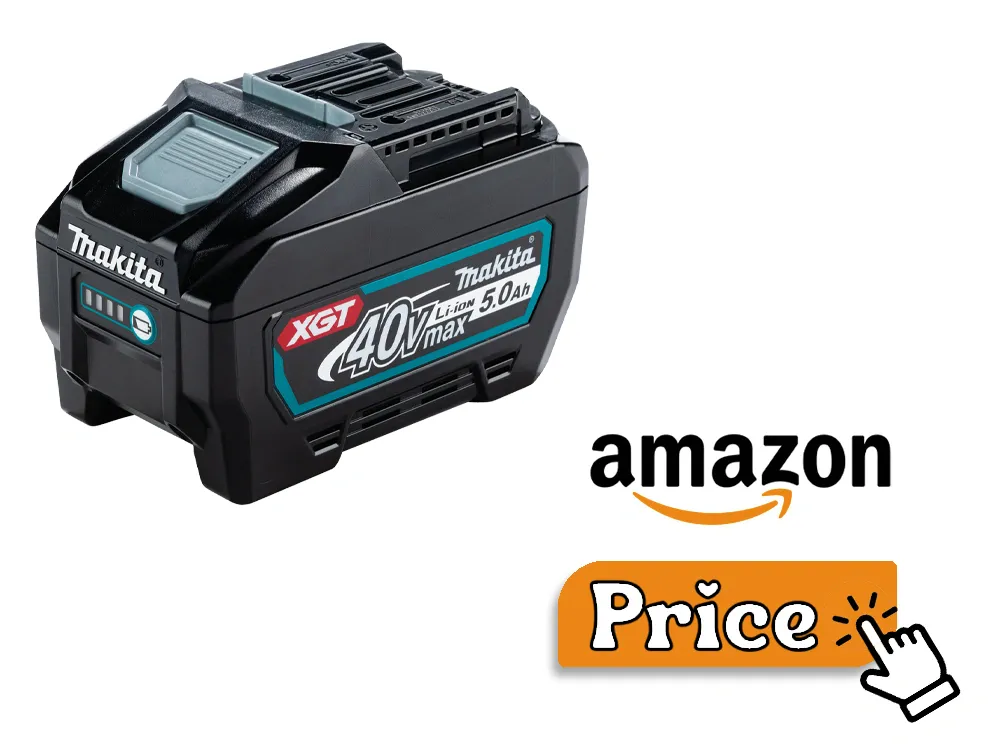
The battery is a bit larger. It has a very strong outer case. It looks like it could survive a big fall. One thing I loved was how cool it stayed. Even after drilling for 20 minutes, it was not hot. This is great for the life of the battery. It means the parts inside stay safe for a longer time.
| Pros | Cons |
| Great power for big jobs | Heavier than the 18V pack |
| Stays cool under pressure | Won’t fit your old 18V tools |
| Charges in under 30 minutes | Costs more to start |
| Handles dust and rain well | Fewer tools to choose from |
The fast charging is a huge plus. I could use it all morning and charge it during lunch. It was ready to go before I was. In real work, the XGT system feels smart. It talks to the tool to stop it from getting too hot. It is heavier, but that helps keep the tool steady. It is a pro tool for heavy work.
Details Comparison for Makita 40v battery vs 18v
Which one you pick depends on your work. If you do big jobs, 40V is best. If you do light work, 18V is great. Here is how they compare in real life.
Core Capability Comparison
The 18V is for general work. The 40V is for high power. My 18V did 90% of my jobs with no issues. But for the hard 10%, the 40V was much faster. It saves time on big tasks.
| Feature | 18V LXT Experience | 40V XGT Experience |
| Main Use | General building | Heavy demolition |
| Real Power | Good for most tasks | Very high strength |
Accuracy and Stability
The 40V felt more stable to me. On the 18V, the power can drop a little when the battery is low. The 40V stays strong until it is empty. It starts fast when you pull the trigger. It gives the same results every single time.
| Feature | 18V LXT Experience | 40V XGT Experience |
| Power Flow | Dips near the end | Stays steady and strong |
| Speed | Fast start | Very punchy start |
Design and Practical Use
The 18V is better for long days of easy work. Using the 40V for a long time can make your wrist tired. But the grip on the 40V tools is very good. The extra weight helps when you need to push hard on a big bolt.
| Feature | 18V LXT Experience | 40V XGT Experience |
| Comfort | Best for all-day use | Best for steady power |
| Handling | Very easy to move | Can feel a bit bulky |
Build Quality and Durability
Both are very tough tools. But the 40V feels like a tank. It has more rubber to protect it from drops. I used it in a light rain and it was fine. It has a high rating for water and dust. I feel safer using it in dirty spots.
| Feature | 18V LXT Experience | 40V XGT Experience |
| Weather | Basic protection | High rain and dust seal |
| Toughness | Very good | Top tier build |
Battery Life and Charging
The 18V is good, but the 40V is faster to charge. You can fill a 40V pack in about 28 minutes. The 18V takes about 45 minutes. Over time, the 40V may last longer. This is because it stays cool while you work. Heat is what kills batteries.
| Feature | 18V LXT Experience | 40V XGT Experience |
| Charge Time | 45 minutes | 28 minutes |
| Heat | Can get quite hot | Stays very cool |
Conclusion
I think most people should stick with the 18V LXT. It is lighter and costs less. But if you drill into concrete or cut thick logs all day, get the 40V XGT. It is a beast of a tool. It makes hard work feel very easy.