
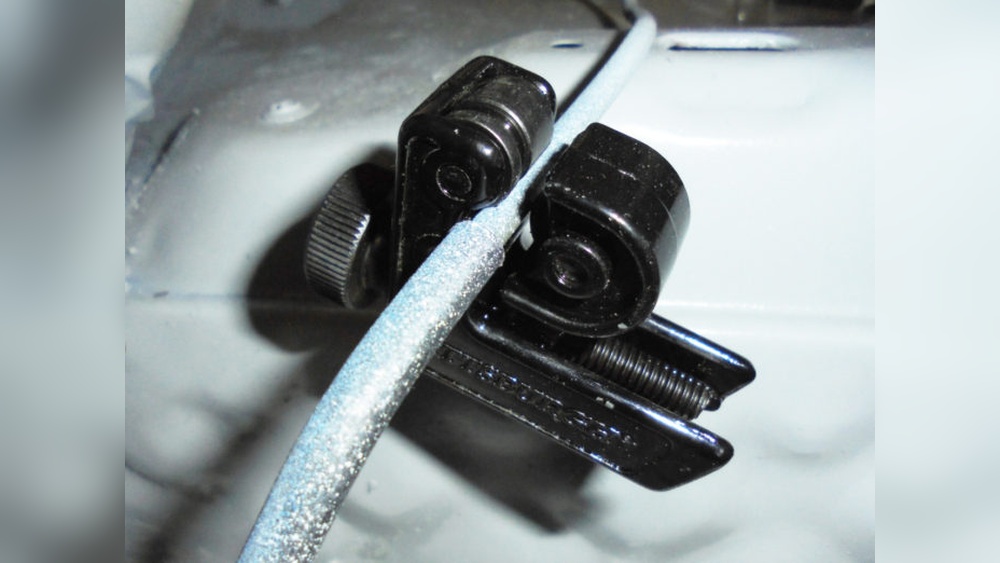
When I first started working on cars, I was often short on tools. One day, I needed to cut a brake line. I didn’t have a fancy tube cutter. At first, I felt stuck. But after some trial and error, I figured out how to do it safely, even with common household items. If you’re in a similar spot, I hope my experience helps you do the job right—and keeps you safe.
Why You Might Need To Cut A Brake Line
There are a few reasons you might want to cut a brake line. Maybe you’re replacing a rusty line, fixing a leak, or installing a new brake system. Sometimes the old line is just in the way. In my case, I was trying to fix a leak that just wouldn’t stop.
The line was old and corroded, and I knew I had to cut out the bad section.
Important Safety Reminders
Before I go further, let me stress one thing: brake lines carry brake fluid. This fluid is toxic and can damage your eyes and skin. Also, your brakes are your car’s most important safety feature. If you make a mistake, it can lead to brake failure. Always work slowly and carefully. Wear gloves and eye protection. Never rush a job on your brakes.
What To Know Before Cutting
Here’s what I wish I’d known before I started:
- Brake lines are metal tubes. Most are steel, but some are copper-nickel or aluminum.
- The lines are under pressure when you press the brake pedal.
- Cutting them wrong can create leaks or blockages.
- You need a clean, even cut for a proper seal.
If you don’t have a proper tube cutter, you need to be extra careful to get a straight cut.
Tools You Can Use Instead Of A Tube Cutter
I didn’t have a tube cutter, so I looked around for other options. Here are some tools I tried, and how they worked for me:
| Tool | Ease of Use (1-5) | Cut Quality | Availability |
|---|---|---|---|
| Hacksaw | 3 | Fair | Common |
| Rotary Tool (Dremel) | 4 | Good | Less Common |
| Pipe Cutter (for copper) | 2 | Poor | Rare |
| Angle Grinder | 2 | Rough | Less Common |
| Utility Knife | 1 | Bad | Common |
From my own experience, a hacksaw or a rotary tool worked best. The hacksaw is cheap and easy to find. The rotary tool gives a cleaner cut, but not everyone has one at home.
How I Cut Brake Line Without A Tube Cutter
Let me walk you through the steps I followed. I’ll focus on using a hacksaw, since that’s what most people have. You can use the same idea with a rotary tool, but be extra careful with spinning blades.
1. Gather What You Need
Here’s what I used:
- Hacksaw with a fine-tooth blade (32 TPI is best)
- Small file or sandpaper (for smoothing edges)
- Gloves and safety glasses
- Marker (Sharpie or even a nail works)
- Vise or strong pliers (to hold the line steady)
- Rag (to catch fluid drips)
If you have a rotary tool, you can use a cut-off wheel instead of the hacksaw.
2. Prepare The Brake Line
First, I made sure the car was on a flat surface. I put on gloves and glasses. I wiped the line clean so I could see what I was doing. I put a rag under the area to catch any brake fluid.
3. Mark The Cut
I used a marker to draw a line exactly where I wanted to cut. If you don’t have a marker, a scratch with a nail works fine.
4. Secure The Line
This part is important. I clamped the brake line gently in a vise. If you don’t have a vise, you can use strong pliers. Wrap the line in a rag so you don’t crush it. If the line is still on the car, try to support it as best you can.
5. Make The Cut
I placed the hacksaw blade on my mark. I used slow, gentle strokes. Don’t rush or press too hard. If you push too hard, you’ll bend the line or make a jagged edge. It took me a few minutes, but patience paid off.
If you’re using a rotary tool, use light pressure and let the tool do the work.
6. Clean The Edges
After the cut, the edge was rough and had some metal burrs. I used a small file to smooth it out. If you don’t have a file, sandpaper works. This step is key. A rough edge can damage the new fitting and cause leaks.
7. Check Your Work
I looked closely at the cut. It was straight and the hole wasn’t squished. I made sure there were no metal shavings inside the tube. Sometimes I blew through the line to be sure it was clear.
How Different Tools Affect The Cut
I tried other tools to see what worked best. Here’s what I found:
| Tool | Pros | Cons |
|---|---|---|
| Hacksaw | Cheap, easy to control | Can make jagged edges |
| Rotary Tool | Clean cut, fast | Can overheat line, hard to control |
| Angle Grinder | Very quick | Hard to use on small tubes, risky |
| Pipe Cutter | Clean cut on copper lines | Does not work on steel |
For steel lines, the hacksaw was the safest bet. The rotary tool was great if I took my time.

Mistakes I Made (so You Don’t Have To)
When I first tried, I made a few mistakes:
- Crushing the line: I squeezed the vise too tight and squashed the tube. I had to start over.
- Cutting too fast: I pushed too hard and made a crooked cut.
- Leaving burrs: I skipped smoothing the edge. The new fitting leaked after I put it back together.
- Not catching fluid: I forgot to use a rag once, and brake fluid got on the paint. It damaged the finish.
These may sound small, but they can cost you a lot of time.
What To Do After Cutting
Once you have a clean cut, you’re not done yet. You need to:
- Double-check for shavings: Metal bits can block your brakes.
- Fit the new end: Make sure the new fitting slides on easily.
- Flare the line (if needed): Some repairs need you to make a flared end. You’ll need a flaring tool for that, but you can rent one at most auto parts stores.
- Bleed the brakes: After you reconnect everything, bleed the brakes to remove air.
If you skip these steps, your brakes may not work right. Take your time.
How My Cut Compared To A Professional Tool
I once borrowed a real tube cutter from a friend. Here’s what I noticed:
| Method | Cut Quality | Time Needed | Edge Smoothness |
|---|---|---|---|
| Hacksaw | Good (with care) | 3-5 min | Needs filing |
| Tube Cutter | Very clean | 1-2 min | Smooth out of box |
My hacksaw method worked, but the tube cutter was faster and made a perfect edge. Still, if you don’t have the tool, a careful hacksaw job is good enough.
Tips For A Safe And Clean Cut
From my own trial and error, here are my best tips:
- Use new blades. Dull hacksaw blades make messy cuts.
- Cut slowly. Let the tool do the work.
- Always smooth the edge after cutting.
- Protect paint and skin from brake fluid.
- Keep the inside of the tube clean.
Don’t be afraid to practice on an old piece of pipe before you cut the real thing.

When You Should Not Cut Brake Line Without A Tool
There are times when you should wait and get the right tool. For example:
- If the line is in a tight spot and you can’t hold it steady.
- If you need to flare both ends and don’t have a flaring tool.
- If you’re not confident in your repair.
It’s better to borrow or rent the right tool than risk your safety. I once waited a day to get a proper flaring tool, and I’m glad I did.
Why Cut Quality Matters For Brake Lines
A clean cut is not just about looks. Here’s why it matters:
- Leaks: A rough edge can’t seal well.
- Weakness: Bends or kinks can make the line fail.
- Blockages: Metal shavings can block fluid and cause brake failure.
- Fitting problems: The fitting may not slide on or clamp correctly.
When it comes to brakes, even small mistakes can have big consequences.

My Final Thoughts
Cutting a brake line without a special tool isn’t impossible. I did it, and you can too. The keys are patience, safety, and attention to detail. If you’re careful, a simple hacksaw is enough to get you out of trouble.
But always respect your brakes. If you’re unsure, ask for help or visit a pro. Your safety is worth it.
For more info on brake systems and safety, you can check the Wikipedia page on brake fluid.
Frequently Asked Questions
What Can I Use To Cut A Brake Line If I Don’t Have A Tube Cutter?
You can use a hacksaw with a fine blade, or a rotary tool with a cut-off wheel. Just remember to smooth the edge after cutting.
Is It Safe To Cut A Brake Line With A Hacksaw?
Yes, if you cut slowly, support the line, and clean the edge well. Always check for leaks after reassembly.
Can I Use A Pipe Cutter For Brake Lines?
Most pipe cutters for plumbing do not work on steel brake lines. They can crush the tube. Only use if you know it’s for metal tubing.
What Should I Do After Cutting A Brake Line?
File or sand the edge, check for blockages, fit the new end, and bleed the brake system to remove air.
Why Is A Clean Cut So Important?
A clean cut helps the fitting seal tight. Rough or angled cuts can cause leaks or failure in your brake system.
If you’re ever unsure, talk to a mechanic or check your car’s service manual. Your safety is always the top priority.