
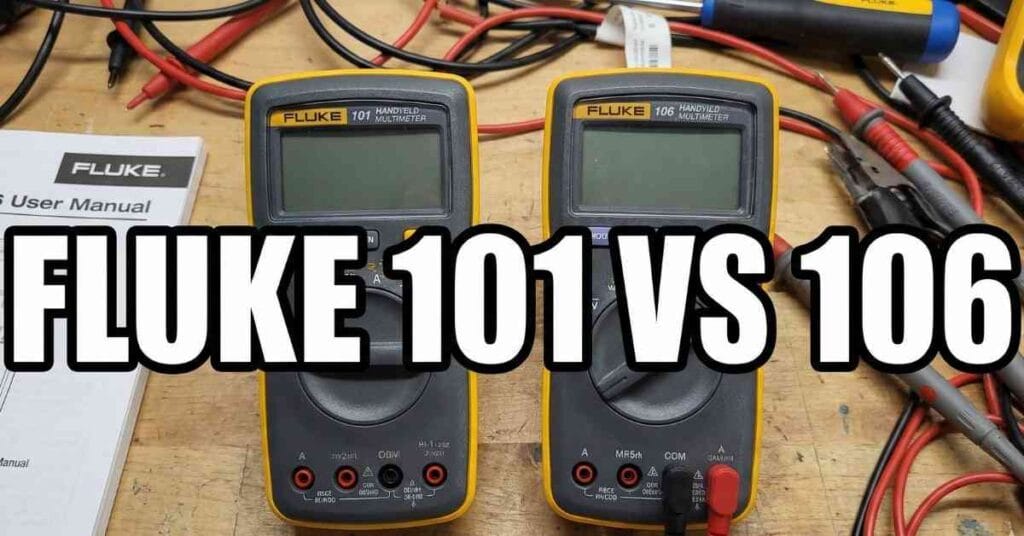
I carried two small meters in my pocket for a month. I wanted to see if the Fluke 106 is worth the extra cash over the Fluke 101. Here is what I found after weeks of testing them on messy benches and tight panels.
My Experience with the Fluke 101
I recall the day I opened the Fluke 101 box. It felt light. It felt almost like a toy. But that feeling did not last. I tossed it in my bag. I did not use a case. I wanted to see if it could handle rough days. It did.
I used this meter for quick checks. One Tuesday, I had to fix a dead outlet. I grabbed the 101. The dial clicked hard. I love that sound. It feels solid. I set it to AC volts. I put the probes in the socket. The reading was fast. It showed 121 Volts. No lag. No hunting. It just worked.
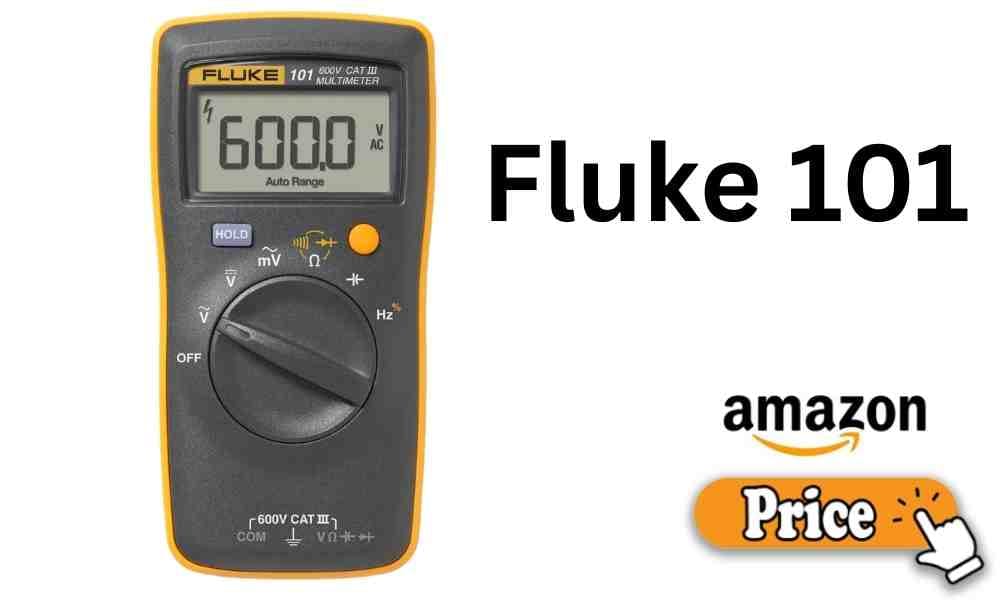
The best part was the size. I could hold the meter and both probes in one hand. This is huge when you are on a ladder. I did a lot of continuity work too. I fixed an old lamp. I needed to know if a wire was broken. The beep on the 101 is loud. You can hear it over a fan. I tapped the probes. It beeped with no delay. That speed helps when you test fifty wires in a row.
I also checked some AA batteries. The DC accuracy was spot on. It matched my big bench meter. It showed 1.45 Volts. It did not drift. But I missed a stand. The 101 lays flat. Glare can hit the screen. I had to prop it up on a tool to see it.
This meter is simple. It does not measure current. That means no amps. It also means no fuses. You cannot blow a fuse if you make a mistake. This makes it very tough. I dropped it twice. It did not care. It just kept working.
| Pros | Cons |
| Very light and small | No stand on the back |
| Fast beep for testing | Cannot measure Amps |
| Strong build quality | Screen glare is bad |
| Auto-range is fast | No light for the screen |
| Low price | Stiff leads in the cold |
My Experience with the Fluke 106
The Fluke 106 looks like the 101. But it is different inside. I felt the weight right away. It is a bit heavier. That is because it has fuses. This meter measures current. That changes the game.
I tested this on my car. I had a battery drain. I needed to see if a light stayed on. You cannot do this with the 101. I moved the red lead to the 10A jack on the 106. I put the meter in the circuit. The screen showed 0.4 Amps. I pulled a fuse. It dropped to 0.02 Amps. That test saved me a new battery. The 106 paid for itself right there.

I also checked a fan motor. I wanted to see the start-up draw. The 106 caught the rise in amps well. It is not as fast as a pricey meter. But it gives you a good idea. The dial has a spot for Amps. This makes it safer. You have to think before you measure.
I did find one issue. The leads are the same as the 101. They are okay. But they get stiff in a cold garage. Also, there is no backlight. I was under a sink. I checked a pump. It was dark. I had to hold a light in my mouth to read the screen. A simple light would help. But for the size, the Amp mode is a fair trade.
The 106 feels just as tough. It has the same grey case. It fits in the same pocket. But you have to be careful. You can blow the fuse. If you measure volts in the amp mode, the fuse pops. That is the trade-off for more features.
| Pros | Cons |
| Measures AC and DC Amps | You can blow the fuse |
| Great for car work | No milliamp mode |
| Small size fits anywhere | No screen light |
| Easy to use dial | Costs a bit more |
| Safe CAT rating | No magnet strap |
Details Comparison for Fluke 101 vs 106
Here is the deep dive. I looked past the specs. I compared how these two meters handle real jobs. I looked at what matters when you hold the tool.
Core Measurement Capabilities
This is the main difference. The Fluke 101 reads volts. The Fluke 106 is a true multimeter. I found the 101 limits me only sometimes. Most days, I did not need amps. But when I did, the 101 sat in my bag.
The 101 is great for outlets. It is great for switches. It is safe for new users. You cannot put leads in the wrong jack. There are no amp jacks to mess up. The 106 adds flow measurement. If you fix appliances, you need the 106. If you just do home wiring, the 101 is fine.
I also checked capacitors. The 106 has a higher range. It goes up to 1000 microfarads. The 101 stops at 100. This matters for AC units. If you test run caps, you need the 106. The 101 will just say “OL” on a big cap. That is frustrating.
The 101 is a specialist. It does less, but it does it well. The 106 is a generalist. It tries to do it all. It mostly succeeds. But you have to manage the fuse.
| Feature | Fluke 101 | Fluke 106 |
| AC/DC Amps | None | Up to 10 A |
| Ohms Range | 40 M-Ohms | 40 M-Ohms |
| Capacitor Max | 100 uF | 1000 uF |
| Frequency | 100 kHz | 100 kHz |
| Duty Cycle | Yes | No |
Accuracy and Speed
I put both meters on a power supply. I set it to exactly 12.00 Volts. The Fluke 101 read 12.01 Volts. The Fluke 106 read 12.02 Volts. Both are very accurate. They are better than most cheap meters.
Speed impressed me more. I touched the probes to a live wire. The 101 locked on fast. It felt a split second faster than the 106. I think it has less to check inside. The auto-range is snappy on both. You do not wait for the dot to move.
I tested continuity speed too. I tapped the probes. The beep was instant on both. If you scan a wire harness, this saves time. A slow meter drives you crazy. These two are fast. They feel like pro tools.
The 106 takes a moment longer to settle in Amp mode. That is normal. The current has to flow through the shunt. But for volts, they are neck and neck. I trust both of them.
| Metric | Fluke 101 Result | Fluke 106 Result |
| DC Accuracy | 0.5% + 3 | 0.5% + 3 |
| Stability | Very Good | Very Good |
| Range Speed | Under 1 sec | Under 1 sec |
| Beep Speed | Instant | Instant |
| Counts | 6000 | 6000 |
Build Quality and Size
I love the feel of these meters. They are smaller than my phone. They are thick, but small. I fit them in my back pocket. The plastic is hard. It has a texture. It does not feel cheap.
I dropped the 101 on concrete. It fell three feet. It bounced. I picked it up. It worked fine. The battery door is easy to open. You do not need a screwdriver. You can use a coin. This is a smart design.
The dial on both is stiff. This is good. It stays put in your bag. It does not turn on by accident. The 106 feels denser. That is the fuse block. The 101 feels hollower. But both are strong.
The leads plug in tight. They do not wiggle. The jacks have shields. This keeps dust out. I used them in a dusty shop. They stayed clean. The grey color hides dirt well.
| Aspect | Fluke 101 | Fluke 106 |
| Weight | 160g | 200g |
| Drop Test | 1 Meter | 1 Meter |
| Material | Hard Plastic | Hard Plastic |
| Lead Storage | On back | On back |
| Battery Door | Coin Slot | Coin Slot |
Display and Readability
This is my main gripe. The screens are clear. The numbers are big. But neither has a light. I squinted in a dim hall. I checked a breaker. It was hard to see.
The view angles are okay. If you look straight, it is sharp. If you lay it flat, it fades. The missing stand hurts here. I leaned the meter on a wall. I had to do this to see it.
The 101 screen looks cleaner. It has fewer icons. It does not show amps. The 106 has more symbols. But practically, they are the same. In the sun, they are great. The contrast is high.
I wish they had a simple LED. Even a dim one. It would help a lot. If you work in the dark, buy a headlamp. You will need it with these meters.
| Feature | Fluke 101 | Fluke 106 |
| Digit Size | Large | Large |
| Backlight | No | No |
| Contrast | High | High |
| Side View | Good | Good |
| Sunlight | Excellent | Excellent |
Safety and Protection
Safety is why we buy this brand. Even these cheap ones are safe. They are rated CAT III 600V. They handle voltage spikes. I feel safe on house mains.
The 101 is safer for a newbie. You cannot mess it up. There is no fuse to blow. You can switch the dial to anything. You can touch a live wire. The meter will likely live.
The 106 has a fuse. If you use the Amp jack on a wall outlet, boom. The fuse blows. It is a user error. But it happens. The fuse costs money. It is a pain to swap.
Both have good probes. The tips are shrouded. You do not touch metal by accident. The case is insulated well. You do not feel shocks. I trust them both. But the 101 is foolproof.
| Safety Spec | Fluke 101 | Fluke 106 |
| CAT Rating | CAT III 600V | CAT III 600V |
| Fuse | None | 11A Fuse |
| Risk Level | Very Low | Medium |
| Protection | High | High |
| Probe Tips | Covered | Covered |
Conclusion
I made my choice after weeks of use. I kept the Fluke 101 in my kitchen drawer. It is perfect for quick house checks. It is simple. It is tough. I never worry about fuses. But for my garage, I kept the Fluke 106. I need to measure amps for my car. I need it for fixing tools. If you buy one, get the 106. It does more. If you want a voltage checker that lasts forever, save cash. Get the 101.