
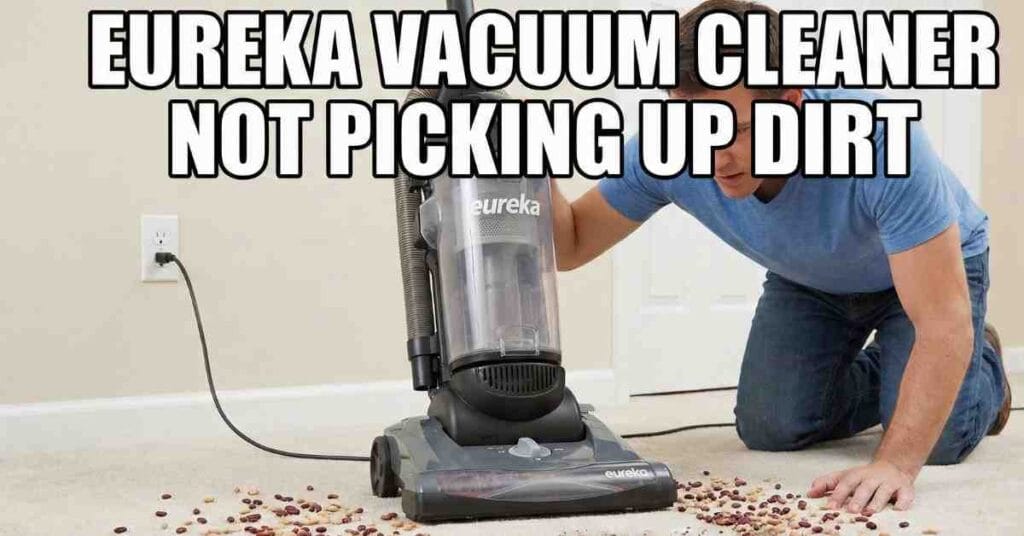
Last week started in a bad way. I dropped a full jar of dry beans. They spilled all over my kitchen floor. I grabbed my vacuum to clean the mess. I plugged it in and turned it on.
The motor was as loud as always. But the vacuum just pushed the beans around. It did not pull any dirt in at all. A Eureka vacuum cleaner not picking up dirt made me mad. I had a huge mess and a broken machine.
I run a site called ToolsEngineers . I take machines apart for a living. I sat down on the floor with a tool. I spent an hour finding the exact reasons. I want to share my steps with you today.
You can fix this issue at your home. You do not need an expensive repair shop. It will save you time and save your cash. Let us look at the facts first. I keep a log of all my daily repairs.
Top Reasons Your Eureka Lost Suction
Most suction drops come from basic clogs. Air must move freely to grab the dirt. Here is what I see the most in my shop. These are the top causes of weak suction. I check these spots first on every fix.
| Problem Area | How Often It Happens | Fix Time | Cost to Fix |
| Dirty Filters | 40 out of 100 times | 5 minutes | Free |
| Clogged Hose | 30 out of 100 times | 10 minutes | Free |
| Jammed Brush | 20 out of 100 times | 5 minutes | Free |
| Broken Belt | 10 out of 100 times | 15 minutes | Cheap |
Step 1: Dump the Dust Bin First
The very first thing I did was look at the dirt tank. A vacuum needs open space to pull in fresh air. If the tank is full, the air stops entirely. My tank was packed tight with dog hair and gray dust. I knew I had to empty it out fast.
Take the cup off the main unit base. Walk outside to your trash bin. Do not do this inside your house. A big cloud of dust will fly up in your face. Press the button to let the bottom flap open.
Give the cup a gentle tap on the side of the bin. All the loose dirt will fall right out. Use your fingers to pull out any stuck hair at the top. Put the empty cup back on the base. Make sure it clicks into place tight.
You can also wash the clear plastic dirt bin. Take it to the sink and use mild soap. Rinse all the dust out of the corners. Dry it with a clean cloth before you put it back. A clean bin lets you see the dirt level easily.
Step 2: Wash the Dirty Filters
This is the secret killer of good suction. Your Eureka has filters to catch fine dust. Over time, these filters turn into solid walls of dirt. The motor tries to suck air through them but fails. Clean filters are key for a strong pull.
How to Clean the Foam Filter
I popped open the top lid to find the foam filter. It was supposed to be bright and clean. It looked black and felt very stiff. I pulled it out of the plastic tray. It was full of thick dirt and fine dust.
Take the foam piece to your sink. Turn on the warm water. Do not use any dish soap. Soap can ruin the tiny foam cells. Just squeeze the foam tight under the warm water.
I watched dark brown water run down the drain. Keep squeezing it until the water runs completely clear. Now comes the hard part. You must wait for it to dry. Set the wet foam on a dry towel.
Leave it alone for a full day. If you put a wet filter back in, you will wreck the whole machine. The motor will suck in the water drops. It will short out instantly and die. Give it full time to dry out.
Step 3: Hunt Down Hose Clogs
My filters were clean, but the suction was weak. I knew air was getting stuck somewhere else. I moved on to the long hose. A hose clog is very common in my house. My kids leave small hard toys on our rugs.
Take the main hose off the vacuum base. Drop a small coin down the top hole. I used a shiny metal dime. I waited for it to hit the wood floor. Nothing happened at all.
The dime was stuck inside the long tube. That meant I had a severe clog in the path. Grab a long wooden broom stick. Push the stick into the hose very gently. Do not push hard or fast.
If you shove it, you might rip the thin hose wall. I pushed my stick in and felt a soft block. Out popped a rolled sock and my dime. The air path was wide open again. It felt great to clear that block.
Step 4: Free the Roller Brush
Next, I flipped the whole vacuum upside down on my rug. I looked at the bottom floor nozzle. The brush roll is supposed to spin fast. It beats the rug to lift deep dirt up. A clean brush makes a huge change.
My roller brush looked terrible. It looked like a thick gray coat made of hair. My dog sheds a lot of fur every day. Long strings and hair were wrapped tight around the bristles. The brush could not spin at all.
Grab a pair of sharp house scissors. Slide the bottom blade under the thick mat of hair. Cut straight across the brush roll. Do this in a few different spots along the roll. Then, pull the cut hair away.
I pulled out a huge pile of bad junk. Spin the brush with your hand. It should spin nice and free now. All the bristles must show clear. This will help grab dirt deep down.
Look at the ends of the brush roll too. There are small caps on each end. Hair can hide deep inside these end caps. Pull the caps off and clean the metal pins. This helps the brush spin with no hard rubbing.
Step 5: Check the Rubber Drive Belt
Look at the side of the brush. There is a small rubber belt there. This belt links the main motor to the brush. If the brush gets jammed, the motor keeps turning. This burns the thick rubber fast.
I bent down close to smell the bottom part. I smelled a faint burnt rubber scent. That is a very bad sign. I took off the bottom plastic cover plate. There are five small metal screws to remove.
I looked at the black belt. It was stretched out and very loose. A loose belt slips around the motor shaft. It cannot spin the brush fast enough. I had to change it right away.
How to Change the Old Belt
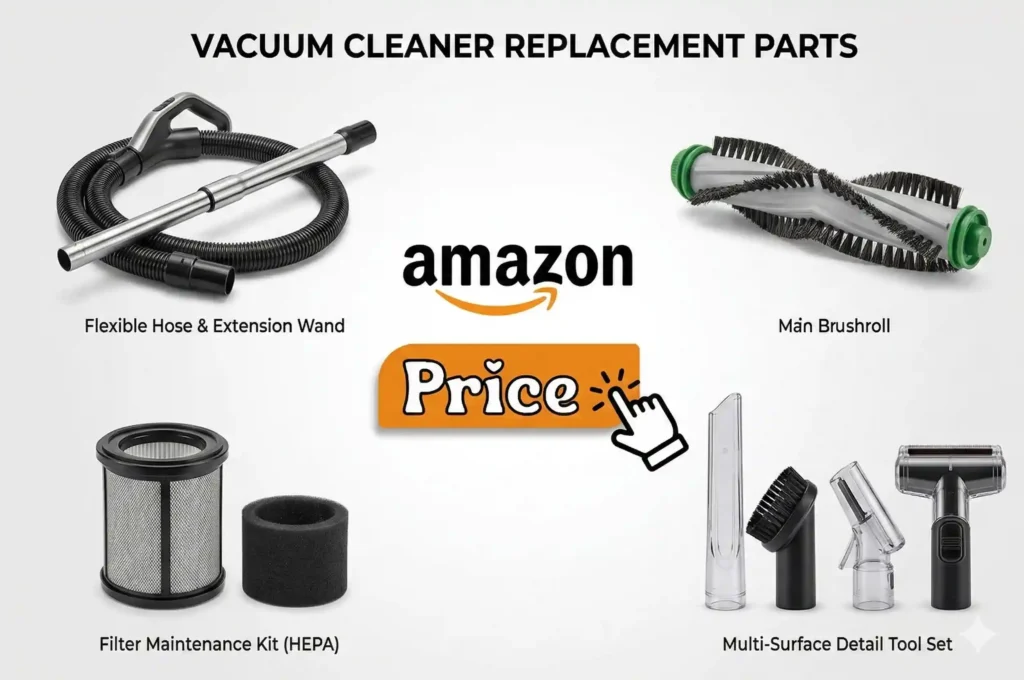
You can buy a pack of new belts online. They are cheap to get. I keep spare belts in my tool drawer. Pull the old loose belt off the metal motor shaft. Lift the brush roll out of the side slots.
Slide the new tight belt over the brush middle. Then loop the other end over the metal motor shaft. You will have to pull very hard. A brand new belt is very stiff and tight. Pop the brush ends back into the base.
Spin it by hand one time to center the belt. Put the plastic cover back on tight. Drive the metal screws in deep. Your new belt is ready to work hard. It will spin the brush at top speed.
Make sure you buy the right belt type. Look at the sticker on the back of your vacuum. Write down the long model number you see there. Type that exact number into a web store search. This gets you the exact fit for your machine.
Step 6: Clear the Lower Air Path
There is one last hidden spot to check. Look at the small hole where the dirt leaves the brush area. It goes up a short clear tube. Then it hits the long hose. This spot gets clogged up a lot.
I shined a small bright light into that short tube. I saw a huge clump of dry leaves and dirt. This acts like a solid wall. It stops all the floor dirt from going up into the tank. You must clear it out.
I used an old wire coat hanger. I bent the metal tip into a tiny sharp hook. I pushed the thin wire into the short tube. I hooked the large clump of leaves. I pulled it all out onto the floor.
Step 7: Check the Soft Air Seals
Sometimes big clogs are not the real issue. Hidden air leaks can kill suction too. There are soft rubber rings around the dust cup edges. These rings seal the air inside the plastic tank. They must be fresh and soft.
If they dry out and crack, air leaks out the sides. The motor just sucks air from the room. It will not pull air from the floor base. I took a wet cloth rag. I wiped down all the rings to clean them.
I checked them hard for small tears. Mine were still soft and whole. If yours are dry and stiff, you need to buy new ones. A bad rubber seal ruins the entire air flow system. A good seal keeps the pull strong.
Listen to the Motor Sounds
Your own ears are great repair tools. I listen to a machine before I try to fix it. Sound tells a clear story. The pitch of the hum gives away the main fault. You just have to learn the sounds.
If the vacuum whines loud and high, it is choking. It means a filter or main hose is blocked tight. If it makes a low growl, the brush might be stuck fast. The belt could be rubbing hard on plastic base parts.
If it makes a loud pop noise, turn the power off fast. Something hard is hitting the plastic fan blades inside. Learning these normal sounds saves me a lot of time. I knew my high pitch whine meant a bad air clog today.
Tools I Keep for Fast Repair
You do not need a fancy shop to fix a vacuum. I use simple things from my own home. Here is what I keep ready in my drawer. These parts save me on every single fix. I use them all the time.
I use long metal tongs. They grab small clumps of hair deep in the narrow tubes. I use a bright clear light. Dark plastic tubes hide a lot of hidden stuck dirt. You must see inside clearly to fix it.
I keep a small flat head tool. It helps pry off hard plastic covers safely. I have an old firm brush. I use it to scrub dry dust out of tight hidden corners. These simple items make fixing things much easier.
Good Habits for Better Suction
I do not want to fix my vacuum every single week. So I follow a strict daily clean plan. Every single time I clean a room, I empty the dirt bin. I never let old dirt sit inside the plastic cup.
Once a week, I flip the wide base over. I snip away any small hairs stuck on the roller. Once a month, I wash the main foam motor filter. I mark it on my wall chart so I do not forget it.
Once a year, I change the rubber drive belt. Belts stretch out over time even if they do not snap. Doing these small fast chores stops the big clogs. It keeps my Eureka running fast and strong all year long.
Testing the Final Fix Work
After I did all these simple steps, I plugged it in. I put the cord back into the wall outlet. I turned the red power switch on. The motor sounded much happier now. It had a smooth high hum instead of a low sad groan.
I tossed a handful of dry oats on the rug to test it out. I pushed the heavy base over the dry oats. It sucked them all up in one single fast pass. My Eureka was pulling dirt like it was brand new again.
My Final Thoughts on Care
Fixing a Eureka vacuum cleaner not picking up dirt is easy. You do not need a degree in tools to do it right. Just take your time and follow the basic air path. Air must flow in the bottom and flow out the top.
If dirt blocks that path anywhere, suction dies fast. Make a strong habit of checking your foam filters once a month. Cut the loose hair off the roller every few weeks. This will save your machine from breaking down early.
It will keep your home floors much cleaner too. Taking care of tools makes them last a long time. I have had my vacuum for five whole years. It still works like it did on day one. A little bit of work saves a lot of money.
Check back on my site for more tool tips. I post new repair guides every single week. I love helping folks fix their broken gear. Do not let a simple clog ruin your whole day.