
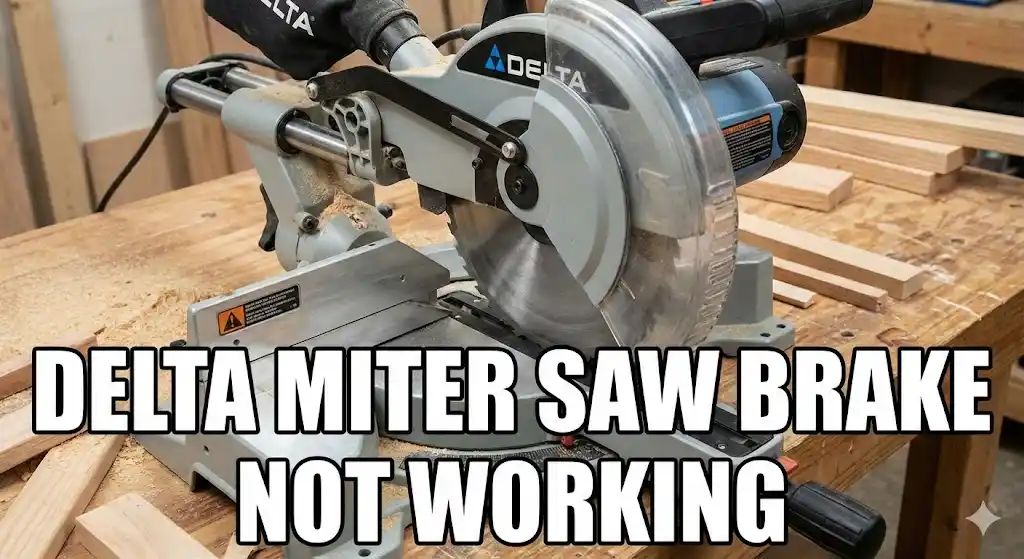
It was a sunny Tuesday afternoon in my shop. The air felt very warm and thick today. Dust danced in the bright light from the window. I had a warm cup of tea on my bench. I felt ready to build a nice new shelf.
I placed a thick piece of pine wood down. I pulled the heavy saw blade down to cut. Wood chips flew across the room and hit my apron. The cut looked clean and perfect on the edge. Then I let go of the black plastic trigger.
I waited for the sharp snap of the brake. That sound tells you the saw is safe again. But nothing happened at all this time around. The motor kept whining with a loud high pitch. The sharp blade kept spinning fast in the open air.
It took twelve full seconds to finally slow down. My heart beat fast inside my chest that day. A spinning blade is a massive danger to you. You can easily cut your hand on accident. You can ruin your nice piece of expensive wood.
I run a site called Tools Engineers to help folks. I test tools and find out why they break. I knew I had to fix this saw fast. I unplugged the long black cord from the wall. I grabbed my tool box to find the real problem.

How Your Electric Saw Brake Actually Works
Many folks think a saw uses a real pad. They think it works like a car tire brake. This is simply not true at all for tools. Your Delta saw uses a smart electric brake trick. It has no physical pads to wear out ever.
You squeeze the main trigger to start the work. Electric power rushes deep into the big motor. This power makes the heavy blade spin very fast. Then you let go of the switch to stop. The switch does a fast trick to save you.
The switch flips the power backwards for one second. This reverse electric push stops the motor turning instantly. If the brake fails, this reverse flow is gone. Something is blocking the electric signal in the wire. We just need to find that broken link today.
Tools You Need for This Quick Fix
You do not need fancy gear for this repair. I keep basic items ready in my top drawer. These simple tools do the job perfectly well. You probably have them in your own shop right now. Here is a table of what I used that day.
| Tool Name | Why You Need It For This Fix | Average Cost |
| Flathead Screwdriver | To open the small plastic brush caps. | Free in your box |
| Philips Screwdriver | To take the main handle shell apart. | Free in your box |
| Pink Pencil Eraser | To rub dirt off the copper motor ring. | One dollar |
| Digital Multimeter | To check if the trigger switch is bad. | Ten dollars |
| Bright Flashlight | To see deep inside the dark motor holes. | Five dollars |
The multimeter is the most complex tool listed here. You only need it if the switch is bad. A pink eraser is my absolute favorite secret tool. It cleans dirty metal better than almost anything else. It is cheap and safe for soft copper parts.
Step One: Inspect the Motor Carbon Brushes
The carbon brushes cause this brake problem most often. They send main power to spin the big motor. They also handle the reverse power for the brake. Over time these soft carbon blocks wear down flat. Sometimes they chip on the hard sharp edges.
When they get too short, the brake signal drops. First, you must unplug your saw from the wall. Never work on a tool with a live power cord. Look at the round motor housing on the back. You will see two black plastic caps on it.
There is one black cap on each round side. They have a thin slot for a flat screwdriver. Take your flat tool and put it in the slot. Turn it to the left very slowly and softly. The cap will pop loose in your hand.
Be very careful when you open this small cap. There is a metal spring pushing right under it. Catch the tight spring with your thumb as it pops. Do not let it shoot across your messy shop. Pull the long spring all the way out now.
The carbon block sits at the end of the spring. Pull the whole part out to the bright light. Set it down gently on your flat work bench. Now do the exact same thing on the other side. You need to look at both parts together clearly.
How to Read the Clear Wear Signs
Look very closely at the dark carbon blocks now. They should look like thick solid dark rectangles. Look at the end that touches the inside motor. It should be very smooth to the human touch. It should have a slight curve shape to it.
Take a ruler and measure the dark carbon block. Is it shorter than a quarter of an inch? If it is that short, the part is truly bad. Look at the side edges of the dark block. Are the sharp edges chipped away or broken?
Short or broken blocks cannot push the reverse power. The weak brake signal simply gets lost in space. You must buy a brand new pair of brushes. Never replace just one side of the old set. Always put two fresh brushes in at the same time.
Step Two: Clean the Dirty Copper Commutator
Why Thick Dust Stops the Brake
Let us say your old brushes look perfectly fine. They are long enough and feel very smooth. What is the next smart step to take? Look inside the empty holes where the brushes live. Shine your bright flashlight down deep in there.
You will see a round ring of shiny copper. Mechanics call this part the commutator metal ring. This ring spins very fast when the saw runs. The carbon brushes rub hard against this copper ring. Over time, dark carbon dust coats the bright copper.
Fine sawdust mixes in with the dark carbon dust. This thick mix creates a hard dark film layer. It coats the shiny copper bars and blocks power. The main strong power can push through the dirt. But the reverse brake power is much too weak.
The Magic Pink Eraser Method
You need to clean that dark dirt off today. The copper bars must shine bright like a penny. Do not use harsh metal tools to clean it. A sharp metal tool will scratch the soft copper. That will ruin your saw motor for good.
I use a plain pink pencil eraser for this job. I rub the soft eraser right on the copper. I rub gently back and forth for a minute. The pink rubber lifts the black dirt right off. It leaves the metal totally safe and very clean.
You can also use very fine grit sand paper. Get some four hundred grit paper from your box. Cut a tiny thin strip with some sharp scissors. Push it against the dark copper with a wood stick. Turn the large saw blade slowly with your free hand.
This action spins the dirty copper ring around slowly. The paper wipes the whole ring totally clean now. Stop when you see bright copper all the way around. Use dry air to blow the loose dust out. Put the caps back on tight and test it.
Step Three: Test the Main Trigger Switch
Two Secret Switches in One Box
I cleaned my copper ring perfectly that Tuesday afternoon. I checked my brushes and they looked brand new. But my saw brake still refused to work right. I knew the problem had to live in the handle. The main trigger switch does a very big job.
The switch actually holds two small doors right inside. One metal door lets the main start power in. The other metal door lets the reverse stop power in. The start door can work great for ten years. But the stop door can burn up much faster.
This means the saw turns on with no issue. It cuts wood just like it always did before. But it will never stop fast on time again. The stop door is fried shut on the inside. You must open the handle to check this part.
Finding Melted Plastic Switch Parts
Grab your Philips head screwdriver from the tool box. Take all the screws out of the main plastic handle. Pull the hard plastic shell apart in two pieces. Put the loose screws in a small clean cup. This keeps them safe so they do not roll.
Look at the big black trigger switch part now. Lean your face in close to the open handle. Do you smell anything odd or burnt in there? A burnt out switch smells very sharp and bad. It smells like hot metal and burnt yellow plastic.
Look at the small wire ports on the switch. Do you see any dark black scorch burn marks? Do you see any melted bits of plastic trim? If the switch got hot, it melted deep inside. A melted switch is a totally dead switch part.
You cannot fix the tight inside of a sealed switch. You must go online and order a new part. Take a clear photo of the wires with your phone. This photo helps you put new wires back correctly. A new switch takes ten minutes to swap out.
Step Four: Hunt for Broken Wire Links
The High Cost of Heavy Shaking
Miter saws cut very hard wood all day long. They vibrate a ton when they chop thick boards. They shake your whole heavy work bench for hours. All that heavy shaking is tough on tiny wires. Over time, a small wire can simply shake loose.
A loose wire breaks the main brake power path. The electrical signal stops dead in its strict tracks. The saw blade will just keep spinning in circles. You must check every wire to be totally sure. It is easy to do while the handle is open.
Fixing Loose Metal Wire Clips
Check every wire plug while the plastic handle is open. Follow the black cord wire down to the switch. Follow the white wire across the dark plastic space. Follow the wires that go deep into the motor. Use your clean fingers to tug on each end.
Look at the tiny metal clips on the switch. Do they sit tight on the flat metal tabs? Or do they wiggle loose easily in your hand? If a clip feels very loose, pull it right off. Take heavy pliers and squeeze the metal clip a bit.
Push it back onto the flat metal switch tab. It should grab hard and feel very solid now. Also look for spots where a wire bends sharply. Sometimes the thin copper cuts inside the plastic skin. The outside looks fine but the inside is dead.
Bend the loose wire gently with your two hands. If it feels floppy in one spot, it is cut. Cut the bad wire off right at that spot. Strip the plastic ends bare with a sharp tool. Put a new clean metal end on the fresh wire.
My Final Thoughts on Wood Shop Safety
A broken saw brake is a very dangerous thing. You should never ignore it for a single day. It is an open trap waiting to grab your hand. Take the proper time to fix it right away. Do not rush the steps I showed you today.
Always unplug the saw before you start your work. Keep your bench top clean while you test parts. Sort your tiny screws so they stay totally safe. Start your hunt with the quick and easy parts. Look at the carbon brushes first before anything else.
They take just two fast minutes to check out. Then clean the dirt off the soft copper ring. If those fixes fail, move to the handle wires. Check the main power switch as your last step. I replaced the bad switch in my own saw.
I wired the new part back up totally tight. I plugged the black saw cord in the wall. I pulled the heavy trigger and it roared loudly. I let go and the big blade stopped dead. The crisp safe snap sound was finally back again.
FAQs: Delta Miter Saw Brake Not Working
Why is my Delta miter saw brake not working suddenly?
Bad carbon brushes cause most of the brake fails on your saw. Thick shop dust on the flat copper ring stops the reverse brake signal. A quick fast scrub keeps it all totally safe.
How much does it cost to fix a bad miter saw brake?
Fixing a miter saw brake is very cheap to do right at home. New carbon motor brushes cost about ten bucks online today. A new brand name switch runs close to twenty whole dollars.
Can I still use my saw if the electric brake is broken?
You can run the motor, but it is a massive safety risk for you. A free spinning heavy blade easily grabs loose wood chunks fast. Always fix a bad brake right away before you cut.
How often should I check the saw motor carbon brushes?
Check your carbon brushes once a year if you use the saw a lot. Heavy garage dust wears them down flat very fast in the cold. Buy new fresh ones if they look very short or broken.
Will a loose switch wire stop the saw brake from working?
Yes, a loose wire fully breaks the reverse power path in the tool. Heavy shop shakes knock the tiny switch wires loose over time. Just squeeze the loose metal clips tight with pliers.