
Can I Use Simple Green In A Pressure Washer?
A few months ago, I decided to tackle the grime on my driveway and patio. I had heard about using Simple Green as a cleaning solution, but I wasn’t sure if it would work with my pressure washer. I did some research, talked to a few friends, and tried it myself. Here’s everything I learned—good and bad—about using Simple Green in a pressure washer.
What Is Simple Green And Why Do People Use It?
Simple Green is a well-known cleaning product. It’s advertised as non-toxic and biodegradable, which sounds great if you’re worried about pets, kids, or plants near your house. I liked that it wasn’t harsh like bleach or other strong chemicals. People use Simple Green for everything from kitchen counters to car engines.
When I first heard about people using it with pressure washers, I wondered if it would actually cut through dirt and oil outside. The company even makes different versions—one for all-purpose cleaning, another for degreasing, and some for outdoor use. But not all of them are meant for pressure washers.
Can You Use Simple Green In A Pressure Washer?
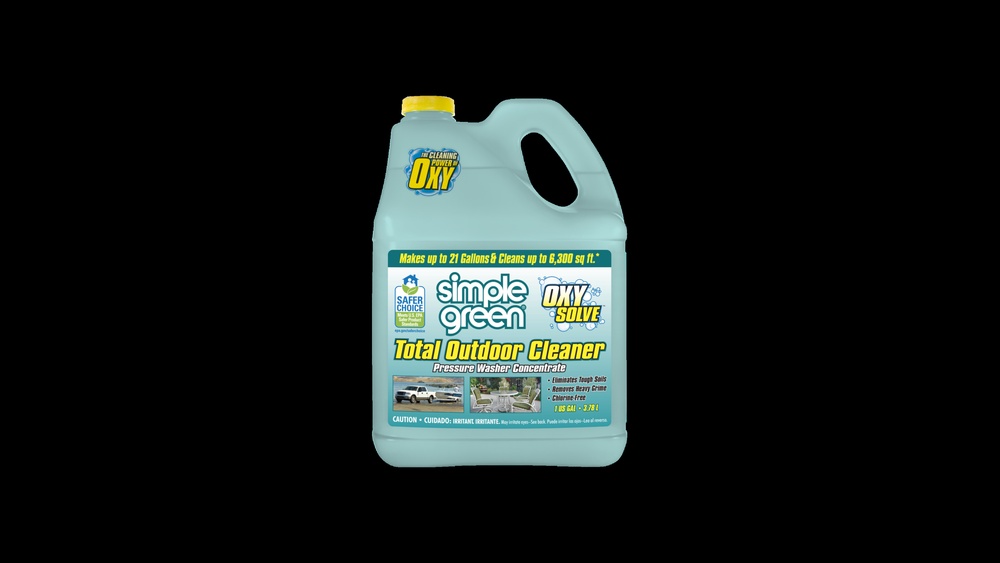
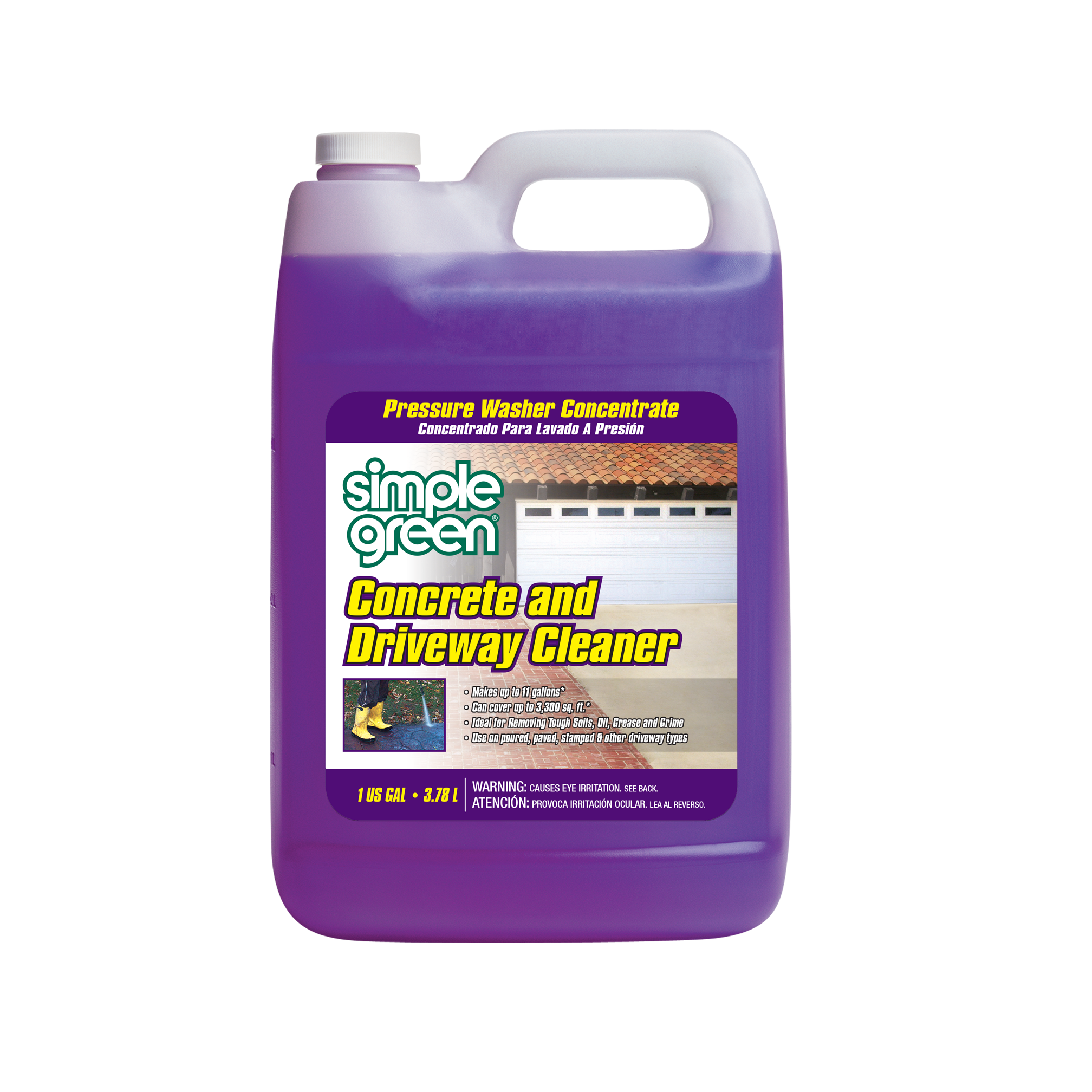
I found out that yes, you can use Simple Green in a pressure washer—if you use the right kind. The company makes a product called Simple Green Pressure Washer Cleaner. It’s designed for this purpose and is safe for most pressure washers, both gas and electric.
I started with the Simple Green All-Purpose Cleaner (the regular one in the green bottle), but then I realized it’s better to use a version made for pressure washers. The all-purpose cleaner can work, but it’s important to check your pressure washer’s manual. Some machines are picky about what goes through their pumps and hoses.
If you want to try it, look for these types:
- Simple Green Pressure Washer Cleaner
- Simple Green Heavy Duty Cleaner
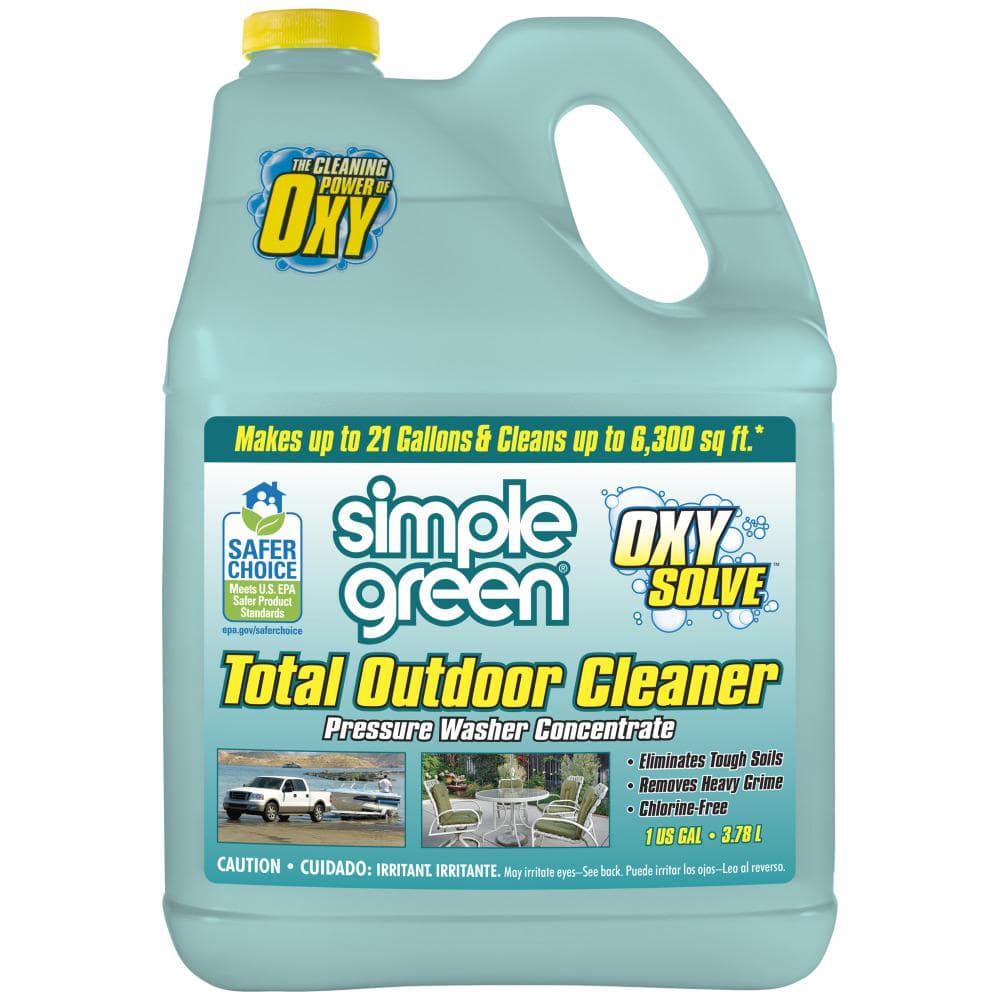
- Simple Green Oxy Solve Outdoor Cleaner
I used the Oxy Solve version for my driveway, and it did a decent job. It’s made for siding, concrete, and patios.
How To Use Simple Green In A Pressure Washer
Using Simple Green in a pressure washer isn’t hard, but there are a few things to keep in mind. Here’s how I did it:
- Dilute the Cleaner: Don’t pour it straight into the pressure washer. Mix it with water first. The label usually gives you a ratio, like 1:10 or 1:20 (one part Simple Green to ten or twenty parts water). I used a 1:10 ratio for tough spots.
- Add to Detergent Tank: Most pressure washers have a detergent tank or a siphon tube. Pour the diluted solution in there.
- Use the Soap Nozzle: Switch to the low-pressure soap nozzle. This mixes the cleaner with water and sprays it out.
- Let It Sit: Spray the area and let the cleaner sit for 5-10 minutes. Don’t let it dry out.
- Rinse with High Pressure: Switch back to a high-pressure nozzle and rinse everything off.
My Tips For Best Results
- Test a small area first. Some surfaces can be sensitive.
- Don’t use Simple Green on unsealed wood or delicate paint. It can leave marks.
- If you’re cleaning a big area, work in sections so the cleaner doesn’t dry before you rinse.
What Surfaces Can You Clean With Simple Green?
I tried Simple Green on several outdoor surfaces. Here’s what worked and what didn’t:
| Surface | Result with Simple Green | Notes |
|---|---|---|
| Concrete driveway | Good | Removed oil stains with some scrubbing |
| Wooden deck | Okay | Test first; don’t use on unsealed wood |
| Vinyl siding | Very good | No streaks, easy rinse |
| Car tires/rims | Excellent | Shiny after rinse |
| Windows | Poor | Left residue; use window cleaner instead |

What I Liked About Using Simple Green
- Safe for the Environment: I liked that Simple Green is advertised as non-toxic. After rinsing, I didn’t worry about my pets or the grass.
- Mild Smell: No harsh chemical odor. It just smelled clean.
- Versatility: I used leftover solution for hand scrubbing tools and patio furniture.
- No Damage to My Pressure Washer: I checked the hoses and pump after. No signs of wear or clogs.
Things I Didn’t Like (and What To Watch Out For)
- Not Great for Heavy Grease: On my driveway, some oil stains needed more scrubbing. Simple Green loosened them, but didn’t completely remove deep stains without extra effort.
- Can Leave Streaks: On glass or shiny surfaces, Simple Green left streaks. I had to rinse several times.
- Dilution Matters: If you use too much, it can leave a soapy film. Too little, and it’s not strong enough.
- Not for All Pressure Washers: Some brands warn against using any cleaner except theirs. Check your manual first.
How Does Simple Green Compare To Other Pressure Washer Soaps?
I’ve tried a few other cleaners. Here’s a simple comparison from my experience:
| Cleaner | Cleaning Power | Smell | Eco-Friendly | Price (per gallon) |
|---|---|---|---|---|
| Simple Green | Moderate | Mild | Yes | $12-15 |
| Krud Kutter | Strong | Neutral | Yes | $14-18 |
| Zep Concrete Cleaner | Very Strong | Harsh | No | $10-13 |
| Bleach Solution | Very Strong | Strong/Harsh | No | $5-7 |
From my experience, Simple Green is a good middle-ground. It’s not as aggressive as bleach or Zep, but it’s much safer for your yard and pets. If you need serious degreasing, you may want to try a more powerful cleaner for those areas.
Common Mistakes To Avoid
I made a few mistakes in the beginning that you can avoid:
- Not Diluting Properly: At first, I poured Simple Green straight from the bottle. The suds were crazy, and it took forever to rinse.
- Letting It Dry: I sprayed a big area and waited too long. The cleaner dried and left streaks. Now I always work in smaller sections.
- Skipping the Manual: I almost voided my pressure washer’s warranty. Some brands don’t allow any soap except their own. Always check before using Simple Green or any other cleaner.
- Using on Delicate Surfaces: I learned not to use Simple Green on glass or polished metal with my pressure washer—too many streaks and sometimes a film that was hard to remove.
Is Simple Green Safe For Your Pressure Washer?
This was one of my big questions. I was worried the soap might damage the seals or pump. After reading the Simple Green website and checking my user manual, I learned:
- Simple Green Pressure Washer Cleaner is made to be safe for most machines.
- It’s water-based, so it doesn’t leave sticky residue inside.
- If you rinse the soap line with clear water after use, it helps prevent clogs.
After a few months, my pressure washer still works fine, with no extra maintenance.
Real-world Performance: My Results
After cleaning my driveway, patio, and some outdoor furniture, here’s what I noticed:
- The concrete was much brighter and looked almost new.
- Old oil stains lightened, but didn’t disappear completely.
- Patio chairs and tables looked clean with little scrubbing.
- No grass or plants died from runoff.
A neighbor borrowed my pressure washer and tried a different cleaner—her plants turned yellow after rinsing. With Simple Green, I didn’t have that problem.
When Should You Not Use Simple Green?
There are times when Simple Green isn’t the best choice:
- Heavy grease or mold: For thick oil or mold, a stronger chemical may be better.
- Delicate surfaces: Avoid using on glass, shiny metals, or unsealed wood.
- Machine warranty: If your pressure washer says only use their brand of soap, don’t risk it.
Helpful Tips For First-time Users
Here’s what I wish I knew before I started:
- Read both the Simple Green label and your pressure washer manual.
- Always dilute—never use straight from the bottle.
- Test on a small, hidden area first.
- Rinse your equipment with clear water after cleaning.
- Wear gloves if you have sensitive skin.
Environmental Impact: Does Simple Green Matter?
One reason I kept using Simple Green is the environmental safety. It’s biodegradable, meaning it breaks down over time and doesn’t stay in the soil or water. This is important if you have pets or a garden.
I found out that the product is registered with the EPA’s Safer Choice program, which means it’s less harmful than many other cleaners. For more information on product safety, you can check the EPA Safer Choice list.
Summary Table: Simple Green In Pressure Washers
To make it easy, here’s a quick overview of what I learned:
| Question | Simple Answer |
|---|---|
| Can you use Simple Green in a pressure washer? | Yes, if you use the right type and dilution |
| Is it safe for pets and plants? | Yes, when used and rinsed properly |
| Does it clean heavy oil stains? | Partially—may need scrubbing |
| Is it good for all surfaces? | No, avoid glass, shiny metal, unsealed wood |
| Can it damage your pressure washer? | Not if you follow instructions and rinse after use |
Final Thoughts
Using Simple Green in a pressure washer worked well for me, especially when I wanted a cleaner that was safe for my yard and pets. It’s not the strongest cleaner, but it’s reliable for everyday dirt and light stains. Just remember to dilute properly, follow your machine’s manual, and rinse well.
If you want something safe and easy to use, Simple Green is a good choice. For stubborn stains, you might need to scrub or try a stronger product. Either way, read the labels and always test a small spot before cleaning large areas.
Your pressure washer will thank you—and so will your garden.
Frequently Asked Questions
Can I Use Regular Simple Green In My Pressure Washer?
Yes, but it’s better to use the Simple Green Pressure Washer Cleaner or Oxy Solve versions. Regular Simple Green can work if diluted, but always check your machine’s manual to be sure.
Will Simple Green Harm My Plants Or Lawn?
When diluted and rinsed properly, Simple Green is safe for most plants and grass. I never had any problems in my garden, but don’t let undiluted cleaner sit on plants.
Does Simple Green Remove Oil Stains Completely?
In my experience, Simple Green lightens oil stains, but deep stains may need extra scrubbing or a stronger cleaner. It works well for regular dirt and mild grease.
Can I Use Simple Green In Both Gas And Electric Pressure Washers?
Yes, I’ve used it in both types. Just make sure to dilute it according to the label and rinse the detergent line after use.
What Should I Do If My Pressure Washer Manual Says Not To Use Third-party Cleaners?
Follow your manual’s instructions. Using cleaners not recommended by the manufacturer can void your warranty or damage your machine. If in doubt, call customer support or use only approved products.