
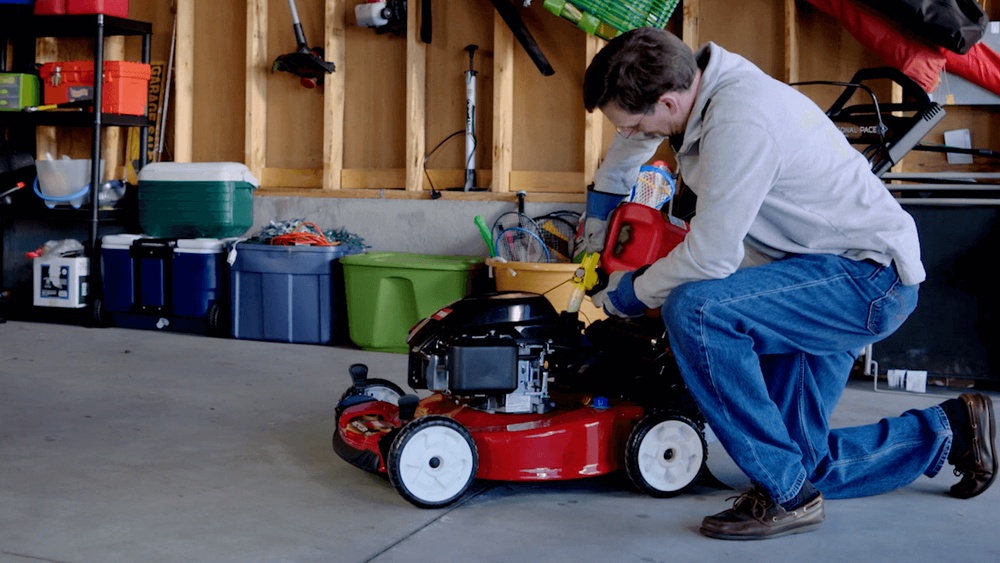
Can I Use Premium Gas In My Lawn Mower?
Have you ever looked at the gas pump and wondered, “Would premium gas make my lawn mower run better? ” You’re not alone. Many people think that if premium gasoline is better for cars, maybe it’s better for small engines too.
I’ve had the same question, especially when my mower didn’t start as easily, or when I saw ads promising “superior engine protection” with higher-octane fuel. Over the years, I’ve learned that the answer is not as simple as “yes” or “no.
” Let’s walk through what really happens if you fill your mower with premium gas, what the experts say, and what I’ve learned from real experience.
What Is Premium Gas?
Before we talk about using premium gas in a mower, let’s quickly explain what premium gas actually is. At the gas station, you’ll see different types of gasoline—usually Regular (87 octane), Mid-grade (89 octane), and Premium (91 or 93 octane). The number is called the octane rating. It’s a measure of how much the fuel can be compressed before it ignites.
If a car’s engine compresses the fuel-air mix too much for the gas type, the fuel can explode early—this is called engine knocking. Cars with high-performance engines often need higher octane, or premium, gas. Regular engines (like most mowers) are built for regular gas and don’t compress the fuel as much.
Premium gas also sometimes has extra detergents, but its main difference is the octane number. You pay more for premium because it’s less likely to knock in high-compression engines.
Why Do Octane Ratings Matter?
Octane ratings matter because of the way engines use fuel. High-performance engines squeeze the fuel-air mix more tightly, and high octane prevents early explosions (knocking). But in engines that don’t squeeze (compress) the mix so tightly—like most lawn mowers—there’s no risk of knocking with regular gas.
For example, let’s compare a sports car and a lawn mower. A modern sports car might have a compression ratio of 12:1, which means the air and fuel are compressed 12 times smaller than the original size. A typical mower has a compression ratio of 8:1 or less. The mower’s engine never pushes the gas to the point where knocking is possible, so high octane isn’t needed.
Are There Other Ingredients In Premium Gas?
Some premium fuels advertise extra cleaning agents or additives. While these can help with certain kinds of engine deposits in advanced car engines, the effect in small, simple engines is almost zero. All gasoline (even regular) sold in the U.
S. must meet government standards for detergents. The small extra amount in premium is not enough to make a real difference in a lawn mower.
How Lawn Mower Engines Work
Most lawn mowers use a small, air-cooled, four-stroke gasoline engine. These engines are tough and simple. They don’t have turbochargers or high compression, like some sports cars. Instead, they’re designed for reliability and easy maintenance.
The typical compression ratio for a lawn mower engine is between 6:1 and 8.5:1. By comparison, many cars that need premium gas have compression ratios over 10:1. This means lawn mowers are made to run on regular unleaded gas. In fact, most mower manuals say to use gasoline with an octane rating of 87 (regular).
How Does A Lawn Mower Engine Use Fuel?
A lawn mower engine pulls in air and fuel, mixes them, and compresses them in a small chamber. A spark plug then ignites the mix, creating a small explosion. This explosion pushes a piston, which turns the blade. Because the compression is low, and the engine’s design is simple, there’s no benefit from high-octane fuel.
For example, most walk-behind mowers run at a fixed speed and load. They don’t adjust their timing or fuel flow based on the type of gas you use. Even self-propelled and riding mowers, which are more powerful, still use designs that are happy with regular gas.
Why Don’t Mowers Need High Octane?
Higher octane gas is for engines that squeeze the air and fuel a lot. In a mower, the pressure is low, so regular gas burns clean and smooth. Using higher octane doesn’t make the explosion stronger or better. It just means the fuel can withstand more pressure before it ignites—but your mower never reaches that pressure.
The Real Effects Of Using Premium Gas In A Lawn Mower
So, what happens if you fill up your lawn mower with premium gas? I’ve tried this myself, and I’ve researched what manufacturers and mechanics say. Here’s what I found:
1. No Power Boost
Your mower will not cut better or run faster on premium gas. The engine is not designed to use higher-octane fuel, so you won’t see any improvement. I’ve never noticed a difference in mowing performance after using premium.
In fact, some people have reported their engines ran worse with premium because it burned slightly slower in a low-compression engine. But in most cases, you won’t notice any change at all.
2. No Extra Engine Protection
Premium gas does not clean the engine or protect it better. The detergents in all gasoline sold in the U. S. meet strict standards. Premium may have a bit more, but it’s not enough to matter for your mower.
Also, the parts in a mower engine—like the valves, piston rings, and carburetor—are designed for regular gas. They don’t benefit from extra detergents or high octane.
3. No Harm In Small Doses
If you accidentally use premium gas once, don’t worry. It will not damage the engine. The mower will run just as well as it does on regular gas. I’ve topped up with premium in a pinch, and nothing bad happened.
The worst thing that can happen is you spent more money for the same result.
4. Can Waste Money
Premium gas costs more, sometimes 50 cents per gallon or more. For a small tank, that adds up over the mowing season. I learned this the hard way when I calculated my yearly fuel cost.
Let’s do a simple example: If you use 10 gallons per year, and premium is $0.50 more per gallon, that’s $5 more each year for zero benefit.
5. Might Be Useful In Rare Cases
If you have a very old mower with carbon buildup, or if you use a higher-performance small engine, premium gas may help reduce knocking. But this is rare. For almost all modern mowers, regular gas is best.
Even then, using premium is just a temporary fix. It’s better to clean or repair the engine.
Non-obvious Effects To Consider
Many people don’t realize that premium gas can sometimes cause *harder* starting in cold weather. Because it’s less “volatile” (less likely to turn into vapor), it doesn’t ignite as easily in a cold, low-compression engine. So, if you mow early in spring or late in fall, premium gas might actually make your mower harder to start.
Another thing beginners often miss: Small engines don’t have sensors to adjust timing or fuel mix like cars do. So, they can’t “adapt” to premium gas. They just use it the same way as regular.
What Do Manufacturers Recommend?
I’ve checked the owner’s manuals from several big mower brands—Honda, Toro, Briggs & Stratton, and Husqvarna. Here’s what they say about using premium gasoline:
- Honda: Use unleaded gasoline with a pump octane of 86 or higher.
- Briggs & Stratton: Use clean, fresh, regular unleaded gasoline with an octane rating of 87 or higher.
- Toro: Use unleaded gasoline with an octane rating of 87 or higher (regular).
- Husqvarna: Regular unleaded gasoline is recommended.
None of these brands say you need premium gas. They actually warn against using fuels with more than 10% ethanol, which can hurt small engines over time.
Here’s a quick comparison of what top brands recommend:
| Brand | Octane Rating | Premium Recommended? |
|---|---|---|
| Honda | 86+ | No |
| Briggs & Stratton | 87+ | No |
| Toro | 87+ | No |
| Husqvarna | 87+ | No |
Why Do Manuals Say “87 Or Higher”?
Manufacturers recommend “87 octane or higher” to cover all normal situations, including hot weather or heavy loads. But they don’t recommend premium because the engine doesn’t need it. If you use premium, you’re simply going above the required level—without any benefit.
Some manuals also mention using gas with no more than 10% ethanol (E10). This is because ethanol can attract water and damage fuel lines and carburetors over time.
What About European Or Asian Mowers?
If you have a mower from outside the U. S. , check your manual. Most brands worldwide still recommend regular unleaded gas, with octane ratings that match local standards. The key idea is the engine’s compression, not where the mower was made.
Does Premium Gas Clean Your Lawn Mower’s Engine?
Some people believe premium gas has more cleaning agents. This is only partly true. All U. S. gasoline has required detergents. Premium brands might add a little more, but it doesn’t mean your mower will run cleaner or last longer.
I’ve opened up engines run on both premium and regular gas, and I haven’t seen a real difference in carbon deposits or wear.
If you want to keep your mower’s engine clean, it’s much more effective to:
- Use fresh gas (under 30 days old)
- Avoid ethanol blends over 10%
- Change the oil regularly
- Use a fuel stabilizer if storing gas
The Truth About Engine Cleanliness
Engine cleanliness in mowers is mostly about maintenance, not fuel. Deposits form when old gas sits in the carburetor or when oil isn’t changed. Detergents in gas help, but only a little. Keeping your gas tank and fuel lines clean, changing the air filter, and running the engine at least once a month are much more important.
For example, I once helped a neighbor who always used premium gas, hoping it would “keep things clean. ” But after three years, his carburetor was clogged—not by poor fuel, but by old, stale gas and lack of regular oil changes.
When Might Detergents Matter?
If you use very low-quality gasoline (which is rare in the U. S. ), the extra detergents in premium can help. But if you use a well-known brand, regular gas already has enough cleaning agents for a small engine.
Ethanol In Gasoline: What You Need To Know
Ethanol is added to most gas in the U. S. to reduce air pollution. But ethanol attracts moisture, which can cause problems in small engines. This is a bigger issue than the octane rating.
- Regular gas usually has up to 10% ethanol (E10).
- Premium gas can also have ethanol, unless labeled “ethanol-free.”
I’ve had mowers run rough after sitting with E10 gas for a few months. The fuel absorbs water, and this leads to hard starting or even engine damage. If you want the best for your mower, use ethanol-free gas or add a stabilizer, especially before winter.
How Does Ethanol Damage Mower Engines?
Ethanol can cause several problems:
- It absorbs water from the air, which leads to phase separation (water and fuel separate).
- Water in the fuel can rust metal parts in the carburetor and fuel tank.
- Ethanol can soften and break down rubber hoses and seals over time.
These issues are much more dangerous to your mower than using the wrong octane.
What Can You Do About Ethanol?
If you can buy ethanol-free gas, it’s a great choice for small engines. If not, buy only enough gas for a few weeks, and add a fuel stabilizer if you’ll store gas over a month. Always keep your gas can tightly sealed.
When Premium Gas Might Make Sense
While most of the time, premium gas offers no benefit for lawn mowers, there are a few rare cases where it might help.
High-performance Engines
Some commercial-grade or racing lawn mowers have high-compression engines. These are rare in home settings. If your mower’s manual specifically asks for higher octane, use it.
For example, some zero-turn mowers or commercial units might have engines designed for tougher, hotter conditions, and require 89 or higher octane. This is always stated in the manual.
Old Or Damaged Engines
If your mower engine knocks (makes a pinging sound) or runs very rough, premium gas might help reduce knocking. But this is a sign of a deeper problem—like carbon buildup or timing issues. It’s better to fix the cause than to rely on premium fuel.
Sometimes, premium gas can help an old engine run smoother for a short time. But it won’t cure worn-out parts or bad maintenance. If you hear knocking, it’s time for a tune-up, not a fuel change.
Ethanol-free Premium
If your gas station sells ethanol-free premium, and you want to avoid ethanol problems, you can use it. But it’s the lack of ethanol, not the high octane, that’s better for the engine.
Ethanol-free regular is even better, but it’s sometimes hard to find. If premium is the only ethanol-free option, it’s fine for your mower—just don’t expect better performance.
Small Engines With Catalytic Converters
A very few modern mowers have small catalytic converters, similar to those in cars. In rare cases, higher octane can help avoid knocking if the engine runs hotter because of the converter. But this is very rare in residential mowers.
Common Myths About Premium Gas In Lawn Mowers
People share all kinds of advice at the hardware store or online. Here are a few myths I hear often, along with the facts:
- Myth: Premium gas makes your mower last longer.
Fact: Engine life depends on maintenance, not octane.
- Myth: Premium gas gives your mower more power.
Fact: Power comes from engine design, not fuel octane.
- Myth: Premium gas cleans your engine.
Fact: The cleaning effect is the same for regular and premium.
- Myth: Premium gas is better for all small engines.
Fact: Most small engines are built for regular gas.
- Myth: Premium gas prevents ethanol problems.
Fact: Premium can have ethanol unless marked ethanol-free.
More Myths And Clarifications
- Myth: “If it’s better for my car, it’s better for my mower.”
Fact: Cars and mowers have different engine designs and requirements.
- Myth: “Premium gas will fix old or dirty engines.”
Fact: Only proper cleaning and maintenance will solve these problems.

My Personal Experience
I’ve run premium gas in my own mowers, both new and old. In every case, I noticed no difference in starting, running, or engine sound. I also asked several mechanics I trust. They confirmed the same thing: unless the engine is designed for premium, you’re just spending extra money for no benefit.
One time, I used leftover premium from my car in my mower at the start of the season. The mower started fine, but so did my neighbor’s mower with regular gas. After that, I stuck with regular. I’d rather put the money toward a new blade or spark plug.
Another time, I tried running premium in an old mower that was hard to start. It still didn’t start well—until I cleaned the carburetor and changed the spark plug. After that, it ran great on regular gas.
What Local Mechanics Say
I’ve asked several experienced small engine mechanics for their opinions. Their advice is almost always the same: Use regular gas, keep it fresh, and do regular maintenance. Most of the mowers they repair with fuel problems have old, stale gas or ethanol damage—not issues caused by octane.
One mechanic told me, “I’ve seen hundreds of mowers in my shop. Not once did premium gas solve a problem regular gas couldn’t. ”
What Really Matters For Lawn Mower Fuel
If you want your mower to run well for years, focus on these points instead of using premium gas:
- Freshness: Use gas less than 30 days old.
- Ethanol Content: Avoid more than 10% ethanol.
- Cleanliness: Store gas in a clean, sealed container.
- Maintenance: Change oil, air filter, and spark plug as needed.
- Stabilizer: Use a fuel stabilizer if storing gas for more than a month.
Here’s a simple table comparing what matters most for small engine fuel:
| Factor | Impact on Mower | Importance |
|---|---|---|
| Octane Rating | None (if at least 87) | Low |
| Gas Freshness | Prevents hard starting, poor running | High |
| Ethanol Content | Too much can cause damage | High |
| Detergents | Keeps fuel system clean | Medium |
Two Overlooked Details
- Gasoline Age: Most people don’t realize that gasoline starts to break down after 30 days. Even if it “looks fine,” old gas can make engines hard to start.
- Storage Temperature: Gas stored in hot garages or sheds can evaporate and form gums, making the fuel less effective. Store your gas in a cool place.
How To Choose The Right Gas For Your Lawn Mower
If you want a quick answer, here’s what I suggest based on years of mowing and fixing small engines:
- Use regular, unleaded gasoline with an octane rating of 87 or higher.
- Avoid gas with more than 10% ethanol (E10).
- Buy only as much gas as you’ll use in 30 days.
- Add a stabilizer if gas will sit longer.
- If you see ethanol-free gas, it’s a good choice, but not required.
Step-by-step Gas Buying Guide
- Check the manual for your mower’s fuel needs.
- Buy from a busy station. Fresh gas is delivered more often.
- Buy small amounts. One gallon at a time is enough for most people.
- Use a clean, sealed container. Dirty or rusty cans can ruin your fuel.
- Label the purchase date. Write on the can with a marker.
Mistakes To Avoid
- Don’t buy gas and let it sit in the shed all season.
- Don’t use leftover gas from last year.
- Don’t mix in old two-stroke fuel by mistake.
What Can Happen If You Use The Wrong Gas
Sometimes people use old gas, diesel, or a mix with too much ethanol by mistake. Here’s what can happen:
- Old Gas: Makes starting hard, leaves sticky deposits.
- Diesel: Mower will not run; may need a carburetor clean.
- Too Much Ethanol: Corrodes rubber parts, attracts water, causes rough running.
Using premium gas by accident will not hurt your mower, but using the wrong fuel can cause real trouble.
Other Common Fuel Mistakes
- Mixing 2-stroke oil in a 4-stroke engine: This can cause smoke and carbon buildup.
- Letting gas sit in the tank over winter: This leads to varnish and blockages.
- Using “racing” fuels: High-octane racing fuels can damage small engines and are unnecessary.
Non-obvious Insights Most People Miss
I’ve learned a few things over the years that most people never think about:
- Gas Cans Matter: Use a clean, sealed container. Dirt or water in the can can cause more engine problems than the wrong gas.
- Altitude Adjustments: If you live at a high altitude, your engine may run differently, but you still don’t need premium gas. Some manuals suggest regular gas even for high altitudes.
- Engine Break-In: For a new engine, use regular gas as recommended. Don’t try to “baby” the engine with premium—it won’t make a difference.
Other Overlooked Tips
- Don’t store gas near heat sources. This can cause evaporation and safety risks.
- Check for water in your gas can. Water droplets can form in partly filled cans, especially in humid climates.
- If your mower sits all winter, run it dry before storage or use stabilizer. This prevents gumming up the carburetor.
Comparing Premium Gas Vs. Regular Gas For Lawn Mowers
Let’s look at how premium and regular gas stack up for lawn mower use:
| Feature | Regular Gas | Premium Gas |
|---|---|---|
| Octane Rating | 87 | 91-93 |
| Cost | Lower | Higher |
| Designed For | Small engines | High-performance engines |
| Performance Benefit | As intended | None |
| Engine Knocking Protection | Sufficient | Extra (not needed) |
| Ethanol Content | May have up to 10% | May have up to 10% (unless ethanol-free) |
| Availability | Every station | Some stations, higher price |
Situations Where Each Type Is Used
- Regular Gas: All basic push and riding mowers, most generators, and small garden tools.
- Premium Gas: Only in rare, high-performance or commercial mowers—check your manual.
Tips For Storing Gas And Keeping Your Mower Running Smoothly
- Buy only what you need. Don’t let gas sit for months.
- Store in a cool, dry place, away from sunlight.
- Seal the gas can tightly. Air and moisture cause problems.
- Label your can with the date you filled it.
- Add stabilizer if you’ll keep gas for more than a month.
More Pro Storage Tips
- Use plastic cans, not old metal ones—plastic doesn’t rust.
- Don’t overfill the tank—leave a little space for expansion.
- Run the engine every few weeks, even in winter, if possible.
- If storing for months, run the engine dry (let it run until it stops).
Why Storage Habits Matter
Many mower problems start with bad storage. I’ve seen perfectly good mowers ruined by old, stale gas left over winter. The cost of repairs is usually much higher than the small effort needed to store fuel properly.
What About Two-stroke Engines?
Some weed trimmers, chainsaws, and older mowers use two-stroke engines. These need gas mixed with oil. The fuel rules are the same: use regular, fresh gas with no more than 10% ethanol. Mix the oil at the ratio in your manual.
Never use premium gas thinking it will “help” a two-stroke. It won’t. The oil mix is much more important.
Mixing Two-stroke Fuel
- Always measure the oil and gas carefully. Too much oil can foul the spark plug, too little can ruin the engine.
- Mix only what you’ll use in a few weeks.
- Shake the can well before pouring.
Common Two-stroke Mistakes
- Using old two-stroke mix—oil can separate and clog the carburetor.
- Guessing the oil ratio—always check the manual.
Environmental Impact Of Premium Vs. Regular Gas
Some people wonder if premium gas is better for the environment. The answer is no for lawn mowers. Using higher octane than needed doesn’t reduce emissions or make the mower greener. Keeping your mower well-maintained and using the right fuel will do much more for the environment.
How To Mow Greener
- Keep your mower tuned up (clean air filter, sharp blade, fresh oil).
- Don’t overfill with gas—spilled gas evaporates and pollutes.
- Store gas safely to prevent leaks.
What Gasoline Should You Avoid In Lawn Mowers?
- Old gas (over 30 days)
- Gas with more than 10% ethanol (E15, E85)
- Diesel (for gasoline engines)
- Aviation or racing fuel (unless specified by the engine)
If you’re not sure what’s in your gas can, it’s safer to buy fresh regular gas.
Why Are These Fuels Bad?
- Old gas forms gums and varnish, clogging fuel systems.
- High ethanol attacks rubber, attracts water, causes rust.
- Diesel won’t burn in a gasoline engine.
- Aviation/racing fuels can damage small engine parts and are not needed.
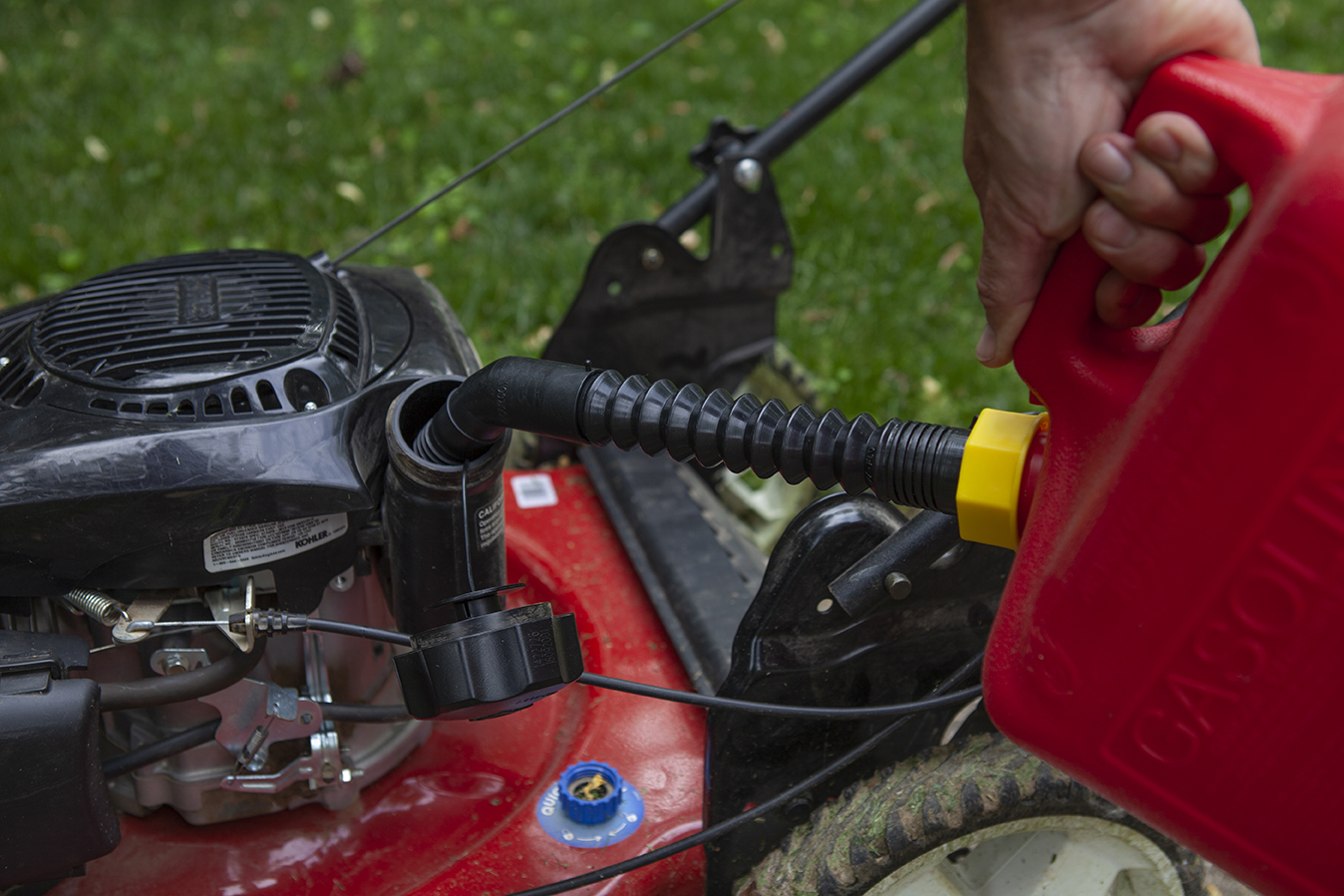
Is There Ever A Reason To Upgrade To Premium?
Unless you have a rare, high-compression mower or your manual demands it, no. You won’t get better performance, longer life, or cleaner running. Save your money.
If you find ethanol-free premium and want to avoid ethanol, that’s a valid reason—but it’s not about octane.
Myths And Realities: Premium Gas In Small Engines
- Myth: Premium gas is always better.
Reality: It’s only better for engines that need it.
- Myth: Premium gas prevents all engine problems.
Reality: Maintenance and good fuel matter more.
- Myth: Premium gas gives you a better cut.
Reality: Sharp blades and proper mowing speed do.
Other Realities
- Reality: Most engine problems come from bad fuel or poor storage, not octane.
- Reality: Following your owner’s manual is the best approach.
What If You Accidentally Fill With Premium Gas?
Don’t worry. Just use it as normal and refill with regular next time. There’s no need to drain the tank or clean the engine.
What If You Mix Premium And Regular?
Mixing is fine. Most gas stations mix grades anyway at the pump. As long as the overall octane is 87 or higher, and ethanol is 10% or less, your mower will be fine.
Why Do Some People Swear By Premium Gas?
Some believe their mower runs smoother or starts easier on premium. In most cases, this is due to other factors—like fresh gas, a new spark plug, or just luck. The science and expert advice say regular is best.
People sometimes change to premium at the same time as changing the oil or spark plug, and notice better results. It’s the maintenance—not the fuel—that made the difference.
How Do You Know If Your Mower Needs Premium Gas?
Check your owner’s manual. If it says “regular unleaded gasoline, 87 octane or higher,” that’s what you need. If it says something different, follow the manual.
If you lost your manual, most can be found online at the manufacturer’s website.
Key Takeaways
- Most lawn mowers are designed for regular unleaded gas (87 octane)
- Premium gas does not improve performance, life, or cleanliness for most mowers
- The most important factors are gas freshness, ethanol content, and maintenance
- Using premium gas by mistake will not harm your mower
- Save money and follow your mower’s manual for best results
If you want more technical details, you can check this Wikipedia article on octane rating for a deeper dive.
Frequently Asked Questions
Can Using Premium Gas Damage My Lawn Mower?
No, using premium gas will not damage your mower. The engine will run as normal. It simply won’t provide any benefits, and you’ll spend more money.
Is It Okay To Mix Premium And Regular Gas In My Mower?
Yes, mixing is fine. As long as the gas is fresh and the ethanol content is not too high, the mower will run normally. Most gas stations mix fuel grades in the pump anyway.
How Do I Know If My Mower Needs Premium Gas?
Check your owner’s manual. Almost all consumer mowers use regular unleaded gas (87 octane). Only some rare, high-performance engines need premium.
Does Premium Gas Help With Starting Problems?
No, premium gas does not solve starting problems. Hard starting is usually caused by old gas, a dirty air filter, or a worn spark plug. Fix these before changing fuel types.
Is Ethanol-free Premium Gas Worth The Extra Cost?
Ethanol-free gas can help prevent moisture problems in small engines, but it’s the lack of ethanol, not the higher octane, that matters. If you can find ethanol-free regular, that’s even better.
What If I Accidentally Add Diesel Or Bad Fuel?
Drain the tank, add fresh regular gas, and run the engine for a few minutes. If the mower doesn’t start or runs poorly, the carburetor might need cleaning.
How Should I Store My Mower For The Off-season?
Run the engine dry or add stabilizer to the fuel. Store in a dry, cool place, and clean under the deck to prevent rust.
—
When it comes to your lawn mower, the simple truth is: use regular gas, keep it fresh, and take care of your engine. That’s the best way to get a clean, healthy lawn and a mower that starts every spring. Don’t let myths or marketing make you spend more than you need. If you follow these tips, your mower will thank you—and so will your wallet.