
Pressure washing can make cleaning fast and satisfying. But I remember the first time I asked myself: Can I use hot water in my pressure washer? I had a stubborn oil stain on my driveway and wondered if hot water would help. I went online, read manuals, and even called a friend who works in maintenance. What I found surprised me, and I want to share it with you—because using the wrong water temperature can ruin your day (and maybe your machine).
Whether you’re cleaning your car, patio, or business equipment, understanding how water temperature affects pressure washers is important. Let’s get into what I learned from my research, personal experiments, and a couple of mistakes.
The Difference Between Hot And Cold Water Pressure Washers
Before I could answer my question, I had to figure out how pressure washers actually work with water temperature. There are two main types:
- Cold water pressure washers: These are the most common. If you bought yours at a hardware store, it’s probably this type. They use regular tap water.
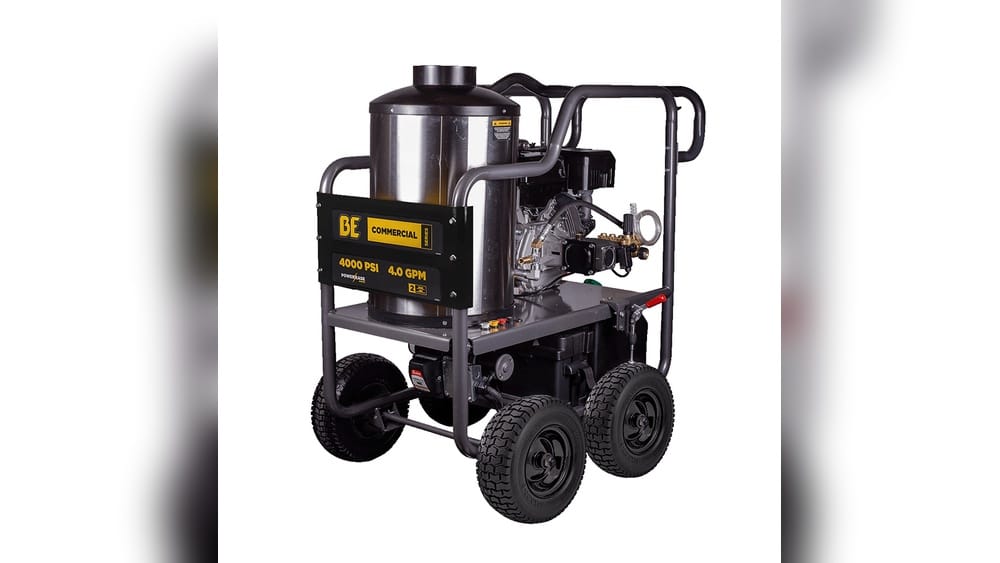
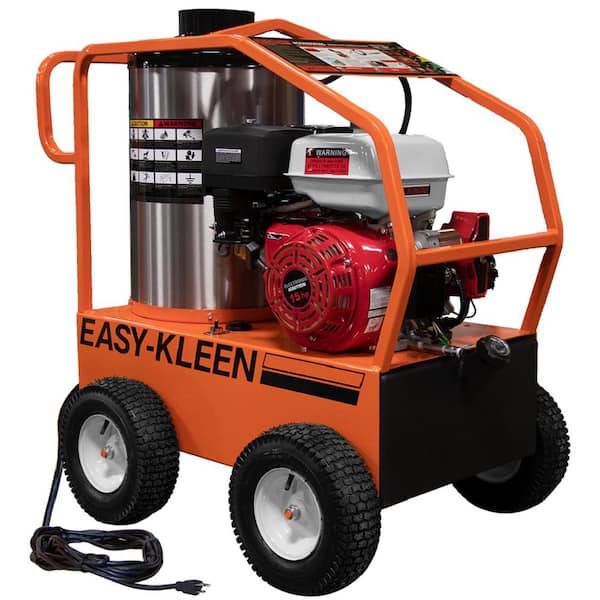
- Hot water pressure washers: These are usually bigger and more expensive. They’re common in commercial cleaning, like garages or factories. They use a heating coil or boiler to heat water before it sprays out.
How Hot Water Changes Cleaning Power
Hot water does more than just feel nice on your hands. It actually:
- Breaks down grease and oil much faster
- Loosens dirt and sticky grime
- Helps kill bacteria
I remember cleaning my old barbecue grill. Cold water barely moved the sticky grease. But with hot water, the grime melted off easily.
Why Most Home Pressure Washers Use Cold Water
Most home units are built for cold water. They’re cheaper, safer, and need less maintenance. The inside parts—like seals, hoses, and pumps—aren’t made to handle hot water.
This leads to the next important point.
What Happens If You Run Hot Water In A Cold Water Pressure Washer?
I made this mistake once. I thought, “Why not fill a bucket with hot tap water and use that?” It seemed like a smart shortcut. Here’s what actually happened:
- The rubber seals started leaking after a few uses.
- The spray gun felt loose.
- There was a burning smell from the pump.
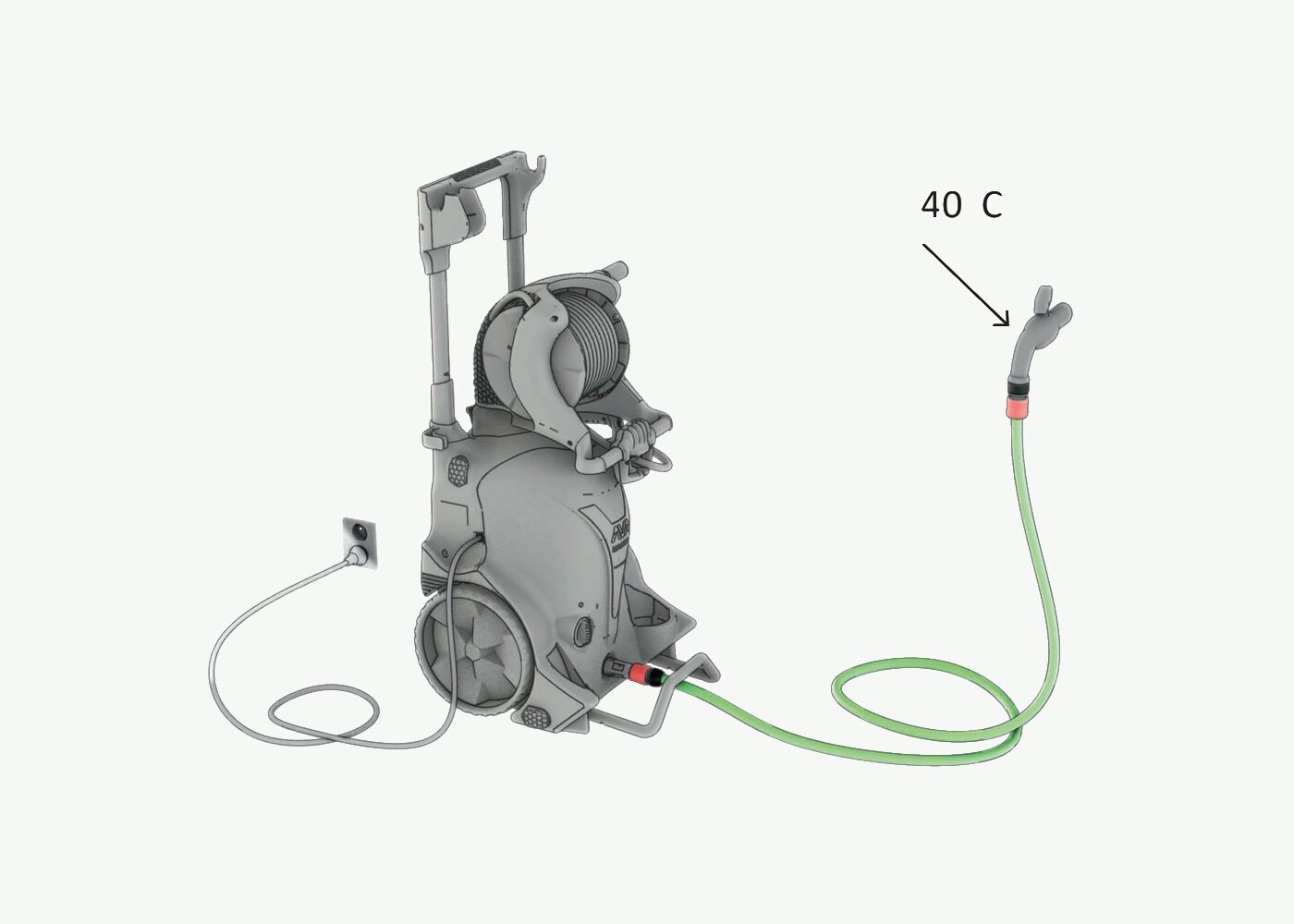
After checking the manual, I learned why. Most cold water washers are only rated for water up to 104°F (40°C). Hotter water can:
- Melt seals and O-rings
- Warp plastic parts
- Damage the pump
I had to pay for repairs. The shop guy told me this mistake is pretty common.
When Can You Use Hot Water In A Pressure Washer?
You can use hot water only if your machine is designed for it. Hot water pressure washers have special parts, like:
- Heat-resistant seals and hoses
- Steel or brass pumps
- Built-in water heaters
If your washer says it’s hot-water capable, check the manual for the maximum temperature. Some can handle up to 180°F (82°C). Never guess—always check.
Here’s a quick comparison from my notes:
| Feature | Cold Water Washer | Hot Water Washer |
|---|---|---|
| Safe Water Temperature | Up to 104°F (40°C) | Up to 180°F (82°C) |
| Best For | Dirt, mud, basic cleaning | Grease, oil, heavy grime |
| Cost | Lower | Higher |
| Maintenance | Simple | More complex |
Real Examples: When Hot Water Makes A Difference
Let me give you a few examples from my own cleaning projects.
Cleaning The Driveway
After a car oil leak, I tried cold water first. The stain faded, but never disappeared. A friend with a hot water washer tried it for me. In one pass, the oil stain lifted right off.
Washing The Deck
For regular dirt, cold water was fine. Hot water didn’t make much difference here and just created more steam.
Cleaning Farm Equipment
My cousin runs a small farm. His hot water washer removes sticky fertilizer and animal waste in half the time of cold water.
Risks Of Using Hot Water In The Wrong Pressure Washer
If you’re thinking of trying hot water in your regular washer, let me be honest—it’s risky. Here’s what might happen:
- Internal leaks: Hot water can make rubber parts swell and fail.
- Pump damage: Pumps made for cold water can seize up.
- Safety hazard: Hot water under pressure can burst hoses not rated for heat, risking burns or injury.
- Warranty void: Manufacturers often void warranties if you use hot water in a cold-water model.
I learned my lesson with a $60 repair bill. Some people ruin their washers completely.
How To Know What Your Pressure Washer Can Handle
Check your owner’s manual. Look for the “maximum water temperature” line. If you don’t have the manual, search your washer’s model number online. If it says nothing about hot water, assume it’s for cold water only.
Never guess. I once thought, “Tap water isn’t that hot, it’s probably fine.” But even water above 104°F (40°C) can cause damage over time.
The Science: Why Hot Water Cleans Better
I used to think cleaning was just about pressure. But hot water changes things through three main effects:
- Heat breaks down molecules: It makes oil and grease less sticky.
- Water movement: The pressure lifts and moves dirt away.
- Soap works better: Many detergents work best in warm water.
That’s why commercial kitchens and car shops always use hot water.
Here’s a breakdown to make it clearer:
| Cleaning Need | Cold Water | Hot Water |
|---|---|---|
| Mud on patios | Good | Good |
| Oil stains | Weak | Excellent |
| Moss & algae | OK | Better |
| Grease on tools | Poor | Excellent |
Can You Add Hot Water Attachments Or Accessories?
I wondered if I could just add an in-line heater or heat my own water and pour it in. I learned that’s risky.
- Attachments can add cost and complexity.
- Most cold-water washers still can’t handle higher temperatures.
- You risk the same damage as before.
If you need hot water often, it’s better to buy or rent a real hot water unit.
Tips For Cleaning Tough Stains With A Cold Water Pressure Washer
I don’t want you to feel stuck if you only have a cold water washer. Here’s what helped me get better results:
- Use degreasers or detergents made for pressure washers.
- Let soap sit for 5–10 minutes before rinsing.
- Scrub stubborn spots with a brush before spraying.
- Clean on a sunny day—sun can help soften grime.
This won’t match hot water for grease, but it gets close for most home jobs.
Common Myths About Hot Water And Pressure Washers
When I asked around, I heard a lot of myths. Let me clear up a few:
- “Hot water cleans everything better.”
- Not always. For plain dirt, hot water doesn’t add much.
- “Any pressure washer can use hot water.”
- False. Most can’t.
- “Warm tap water is safe.”
- Only if it’s below your washer’s limit.

What To Do If You Accidentally Use Hot Water
If you make the same mistake I did, turn off the washer right away. Let it cool. Check for leaks or strange noises. If you notice problems, get it checked by a repair shop. Don’t keep using it—small leaks can become big failures.
Who Should Buy A Hot Water Pressure Washer?
Hot water units are great if you:
- Run a car detailing business
- Clean greasy garage floors regularly
- Work on heavy equipment or farm machinery
For regular home use—like siding, patios, or fences—a cold water washer is usually enough.
Cost Comparison: Hot Water Vs. Cold Water Pressure Washers
One thing that shocked me was the price gap. Here’s what I found when shopping:
| Type | Price Range (USD) | Typical Use |
|---|---|---|
| Cold Water | $100 – $500 | Home cleaning |
| Hot Water | $2,000 – $6,000+ | Commercial, industrial |
Renting a hot water washer for a day costs about $100–$150, which makes sense for tough jobs.
My Final Advice
If you’re asking, “Can I use hot water in my pressure washer?” the answer is simple: Only if your machine is made for it. Otherwise, it’s not worth the risk.
If you mostly clean dirt, patios, or siding, stick with cold water. For grease or oil, try degreasers first. If you still need more cleaning power, consider renting a hot water unit for a day.
Whatever you do, don’t repeat my mistake—check your manual, and know your washer’s limits. You’ll save money, time, and headaches.
Frequently Asked Questions
Can I Use Hot Tap Water In My Cold Water Pressure Washer?
No, most cold water pressure washers are not built for hot tap water. Even water above 104°F (40°C) can damage seals and pumps. Check your manual before trying.
How Do I Know If My Pressure Washer Can Handle Hot Water?
Look for the maximum water temperature in your manual or on the manufacturer’s website. If it’s not listed, use only cold water.
What Should I Do If I Put Hot Water In My Pressure Washer By Accident?
Turn off the machine, let it cool, and inspect for leaks or odd noises. If you see problems, get it checked by a technician before using again.
Is Hot Water Always Better For Cleaning With A Pressure Washer?
Not always. Hot water is best for grease, oil, and sticky grime. For plain dirt or mud, cold water works fine and is safer for your machine.
Where Can I Find More About Pressure Washer Safety And Types?
The Wikipedia page on pressure washers has a lot of useful details, including safety tips and technical info.
Pressure washing is rewarding, but only when you use the right tools the right way. I hope my experience helps you make smarter, safer choices. Happy cleaning!