
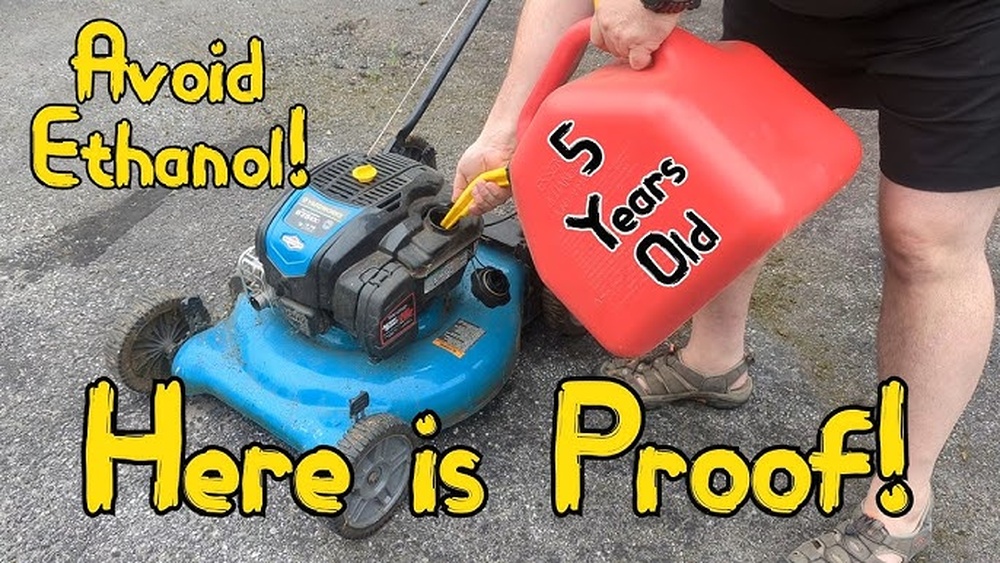
If you have ever stood at a gas station, staring at the different fuel options, you might have wondered: “Can I use ethanol gas in my lawn mower?” I get that question a lot, and I understand the confusion. I’ve worked with small engines, repaired mowers for friends, and even ruined a carburetor or two in my early days. Over the years, I’ve learned that fuel choice matters more than many people think, especially when it comes to small machines like lawn mowers.
The truth is, the answer isn’t a simple yes or no. Ethanol gas, also called E10 (gasoline with up to 10% ethanol), is everywhere now. It’s in most pumps across the country, so you might have already put it in your mower without realizing it.
But is that a good idea? Will it harm your engine? Is there a better option? I’m going to break down what ethanol actually does in a small engine, the risks, the benefits, and how to make the best choice for your lawn mower.
If you care about your equipment and want your mower to last, this is the guide you need. I’ll share real-life examples, science-backed facts, and some surprising details most beginners overlook. Let’s clear up the confusion and help you feel confident at the pump.
What Is Ethanol Gas?
Ethanol gas is simply regular gasoline mixed with ethanol, which is a type of alcohol made mostly from corn in the United States. You’ll see it labeled as E10, E15, or even E85. The number tells you the percentage of ethanol in the mix. E10, for example, is 10% ethanol and 90% gasoline.
Ethanol is added to gas for a few reasons:
- It helps reduce harmful emissions.
- It lessens the need for pure gasoline.
- It supports the local farming industry.
But ethanol is not the same as gasoline. It attracts water, evaporates faster, and can act differently inside engines—especially smaller ones like your mower.
Some people believe ethanol is basically “just another fuel,” but it really isn’t. Ethanol has a lower energy content compared to gasoline. That means, in theory, you get a little less power per gallon with ethanol blends. For a car, the difference is small, but in a small engine, every bit matters.
Another point: ethanol is a type of alcohol, and alcohol’s properties make it more “hygroscopic”—it pulls water out of the air much more easily than regular gasoline. This isn’t just a technical detail. In humid climates or in places where the mower is stored outside or in a damp shed, you can actually see water droplets form in the bottom of your fuel can over time. That water doesn’t burn, and it can cause rust or corrosion in the engine.
Why Is Ethanol In Fuel?
The story behind ethanol in fuel starts with government rules and environmental goals. The Renewable Fuel Standard in the US pushed for more biofuels (like ethanol) to be blended with gasoline. The idea was to cut down on pollution and make America less dependent on foreign oil.
Ethanol also raises the octane rating a bit, which can help engines run smoother. It burns cleaner, so it’s better for the air. But again, it’s not perfect for every engine, especially older or smaller ones.
Here’s something you might not realize: Ethanol is cheaper to produce than pure gasoline, especially when oil prices are high. So there’s a financial incentive for fuel suppliers to blend it in, and that’s part of why it’s hard to avoid at most gas stations. The government also offers tax breaks and incentives for using ethanol, which is why you see E10 as the “standard” option.
But the environmental story isn’t all positive. While burning ethanol produces fewer toxic fumes, growing and processing the corn for ethanol uses a lot of energy, fertilizer, and water. Experts still debate whether the “greener” benefits outweigh the resources used to make it.
For your mower, though, the most important issue is how it affects your engine’s reliability and lifespan.
Types Of Ethanol Gas You Might Find
At most gas stations, you’ll see these main types:
- E10: Up to 10% ethanol. This is now the standard in most places for regular unleaded gas.
- E15: Up to 15% ethanol. Not approved for all vehicles or small engines. Usually marked with warning labels.
- E85: Up to 85% ethanol. Only for “flex-fuel” vehicles. Never use this in a lawn mower.
Most mowers are designed for E10 or lower. Anything higher can cause serious problems, which I’ll explain in detail soon.
It’s worth noting that in some rural areas or parts of the country, you might find “non-ethanol” or “ethanol-free” gas at specific pumps. These are often labeled as REC-90, “recreational fuel,” or “marine gas. ” You’ll pay more for these, but they’re the safest bet for small engines.
If you’re using gas from a marina, for example, it’s usually ethanol-free because boat engines are even more sensitive to water and ethanol issues.
One thing to watch out for: Some gas stations may not label their pumps clearly. If you’re unsure, ask the station attendant or check the pump for a sticker. Some older pumps may not display the ethanol content, but most newer ones will say “may contain up to 10% ethanol.”
How Does Ethanol Affect Small Engines?
When you pour ethanol-blended fuel into a lawn mower, a few things happen inside the engine:
- Ethanol attracts water. Gasoline naturally repels water, but ethanol pulls moisture from the air. Over time, this water can mix with the fuel, especially if you store the mower in a humid garage or shed.
- Phase separation can occur. If enough water gets into the tank, the ethanol and water can separate from the gas, forming two layers. Your engine might pull in this watery mix, which causes hard starting, rough running, or even total engine failure.
- Ethanol is a solvent. It can clean out old gunk from the fuel system, but it can also damage rubber and plastic parts not made to handle alcohol.
- Faster evaporation. Ethanol evaporates quicker than gasoline, which can make fuel go stale faster.
From my own experience, mowers left with ethanol gas over the winter are the most likely to have problems starting in the spring. Clogged carburetors, rust in the tank, and brittle fuel lines are all common complaints.
A less obvious issue: When ethanol mixes with water, it forms a mild acid. That acid slowly eats away at metal parts inside your fuel system and carburetor. Over a single summer, you probably won’t notice, but after a few years, this corrosion can lead to major repairs. Sometimes, you’ll see white or green powdery deposits in the carburetor bowl—this is actually corrosion from the alcohol-water mix.
Another thing beginners don’t always notice is that ethanol is a strong cleaner. If your mower’s tank or carburetor has old varnish or residue from years of pure gasoline, the ethanol can loosen it and send it into the carb jets, where it causes blockages.
This means even if your mower ran fine last year, switching to ethanol gas can sometimes create new problems by cleaning out the old gunk all at once.
Can I Use Ethanol Gas In My Lawn Mower?
Let’s get to the main question. The answer depends on the type of ethanol gas, your mower’s age, and how you care for your equipment.
When Is Ethanol Gas (e10) Safe For Lawn Mowers?
Most newer lawn mowers (made in the last 15–20 years) are designed to run on E10 fuel. The big brands like Honda, Toro, Briggs & Stratton, and others state in their manuals that E10 is okay—as long as you follow good storage and maintenance steps.
Here’s what makes E10 safe for most mowers:
- It’s widely available and affordable.
- Modern small engines are built with ethanol-resistant parts.
- If you use the mower regularly and don’t store fuel for long periods, problems are rare.
If you’re unsure, check the sticker near the gas cap or read your owner’s manual. It will usually say “up to 10% ethanol” or “E10 OK. ”
One key detail: Even if your mower is “ethanol compatible,” the fuel still goes bad faster than pure gasoline. If you mow every week and refill your gas can often, you’ll probably never notice a problem. But if you only mow once a month or let fuel sit in the tank all winter, issues are much more likely.
A practical tip: Some new mowers have fuel system parts (like hoses and gaskets) made from materials that resist ethanol’s solvent effect. If your mower was built after 2005, it probably has these, but always check your manual to be sure.
When Should You Avoid Ethanol Gas?
There are cases where ethanol gas is not recommended:
- Older mowers (pre-2000): These often have fuel lines, seals, and gaskets that can rot or dissolve when exposed to ethanol. If you have a classic mower or a vintage engine, stick to pure gasoline.
- E15 or higher blends: No small engine manufacturer approves these. Using anything above E10 can void your warranty and quickly damage your mower.
- Long-term storage: If you plan to store your mower for more than a month, ethanol gas increases the risk of fuel problems unless you use a stabilizer.
From what I’ve seen, the biggest risk is with older or rarely-used mowers. Ethanol slowly eats away at parts not designed for it, causing leaks and breakdowns.
A less obvious insight: If your mower has a metal fuel tank (common on older models), the risk of rust is much higher with ethanol fuel. The water that ethanol attracts settles at the bottom of the tank, right against the metal, and can start the rusting process. Plastic tanks are less likely to rust, but fuel lines and gaskets are still at risk.
Another scenario where you should avoid ethanol: If you live in a very humid climate, or if you store your mower outdoors, water contamination is much more likely. Even a small amount of water in the fuel can cause big problems in a small engine.
What About 2-stroke Engines?
Some lawn mowers, string trimmers, and chainsaws use 2-stroke engines that mix oil and gas. Ethanol can separate from the oil, causing poor lubrication and even engine seizure. If you own a 2-stroke mower, be extra cautious. Always mix fresh fuel, and try to use ethanol-free gas if possible.
Here’s why: The oil in a 2-stroke mix is supposed to coat the inside of the engine to keep it lubricated. If ethanol separates out, the oil doesn’t mix evenly, and some parts of the engine get no lubrication. This can cause the engine to overheat and seize—a total failure that usually means buying a new mower.
A less obvious tip: If you must use ethanol gas in a 2-stroke, shake the fuel can before every use to help keep the oil and gas mixed. But even with shaking, the mixture won’t stay stable for long. That’s why most pros buy only enough fuel for a week or two at a time.
Ethanol-free Gasoline: Is It Worth The Cost?
You might have noticed ethanol-free gas (sometimes called “recreation fuel” or “REC-90”) at certain stations. It’s usually more expensive, but it’s pure gasoline with no alcohol added.
Pros Of Ethanol-free Gas:
- No risk of water absorption or phase separation.
- Longer shelf life—doesn’t go stale as fast.
- Safer for older engines, 2-strokes, and small equipment.
- Reduces the chance of carburetor problems.
Cons:
- Costs more—sometimes 50 cents to $1.50 extra per gallon.
- Harder to find in some areas.
- Not necessary for most new mowers if fuel is used quickly.
From my own repairs, I’ve noticed customers who use ethanol-free gas rarely come in with gummed-up carbs or cracked fuel lines. If you want the lowest risk, and cost isn’t a big deal, ethanol-free is the safest choice.
Here’s a quick comparison:
| Fuel Type | Contains Ethanol? | Price | Best For |
|---|---|---|---|
| E10 | Yes (10%) | Low | Modern mowers, frequent use |
| E15/E85 | Yes (15%/85%) | Varies | Never use in mowers |
| Ethanol-Free | No | High | Old mowers, infrequent use, 2-stroke engines |
A practical example: If you only mow your lawn once every two or three weeks, and your mower sits in a hot shed between uses, ethanol-free fuel can pay for itself by preventing carburetor cleanings or repairs. On the other hand, if you run a lawn service and use fresh gas daily, E10 is probably fine and the extra cost isn’t worth it.
Another bonus for ethanol-free gas: It’s much better for winter storage or for backup machines that only get used occasionally, like a backup mower or a snow blower.
Common Problems When Using Ethanol Gas In Lawn Mowers
You might think, “If the manufacturer says E10 is fine, what’s the big deal?” Here’s what can go wrong, even in newer machines:
1. Hard Starting Or No Start
Ethanol attracts water, and that water can cause corrosion and clog carburetor jets. If your mower sits for a few weeks, the tiny holes in the carb can plug up with sticky residue, making it hard or impossible to start.
Sometimes the mower will start but run rough for a few minutes, then die. This is often caused by the engine trying to burn a mix of stale gas and water, or by a carb jet that’s partially clogged. If you notice this, don’t keep pulling the cord—drain the tank and start with fresh fuel.
2. Rough Running Or Surging
Engines need a precise fuel/air mix to run right. Ethanol’s tendency to separate or evaporate can mess with this balance. You might notice the engine surges, stalls, or idles poorly.
A less obvious detail: Surging at idle is often a sign of very minor carburetor blockage. Many owners think they need a full rebuild, but sometimes just running a tank of fresh, ethanol-free gas with a bit of carb cleaner can solve the problem.
3. Fuel System Damage
Ethanol acts as a solvent. It can eat through older rubber and plastic parts, causing leaks or even total failure. I’ve replaced dozens of cracked fuel lines and melted gaskets in mowers that used ethanol gas.
A tip: If you see fuel dripping under your mower, check the fuel lines and primer bulb for soft spots or cracks. These are the first parts to go when ethanol starts eating away at the rubber.
4. Reduced Power Or Efficiency
Engines might run hotter or lose power if the fuel isn’t burning properly. Over time, this can shorten the life of your mower.
Something many people miss: If your mower seems to “bog down” in thick grass when it used to power through, old ethanol fuel could be the culprit. Fresh, high-quality gas often brings the engine back to life.
5. Phase Separation
If enough water gets into the tank, the ethanol and water separate from gasoline. This “phase separation” leads to a layer of watery ethanol at the bottom of the tank—right where the fuel pickup is.
You might see the fuel in your can or tank looks cloudy or has a line across the middle. That’s phase separation. If you try to run the mower on this, it won’t run or might only run for a few seconds and then quit.
6. Shorter Fuel Shelf Life
Regular gasoline can last 3–6 months. Ethanol-blended gas can go bad in as little as 30 days, especially in heat or humidity.
Some owners are surprised when their mower won’t start after just a month or two. They think something major is broken, but often it’s just stale fuel. That’s why buying only enough gas for a few weeks is smart.
7. More Frequent Maintenance
Expect to clean or rebuild the carburetor more often if you use ethanol gas, especially in machines that don’t get used regularly.
In my shop, mowers that run on ethanol-free gas rarely need carb work unless they’re decades old. With E10, even new mowers sometimes need a cleaning every year or two, especially if fuel is stored too long.
Real-world Examples And Stories
Let me share a couple of stories to make this real.
A neighbor brought over his old Craftsman mower, saying it “ran fine last year, now won’t start. ” I checked the tank—yellow, sour-smelling fuel with a cloudy layer at the bottom. That was phase-separated ethanol gas. After a carburetor cleaning and switching to fresh gasoline, the mower fired right up.
Another friend with a newer Honda self-propelled model uses E10 all summer and never has a problem. But he only fills his can with enough gas for a few weeks and adds a stabilizer if he knows he’ll be storing it.
His mower starts on the first pull every time.
The biggest difference? How long the fuel sits and how well you maintain the mower.
Here’s another example: A customer came in with a nearly new push mower that wouldn’t start. When I opened the carburetor, I found greenish crystals inside—classic signs of ethanol-and-water corrosion. He’d left last year’s gas in the tank all winter. After a carburetor rebuild and a switch to ethanol-free gas, the mower worked perfectly.
A less obvious story: A landscaper I know runs dozens of mowers every day. He buys E10 by the barrel but never has fuel problems because he uses it up within a week. For him, fuel age is more important than fuel type.
Best Practices For Using Ethanol Gas In Your Lawn Mower
If you decide to use E10 (which is fine for most people), you can avoid 90% of problems with a few smart habits:
1. Buy Fresh Gasoline
Only buy as much gas as you’ll use in 30 days. Gas with ethanol goes stale quickly, so don’t store it all season.
A tip: If you have a small lawn, a one-gallon can is usually enough for a month. If you have a larger yard or more equipment, buy a five-gallon can, but refill only as needed.
2. Use A Fuel Stabilizer
A stabilizer prevents the fuel from breaking down and absorbing water. Add it to the gas can before filling up. Brands like Sta-Bil or Sea Foam work well.
A less obvious point: Always add the stabilizer to the can first, then fill with gas. This mixes it evenly. Don’t just add stabilizer to the mower’s tank—it won’t mix as well.
3. Run The Engine Dry Before Storage
At the end of the season, let your mower run until it uses up all the fuel. This keeps old gas from gumming up the carburetor.
If you can’t run it completely dry, at least drain as much as you can and add a stabilizer to what’s left.
4. Store In A Cool, Dry Place
Keep your gas can and mower out of sunlight and away from moisture. This reduces water absorption.
If you have to store the can outside, try to keep it off the ground and out of the rain. Even small amounts of water from condensation can cause trouble.
5. Check Owner’s Manual
Always follow the manufacturer’s recommendations. If it says E10 is okay, you’re safe. If not, use pure gasoline.
If you lost your manual, most brands have them online. Check before you experiment with different fuels.
6. Inspect Fuel Lines And Carburetor
Every spring, check for cracks or leaks. Replace any soft or brittle parts.
A tip: Squeeze the fuel line gently—if it feels sticky, soft, or leaves black residue on your fingers, replace it. These are signs of ethanol damage.
7. Don’t Use E15 Or E85
Never use fuel with more than 10% ethanol. It’s not safe for small engines.
If you accidentally pump E15, drain the tank before running the mower.
8. Mix Fresh Fuel For 2-strokes
If you have a 2-stroke mower, always mix oil and gas in small batches. Never store mixed fuel for more than a few weeks.
Label your can with the mix date and ratio. Old 2-stroke mix is a leading cause of engine failure.
What Do The Experts Say?
Most small engine manufacturers and repair shops agree: E10 is okay for modern lawn mowers, as long as you use fresh gas, avoid long-term storage, and keep up with basic maintenance.
Here’s a quick roundup:
- Briggs & Stratton: Recommends E10 or less. Warns against E15/E85.
- Honda: E10 is fine; avoid higher blends.
- Toro: E10 okay; use a stabilizer for storage.
- Stihl: Strongly recommends ethanol-free for 2-stroke engines.
If you want the official word, you can check the Ethanol fuel Wikipedia page for more details.
One thing most experts agree on is that problems are much more about how you store and use the fuel than the fuel itself. A well-maintained mower running on fresh E10 is less likely to have trouble than a neglected one running on old ethanol-free gas.
Ethanol Fuel Vs. Ethanol-free Gas: Performance And Longevity
Let’s look at how these fuels stack up in real use. Over the years, I’ve seen the differences in performance and maintenance. Here’s a side-by-side comparison:
| Feature | Ethanol Gas (E10) | Ethanol-Free Gas |
|---|---|---|
| Engine Performance | Usually normal if fresh | Smoother, less chance of issues |
| Fuel System Wear | Possible over time | Minimal |
| Shelf Life | 30–60 days | 6–12 months |
| Cost | Lower | Higher |
| Storage Stability | Poor without stabilizer | Excellent |
| Parts Compatibility | Modern engines only | Any engine |
A detail many people miss: Ethanol-free gas not only lasts longer, but it also smells “fresher” and doesn’t create sticky residue as easily. That means your carburetor and fuel tank stay cleaner, saving you time and money on repairs.
How To Tell If Ethanol Gas Is Causing Problems
Sometimes, it’s hard to know if ethanol is the reason for your mower’s trouble. Here’s what to look for:
- Hard starts after storage: Usually means sticky fuel or clogged jets.
- White, powdery residue: Corrosion from ethanol and water mix.
- Cracked or brittle fuel lines: Classic sign of ethanol damage.
- Fuel smells sour or looks cloudy: Old or phase-separated gas.
If you see these issues, try draining the tank, cleaning the carburetor, and switching to fresh, ethanol-free gas for a while.
A less obvious sign: If your mower runs fine when cold but stalls after warming up, you may have a partially clogged carb jet from ethanol residue. This is easy to miss, but cleaning the carb often solves it.
Another clue: If your mower was stored with a full tank and now leaks fuel, ethanol damage is likely.
How To Switch From Ethanol Gas To Ethanol-free
If you want to make the switch, here’s how to do it safely:
- Run out the old fuel. Let the mower run until it’s out of gas, or drain the tank.
- Clean the carburetor. If you’ve had problems, a quick clean can help.
- Fill with ethanol-free gas. Use a clean can to avoid contamination.
- Run the engine. If it starts and runs smoothly, you’re good to go.
You don’t need to flush the whole system unless the mower has been sitting for a long time with old fuel.
A tip: If you switch but still have old, ethanol-damaged parts (like fuel lines or gaskets), replace them to prevent leaks.
Do Fuel Additives Really Help?
There are dozens of fuel additives that claim to “fix” ethanol problems. Some work, some don’t.
Good Additives
- Fuel stabilizers: These help keep gas fresh and reduce water absorption.
- Carburetor cleaners: Good for cleaning up sticky residue.
Additives To Avoid
- Anything promising to “turn bad gas good.” Once fuel is stale or phase-separated, no additive will fix it. Drain and replace.
I’ve used stabilizers like Sta-Bil for years with good results. They’re cheap insurance if you don’t use your mower often.
A less obvious detail: Some additives can actually make things worse if used too much. Always follow the label instructions and don’t add more than recommended.
Special Cases: Battery-powered And Propane Mowers
Just a quick note—if you have a battery-powered electric mower or one that runs on propane, you don’t need to worry about ethanol at all. These engines don’t use liquid fuel, so ethanol isn’t a concern.
However, if you ever borrow or buy a used gas mower, keep the fuel rules in mind!
A practical tip: For people who mow small lawns, battery-powered mowers are a great way to avoid all fuel headaches. For larger lawns, propane mowers are rare but offer clean running and easy refueling—with no ethanol issues.
How To Find Ethanol-free Gas
If you want to use ethanol-free gas, you can search for stations near you. Websites like pure-gas. org let you find local suppliers. You can also buy small cans of pre-mixed, ethanol-free fuel at hardware stores—expensive, but very convenient for small mowers.
If you live in a rural area, ask at local marinas, airports, or farm supply stores. Many sell ethanol-free gas for boats, planes, or farm equipment.
A tip: If you use only a gallon or two per year, buying the small sealed cans from the hardware store can actually be cheaper in the long run—no wasted gas, no repairs.
Common Myths About Ethanol Gas In Lawn Mowers
There’s a lot of bad advice floating around. Let’s clear up a few myths:
- Myth: Ethanol gas will ruin your mower immediately. Not true—if used fresh and in the right blend (E10 or less), most mowers are fine.
- Myth: All mowers need pure gas. New machines are built for E10, but older ones are at risk.
- Myth: Additives can fix any fuel problem. They help, but can’t reverse old or separated fuel.
- Myth: Ethanol gas gives more power. The energy content is actually a bit lower than pure gasoline.
Another myth: “If my mower starts, the fuel must be fine.” Not always—damage can build up slowly, so good starting doesn’t guarantee the fuel is healthy.
Tips For Long-term Mower Care
If you want your lawn mower to last a decade or more, here’s my best advice:
- Use fresh gas, not old leftovers.
- Follow the manual—if it says E10 is safe, trust it.
- Add stabilizer if you won’t use the mower for a month or more.
- Drain the tank before winter, or run the engine dry.
- Check and replace fuel lines and filters every year.
- Clean or replace the air filter regularly.
- Don’t forget the oil change (for 4-strokes).
A less obvious tip: Even if you use ethanol-free gas, these maintenance steps are still important. Pure gas can go stale too, just more slowly.
If you follow these steps, your mower will survive many summers—regardless of the fuel you choose.
The Surprising Truth: What Beginners Often Miss
Here’s something most new mower owners don’t realize: It’s not just the fuel type that matters, but also how you use and store it. I’ve seen mowers run for years on E10 without a problem—because the owner used fresh gas and took care of the machine.
But I’ve also seen brand-new mowers ruined by old, stale fuel left in the tank for months. Ethanol is only a problem if you let it sit, allow water in, or neglect maintenance.
Another thing beginners miss: You can’t “see” ethanol damage right away. It builds up over time. Small issues—like a little rough running or hard starting—are often the first warning signs. If you catch them early and act, you can avoid big repairs.
A final non-obvious insight: Even if you switch to ethanol-free gas, you can’t reverse damage already done by years of ethanol use without replacing affected parts. Prevention is always easier than repair.
Environmental Impact: Ethanol Gas Vs. Pure Gasoline
Many people choose ethanol blends because they’re better for the environment. Ethanol burns cleaner, reducing carbon monoxide and other pollutants. But the environmental story is complex. Some experts argue that making ethanol from corn takes a lot of energy and may not be as green as it seems.
For your mower, the biggest impact is local: less pollution in your yard, but possibly more maintenance waste (like old fuel and broken parts) if you don’t manage ethanol correctly.
A detail people miss: If you dump stale ethanol gas on the ground or in the trash, it can pollute soil and water. Always dispose of old fuel at a hazardous waste center or recycling facility.
What If I Accidentally Use The Wrong Fuel?
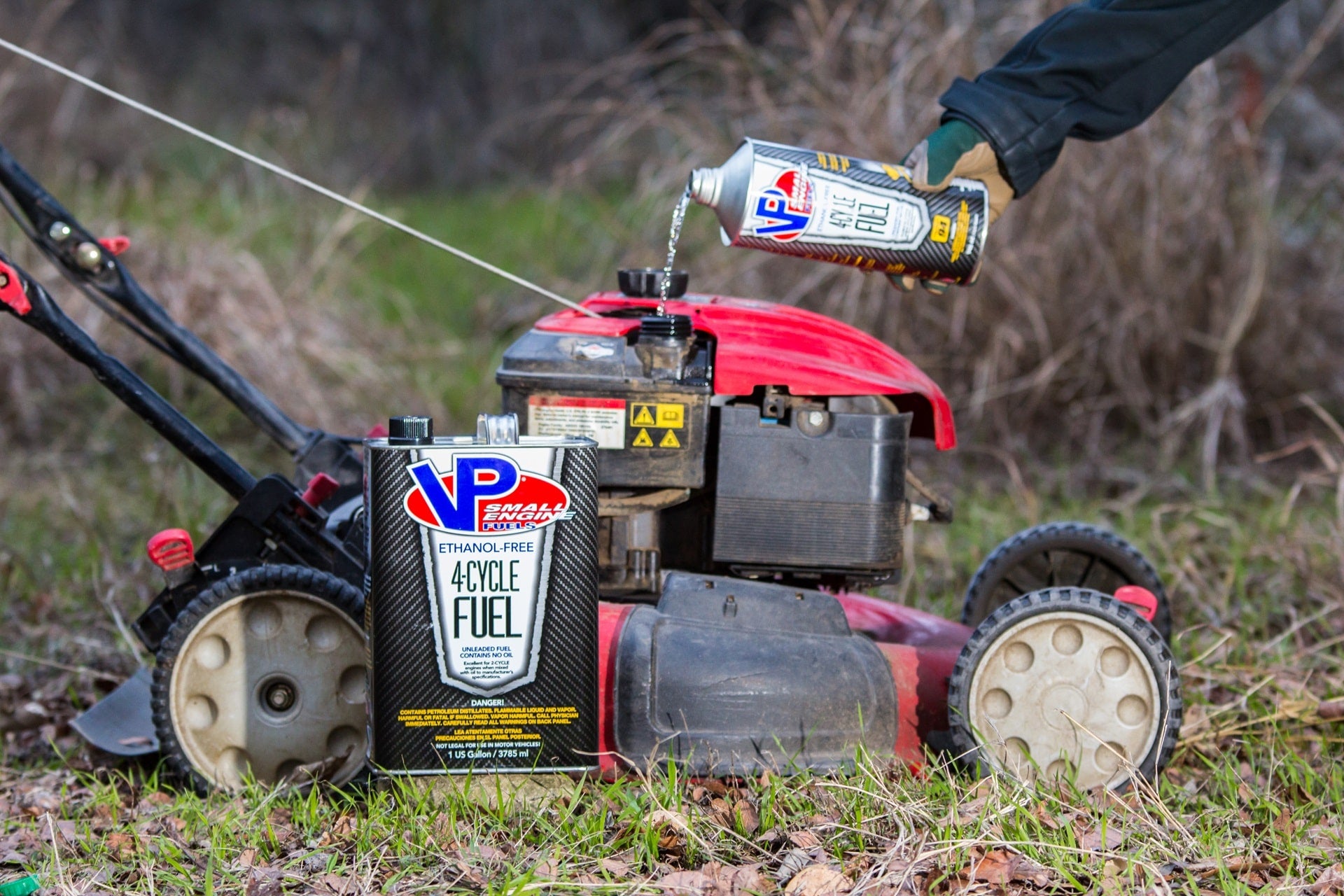
If you accidentally put E15 or E85 in your mower, don’t panic—but don’t run the engine, either. Drain the tank as soon as possible and refill with the right fuel. A little E15 won’t destroy your engine instantly, but repeated mistakes will.
If you only use E10 when your mower needs pure gas, just run it dry and switch back. One tank probably won’t cause major harm, but watch for leaks or rough running.
A practical example: If your mower suddenly starts leaking or running rough after a refuel, double-check what you pumped. It’s easy to grab the wrong nozzle by mistake.
What Matters Most: Your Lawn Mower’s Needs
Every mower is a bit different. The most important thing is to read your owner’s manual and follow the advice for fuel type. When in doubt, choose the safest option—especially if your mower is old, valuable, or hard to replace.
A less obvious point: Some high-end or commercial mowers have electronic fuel injection or advanced features. These can be more sensitive to fuel quality, so pure gasoline is often a better choice if available.
Frequently Asked Questions
What Happens If I Use E15 Or E85 In My Lawn Mower?
Using E15 (15% ethanol) or E85 (85% ethanol) in a lawn mower can cause severe damage. The extra ethanol can dissolve rubber and plastic parts, cause phase separation, and ruin the carburetor. Always use E10 or less, unless your manual specifically says otherwise.
How Long Can I Store Ethanol-blended Gas In A Mower?
Ethanol gas can go stale in as little as 30 days, especially in warm or humid conditions. For best results, only buy and store enough gas for a month. Use a stabilizer if you need to store fuel longer.
Will Using Ethanol Gas Void My Mower’s Warranty?
Most manufacturers allow E10, but using higher blends (E15, E85) can void your warranty. Always check your manual. Using stabilizer and following storage guidelines keeps you covered.
Is Ethanol Gas Safe For All Types Of Lawn Equipment?
E10 is safe for most modern mowers, string trimmers, and blowers. For 2-stroke engines, ethanol-free is safer. Never use E15 or higher in any small engine unless the manufacturer says it’s okay.
How Can I Tell If Ethanol Gas Is Causing A Problem?
Common signs include hard starting, rough running, white residue, or cracked fuel lines. If you suspect ethanol problems, drain the tank, clean the carburetor, and switch to fresh fuel.
—
Choosing the right fuel for your lawn mower isn’t just about what’s cheap or easy. It’s about knowing your machine, understanding how ethanol works, and following smart maintenance habits. With a bit of care, you can use ethanol gas in your mower safely—or pick a better option for your needs.
Now, the next time you’re at the pump, you’ll know exactly what to do!