
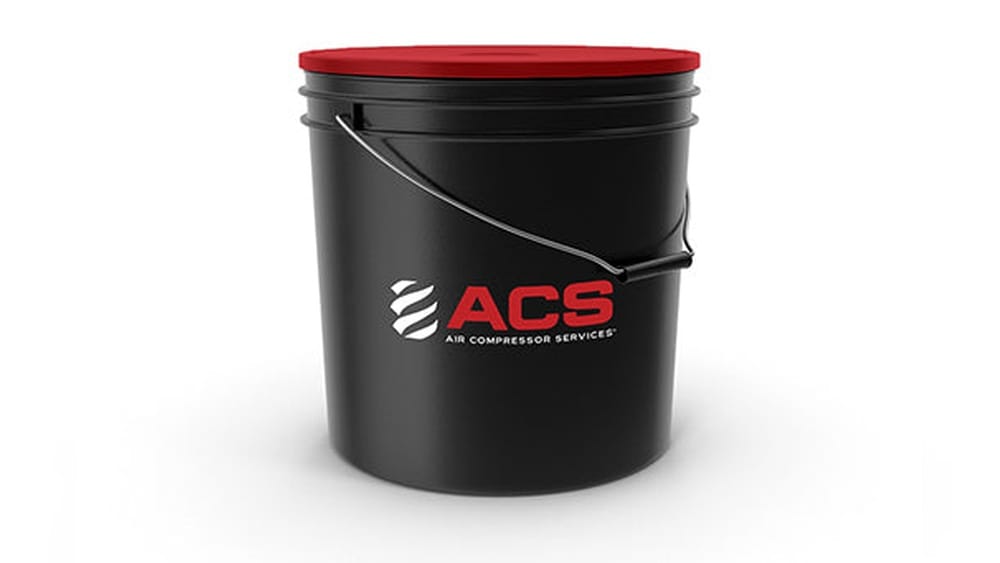
When I bought my first vacuum pump, I was excited to put it to work in my small workshop. I already had an air compressor, and a big can of compressor oil on the shelf. I thought, “Oil is oil, right?
” But before I poured the compressor oil into my vacuum pump, I decided to check if it was safe. That quick pause saved me a lot of trouble. If you’ve ever wondered, “Can I use air compressor oil in a vacuum pump?
” you’re not alone. I want to share what I learned, what actually happens if you mix up oils, and how to keep your equipment running smoothly.
Why Oil Matters In Vacuum Pumps
At first, I didn’t really think much about vacuum pump oil. But after reading the manual, I realized it’s not just there to make things slippery. The oil in a vacuum pump does three main things:
- Lubricates moving parts to reduce wear.
- Seals the tiny spaces between the moving and fixed parts to help create a vacuum.
- Cools the pump by carrying heat away from important areas.
Vacuum pumps, especially rotary vane types, need a very clean and special oil. This oil can handle high vacuum levels and doesn’t break down easily. If you use the wrong oil, problems can happen fast.
What’s The Difference Between Air Compressor Oil And Vacuum Pump Oil?
I thought these oils were the same at first, but they’re actually made for different jobs. Here’s what I learned after digging into manuals, talking to other users, and—yes—making a couple of small mistakes myself.
| Feature | Air Compressor Oil | Vacuum Pump Oil |
|---|---|---|
| Purpose | Lubricates compressor parts | Lubricates, seals, and cools |
| Volatility | Higher (evaporates faster) | Low (less evaporation) |
| Purity | May contain additives | Highly refined, fewer impurities |
| Moisture Handling | Some water tolerance | Rejects water, keeps pump dry |
| Viscosity | Medium to high | Specific for deep vacuum |
The main thing I noticed is that vacuum pump oil is much more refined. It’s clearer and doesn’t have a strong smell. Compressor oil feels heavier and sometimes looks a bit cloudy.
What Happens If You Use Air Compressor Oil In A Vacuum Pump?
I was tempted to try it, just to see what would happen. But after talking to a local repair tech, I realized the risk wasn’t worth it. Here’s what I found out:
- Poor Performance: The pump may not reach a deep vacuum. This means it can’t do the job, especially for tasks like air conditioning work or degassing.
- More Wear and Tear: Compressor oil doesn’t seal as well, so parts rub together more. This wears out the vanes and housing faster.
- Contamination: Air compressor oil can have additives and impurities that leave deposits. These can gum up the pump and cause it to fail.
- Moisture Problems: Compressor oil can hold water, which is bad for vacuum pumps. Water inside the pump can rust parts and ruin the oil quickly.
One time, a friend of mine tried using compressor oil in his old vacuum pump. The pump got louder and started making a ticking noise. After two weeks, it stopped pulling vacuum completely. He had to rebuild it—a costly lesson.
Why Are There So Many Oil Types?
It can be confusing when you see all the different oils at the hardware store. There’s mineral oil, synthetic oil, and even hydrotreated vacuum pump oils.
Mineral Vs. Synthetic Vacuum Pump Oil
| Type | Pros | Cons |
|---|---|---|
| Mineral | Lower cost, widely available | Shorter life, less pure |
| Synthetic | Longer life, better for high heat | Higher price |
I use mineral oil for basic jobs, but switch to synthetic if I’m running the pump for hours. Most manuals suggest using only the type specified by the pump maker.
Why Vacuum Pump Oil Is So Pure
Vacuum pump oil is filtered and distilled to remove impurities. Even a little bit of dirt or water can mess up the vacuum. That’s why it’s usually clear, not cloudy. If you see your oil turning milky or dark, it’s time to change it.
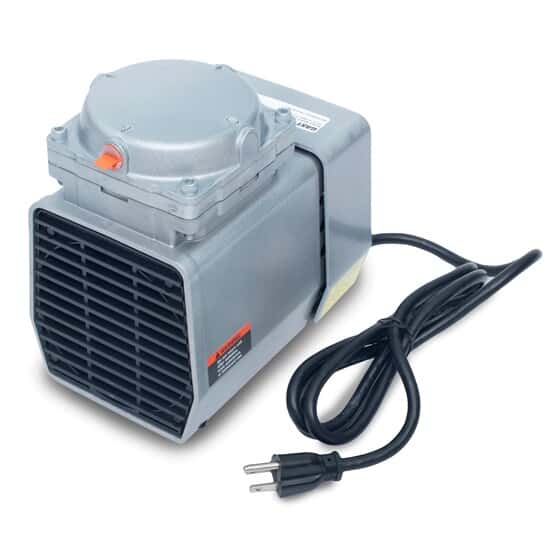
How To Choose The Right Oil For Your Vacuum Pump
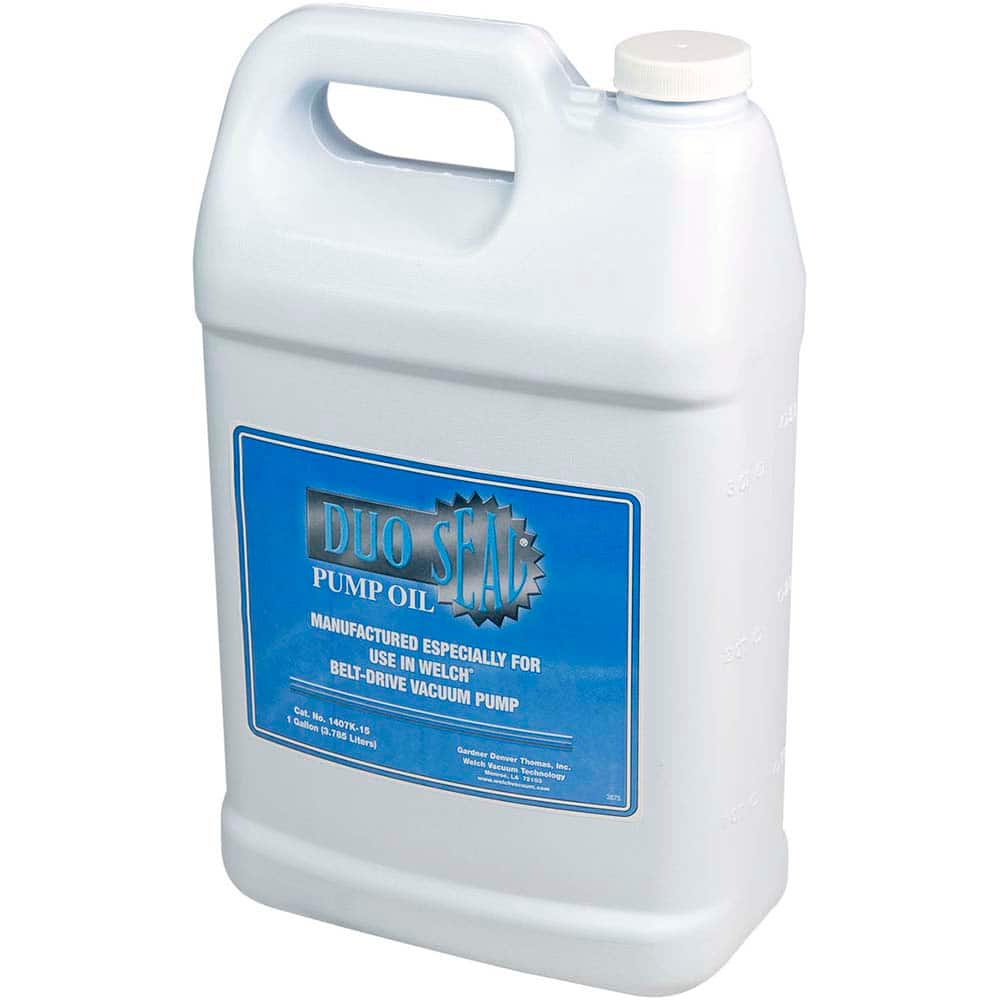
The first time I bought vacuum pump oil, I felt lost. There were numbers like “ISO 46” and “Grade 19.” Here’s how I make the choice now:
- Check your manual: The pump maker knows best. The oil type and viscosity are usually listed.
- Stick with vacuum pump oil: Don’t use general oils unless the manual says it’s okay.
- Look for high purity: Clear oil with no smell is usually a good sign.
- Choose the right grade: For deep vacuum, the oil grade matters. Lower viscosity is better for high vacuum.
I once used a thicker oil because I thought it would protect the pump better. It actually made the pump slower to start and hotter during use. Lesson learned: use what the manual recommends.
Common Myths And Mistakes
People often say, “Compressor oil is just as good.” From my experience, this is not true. Here are a few myths I’ve heard:
- “Any oil will do.” In reality, wrong oil can ruin your pump.
- “If it fits, it works.” Some oils foam or break down under vacuum, causing pump failure.
- “Oil doesn’t need to be changed often.” Dirty oil kills pumps. I change my oil every 10-20 hours of use, or sooner if it looks dirty.
A beginner’s mistake I made was not draining old oil before adding new. Mixing old and new oil can make things worse, because contaminants stay in the pump.
The Science: Why Oil Type Affects Vacuum
Vacuum pumps operate in a unique way. They pull air molecules out, creating a space with very low pressure. At these low pressures, even tiny impurities in the oil can evaporate and become vapor. This vapor can backstream into your system, ruining the vacuum.
Compressor oil has a higher vapor pressure. That means it will evaporate more in a vacuum, making it almost impossible to reach deep vacuum levels. On the other hand, vacuum pump oil is designed to stay stable and not vaporize easily.
Real-life Examples: When The Wrong Oil Goes In
I’ve seen a few friends try to save money by using compressor oil in their vacuum pumps. Here’s what happened:
- Pump wouldn’t pull vacuum for AC work: A friend’s pump only reached 500 microns, when it should have hit 100 microns. The oil was the problem.
- Rust and gunk inside the pump: Water trapped in compressor oil left rust spots on the vanes. The pump seized after a month.
- Strange smells and smoke: One time, I noticed a burning smell. The oil had broken down, and the pump was overheating.
Vacuum pumps are expensive to fix. Using the right oil saves headaches, money, and time.
The Safe Way: What I Do Now
After all these experiences, here’s my simple process:
- Read the manual every time: I keep it handy for reference.
- Buy oil labeled for vacuum pumps: I don’t try to “hack” it with other oils.
- Change oil often: Clean oil keeps everything running.
- Store oil properly: I keep the cap tight and the bottle away from moisture.
I also learned to keep an eye on the oil’s color and smell. If anything seems off, I change it right away.
What If You Accidentally Used The Wrong Oil?
Don’t panic. If you put air compressor oil into your vacuum pump by mistake, here’s what you should do:
- Stop the pump as soon as you notice.
- Drain all the oil out. Let it drip completely.
- Flush with the correct oil if possible. Some people run the pump for a minute with cheap vacuum oil, then drain again.
- Refill with the right oil and run the pump for a short time.
- Check for performance. If the pump pulls a deep vacuum, you’re probably okay.
I once made this mistake when I was in a hurry. Flushing the pump twice with the correct oil fixed the problem, and the pump has worked fine ever since.
When Is It Okay To Experiment?
In my experience, there’s rarely a good reason to use compressor oil in a vacuum pump. The only exception might be in an emergency, for a short time, if you have no other choice. But even then, I would replace it with the right oil as soon as possible.
The risk of damage is just too high.
For most people, following the manufacturer’s advice is the best way to protect your tools and your work.
Comparing Costs: Is Vacuum Pump Oil Worth It?
Many people ask if the extra cost of vacuum pump oil is really worth it. I used to think the same way. Let’s compare:
| Oil Type | Cost per Liter | Pump Life Expectancy |
|---|---|---|
| Vacuum Pump Oil | $8-15 | 5+ years (with proper care) |
| Air Compressor Oil | $5-10 | 1-2 years (risk of damage) |
Spending a few dollars more on oil can save hundreds on repairs or replacements. That’s been my experience, and it’s advice I give to anyone who asks.

Practical Tips For Beginners
If you’re new to vacuum pumps, here are a few things I wish I’d known:
- Always keep extra vacuum pump oil on hand.
- Change oil after any contamination, especially if the oil looks milky.
- Clean the oil fill cap before opening to avoid dirt getting inside.
- Don’t mix brands or types of oil unless you’re sure they’re compatible.
- Label your oil bottles to avoid mistakes.
These small habits have saved me time and money.
When To Ask For Help
If your vacuum pump is running rough, making new noises, or not reaching vacuum, don’t guess. Sometimes, the problem is more serious than just oil. A good repair shop can test the pump and tell you exactly what’s wrong.
I once ignored a strange noise, thinking it was just old oil. It turned out to be a worn vane. Early help could have saved me from a full rebuild.
If you want to go deeper into the technical details, I found this guide useful: Vacuum pump oil – Wikipedia.
Frequently Asked Questions
Can I Use Air Compressor Oil In My Vacuum Pump Just Once?
I wouldn’t recommend it. Even one use can leave residues or moisture that affect performance. If you must, flush it out as soon as possible.
What Happens If I Mix Vacuum Pump Oil With Compressor Oil?
Mixing oils can cause foaming, poor sealing, and unpredictable breakdown. Always stick to one type, and drain completely before switching.
How Often Should I Change Vacuum Pump Oil?
I change mine every 10-20 hours of use, or sooner if the oil looks dirty or milky. Regular changes keep the pump healthy.
What’s The Risk If I Keep Using Compressor Oil?
Long-term use can lead to pump failure, rust, and expensive repairs. It usually shortens the life of the pump by years.
Is There Any Situation Where Compressor Oil Is Okay In A Vacuum Pump?
Only in an emergency, and only for a very short time. It’s always best to use the correct oil as soon as possible.
After years of working with both air compressors and vacuum pumps, I’ve learned that using the right oil is one of the simplest ways to avoid big problems. It’s a small detail that makes a big difference. If you take care of your pump, it will take care of your work—trust me, I learned that the hard way.