Washing my car at home has always been a small source of pride for me. There’s something satisfying about seeing the dirt disappear and the paint shine again. But a few months ago, I started wondering: Can I use a pressure washer on my car? Like many people, I’d seen those videos online—powerful jets blasting away grime in seconds. It looked quick and easy. Still, I worried about damaging the paint, seals, or even electronics. To find out if it was safe (and smart), I tried it myself, did a lot of research, and even talked to a few car-savvy friends. Here’s everything I learned, including the good, the bad, and what I wish I’d known before I started.
Why People Consider Using A Pressure Washer On Their Car
I get it—washing a car with a regular hose takes forever, and sometimes the dirt doesn’t budge. When I first used a pressure washer, I was shocked at how fast it stripped mud and road salt from the tires and lower panels. It was almost fun! Here’s why many people (including me) are tempted to switch from the garden hose to a pressure washer:
- Speed: You finish in half the time.
- Efficiency: Less water is used compared to the garden hose.
- Better cleaning: Stubborn grime lifts off easily, especially in wheel wells and undercarriage.
- Satisfying results: The car looks really clean, even in hard-to-reach spots.
But—there are risks. And trust me, I learned that not all pressure washers are created equal.
Is Using A Pressure Washer Safe For Your Car?
This is the first thing I wanted to know. Can I use a pressure washer on my car without causing damage? The answer: Yes, but only if you’re careful.
Things That Can Go Wrong
I’ll be honest. The first time I tried, I made some rookie mistakes. Here’s what can happen if you use the wrong settings or techniques:
- Paint damage: High pressure can strip paint, especially if there are chips or scratches already.
- Seal damage: Water can get into door seals or electronic parts if you spray too close.
- Dents: Powerful jets focused on one spot can dent thin metal, especially on older cars.
- Tire and trim issues: Old or loose trim pieces can get ripped off.
What The Experts Say
After my first try, I checked advice from car care experts. Most say pressure washers are safe if you:
- Use the right nozzle (usually 25 or 40 degrees)
- Keep a safe distance (at least 12 inches from the car’s surface)
- Avoid sensitive spots (like sensors, cameras, and rubber seals)
- Never use the most powerful setting
What Type Of Pressure Washer Is Best For Cars?
When I started looking at pressure washers, I realized not all machines are equal. Some are made for cleaning driveways, not cars. Here’s what I found matters most.
Electric Vs. Gas Pressure Washers
I tried both at a friend’s house, and the difference is real.
| Type | Pressure Range (PSI) | Best For | My Experience |
|---|---|---|---|
| Electric | 1200-2000 | Cars, bikes, small jobs | Gentle, easy to use, less risk |
| Gas | 2000-4000 | Driveways, decks, tough grime | Too strong for cars—use with caution |
For cars, I always recommend electric pressure washers. They’re lighter, quieter, and less likely to damage your paint.
Nozzle Selection
Choosing the right nozzle is key. I learned this after accidentally chipping a small bit of paint using a narrow, high-pressure tip.
- 0-degree (red): Never use on cars! It’s too focused.
- 15-degree (yellow): Good for wheels and undercarriage.
- 25-degree (green): Safe for most surfaces.
- 40-degree (white): Best for car exteriors—gentle but effective.
I only use the 40-degree tip on painted parts, and the 25-degree for wheels and tough mud.
Psi And Gpm: What Numbers Matter?
I had to look this up: PSI (pounds per square inch) measures water pressure, and GPM (gallons per minute) is water flow. For cars, you don’t need crazy numbers.
| PSI | GPM | Result |
|---|---|---|
| 1200-1900 | 1.2-1.6 | Safe for most cars |
| 2000+ | 1.7+ | Risk of damage |
I stick to around 1400 PSI and 1. 3 GPM. It’s enough to remove dirt, but not enough to harm the paint.
How I Wash My Car With A Pressure Washer: Step-by-step
I’ve made mistakes, but now I have a routine that works and keeps my car safe. Here’s how I do it, step by step:
1. Park In A Shady Spot
Direct sun dries soap too fast and leaves spots. I always look for shade or wash in the early morning.
2. Rinse Off Loose Dirt
I use the 40-degree nozzle, holding it about 18 inches from the car. This removes dust and prevents scratches during washing.
3. Apply Car Soap
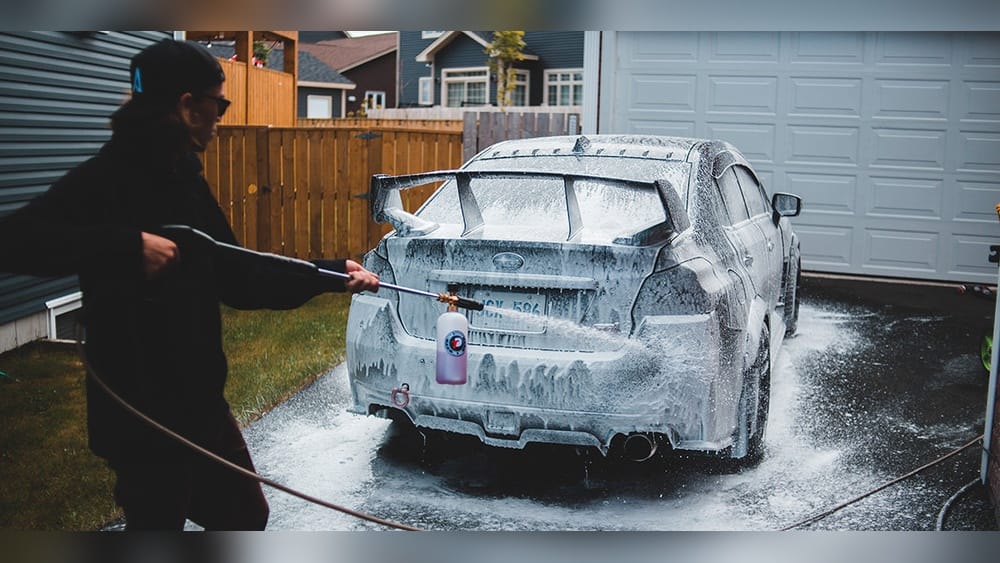
Most pressure washers come with a soap nozzle or foam cannon. I use a dedicated car shampoo (never dish soap—it strips wax). The foam helps lift dirt and lubricates the surface.
4. Use A Soft Mitt
No matter how good the pressure washer is, I always use a microfiber mitt to gently wash the surface. It prevents swirl marks.
5. Rinse Again
Using the 40-degree nozzle, I rinse off all the soap. I’m careful around badges, sensors, and the edges of windows.
6. Dry With A Microfiber Towel
I never let the car air-dry. Water spots are a pain to remove. I use a big, soft towel for a streak-free finish.
Tips That Took Me By Surprise
- Start from the top: Dirt runs down, so always wash roof-first.
- Check for paint chips: Even low pressure can make chips worse.
- Mind the seals: Don’t aim directly at door or window seals.
- Skip the engine bay: Modern cars have sensitive electronics. I stick to the outside.
Common Mistakes When Using A Pressure Washer On Your Car
I learned some of these the hard way. Here’s what to avoid:
- Holding the nozzle too close: It’s tempting for tough spots, but 12-18 inches is safest.
- Using hot water: High heat can harm clear coats and plastic.
- Forgetting to test: Always test on a small area first if you’re unsure.
- Ignoring the angle: Spraying straight on can force water into gaps. I keep the spray at a slight angle.
Pressure Washer Vs. Traditional Hose: My Honest Comparison
After months of switching back and forth, here’s what I found.
| Feature | Pressure Washer | Garden Hose |
|---|---|---|
| Cleaning Power | Excellent | Average |
| Time Needed | Fast | Slow |
| Water Use | Less | More |
| Paint Safety | Risky if careless | Very safe |
| Effort | Low | High |
| Price | High | Low |
For regular washes, I still use the pressure washer. But for quick rinses, the hose is less hassle.
When Should You Avoid Using A Pressure Washer?
From my experience, it’s better to skip the pressure washer in these situations:
- Old cars with weak paint: Flaking or peeling paint can get worse.
- After fresh paint jobs: Wait at least 30 days for the paint to cure.
- Cold weather: Water can freeze in locks or seals.
- Convertible tops: High pressure can damage fabric or seals.
What Surprised Me Most
Two things I didn’t expect when I started using a pressure washer:
- Water can sneak into places you never expect—like trunk seals or behind headlights. It’s harmless if it dries, but annoying if you open the trunk and find it wet.
- Not all pressure washers are gentle. Even a “low” setting can be too much if you’re not careful or use the wrong nozzle.

My Final Thoughts: Is A Pressure Washer Worth It?
If you love a clean car and are willing to learn safe techniques, using a pressure washer on your car is a game-changer. It saves time and water, and the results look great. But it’s not foolproof. If you rush, use the wrong nozzle, or get too close, you could damage your paint or trim.
For most people, I recommend a basic electric pressure washer with a 40-degree tip. Take it slow, practice good technique, and you’ll enjoy clean cars for years—without the regrets I had at first.
If you want to dive even deeper into car cleaning science, check out this detailed guide on Wikipedia.
Frequently Asked Questions
Can Using A Pressure Washer Damage My Car’s Paint?
Yes, if you use too much pressure, the wrong nozzle, or spray too close. Always use a wide-angle tip and keep a safe distance. Check for paint chips before washing.
What Psi Is Safe For Washing Cars?
Stick to 1200–1900 PSI. Anything above 2000 PSI can risk damaging your paint or trim, especially on older cars.
Is It Better To Use A Foam Cannon With A Pressure Washer?
A foam cannon helps spread soap evenly and lifts dirt. I get better results with less scrubbing, and it reduces the risk of scratching.
Can I Use A Pressure Washer To Clean The Engine Bay?
I don’t recommend it. Modern engine bays have sensitive electronics. Use a damp cloth instead, or ask a professional.
How Often Should I Wash My Car With A Pressure Washer?
Once a week is ideal, especially in winter or after rain. Just be gentle and follow safe washing practices every time.