
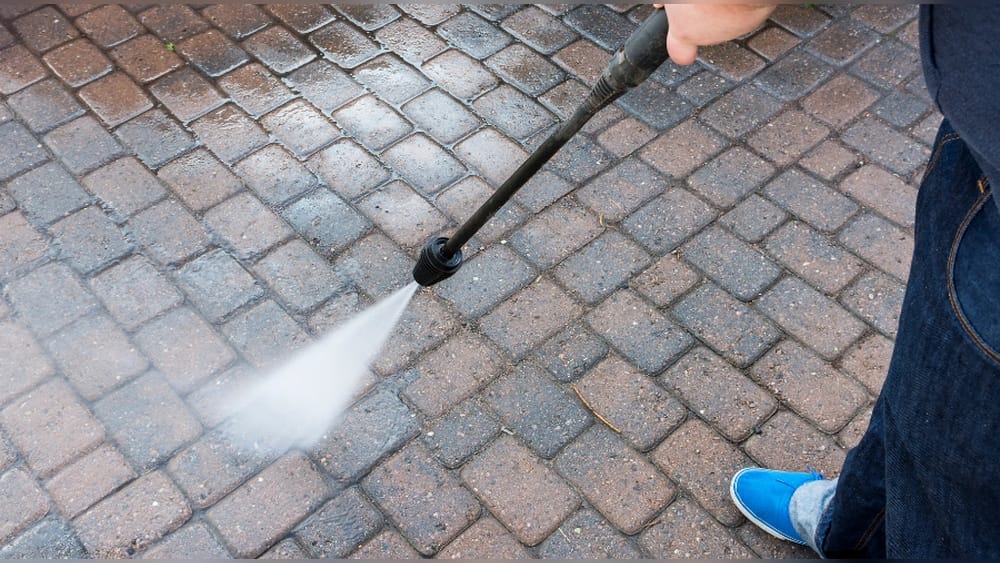
Can I Use A Pocket Hose With A Pressure Washer?
A few months ago, I moved into a house with a big driveway and a lot of outdoor space. I was excited to finally use a pressure washer to clean my sidewalks, patio, and even my car. But I had a problem: the only hose I owned was a pocket hose — one of those lightweight, expandable hoses that shrink up small after use. I wondered, like many others, “Can I use a pocket hose with a pressure washer?” After testing it out myself, doing a lot of research, and even talking to some pros at the hardware store, I want to share what I learned. If you’re thinking about connecting your pocket hose to a pressure washer, this story is for you.
How Pocket Hoses And Pressure Washers Work
Before I tell you what happened, it helps to understand how each of these tools actually works. A pocket hose is made from flexible materials, usually latex or TPC, inside a fabric sleeve. When you turn on the water, it fills up and expands, becoming long and ready to use. When you turn it off and release the water, it shrinks back down, making it easy to store.
A pressure washer is a machine that takes regular water from your tap and pumps it out at high pressure. This pressure is what blasts away dirt from your driveway, car, or patio. Pressure washers need a steady supply of water at a certain flow rate and pressure, or they won’t work right.
I didn’t realize at first that these two things — pocket hoses and pressure washers — are designed with different uses in mind. Most pocket hoses are made for light gardening, washing the car, or watering plants, not for handling the high demands of a pressure washer.
My First Experience: Trying A Pocket Hose With A Pressure Washer
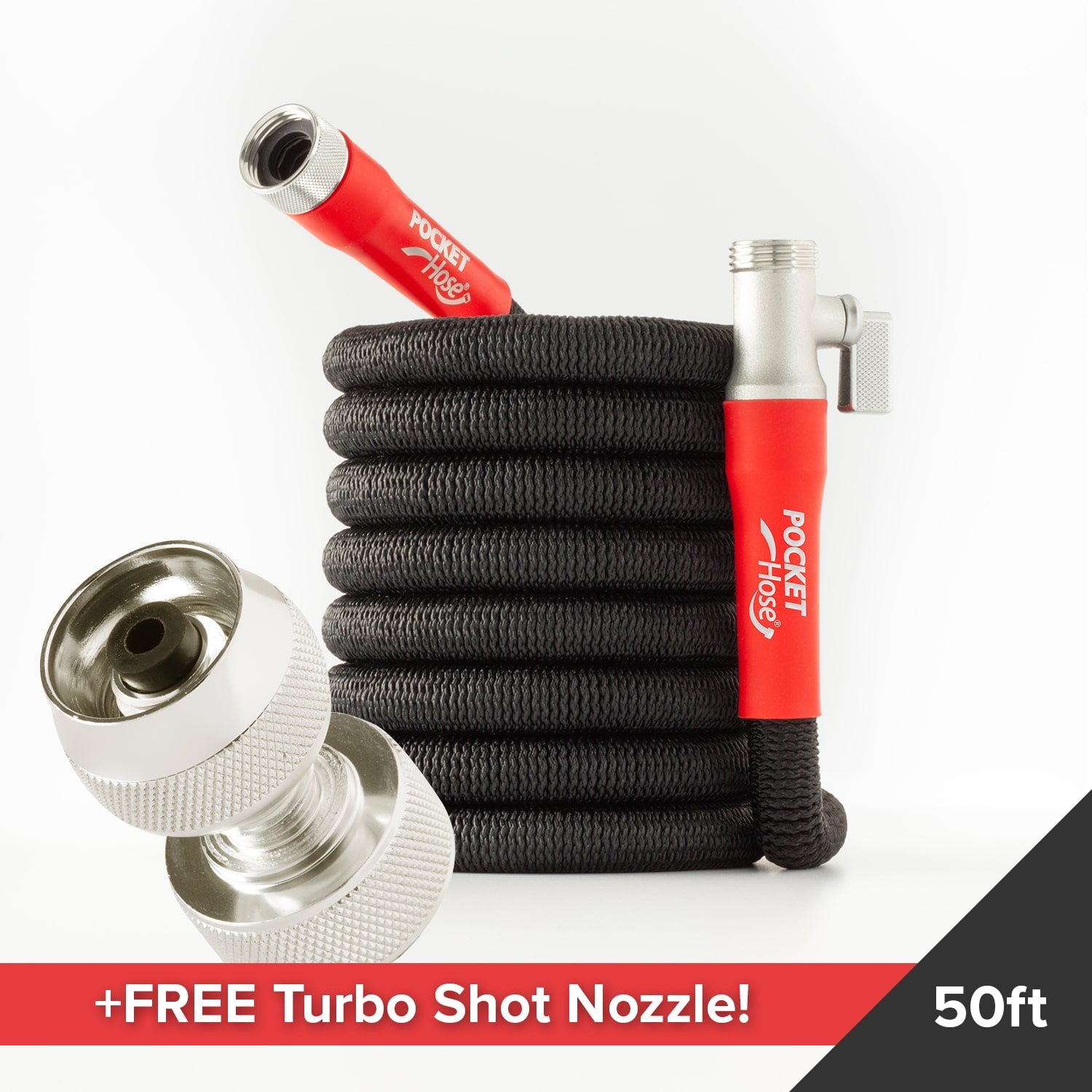
One sunny Saturday, I decided to give it a try. I hooked my 50-foot pocket hose to the outdoor tap, attached it to my pressure washer, and fired up the machine. Right away, I noticed a few things:
- The pressure wasn’t what I expected. My pressure washer usually shoots out a strong, steady jet of water. But with the pocket hose, the water flow seemed weaker. The spray was softer, and it took longer to clean even a small spot.
- The hose swelled up fast. Pocket hoses are meant to expand, but with the pressure washer turned on, the hose filled quickly and got stiffer than usual.
- The hose got warm and started to leak. After about 15 minutes, I saw small leaks near the connector. The outer fabric was damp. I worried the hose might burst.
I stopped the machine and switched back to a regular rubber garden hose. The difference was huge — the pressure washer worked as it should, and the cleaning went much faster.
Why Pocket Hoses Struggle With Pressure Washers
After my experiment, I wanted to know why this happened. Here’s what I learned:
- Pocket hoses aren’t built for high pressure. Most are rated for about 60–80 PSI (pounds per square inch). Pressure washers, even electric ones, can pull water at 100 PSI or more and output it at much higher pressures.
- Expandable hoses can restrict water flow. When they’re stretched out, the internal diameter (the hole inside) can be smaller than a standard hose. This limits the amount of water that reaches the pressure washer.
- Connectors are usually plastic. The ends of pocket hoses are often made from plastic or thin metal. Under the constant pull of a pressure washer, they can break or leak.
I also checked the manuals for my pressure washer and pocket hose. Both clearly stated not to use expandable hoses for pressure washing.
What Happened When I Tried Different Pocket Hoses
I wanted to be thorough, so I actually bought two other pocket hoses to compare. Here’s a quick look at how each one performed with my pressure washer:
| Hose Brand | Length | Material | Pressure Washer Result |
|---|---|---|---|
| Brand A (Original) | 50 ft | Latex & Fabric | Weak flow, leaked after 15 mins |
| Brand B (Premium) | 75 ft | Triple-layer Latex | Better, but still weak pressure and minor leaks |
| Brand C (Heavy-Duty) | 100 ft | Thicker Fabric, Metal Ends | Survived longer, but still reduced flow and some dripping |
Even the “heavy-duty” hose struggled with the pressure washer. The water flow was always lower than with a regular garden hose, and the connectors always showed signs of stress.

Key Differences: Pocket Hose Vs. Standard Garden Hose
After my tests, I made a quick comparison between my pocket hose and my regular rubber hose:
| Feature | Pocket Hose | Standard Garden Hose |
|---|---|---|
| Weight | Very light | Heavy |
| Storage | Compact, easy | Bulky |
| Water Flow | Restricted | Full, steady |
| Pressure Tolerance | Low (60–80 PSI) | High (150+ PSI) |
| Durability with Pressure Washer | Poor | Excellent |
This comparison made it clear why my pressure washer always worked better with the regular hose.
The Science: Why Pressure And Flow Matter
At first, I thought all hoses were basically the same, but that’s not true. Pressure washers need two things from a hose:
- Enough water flow (GPM): Most pressure washers need at least 2–3 gallons per minute. A pocket hose, especially a long one, might not deliver this.
- Stable inlet pressure: If the water pressure drops below a certain level, the pressure washer pump can struggle or even get damaged.
I learned from a hardware store expert that using a hose with a small internal diameter or weak connectors can “starve” your pressure washer. This means it won’t get enough water, which can overheat the pump and shorten its life.
Some people have even ruined their machines this way.

What Can Go Wrong: Risks Of Using A Pocket Hose
If you’re still thinking of trying a pocket hose, here are some risks I faced (and saw online):
- Leaks and bursts: The hose can develop pinholes or tear at the ends. When this happens, you lose water pressure and might spray yourself with water.
- Damaged connectors: Plastic fittings can crack under the constant pull of the pressure washer.
- Underperforming washer: The pressure washer may run, but with weak pressure. This means you’ll spend more time cleaning and use more water.
- Shortened machine life: Starving the pump of water can cause overheating and early failure.
- Safety hazard: If the hose bursts, you might get sprayed with dirty water or even trip on the loose, whipping hose.
I’ve seen videos of hoses popping off the tap or spraying wildly when used with a pressure washer. It’s not fun, especially if you’re cleaning near windows, cars, or people.
When (if Ever) Can You Use A Pocket Hose?
There are a few cases where a pocket hose might work with a very small, low-power pressure washer. For example, some battery-powered washers have low water demand, and some new “hybrid” hoses have improved materials. But even then, you have to check the ratings:
- Check the PSI and GPM: Make sure your pocket hose matches or exceeds what your washer needs.
- Use short hoses: The shorter the hose, the better the flow.
- Upgrade connectors: If you try this, use hoses with brass or metal fittings.
But honestly, I would only recommend this for light, occasional use. For anything serious, it’s not worth the risk.
My Honest Recommendation
After all my experiments, research, and a few close calls, my advice is simple: don’t use a pocket hose with a pressure washer. It’s tempting because pocket hoses are light and easy to store, but they just aren’t made for the job. A good quality standard garden hose is heavier and bulkier, but it works safely and gives you the water flow and pressure your machine needs.
If you want a hose that’s both flexible and tough, look for a “hybrid” or “contractor-grade” hose at your local hardware store. These are designed to handle high pressure and are still lighter than old rubber hoses.
Unexpected Lessons I Learned
While my experiment didn’t go as planned, I did learn a couple of things that might help you:
- Hose diameter is more important than you think. A hose that’s even a little narrower inside can seriously affect your pressure washer’s performance.
- Connector quality matters. Brass fittings last much longer and leak less than plastic ones.
- Always check the manufacturer’s recommendations. Both my pocket hose and my pressure washer manuals said not to use expandable hoses. I should have listened!
What To Look For In A Hose For Pressure Washers
If you’re shopping for a hose to use with your pressure washer, here are a few tips I wish I’d known sooner:
- Choose the right diameter: Most pressure washers work best with 5/8-inch or larger hoses.
- Look for high PSI ratings: Make sure the hose can handle at least 150 PSI.
- Pick strong connectors: Brass or stainless steel ends are best.
- Consider length: Longer hoses lose some pressure, so keep it as short as possible while still reaching your work area.
- Check for kink resistance: Some hoses are reinforced to prevent kinks, which helps keep water flowing.
Here’s a quick look at how different hose types compare for pressure washer use:
| Hose Type | Weight | Pressure Rating | Best Use |
|---|---|---|---|
| Pocket/Expandable | Very light | Low (60–80 PSI) | Gardening, light watering |
| Standard Rubber | Heavy | High (150+ PSI) | Pressure washing, heavy use |
| Hybrid/Contractor | Medium | Very high (200+ PSI) | All outdoor uses |
Frequently Asked Questions
Can A Pocket Hose Handle The Pressure From A Pressure Washer?
Most pocket hoses can’t handle the high pressure or flow needed for pressure washers. They usually have a lower PSI rating and can leak, burst, or restrict water flow, making your pressure washer less effective.
Will Using A Pocket Hose Damage My Pressure Washer?
Yes, it’s possible. If the hose restricts water flow or leaks, your pressure washer’s pump can overheat or get damaged. Always use a hose that meets or exceeds the machine’s requirements.
What Kind Of Hose Should I Use With My Pressure Washer?
For best results, use a standard rubber or reinforced garden hose with a 5/8-inch or larger diameter. Look for hoses rated for at least 150 PSI and with strong brass connectors.
Are There Any Pocket Hoses Made For Pressure Washers?
Some newer “heavy-duty” or “hybrid” expandable hoses claim to handle higher pressure, but most are still not recommended for pressure washers. Always check the manufacturer’s details, and if in doubt, stick to a standard hose.
Where Can I Find More Information About Hose Pressure Ratings?
You can check the specifications on the hose packaging or look up details from reliable sources like Wikipedia’s garden hose page for more technical info.
I hope my experience helps you avoid the same mistakes. Using the right hose with your pressure washer makes a big difference. It’s safer, your cleaning goes faster, and your equipment lasts longer. Stick with a sturdy, pressure-rated garden hose, and your pressure washer will thank you!