
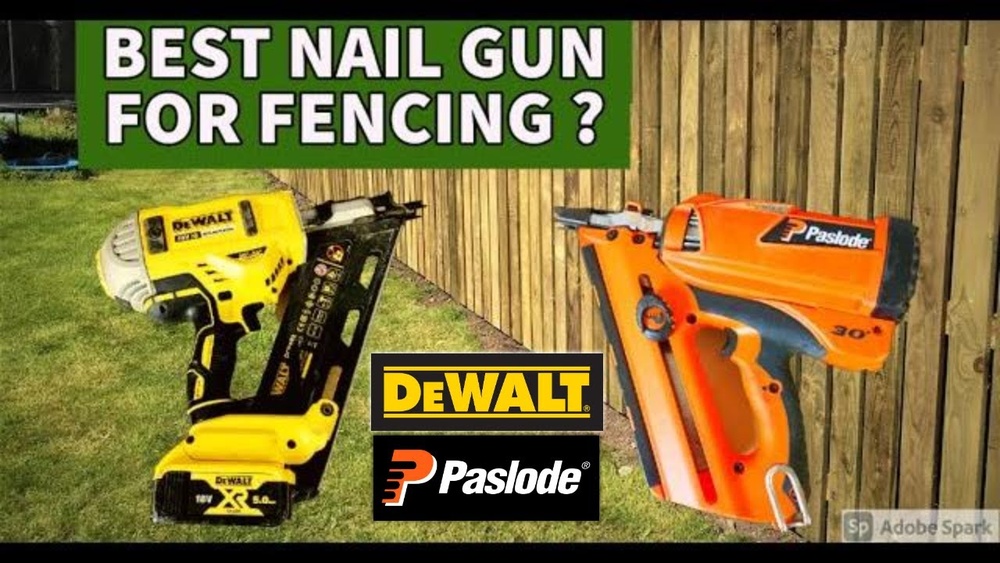
Can I Use a Nail Gun for Fencing? My Honest Experience & What You Should Know
When I first started building my backyard fence, I pictured myself finishing it in a weekend, smiling with a cold drink by Sunday evening. But after hammering the first few boards by hand, my arms felt like noodles. That’s when I wondered: Can I use a nail gun for fencing? It sounded like the perfect shortcut. If you’re thinking about using a nail gun for your fence, let me share what I learned—the good, the bad, and the things nobody told me before I started.
Why People Consider Nail Guns For Fencing
Before I tried a nail gun, I used the classic hammer-and-nails routine. It works, but it’s slow. I read online that nail guns save time, reduce hand strain, and give cleaner results. My neighbor even finished his whole fence in a single day with a nail gun. That made me want to try it myself.
But I quickly learned there’s more to it than just speed. Nail guns offer:
- Consistent nail depth (less risk of nails poking out)
- Faster installation (I cut my build time in half)
- Less fatigue (my hands weren’t sore at the end of the day)
Yet, there were also things I wish I’d known before picking up the tool.
Types Of Nail Guns And Fencing: What Works And What Doesn’t
Not all nail guns are the same. During my project, I learned that some models are much better for fencing than others. Here’s what I found out.
| Type of Nail Gun | Best Use | Strengths | Weaknesses |
|---|---|---|---|
| Framing Nailer | Fence rails, posts | Drives large nails, high power | Heavy, can split thin boards |
| Finish Nailer | Trim, decorative fencing | Clean finish, lightweight | Nails too thin for structural parts |
| Brad Nailer | Small panels, thin trim | Precise, light duty | Not strong enough for fence pickets |
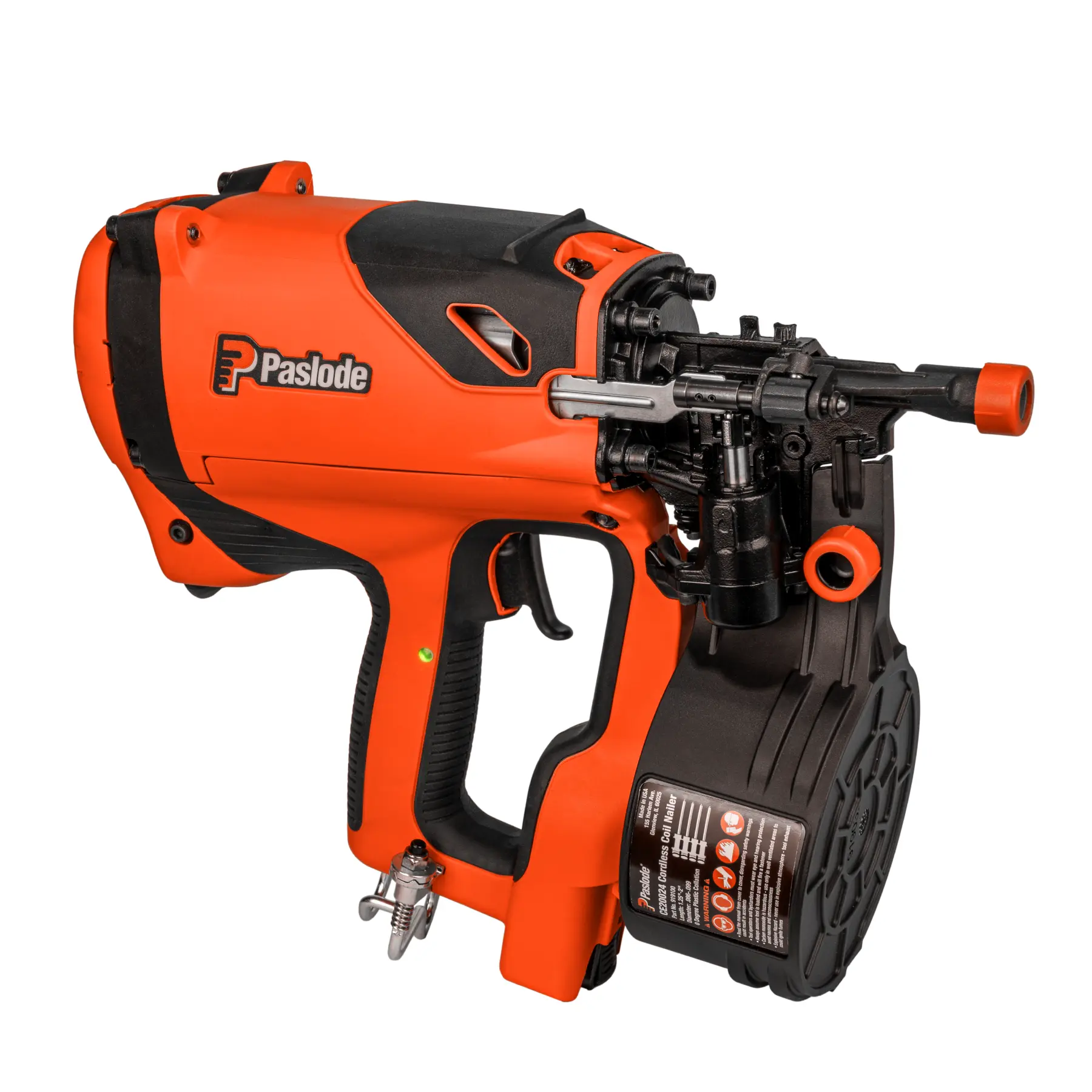
From my experience, a framing nailer is the best choice for fence building. It handles thicker nails and tougher wood. I tried a finish nailer for a few pickets, but they wobbled after just a few days.

Choosing The Right Nails For Fencing
Nail guns need the right nails. I made the mistake of using nails meant for indoor trim—my fence boards started to rust quickly.
For fencing, the best nails are:
- Galvanized or stainless steel (won’t rust)
- 2 to 3.5 inches long (for secure hold)
- Ring-shank if possible (better grip)
Here’s a quick comparison of nail types I tried:
| Nail Type | Rust Resistance | Holding Strength | Best For |
|---|---|---|---|
| Galvanized | High | Strong | Outdoor fencing |
| Stainless Steel | Very High | Strong | Coastal areas, wet climates |
| Bare Steel | Low | Moderate | Indoor use only |
After a rainy week, the fence sections I built with galvanized nails looked perfect. The ones with regular nails showed ugly orange streaks.
How To Use A Nail Gun For Fencing (step-by-step)
If you’re new to nail guns, using one for fencing can feel a bit intimidating. Here’s my step-by-step process, including the small things I wish I’d known sooner:
- Wear safety gear. Eye protection is a must. Wood splinters and nails can fly.
- Set up your compressor (if it’s a pneumatic nailer). Make sure hoses don’t trip you.
- Load the nail gun with the right nails—double check the length and type.
- Position the fence board where you want it. I found using a spacer block made everything much straighter.
- Hold the nail gun at a right angle to the wood. If you tilt it, the nail may shoot out the side.
- Press firmly and pull the trigger. Don’t rush—let the tool do the work.
- Check depth settings. Some nail guns let you adjust how deep the nail goes. Too deep, and you’ll split thin pickets; too shallow, and the nail will stick out.
- Move to the next board and repeat.
One thing I learned: take breaks to check your work. Once, I got into a rhythm and nailed a whole section crooked!
Advantages I Noticed With A Nail Gun
After building about half my fence with a nail gun, I saw some big benefits:
- Speed: I finished picket sections in minutes, not hours.
- Consistency: Every nail sat flush—no more bent nails or hammer marks.
- Less fatigue: My hands and wrists didn’t ache at the end of the day.
- Stronger hold: Using ring-shank galvanized nails, the boards felt rock-solid.
If you’re fencing a large area, a nail gun really is a game-changer.
Downsides And Surprises You Should Know
But it wasn’t all perfect. Here’s what I wish someone had warned me about:
- Splitting boards: If the nail gun is too powerful, thin boards can split. I cracked a few cedar pickets before I adjusted the settings.
- Jams and misfires: Cheap nails or dirty guns can jam. I lost a lot of time clearing jams.
- Cost: Buying or renting a nail gun isn’t cheap. Factor in the price of nails and a compressor if you use a pneumatic model.
- Noise: Nail guns are loud. If you have close neighbors, warn them before you start.
I also discovered that nail guns can’t always reach tight corners or awkward spots. Sometimes, I still needed my old hammer.
Comparing Nail Gun Vs. Hammer For Fencing
I tried both methods. Here’s how they really stack up:
| Feature | Nail Gun | Hammer |
|---|---|---|
| Speed | Very Fast | Slow |
| Consistency | High | Varies |
| Noise | Loud | Moderate |
| Cost | Expensive | Cheap |
| Skill Needed | Easy to learn | Basic |
| Best For | Large projects | Small repairs |
If you have only a few boards to fix, a hammer works fine. But for a whole fence, the nail gun wins for speed and quality.
Common Mistakes I Made (so You Don’t Have To)
Nobody likes to admit mistakes, but I made a few—and learned a lot.
- Wrong nails: I used regular steel nails at first. They rusted fast.
- Skipping safety gear: I once got a splinter in my eye. Don’t risk it.
- Not checking alignment: Firing nails too fast led to uneven boards.
- Ignoring depth settings: My first few boards split because I didn’t adjust the power.
If you avoid these, your fencing job will go much smoother.

Key Tips For Better Fencing With A Nail Gun
Here are some lessons that made my second fence project much easier:
- Test on scrap wood first to check nail depth and splitting.
- Use a spacer block for even gaps between pickets.
- Keep your nail gun clean to avoid jams.
- Alternate nail patterns to reduce wood splitting (don’t fire all nails in a straight line).
- Have extra nails on hand—running out mid-project is frustrating.
One insight that surprised me: If your wood is wet from rain, nails are more likely to split boards as they dry out. I now wait for dry weather before starting.
When A Nail Gun Isn’t The Best Choice
As much as I love my nail gun, it’s not always the answer. Here’s when I skip it:
- Very old or brittle wood: Nail guns can shatter it.
- Delicate trim work: Hammers give more control.
- Tiny repairs: It’s faster to grab a hammer for just one or two boards.
For most full fence builds, though, the nail gun is hard to beat.
Safety Reminders From My Own Mistakes
Working with a nail gun can be risky. I got careless once and shot a nail through my finger—luckily it was just a graze. Always:
- Wear eye protection
- Keep fingers away from the firing area
- Never bypass safety features
- Don’t use a nail gun when tired
If you’re new, watch a few safety videos before starting. Trust me, it’s worth the time. For more on nail gun safety, check out this helpful guide from the U.S. Occupational Safety and Health Administration (OSHA).
The Bottom Line: Should You Use A Nail Gun For Fencing?
After building fences both ways, I can honestly say: Yes, you can use a nail gun for fencing—and it’s a huge time-saver. Just make sure you:
- Pick the right type of nail gun (framing nailer is best)
- Use outdoor-rated nails (galvanized or stainless steel)
- Adjust your settings to avoid splitting wood
- Stay safe and check your work as you go
If you’re building a large or even medium-sized fence, the nail gun is worth it. For tiny fixes, a hammer is fine.
Frequently Asked Questions
Can I Use A Brad Nailer For Fencing?
No, a brad nailer is too weak for most fence jobs. The nails are thin and short, so boards can fall off after a few months. It’s better for indoor trim or small craft work.
Are Nails Better Than Screws For Fencing?
Each has pros and cons. Nails are faster and more flexible (wood can expand and contract). Screws hold tighter but take much longer to install. For most fences, galvanized nails are the standard.
What Size Nail Gun Do I Need For Fencing?
A framing nailer that shoots 2 to 3.5 inch nails is ideal. Smaller nailers may not hold boards securely, while bigger tools are heavy and hard to control.
Will A Nail Gun Damage Fence Boards?
If the settings are too high or you use the wrong nails, a nail gun can split boards. Always test on scrap wood and adjust the depth.
How Do I Stop Fence Nails From Rusting?
Use galvanized or stainless steel nails. They are made to resist rust, even in wet weather. Avoid plain steel nails—they will rust and stain your fence.
Building a fence was a lot more fun (and a lot less tiring) once I started using a nail gun. I hope my experience helps you decide what works best for your project. If you follow these tips, you’ll end up with a fence that looks great and lasts for years.