
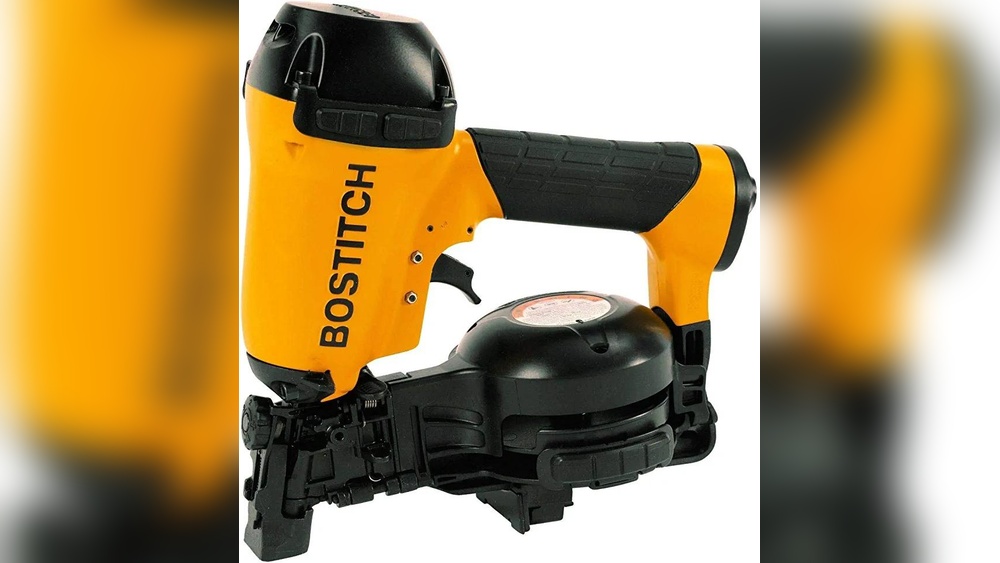
Can I Use A Nail Gun For Drywall?
If you’re tackling drywall for the first time, you might wonder: Can I use a nail gun for drywall? I asked myself the same thing when I started my first home renovation. I had seen nail guns in action on TV, making everything look fast and easy. But when it comes to drywall, things aren’t always as simple as they seem. In this article, I’ll share my real experiences, what I learned (sometimes the hard way), and what you really need to know if you’re thinking about grabbing a nail gun for your drywall project.
Why People Consider Using A Nail Gun For Drywall
When I began working with drywall, I wanted speed. Using a hammer and nails felt slow and tiring. I thought, “A nail gun will save me so much time!” And yes, it’s tempting. Nail guns are powerful and can drive fasteners in seconds.
But there are a few reasons people consider this idea:
- Speed: Nail guns are much faster than hand-nailing.
- Consistency: Every nail goes in at the same depth.
- Less fatigue: No sore arms after hours of hammering.
Still, drywall is a bit different from wood framing. Let’s look at why.
How Drywall Is Usually Attached
The standard way to hang drywall is with drywall screws and a screw gun or drill. Most pros use screws because:
- Screws hold better over time.
- They’re less likely to pop out.
- They don’t damage the drywall paper as easily.
I learned this after trying nails and seeing little bumps appear on my finished walls a few weeks later. These bumps are called “nail pops,” and they’re a common problem when using nails instead of screws.
Types Of Nail Guns And Their Uses
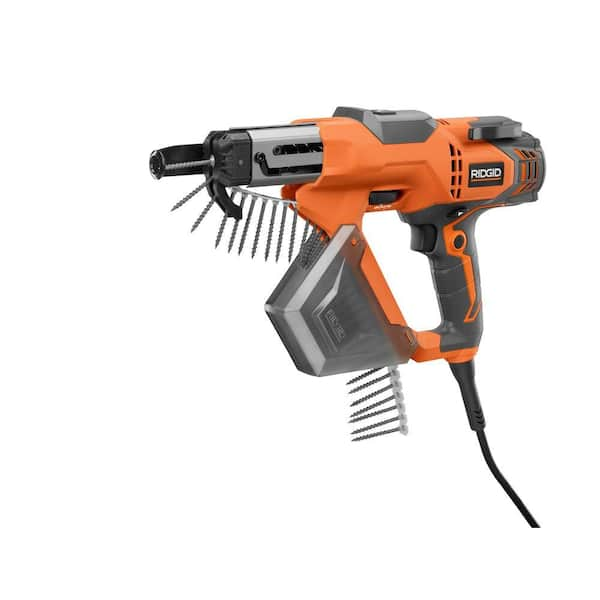
I didn’t realize at first, but not all nail guns are the same. Here’s a quick overview of the main types I’ve used or seen used:
| Type | Common Use | Can It Attach Drywall? |
|---|---|---|
| Framing Nailer | Building walls, decks, framing | No (too strong, may damage drywall) |
| Finish Nailer | Trim, molding, light carpentry | Possible, but not ideal |
| Brad Nailer | Light trim, small projects | No (nails too small/weak) |
| Drywall Screw Gun | Drywall installation | Yes (designed for drywall) |
I actually tried using a finish nailer once for drywall, and I’ll explain what happened below.
What Happened When I Used A Nail Gun For Drywall
I was curious and a bit impatient, so I tried a finish nailer on a small closet wall. It was fast and felt great at first. But after a few days, I noticed problems:
- Some nails pushed right through the paper surface.
- A few nails didn’t hold well and created loose spots.
- After a month, the wall had nail pops and cracks along the seams.
I realized the nail gun’s force was hard to control. If the pressure was too high, the nail shot straight through the drywall. Too low, and the nail didn’t sink in enough. This made my job harder in the end.
The Risks Of Using A Nail Gun On Drywall
From my experience and after talking with a few pro contractors, here are the main risks:
- Nail pops: Drywall moves over time, especially with changes in temperature or humidity. Nails can loosen, creating bumps in your finished wall.
- Breaking the drywall paper: Nail guns can drive nails too deep, tearing the paper layer. This weakens the wall and makes mudding (joint compound application) harder.
- Unsafe holding power: Nails don’t grip as well as screws. Over time, this can cause panels to sag or crack.
- Building code problems: Many areas require drywall to be attached with screws, not nails, for safety and durability reasons.
- Harder to patch mistakes: If you make a mistake with a nail gun, it’s harder to patch than a screw hole.
I’ve personally spent more time fixing these issues than I saved by using the nail gun in the first place.
When Might A Nail Gun For Drywall Be Okay?
While I don’t recommend using a nail gun for full drywall installation, there are a few special situations where it might be acceptable:
- Temporary mounting: If you need to hold a sheet in place before screwing it, a couple of nails with a nail gun can help.
- Ceiling installations: Some pros use a few ring-shank nails to temporarily hold drywall on ceilings before screwing.
- Old house repairs: In homes with plaster and lath, sometimes nails are used for patching, but even then, screws are usually better.
But for most modern drywall jobs, screws win every time.
What Tools Work Best For Drywall?
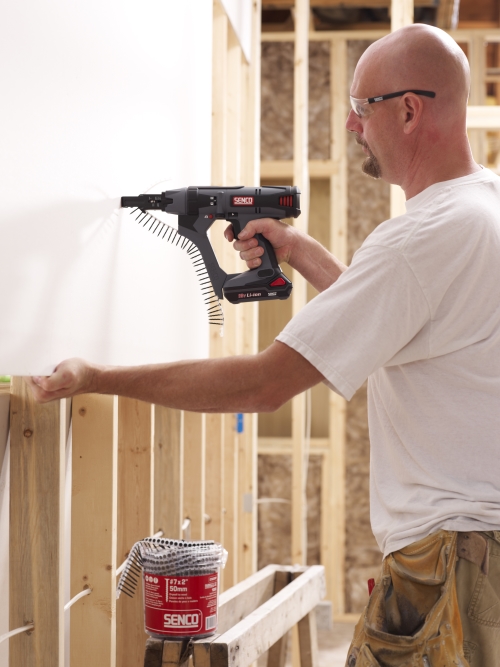
After learning from my mistakes, I switched to using a drywall screw gun. This tool is made for drywall. It sets screws to the perfect depth, quickly and neatly. Here’s how it compares to a nail gun for drywall:
| Feature | Drywall Screw Gun | Nail Gun |
|---|---|---|
| Holding Power | Excellent | Fair |
| Speed | Very Good | Very Good |
| Risk of Damage | Low | High |
| Building Code | Approved | Not recommended |
| Long-Term Results | Smooth, strong | Possible pops, cracks |
If you don’t have a screw gun, a regular drill with a drywall bit works pretty well, too.
Screws Vs Nails: Which Is Better For Drywall?
Here’s why screws are almost always better for drywall than nails:
- Screws grip the wood or metal studs tightly. They’re less likely to back out.
- Screws rarely cause “pops” if installed at the right depth.
- Most building codes require screws for fire resistance and strength.
- Drywall screws are easy to remove or adjust if you make a mistake.
I used to think nails would be faster, but fixing mistakes took much longer than just using screws in the first place.
Common Mistakes When Attaching Drywall
If you’re learning, here are some errors I made (so you don’t have to):
- Using too few fasteners: Drywall needs to be attached every 12-16 inches along studs.
- Driving fasteners too deep: This breaks the paper and weakens the hold.
- Placing fasteners too close to edges: This can crack the drywall.
- Not using the right tool: Nail guns can be hard to control for drywall. Screw guns or drills are best.
The first time I hung drywall, I put screws too close together and cracked the board. It’s an easy mistake!
How To Attach Drywall Properly (step-by-step)
Let me share my simple process that works every time:
- Measure and cut drywall sheets to fit the wall or ceiling.
- Hold the sheet in place (with a friend, a lift, or temporary nails if needed).
- Start in the center of the sheet and drive screws into studs every 12-16 inches.
- Check depth: The screw head should slightly dimple the paper, but not break through.
- Move to the edges, keeping screws at least 3/8 inch from the edge.
- Repeat for all sheets.
- Fill screw holes with joint compound, then tape and finish seams.
This method gives a smooth, strong wall that looks good for years.
What About Special Drywall Nail Guns?
Some companies advertise “drywall nailers. ” I tried one out of curiosity. They are rare, and it’s hard to find nails designed just for drywall. The tool worked, but I still got a few pops and the finish wasn’t as clean as with screws.
If you already own a nail gun, I’d recommend saving it for other jobs, not drywall.
Building Code And Inspection Concerns
I didn’t realize this until I talked to an inspector, but many cities require drywall to be attached with screws, not nails. If you use a nail gun and plan to sell your home, you might have to redo the work.
It’s always good to check your local code before starting.
You can read more about building codes for drywall at Family Handyman.
My Honest Advice (from Experience)
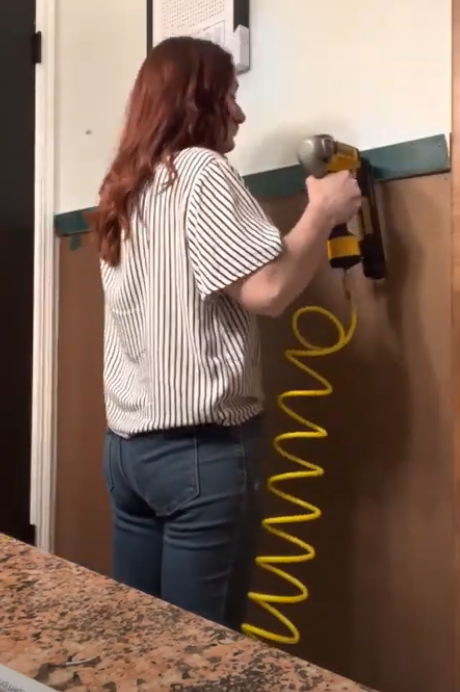
If you’re thinking about using a nail gun for drywall, I suggest you skip it. It might seem faster, but the risks and extra work just aren’t worth it. Use drywall screws and a screw gun or drill. Your walls will be smoother, stronger, and you’ll have fewer headaches in the future.
If you’re just patching a small area, nails might work in a pinch, but for any real project, use screws. Trust me—your future self will thank you.
Frequently Asked Questions
Can I Use A Finish Nailer For Drywall?
You can, but I don’t recommend it. Finish nailers can damage the drywall paper and don’t hold as well as screws. You’ll likely get nail pops and cracks later.
Are There Any Special Nails For Drywall?
There are “drywall nails,” but they’re usually used with a hammer, not a nail gun. Most pros and building codes now prefer screws for better holding power and long-term results.
What Happens If I Use A Nail Gun On Drywall?
You may see nail pops, loose boards, or cracked seams over time. Nail guns can drive nails too deep, breaking the drywall paper and weakening the panel.
Is It Faster To Use A Nail Gun Or Screw Gun For Drywall?
A nail gun might seem faster at first, but you’ll spend more time fixing mistakes. A screw gun is almost as fast and gives a better, longer-lasting result.
Can I Use A Nail Gun For Ceiling Drywall?
Some pros use a few ring-shank nails to help hold ceiling drywall while screwing it, but nails alone aren’t strong enough for ceilings. Always finish with screws for a safe and solid ceiling.
Hanging drywall is a big job, but the right tools make all the difference. From my own experience, I can say that using screws—and skipping the nail gun—will give you better walls and fewer problems for years to come.