
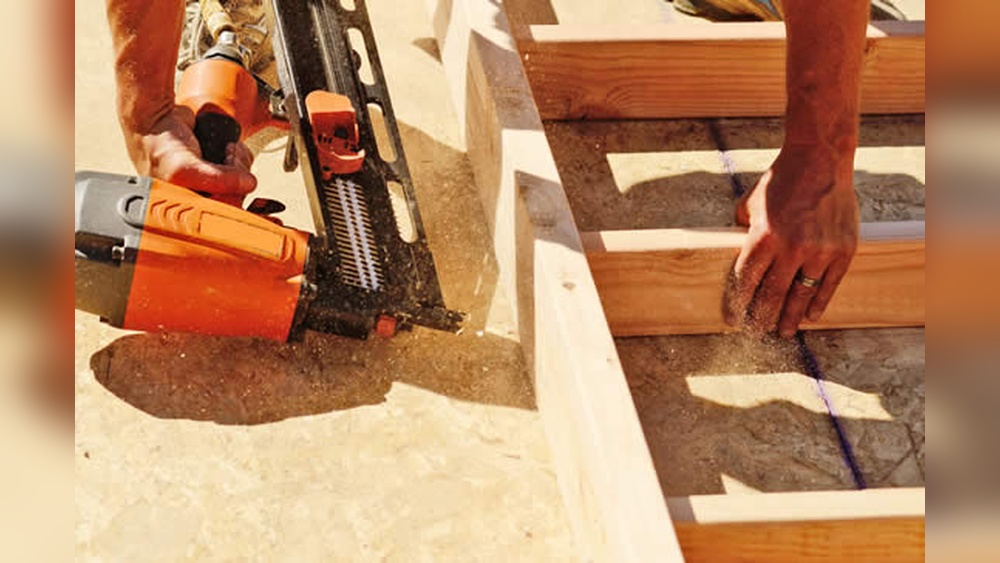
When I decided to build my own deck, I had a simple question: Can I use a nail gun for decking? I wanted my project to go smoothly, look good, and last for years. I’d heard different things from friends, online forums, and even at hardware stores. Some people swore by nail guns for speed, while others warned me about future headaches. I’ll share what I learned, what I tried, and what actually worked. If you’re thinking about using a nail gun for your deck, my experience might save you some trouble.
Why Consider A Nail Gun For Decking?
When you’re staring at stacks of lumber, the idea of hammering hundreds or even thousands of nails by hand can feel overwhelming. Nail guns promise to make decking faster and easier. That’s what drew me in—speed and less physical effort. With a nail gun, you can fix boards in seconds. If you’ve ever tried to keep a board still while balancing a nail and hammer, you know how much this matters.
But is it really that simple? Before I started, I asked myself these questions:
- Will a nail gun give a strong hold for deck boards?
- Will the nails stay put over time?
- Is it safe for beginners?
- What could go wrong?
Types Of Nail Guns For Decking
I learned that not all nail guns are equal. Here’s what I found about the main types you might consider:
| Nail Gun Type | Best Use | Pros | Cons |
|---|---|---|---|
| Framing Nailer | Deck framing, joists | Powerful, handles big nails | Can split deck boards, heavy |
| Finish Nailer | Trim, light work | Lightweight, clean finish | Nails are too thin for decking |
| Coil Nailer | Deck boards (some models) | Holds many nails, rapid fire | Can be expensive, heavy |
For deck boards, framing nailers are the most common. But not every framing nailer is ideal for surface nailing boards. Some coil nailers are made for exterior work and can handle the job, but you need the right nails. Finish nailers should not be used—they just aren’t strong enough.
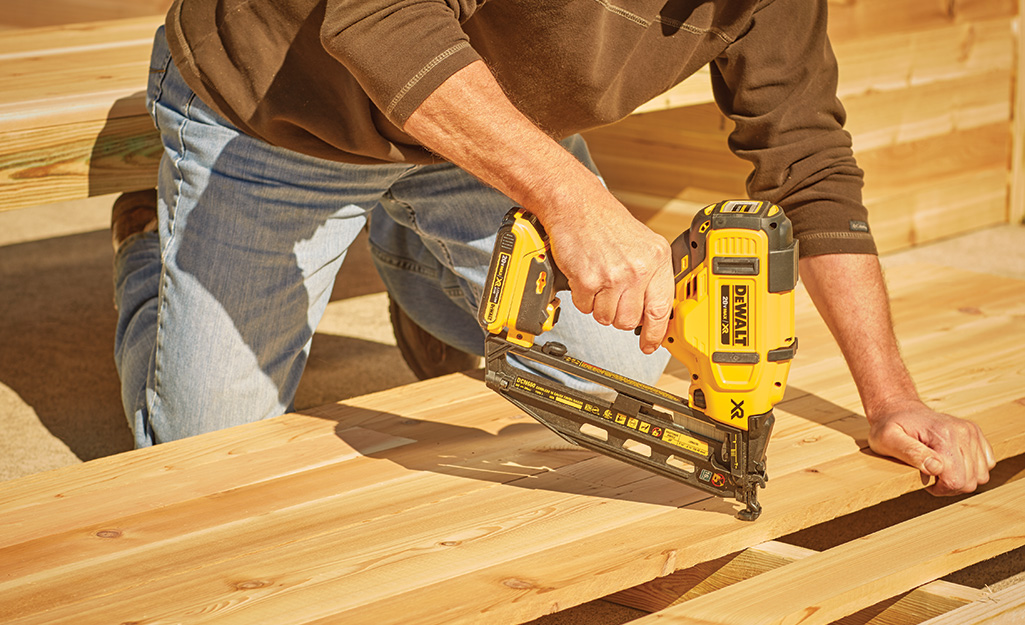
Nails Vs Screws For Decking: What Matters Most
I quickly realized that the real debate is often nails vs screws for decking, not just the tool itself. Here’s what matters:
- Holding power: Screws grip better. They’re less likely to pop up over time.
- Shear strength: Nails bend before breaking, which can help in some situations.
- Deck movement: Wood expands and contracts with weather. Screws can snap if the wood moves a lot, but nails can work loose.
- Code requirements: Some local building codes require screws for deck boards.
After talking with a contractor friend, I learned that deck screws are the gold standard for surface decking. They’re slower to install, but they almost never pop up. Nails are often used for framing—the parts you don’t see.
My First Deck Experience With A Nail Gun
I decided to try a framing nailer for my first deck. I borrowed one from a neighbor and bought a box of hot-dipped galvanized nails (these resist rust). Here’s what I found:
- Lining up the boards was quick with a nail gun.
- The gun drove nails in fast, but sometimes too deep.
- A few boards cracked, especially near the ends.
- I had to stop several times to reload nails.
- About two weeks after finishing, a few nails started to pop up.
Honestly, the deck looked fine at first. But over the next year, I noticed more nails popping up. Some boards had started to wiggle. I learned that nail guns can work for decking, but there are trade-offs. If you want a deck that stays solid, there are better ways.
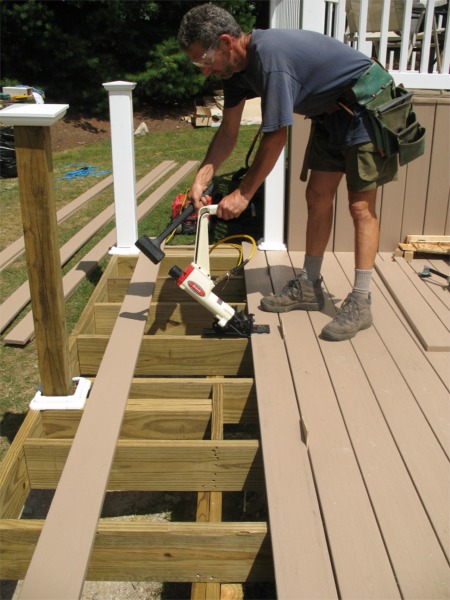
When A Nail Gun For Decking Makes Sense
Still, there are times when using a nail gun for decking works well:
- Temporary decking: If you’re building a surface that won’t last forever, a nail gun is fast.
- Hidden fastening systems: Some special nailers shoot nails at an angle, hiding them in the board’s edge.
- Pressure-treated lumber: Nails work better with some types of wood, especially if you use ring-shank nails.
- Budget: Nails and nail guns are often cheaper than screws and screw guns.
But if you want a deck that looks great and stays solid for years, I’d think twice.
Mistakes I Made (and How You Can Avoid Them)
Let me be honest. I made some rookie mistakes. Here’s what I wish I’d known before using a nail gun for decking:
- Used the wrong nails: Not all nails are equal. Galvanized or stainless steel are a must for outdoor decks.
- Nailed too close to the edge: This split the boards. Always keep nails at least 3/4” from the edge.
- Didn’t adjust the nail gun depth: Some nails went in too deep, leaving ugly holes. Test on scrap wood first.
- Missed some joists: It’s easy to fire quickly and miss. Mark your joists before you start.
- Didn’t check local codes: Some towns require screws for decking. I almost had to redo my work.
Real-world Results: Nails Vs Screws
After two years, I saw real differences between the deck I nailed and a deck my friend built with screws. Here’s a quick comparison:
| Feature | Nail Gun Deck | Screw Deck |
|---|---|---|
| Installation Time | Fast (1 weekend) | Slower (2 weekends) |
| Board Movement | Some boards loose after 1 year | Boards stayed tight |
| Nail/Screw Pops | 10+ popped up | None |
| Looks | Good (at first) | Excellent |
| Repair Needed | Yes (reset nails) | No |
That’s when I understood why pros and inspectors recommend deck screws for decking surfaces. For framing, though, a nail gun is still a lifesaver.
Safety Tips For Using A Nail Gun On Decks
Nail guns are powerful tools, but they can be dangerous. I learned a few safety tips:
- Wear safety glasses—nails can bounce or split wood.
- Keep hands away from the nail path—I almost shot myself once by accident.
- Check for jams often. A jammed nail can fire unexpectedly.
- Don’t rush. Firing too fast leads to mistakes and split boards.
Even experienced builders make mistakes with nail guns. Take your time.

Pros And Cons Of Using A Nail Gun For Decking
Here’s a simple list of what I found works—and what doesn’t—when using a nail gun for decking.
Pros
- Speed: You can fasten boards in seconds.
- Less effort: No sore arms from hammering for hours.
- Consistent nailing: Depth can be adjusted (with practice).
- Good for framing: Great for the parts you won’t see.
Cons
- Nails may pop up: Boards can loosen over time.
- Board splitting: Easy to split boards if not careful.
- Less holding power: Screws hold deck boards tighter.
- May not meet code: Some areas require screws.
- Harder to fix mistakes: Removing nails is tough.
Decking Materials And Fastener Choice
Not all decks are built with the same wood. Here’s what I learned about decking materials and fasteners:
- Pressure-treated pine: Nails work, but screws are better for long life.
- Cedar or redwood: Use stainless steel screws to avoid staining.
- Composite decking: Never use a nail gun—composites need special screws.
- Hardwoods: Pre-drill and use screws. Nail guns can split these boards.
Choosing the right fastener for your decking material is important. The wrong choice can ruin your deck or shorten its life.
Are There Nail Guns Made For Decking?
I discovered that there are special nailers for decking, especially those using clip systems or hidden fasteners. These tools are made for speed but often require proprietary nails or clips. For example, some coil nailers shoot nails at an angle to hide them in the edge of the board. These systems can look great, but they cost more and aren’t always available everywhere.
My Final Recommendation: Should You Use A Nail Gun For Decking?
If you want the short answer: Yes, you can use a nail gun for decking, but it’s not always the best choice.
If speed is your top priority, and you’re building a deck you don’t need to last forever, a nail gun is fine. But if you want a deck that stays tight, looks good for years, and won’t give you headaches, use deck screws for surface boards. Save the nail gun for framing.
If you decide to use a nail gun:
- Use hot-dipped galvanized or stainless steel nails.
- Test the nail depth on scrap wood.
- Stay at least 3/4” from the edge.
- Check your local building codes.
- Go slow and check your work as you go.
Building a deck is a big project, but the right tools make a huge difference. I hope my experience helps you make the best choice for your project. If you want more technical details, you can check out this Family Handyman guide.
Frequently Asked Questions
Can I Use A Finish Nailer For Decking Boards?
No. Finish nailers shoot thin nails that don’t have enough holding power for deck boards. They’re made for trim and light woodwork, not for outdoor decks that take a lot of abuse.
Do Nail Guns Damage Deck Boards?
They can. If you fire nails too close to the edge, or if the gun is set too deep, you may split the wood or leave deep holes. Always test on scrap wood and adjust the tool before starting your deck.
Are There Codes About Nails Or Screws For Decking?
Yes, in many areas. Some building codes require deck screws for surface boards because they hold better and are safer. Always check your local building codes before starting.
What Type Of Nails Should I Use For Decking?
For decking, use hot-dipped galvanized or stainless steel nails. These resist rust and last longer outdoors. Never use plain steel nails—they’ll rust and stain your deck.
Is A Nail Gun Safe For Beginners?
A nail gun can be safe if you follow instructions, wear safety gear, and work slowly. But it’s powerful. Always keep hands away from the firing area and never bypass safety features.
Building a deck is a big job, but choosing the right fasteners will make your deck last longer and look better. Good luck with your project!