
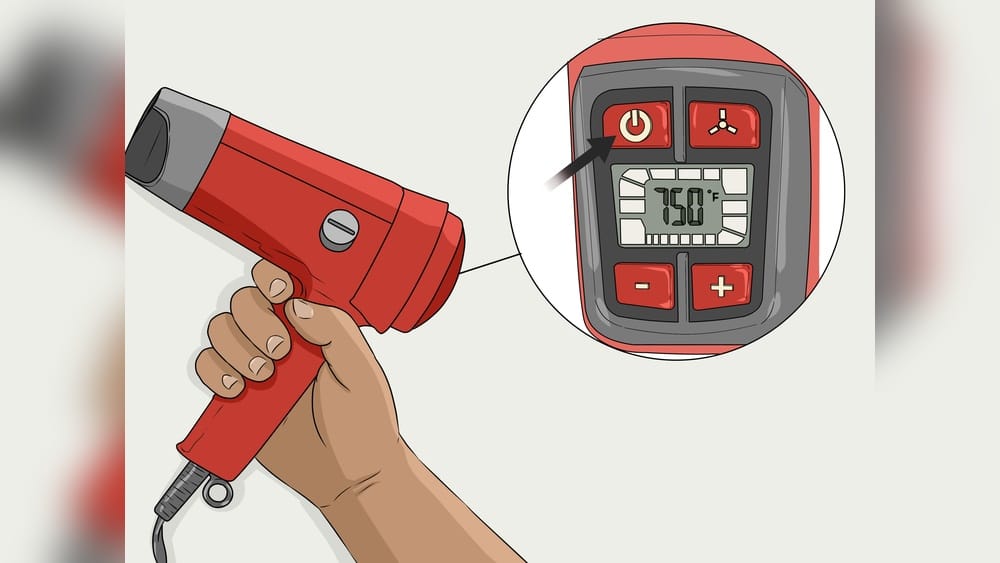
Painting is one of those jobs that feels rewarding, but waiting for paint to dry can test anyone’s patience. If you’re like me, staring at a wall or a small project, wondering, “Can I use a heat gun to dry paint?
”—you’re not alone. I’ve been in that exact spot, holding a heat gun, hoping to speed things up. Over time, I learned a lot about what works, what can go wrong, and how to do it safely. Let me walk you through everything I’ve discovered about using a heat gun to dry paint.
Can You Use A Heat Gun To Dry Paint?
The short answer is yes, you can use a heat gun to dry paint. I’ve done it several times, especially when I was in a hurry or dealing with multiple coats. However, just because you can, doesn’t always mean you should—at least not without understanding the risks and techniques involved.
A heat gun blows hot air, like a very strong hairdryer. This hot air speeds up the evaporation of water or solvents in the paint. In my experience, it can make a big difference in drying time, especially for small areas or touch-ups.
But it’s important to use the right settings and methods, or you could end up with more problems than you started with.
How Does A Heat Gun Affect Paint Drying?
When I first tried using a heat gun, I was amazed at how quickly the surface dried. The heat causes the moisture or solvents in the paint to evaporate faster, which means the paint feels dry to the touch much sooner. This can be especially useful for water-based paints, like acrylic or latex.
But here’s what I learned: drying and curing are not the same. Drying means the paint is no longer wet, but curing means it has fully hardened and reached its best durability. Using a heat gun speeds up drying, but it doesn’t always help with proper curing.
Some paints, especially oil-based ones, need time for chemical reactions to finish. If you rush this with too much heat, the top layer might harden, but the inside stays soft. I once painted a wooden shelf and used a heat gun—on the outside, it was dry, but when I placed books on it, the paint underneath was still soft and sticky.
When Does Using A Heat Gun Make Sense?
There are times when a heat gun is honestly a lifesaver. Here are a few situations where I found it helpful:
1. Small Projects
When I painted a picture frame or a patch on the wall, a heat gun helped me finish in one day instead of waiting overnight.
2. Cold Or Humid Weather
Paint takes longer to dry when it’s cold or damp. A heat gun helped me avoid waiting hours or even days, especially in rainy seasons.
3. Multiple Coats Needed Fast
For crafts or DIY jobs that needed two or three coats, using a heat gun let me recoat much sooner.
But for big surfaces like walls or ceilings, I found it’s not practical. The process is slow, and it’s easy to miss spots or overheat areas.
How To Use A Heat Gun To Dry Paint Safely
If you’re thinking about trying this, let me share the steps that worked best for me. Safety and technique really matter here.
1. Choose The Right Heat Gun Setting
Most heat guns have multiple temperature settings. I always start with the lowest setting (usually around 120–200°C or 250–400°F). High heat can scorch paint or wood, and even cause fires.
2. Keep A Safe Distance
I hold the heat gun about 6 to 12 inches away from the surface. If you get too close, you risk bubbling or burning the paint. I learned this the hard way with a wooden chair—got too close, and the paint wrinkled right up.
3. Move Constantly
Never hold the heat gun in one spot for too long. I move it back and forth, like using a hairdryer. This spreads the heat and prevents damage.
4. Watch For Signs Of Overheating
If you see the paint bubbling, turning yellow, or cracking, stop immediately. These are signs you’re using too much heat.
5. Ventilate The Area
Using a heat gun can make paint fumes stronger, especially with oil-based paints. I always open windows or use a fan to keep the air fresh.
6. Test Before You Go Big
If it’s your first time, test on a small, hidden spot first. That way, you can see how the paint reacts and adjust your technique.

Advantages Of Using A Heat Gun To Dry Paint
I found some real benefits to using a heat gun, especially when time was short.
- Faster surface drying: I could touch up and recoat much sooner.
- Better control: Unlike a heater or hairdryer, a heat gun lets me direct heat right where I want it.
- Works in tough conditions: Humid or cold weather isn’t a problem.
- Useful for small repairs: Quick fixes, like patching a scratch, are much faster.
Drawbacks And Risks To Consider
It’s not all good news, though. There are downsides and risks you should be aware of before trying this method.
- Uneven drying: The top layer may dry while the paint underneath is still wet.
- Paint damage: Too much heat causes bubbling, cracking, or discoloration.
- Fire hazard: Paint fumes are flammable, and heat guns get very hot.
- Reduced paint quality: Rapid drying can make the paint less smooth or even cause peeling later.
I once ruined a drawer front by drying it too quickly. The surface looked fine at first, but a week later, the paint started to peel off in sheets.
Comparing Heat Gun Drying To Other Methods
I’ve tried a few different ways to speed up paint drying. Here’s how a heat gun stacks up against other common methods I’ve used:
| Method | Drying Speed | Risk Level | Best For |
|---|---|---|---|
| Heat Gun | Very Fast (minutes) | High | Small areas, touch-ups |
| Hairdryer | Fast (minutes to hour) | Medium | Small crafts, light coats |
| Fan | Medium (hours) | Low | Rooms, larger surfaces |
| Natural Air | Slow (hours to days) | Very Low | All paint jobs |
As you can see, a heat gun is the fastest, but it’s also the riskiest.
Best Types Of Paint For Heat Gun Drying
Not all paints handle heat the same way. Here’s what I’ve learned about different types:
| Paint Type | Heat Gun Compatibility | Notes |
|---|---|---|
| Latex (Water-based) | Good | Dries fast, less likely to bubble |
| Acrylic | Good | Great for crafts and art projects |
| Oil-based | Fair | Can skin over, but inner layers stay wet |
| Enamel | Poor | High risk of bubbling, strong fumes |
From my experience, latex and acrylic paints are the safest choices for heat gun drying. Oil-based and enamel paints are tricky; they can look dry but aren’t set inside.
Common Mistakes I’ve Made (so You Don’t Have To)
Over the years, I’ve made plenty of mistakes. Here are a few things I wish I knew sooner:
- Using too much heat: It’s tempting to crank up the temperature, but this almost always leads to problems.
- Holding the gun too close: Even an inch or two makes a difference. Keep your distance.
- Not moving the gun: Stopping in one spot will almost always cause bubbling.
- Skipping surface prep: Dust or grease on the surface makes drying uneven.
- Forgetting to ventilate: Strong paint fumes can build up quickly.
Paying attention to these details can save your project.
Tips For Getting The Best Results
If you decide to try a heat gun, here are some tips that worked well for me:
- Thin coats dry best: Apply several light coats instead of one thick layer.
- Let each layer cool: After using the heat gun, wait a few minutes before adding another coat.
- Start slow: Lower temperatures and more distance are safer.
- Use a timer: It’s easy to lose track of time. I usually set a timer so I don’t overdo it.
- Clean your gun: Paint dust can clog the nozzle, so I wipe it after each use.
When Should You Avoid Using A Heat Gun?
There are times when it’s better to wait for paint to dry naturally. From my own mistakes, I learned to avoid heat guns in these situations:
- Large surfaces: Too much chance of uneven drying.
- Delicate materials: Thin plastic or veneer can melt or warp.
- High-gloss or specialty paints: These often react badly to heat.
- Inexperienced users: If you’re not comfortable with power tools, practice on scrap before using on your main project.
Sometimes, patience really is the best tool you have.
Real-life Example: Drying A Painted Door
To give you a real-world scenario, I once repainted a bathroom door in winter. The house was cold and damp, and the paint just wouldn’t dry. I used a heat gun on low, keeping it about a foot away, and moved slowly from top to bottom.
The surface dried in under 20 minutes, and I was able to add a second coat the same day. But when I checked the edges a few days later, the paint was still soft underneath. I learned that for thick coats or tight corners, a heat gun only helps the surface—it doesn’t replace proper drying time.
Other Ways To Speed Up Paint Drying
If you’re not comfortable with a heat gun, there are safer ways to help paint dry faster:
- Increase air circulation with fans or open windows.
- Use a dehumidifier in damp rooms.
- Keep the temperature warm (but not hot).
- Apply thinner coats for quicker drying.
- Choose fast-drying paint when possible.
For more ideas on drying paint quickly, you can check out advice from reputable sources like This Old House.
Frequently Asked Questions

Can I Use A Heat Gun To Dry All Types Of Paint?
No, not all paints react well to heat. Latex and acrylic paints work best, while oil-based and enamel paints can have problems like bubbling or uneven drying.
Will A Heat Gun Help Paint Cure Faster, Not Just Dry?
A heat gun speeds up surface drying, but it doesn’t always help the paint fully cure. The inside may still be soft, especially with thick or oil-based paints.
Is It Safe To Use A Heat Gun Indoors?
It can be safe if you ventilate well and avoid flammable surfaces. Always keep the gun moving and don’t leave it unattended.
Can I Use A Hairdryer Instead Of A Heat Gun?
A hairdryer works for small projects, but it’s less powerful and slower than a heat gun. It’s also safer for beginners.
What’s The Biggest Risk Of Using A Heat Gun To Dry Paint?
The main risk is overheating the paint, which can cause bubbling, cracking, or fire hazards. Always use the lowest setting and keep the gun moving.
Using a heat gun to dry paint can be a real time-saver for small jobs, but it’s not without its risks. After many tries (and a few mistakes), I’ve learned that patience, caution, and the right technique make all the difference.
If you give it a try, remember to start slow, watch the paint closely, and always keep safety first. Sometimes, waiting is still the best way to get a beautiful, lasting finish.