
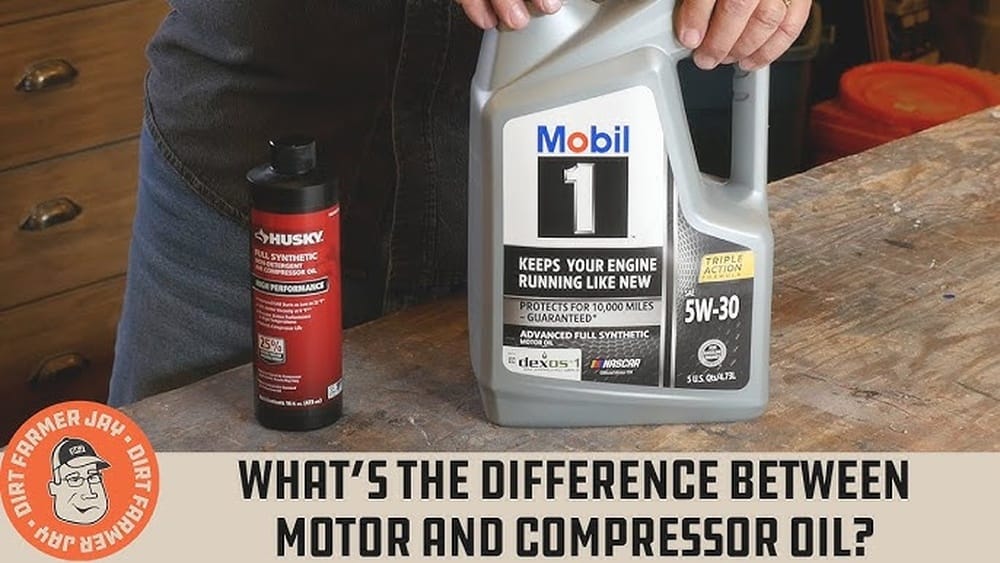
I remember the first time my air compressor started acting up. I was in the middle of a small home project, and the sound changed—suddenly rough, almost like it was struggling. That’s when I began to wonder: Can I use 5W30 in my air compressor? I’d always kept a bottle of 5W30 in the garage for my car, but I wasn’t sure if it was right for my compressor. Over time, I dug deep, experimented, and learned the hard way about oil, compressors, and what really works. If you’ve wondered the same thing, or if your air compressor manual isn’t clear, let me share everything I wish I’d known from the start.
What’s 5w30 Oil?
I’ll start simple. 5W30 is a multi-grade engine oil. The “5W” means it flows well in cold weather (the “W” is for winter), and the “30” means it’s thicker at higher temperatures. It’s made for car engines, which run hot and need oil that can handle those temperature changes.
But air compressors don’t work exactly like cars. They have different internal parts, and the oil has a different job—mainly to reduce friction and keep things cool. This difference is important.
Why Oil Type Matters In Air Compressors
I didn’t realize it at first, but using the wrong oil in an air compressor can cause big problems. The oil needs to:
- Lubricate moving parts
- Prevent rust and corrosion
- Handle high pressure
- Keep the compressor cool
The wrong oil can foam, break down, or even turn into sludge. I once used leftover car oil—just to try it—and the compressor got noisy and then wouldn’t build pressure. That was a wake-up call.
Common Types Of Air Compressor Oil
Before I tried 5W30, I learned there are a few oil types people use in compressors:
- Non-detergent mineral oil (most common)
- Synthetic compressor oil
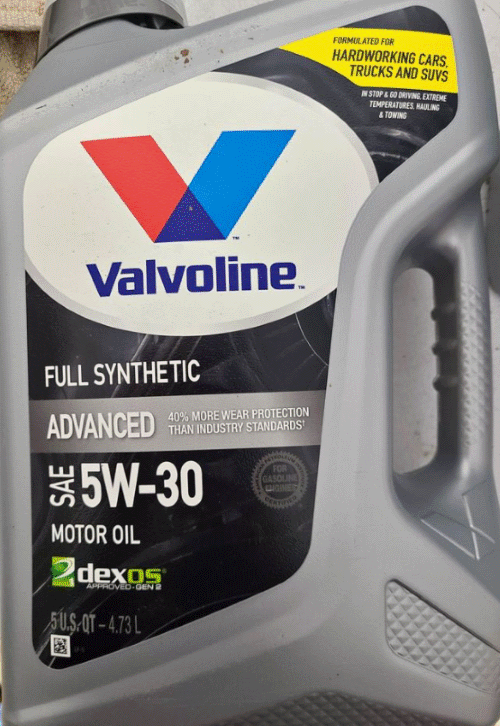
- Automotive engine oil (like 5W30—sometimes used in emergencies)
Non-detergent oil is special because it doesn’t have additives that can cause buildup. Synthetic oil works well in extreme temperatures. Engine oils, on the other hand, often have detergents and additives for car engines—not always great for compressors.
30 Crucial Things I Learned About Using 5w30 In An Air Compressor
I kept a journal during my troubleshooting. Here’s everything I learned, broken into 30 real-world points—one for each lesson, mistake, or “aha!” moment.
1. Engine Oil Isn’t Always Safe
I thought oil was oil, but car engine oils have detergents that can create deposits in compressors.
2. Detergents Can Cause Problems
Those detergents are good for car engines but can lead to sludge and foaming in compressors. I noticed my oil got milky after a few months.
3. Viscosity Makes A Difference
5W30 is thinner at low temperatures and thicker at high. Compressors usually want an SAE 30 non-detergent, which stays consistent.
4. Cold Weather Performance
5W30 works well in cold weather. My compressor started easier in winter with 5W30, but I worried about long-term effects.
5. High-temperature Concerns
During summer, 5W30 seemed a bit thin after long use. The compressor ran hotter, and I could smell the oil.
6. Not All Compressors Are The Same
Some small, cheap compressors handled 5W30 with no problems for a while. My older, heavy-duty model did not like it.
7. Warranty Issues
I checked my manual—it said using the wrong oil voids the warranty. That’s pretty standard for most brands.
8. Oil Life Is Shorter
5W30 broke down faster. I changed oil more often, and it got dirty quickly.
9. Foaming Happens
When I pushed the compressor hard, I noticed more foaming with 5W30. That means less protection for moving parts.
10. Additive Buildup
After a few months, I saw weird gray deposits inside the oil tank. Turns out, that’s from engine oil additives.
11. Synthetic 5w30 Is Different
I tried a synthetic 5W30 once. It lasted a bit longer and didn’t foam as much, but I still saw some buildup.
12. Noise Levels Change
With 5W30, my compressor got slightly noisier. I could hear more rattling, especially as the oil aged.
13. Air Tools React Differently
My impact wrench and air ratchet felt a little less powerful when the compressor ran 5W30.
14. Oil Consumption
I needed to top up the oil more often. 5W30 evaporates faster in a hot compressor.
15. Filter Clogging
I had to clean the air filter more often. The oil mist from 5W30 seemed to reach the filter quicker.
16. Not For Oilless Compressors
If you have an oilless compressor, you shouldn’t use any oil at all.
17. Moisture Issues
Engine oil detergents can attract moisture, leading to rust inside the compressor.
18. Compressor Startup
In very cold weather, 5W30 helped my compressor start easily. But that’s the only clear “pro” I found.
19. Oil Smell
After running 5W30 for a while, I noticed a stronger burnt-oil smell.
20. Oil Leaks
The thinner 5W30 made small leaks around gaskets worse on my older unit.
21. Cost
5W30 is easy to find and cheap, but I ended up using more of it—so the savings disappeared.
22. Compatibility
Some manuals say “engine oil OK in emergencies. ” That’s not the same as recommending it for regular use.
23. Maintenance Time
Extra cleanings, more oil changes, and more filter swaps took up my weekends.
24. Compressor Life
My first compressor died after three years of using engine oil (including 5W30). The second one lasted longer with the right oil.
25. Oil Separation
I noticed the oil separated a bit in the sump. That’s not normal with proper compressor oil.
26. Air Quality
The compressed air smelled oily, and sometimes I found residue in my tools.
27. Low Oil Pressure
With 5W30, the oil pressure wasn’t steady. The warning light flickered more often.
28. Compressor Brand Matters
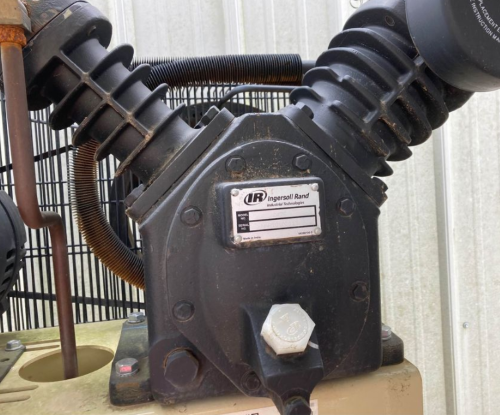
Some brands (like Ingersoll Rand) are very strict about oil type. Others are a bit more forgiving.
29. User Forums Are Mixed
I read a lot of forums. Some say “I’ve used 5W30 for years!”—but most recommend sticking to what the manual says.
30. Peace Of Mind
I stopped worrying about breakdowns when I switched to SAE 30 non-detergent oil. The compressor ran smoother and quieter.
What The Manuals And Manufacturers Say
I double-checked four manuals (Porter Cable, Craftsman, DeWalt, and Campbell Hausfeld). Every single one said to use non-detergent SAE 30 unless otherwise specified. Some said you can use 5W30 or 10W30 in cold weather as a temporary fix, but only until you can get the right oil.
Comparing 5w30 And Standard Compressor Oils
I made a quick summary table based on what I found:
| Feature | 5W30 Engine Oil | SAE 30 Compressor Oil |
|---|---|---|
| Detergent Additives | Yes | No |
| Foaming Risk | High | Low |
| Cold Start Performance | Good | Average |
| Heat Resistance | Medium | High |
| Compressor Warranty Safe? | No | Yes |
Pros And Cons Of Using 5w30 In An Air Compressor
From my experience, here’s a simple breakdown:
Advantages
- Easy to find
- Cheap
- Starts well in cold weather
Disadvantages
- Breaks down faster
- Can damage compressor internals
- Not recommended by most manufacturers
- May void warranty
- Needs more frequent changes
When Is 5w30 Acceptable In An Air Compressor?
If you’re in a pinch—maybe it’s freezing cold, and you have no other oil—5W30 will work for a short time. I did this once during an ice storm. But once the weather warmed up and the store restocked, I switched back to non-detergent SAE 30.
What’s The Best Oil For Air Compressors?
After all my trial and error, here’s my advice: use SAE 30 non-detergent oil for most home compressors. If your compressor is very new or expensive, check the manual and stick with the recommendation. For extreme cold, synthetic compressor oil can help.
Here’s another comparison of common oil types:
| Oil Type | Best For | Downsides |
|---|---|---|
| SAE 30 Non-Detergent | Most air compressors | Not great in cold |
| Synthetic Compressor Oil | Extreme temperatures, long life | More expensive |
| 5W30 Engine Oil | Emergency, cold start | Potential damage, short life |
Real-world Tips For Compressor Owners
Here are a few things I wish someone had told me early on:
- Always check the manual before adding any oil.
- Keep a quart of the right oil in your garage, just in case.
- Change oil every 3-6 months if you use the compressor a lot.
- If you must use 5W30, switch back as soon as possible.
- Watch for unusual noises, leaks, or smells after an oil change.
How To Change Oil In Your Air Compressor Safely
This process works for most home compressors:
- Unplug the compressor and let it cool.
- Place a pan under the drain plug.
- Remove the drain plug and let the old oil drain out.
- Replace the plug and wipe away any spills.
- Add the correct oil—usually to the fill line or sight glass.
- Run the compressor for a minute, then check the oil level again.
Don’t overfill! Too much oil can cause foaming and leaks.
My Final Verdict On 5w30 In Air Compressors
After all my experiments, I don’t recommend using 5W30 in your air compressor unless you have no other choice and only for a short period. The risk of damage, foaming, and extra maintenance just isn’t worth it. I know it’s tempting to use what you have, but in the long run, the right oil saves money, time, and headaches.
If you want the science behind compressor lubrication, you can check out this detailed Wikipedia page on air compressors.
Frequently Asked Questions
Is 5w30 Oil Safe For My Air Compressor?
5W30 is not recommended for most air compressors. It contains detergents and additives that can cause buildup and foaming inside the compressor. Use it only if your manual allows or in an emergency, and switch back to the correct oil as soon as you can.
What Oil Should I Use In My Air Compressor?
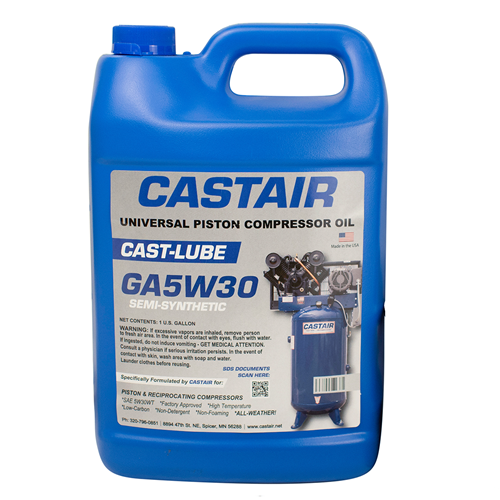
The best oil for most air compressors is SAE 30 non-detergent oil. Some compressors can use synthetic compressor oil for better performance in extreme temperatures. Always check your manual for the right specification.
Can 5w30 Damage My Air Compressor?
Yes, long-term use of 5W30 can lead to internal buildup, foaming, and even premature wear. I had to replace a compressor after using engine oil for too long. Stick to the oil type your manufacturer recommends.
Does Using 5w30 Void My Compressor’s Warranty?
In most cases, yes. If your manual states a specific oil type and you use something else, the warranty may be void. Always keep records of oil changes and use the recommended oil.
Can I Mix 5w30 With Compressor Oil?
Mixing oils is never a good idea. The detergents and additives in 5W30 can react badly with compressor oil, causing sludge or separation. Drain and refill with the correct oil for best results.
If you’re ever unsure, ask a technician or check your compressor’s manual. Trust me—using the right oil is one of the easiest ways to keep your compressor running strong for years.