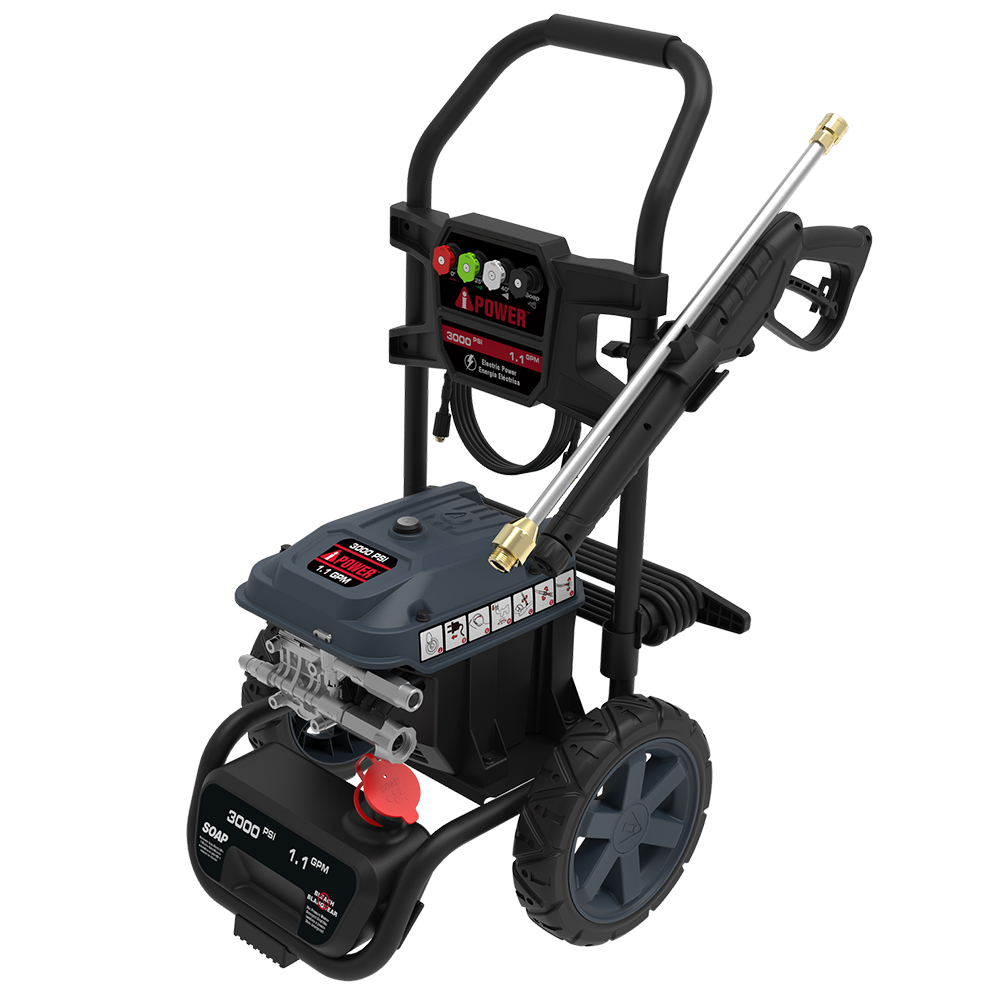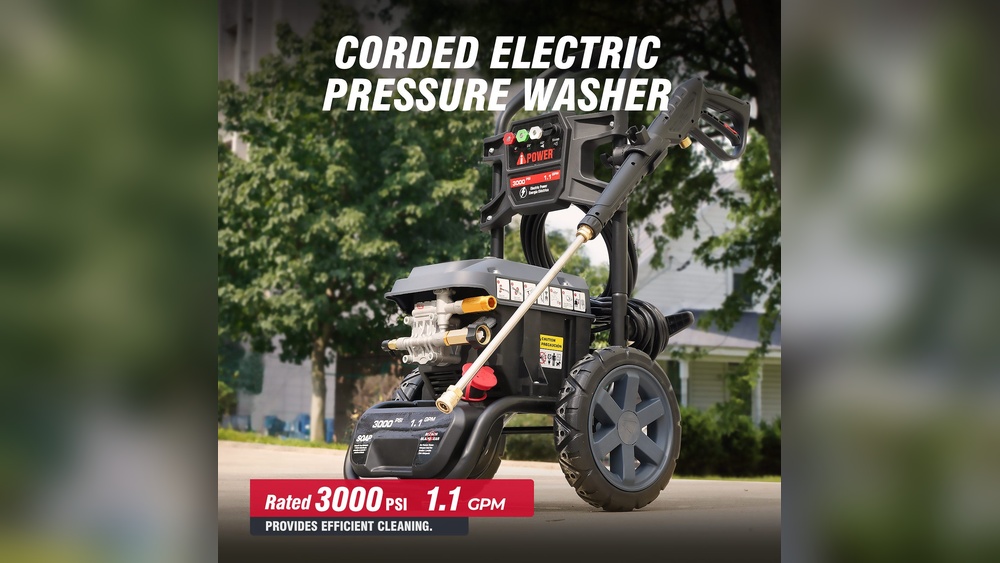
Have you ever stared at your car, covered in dust and bird droppings, and thought, “I need something powerful to clean this fast”? That was me on a Saturday morning. I had a 3000 psi pressure washer in my garage—bought it for cleaning my driveway—and I wondered, “Can I use a 3000 psi pressure washer on my car?” It felt risky, but curiosity got the best of me. I’ll share what happened, what I learned, and what you should know before bringing that much power near your own car.
What Is A 3000 Psi Pressure Washer?
Before I get into my story, let’s talk basics. PSI stands for pounds per square inch. It tells you how strong the water pressure is when it comes out of the washer. Home units often range from 1300 to 3000 psi. So, 3000 psi is at the very top for consumer models—it’s serious power. Most people use these for concrete, fences, or really dirty patios.
A car’s paint, on the other hand, isn’t as tough as concrete. It’s a thin layer of color and clear coat. That’s why people say, “Be careful!” when using any pressure washer on your car.
My First Time Using A 3000 Psi Washer On My Car
I’ll be honest. I was a bit nervous. My car was a few years old and had its fair share of scratches, but I didn’t want to make things worse. I had read online that too much pressure could strip paint, damage trim, or force water into places it shouldn’t go.
Here’s what I did:
- I stood a good distance away—at least 3 feet.
- I used the widest nozzle I had: The white one, 40 degrees.
- I didn’t stay in one spot for too long.
- I avoided old chips or visible damage on the paint.
The results? The car was clean—very clean. But I learned a lot in the process.
Is 3000 Psi Too Powerful For Washing Cars?
Let’s get straight to the point: 3000 psi is more than you need for washing a car. Most car washes use about 1200 to 1900 psi. It’s enough to clean off dirt but gentle enough not to cause damage.
Here’s why 3000 psi can be risky:
- It can chip or peel paint, especially if your car already has weak spots.
- It can damage rubber seals around windows and doors.
- It can push water into electrical parts or sensors.
On the other hand, if you’re careful, use the right nozzle, and keep your distance, you can use it safely. But there’s little room for error.
How To Use A 3000 Psi Pressure Washer On A Car Safely
If you’re like me and you only have a 3000 psi washer at home, don’t worry. It’s possible to use it safely if you follow some rules.
1. Use The Right Nozzle
Nozzles control the spray angle. Wider angles are gentler.
- White nozzle (40-degree): Best for cars. It spreads the water out, so it’s not so intense.
- Green nozzle (25-degree): More powerful, only use for wheels or very dirty areas.
- Yellow and red nozzles (15 and 0-degree): Do NOT use these on your car’s paint. They can gouge or scratch.
2. Keep A Safe Distance
The closer you get, the stronger the force. I recommend at least 2-3 feet away from the car’s surface. For mirrors, trim, or damaged spots, stay even farther back.
3. Move The Wand Constantly
Don’t hold the spray in one place. Sweep back and forth, like painting a wall. This prevents concentrated force from damaging the paint.
4. Check For Weak Spots
If your car has peeling paint, rust, or loose trim, avoid those areas. High pressure will make them worse.
5. Test On A Small Area First
Choose a hidden spot, like inside a wheel well, to see how the pressure affects your car.
6. Use Lower Pressure Settings If Possible
Some 3000 psi washers let you adjust the pressure. If you can, dial it down to 1500-2000 psi for the main body of your car. Use full power only for the wheels or undercarriage.
7. Avoid Sensitive Areas
Never spray directly at:
- Door locks
- Window seals
- Side mirrors
- Badges or emblems
- Engine compartment
These parts are not designed to handle strong water pressure.
Comparing Pressure Washer Settings For Cars
Here’s a simple comparison of what different pressure levels do when washing cars:
| Pressure Level (PSI) | Best For | Risk Level | Recommended Nozzle |
|---|---|---|---|
| 1000-1500 | All car surfaces | Low | White (40°) |
| 1500-2000 | Moderate dirt, wheels | Medium | Green (25°), White (40°) |
| 2500-3000 | Heavy mud, undercarriage | High | Green (25°), use with caution |
From my experience, 1500 psi is plenty for regular car washes. Anything higher is only for tough mud or trucks.
Real Risks: What Can Go Wrong?
People often underestimate the risk. I’ll share what I noticed and what my friends have experienced.
- Paint Damage: My neighbor tried washing his old sedan with his 3000 psi washer. He got too close, and it stripped a patch of paint right off the hood.
- Trim Damage: I accidentally blasted a corner of my plastic trim. It left a visible mark—nothing major, but it looked worse than before.
- Water Intrusion: One time, I sprayed too close to the door seam. Later, I found water inside the car, under the floor mat.
These things happen fast and are hard to fix. If your car has any paint chips, rust, or soft spots, 3000 psi will find them.
When Is A 3000 Psi Washer Useful For Cars?
There are times when high power is helpful:
- Cleaning wheel wells: Mud and grime build up here. A strong spray clears it out.
- Undercarriage: After winter, salt and dirt collect underneath. A quick blast helps prevent rust.
- Heavy-duty trucks or off-road vehicles: If you drive through lots of mud, you need more power.
But for regular sedans or SUVs, that much pressure is rarely needed.
My Best Tips For Safe Car Washing With High Pressure
After several washes and a few mistakes, here’s my advice:
- Start with low pressure and increase only if you need more cleaning power.
- Check your car’s condition before every wash.
- Use touchless techniques—let the soap and water do the work instead of scrubbing with high pressure.
- Dry the car after washing to avoid water spots and streaks.
- Inspect the car closely after each wash for signs of damage.
And if you’re ever unsure, stick with a garden hose and a good car soap. Sometimes, simple is better.

Why Most People Don’t Use High-pressure Washers On Cars
Talking to other car owners, I found most people avoid anything above 2000 psi. Here’s why:
- Cost of repairs: Paint or trim damage can cost hundreds to fix.
- Peace of mind: Washing your car should be relaxing, not stressful.
- Better alternatives: Foam cannons, garden hoses with spray heads, or drive-through car washes are gentler.
I still use my 3000 psi washer, but now only for wheels and undercarriage. For the rest of the car, I use the lowest setting or a regular hose.
What Do Experts Say?
Most car detailers and manufacturers don’t recommend using more than 2000 psi on car paint. Some car wash systems are even gentler, using just 1000-1200 psi with special soaps. If you want your car’s paint to last, it’s better to be gentle.
The International Carwash Association suggests keeping pressure below 1900 psi for paint safety. You can read more about their recommendations on the Wikipedia Pressure Washer page.
Comparing Pressure Washers: Which Is Best For Cars?
If you’re shopping for a pressure washer and want to wash your car, here’s how they stack up:
| Type | Typical PSI Range | Best Use |
|---|---|---|
| Light-duty electric | 1300-1900 | Cars, bikes, patio furniture |
| Medium-duty electric/gas | 2000-2300 | Boats, fences, driveways |
| Heavy-duty gas | 2500-3000+ | Concrete, decks, siding |
For cars, lighter is usually better.
Common Mistakes To Avoid With A 3000 Psi Pressure Washer
I’ve made a few mistakes, and I’ve seen others make more. Here are the big ones:
- Using the wrong nozzle: Too narrow, and you’ll scratch the paint.
- Getting too close: The force increases a lot as you move closer. Stay back.
- Spraying at sharp angles: Water can sneak under trim or seals.
- Ignoring car condition: Old cars or damaged paint are at high risk.
- Forgetting to rinse thoroughly: Soap left behind can stain.
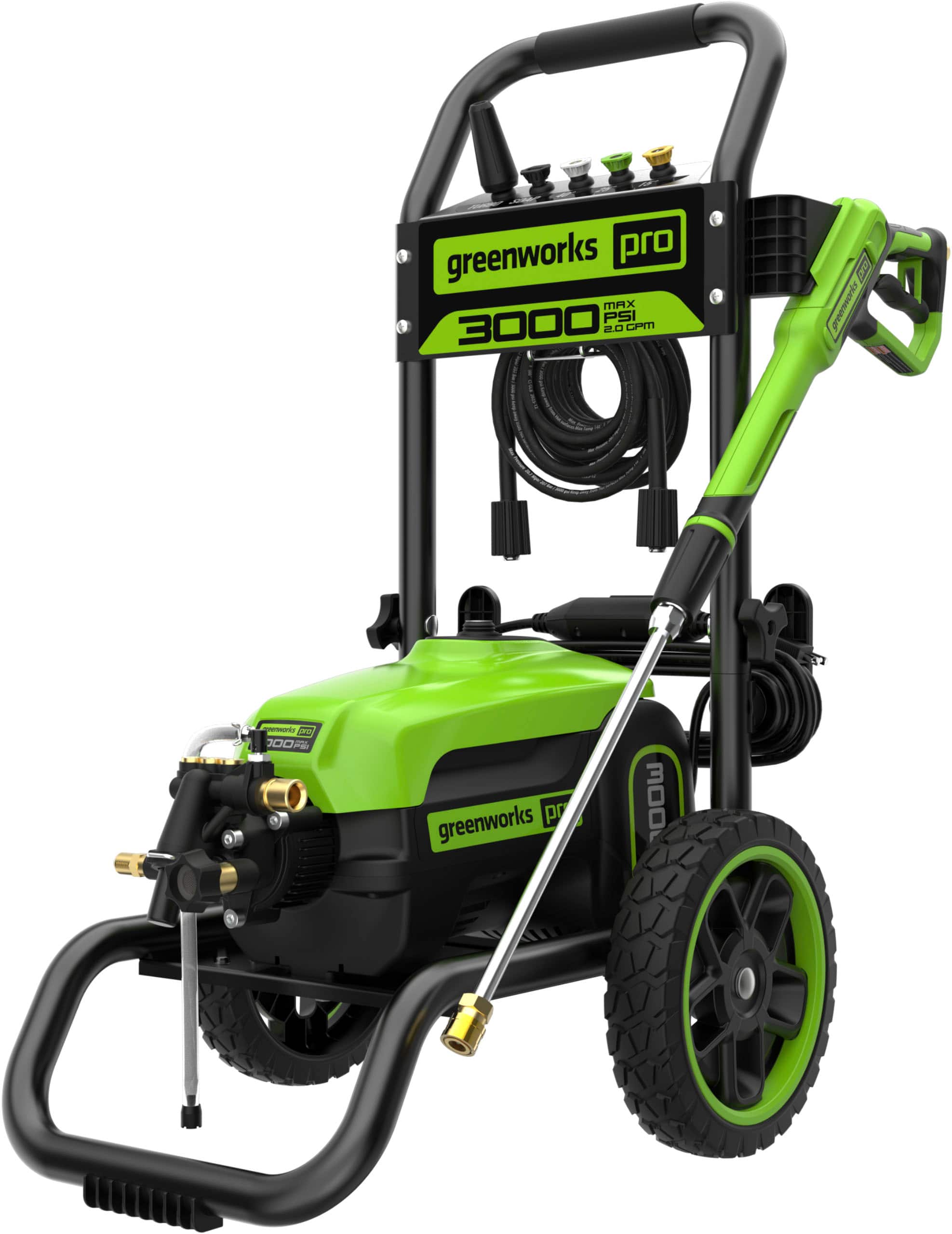
My Honest Verdict: Should You Use 3000 Psi?
If you’re careful, you can use a 3000 psi pressure washer on your car. But you need to know what you’re doing. For beginners, it’s easy to make a costly mistake. For me, I use mine only on tough areas and always keep my distance. If you want to play it safe, use a lower-pressure washer or just a regular hose with a good nozzle.
The biggest thing I learned: just because you have the power doesn’t mean you should use it. Sometimes, gentle is better for your car’s health and your peace of mind.
Frequently Asked Questions
Is 3000 Psi Safe For All Cars?
No, it’s not safe for all cars. Older cars with weak paint or lots of chips are at greater risk. Even newer cars can get damage if you use the wrong nozzle or get too close.
What Nozzle Should I Use With A 3000 Psi Washer On A Car?
Always use the white 40-degree nozzle for the car’s paint. For wheels or tough mud, you can use the green 25-degree nozzle. Avoid yellow and red nozzles.
Can High Pressure Cause Water Leaks Inside The Car?
Yes, if you spray directly at door seams, window seals, or other vulnerable spots, water can get inside. This happened to me once and took a while to dry out.
Is A Pressure Washer Better Than A Garden Hose For Washing Cars?
A pressure washer cleans faster and removes stubborn dirt. But a garden hose is safer for paint and trim. If you care about your car’s finish, a garden hose with a spray nozzle is a good choice.
What’s The Best Pressure Washer Setting For Cars?
If your washer lets you adjust, keep it under 2000 psi for the main body of your car. Use higher pressure only for wheels, tires, or the undercarriage, and always use the right nozzle.
I hope my experience gives you a clear answer. Washing your car should be satisfying—not stressful. Use your tools wisely, and your car will keep looking its best.